
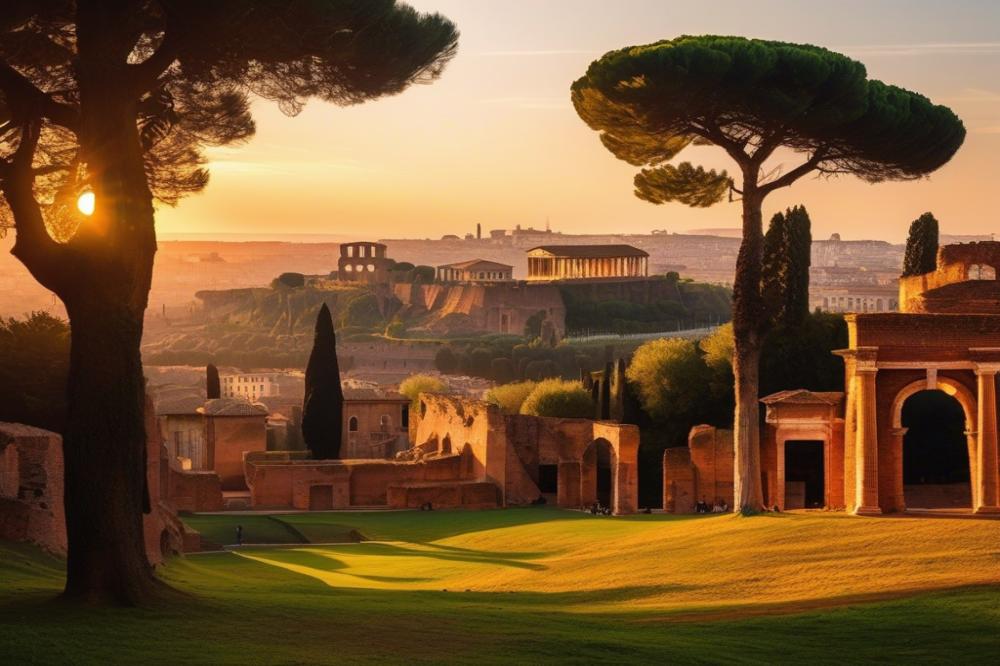
Discover Palatine Hill: The Birthplace of Rome
The Palatine Hill stands as a cornerstone of Rome’s rich history. This iconic archaeological site cradles the remnants of imperial palaces and ancient structures that once belonged to Rome’s elite. Many historians consider it the Birthplace of Rome, steeped in both history and mythology. The legends speak of Romulus and Remus, twins raised by a she-wolf, who founded this remarkable city on the very slopes of this hill.
For tourists, the allure of Palatine Hill is undeniable. Walking through this terrain evokes a sense of awe that connects visitors to the grandeur of ancient Rome. Nearby, the Forum Romanum unfolds a tapestry of public life and governance, enhancing the historical significance of this location. Indeed, exploring both areas reveals the intricate layers of Roman history, where every stone has a tale to tell.
In recent years, archaeological discoveries have further amplified interest in the site. Excavations continue to reveal new aspects of life and power in ancient times. With its mix of cultural heritage and breathtaking views of the city, Palatine Hill is a jewel among Rome attractions. The experience here goes beyond sightseeing; it invites contemplation of the vast timeline that has shaped the world’s fascination with this eternal city.
The Historical Significance of Palatine Hill
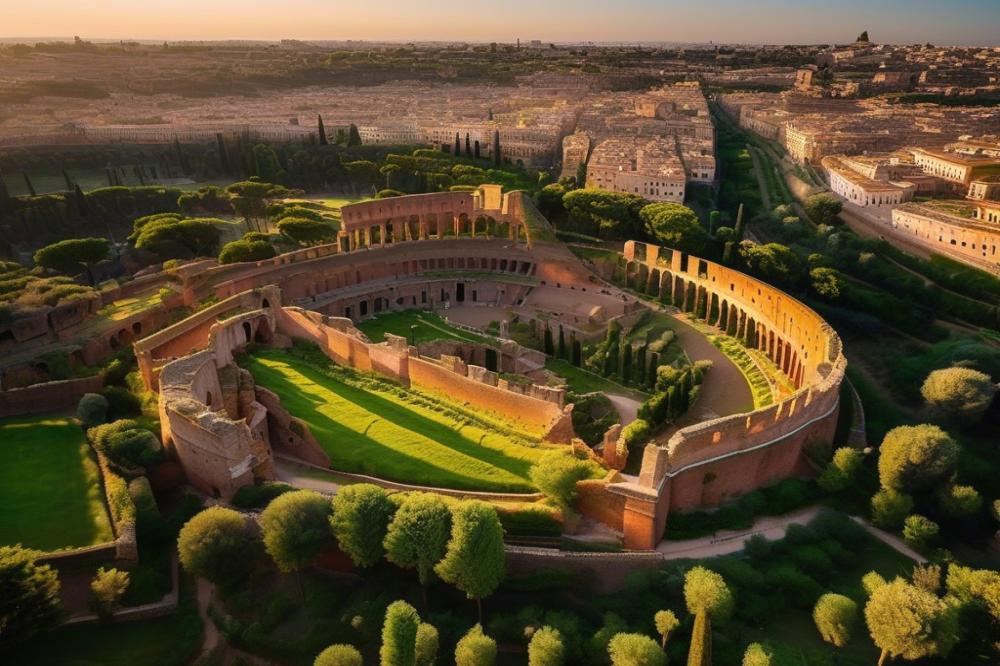
Palatine Hill holds a profound place in the story of ancient Rome. According to mythology, this was where Romulus founded the city. The tale goes that after a fierce rivalry with his brother Remus, Romulus claimed victory on this very ground. This moment is celebrated as the dawn of Roman civilization. Historical accounts strengthen its status as the birthplace of one of the most powerful empires in history.
As time unfolded, Palatine Hill became a center of Roman life. Various emperors chose this location for their imperial palaces. These grand structures signified wealth and power. They overlooked the bustling Forum Romanum, a hub for political and social activity in ancient times. The hill served not only as a residence but also as a symbol of authority.
Visiting this renowned archaeological site today offers a glimpse into the opulence of Roman life. Tourists meander through the ruins, which tell stories of the past. Ongoing archaeological discoveries continue to unearth important artifacts and structures. Each finding adds to the rich tapestry of Roman history. The stories captured within these stones provide insight into the daily lives of ancient Romans.
This location is also intertwined with significant historical events. The rise of the Roman Republic and later the empire can be traced back to decisions made here. Key figures, like Julius Caesar and Augustus, frequented this area, shaping the world as we know it. Their legacies are stamped on the foundations of palaces and temples that still stand today.
For those exploring Rome attractions, few locations are as impactful. The hill is not merely a scenic spot; it is a piece of living history. Its historical significance resonates through time, reflecting the spirit of a civilization that shaped much of Western culture. Palatine Hill remains a vital link to understanding the complex narratives that define ancient Rome.
Exploring the Archaeological Site
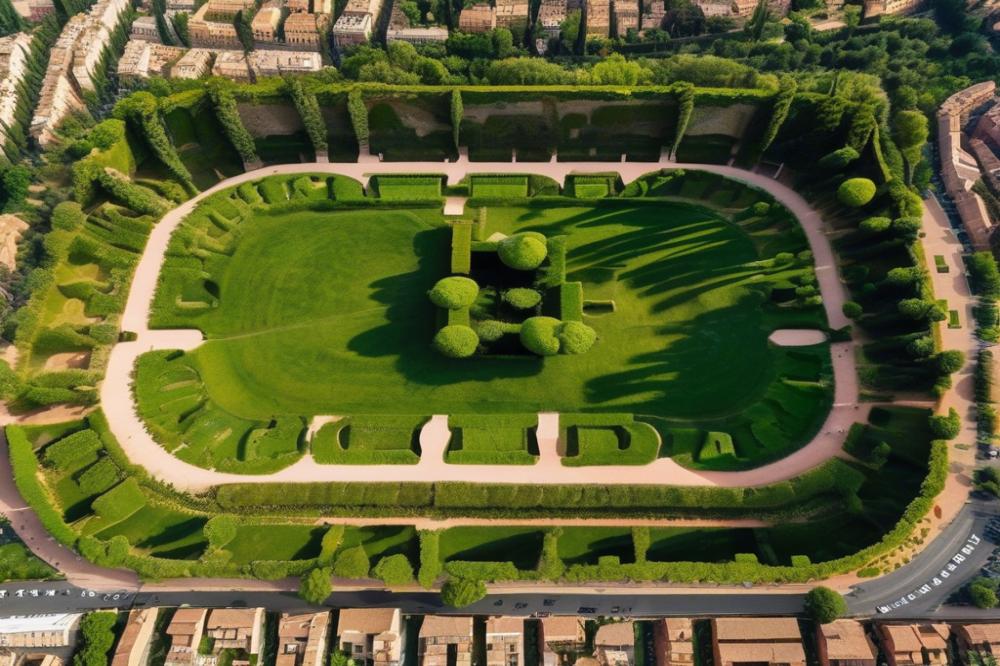
Palatine Hill is a treasure trove of archaeological discoveries. The remains of imperial palaces stand as a testament to the grandeur of ancient Rome. These ruins reveal much about Roman history and the lifestyle of the elite. Artifacts found here tell stories of power, culture, and daily life in ancient times.
Excavation processes on this significant site have been extensive and meticulous. Archaeologists carefully remove layers of earth to uncover structures that date back centuries. Techniques such as stratigraphy help researchers understand the timeline of various constructions. Each layer provides clues to the developments in Roman architecture and urban planning.
Among the most famous discoveries are the remains of the House of Augustus, the first Roman Emperor. This ornate residence includes frescoes and intricate mosaics that display both artistic skill and cultural values of the time. Nearby, the Flavian Palace demonstrates the evolution of architecture in the imperial period. These incredible findings help scholars learn about the complexities of Roman society.
Visitors to this archaeological site experience history firsthand. Tourism thrives as people flock to witness the ruins that shaped Rome’s imperial narrative. The proximity to the Forum Romanum allows for a deeper understanding of the relationship between these two key locations in ancient Rome. Exploring this setting immerses individuals in the mythology and realities that defined a civilization.
Understanding the significance of these discoveries is essential for appreciating Roman achievements. The meticulous documentation of findings aids historians in piecing together the past. These ruins are not just stone and mortar; they represent a cultural legacy that has influenced modern architecture and urban life. Every discovery tells us more about the daily intricacies of the people who once called this remarkable place home.
Mythology and Its Influence on Palatine Hill
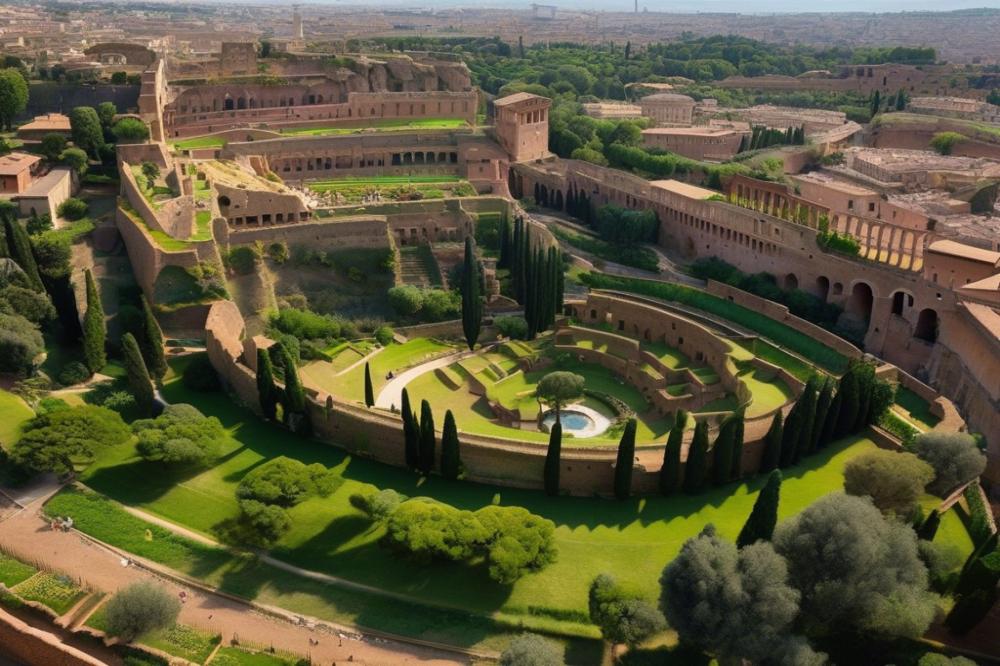
Legends surrounding Palatine Hill are as old as the city of Rome itself. The tale of Romulus and Remus is perhaps the most famous. According to the myth, these twin brothers were raised by a she-wolf after being abandoned as infants. This story reflects the values of resilience and strength that ancient Rome admired. The twins symbolize courage and the founding of a great empire.
In their quest for power, Romulus ultimately killed Remus. This act defined the fierceness of manhood in Roman culture. It conveyed a message about ambition and the harsh realities of leadership. Romans often viewed their own history through this lens, as they adopted these stories into their identity.
Beyond the story of the twins, other myths flourished within the community. The gods and goddesses influenced daily life and decision-making. Religious beliefs often intertwined with politics, showcasing how mythology informed leadership. For instance, temples were erected near the Forum Romanum as a tribute to divine support for the state.
Archaeological discoveries on the hill reveal not just foundations of imperial palaces but also evidence of these ancient beliefs. Statues and artifacts have been unearthed, adding depth to the legends told for centuries. Each object connects to the rich tapestry of Roman history. This blend of myth and real-life events formed a cultural backdrop that shaped Rome.
Tourism thrives in this archaeological site today. Visitors flock to admire the remnants of what once was the epicenter of power. Understanding the myths contributes to a deeper appreciation of these ruins. Each tale holds a lesson, a reflection of the people who held grand ambitions.
In exploring the historical significance of Palatine Hill, one sees how myths shaped the values and morals of the society. These stories continue to be telling reminders of how deeply rooted mythology is in the heritage of Rome. Today’s Rome attractions still echo the lessons learned from legends long ago.
Palatine Hill and the Forum Romanum
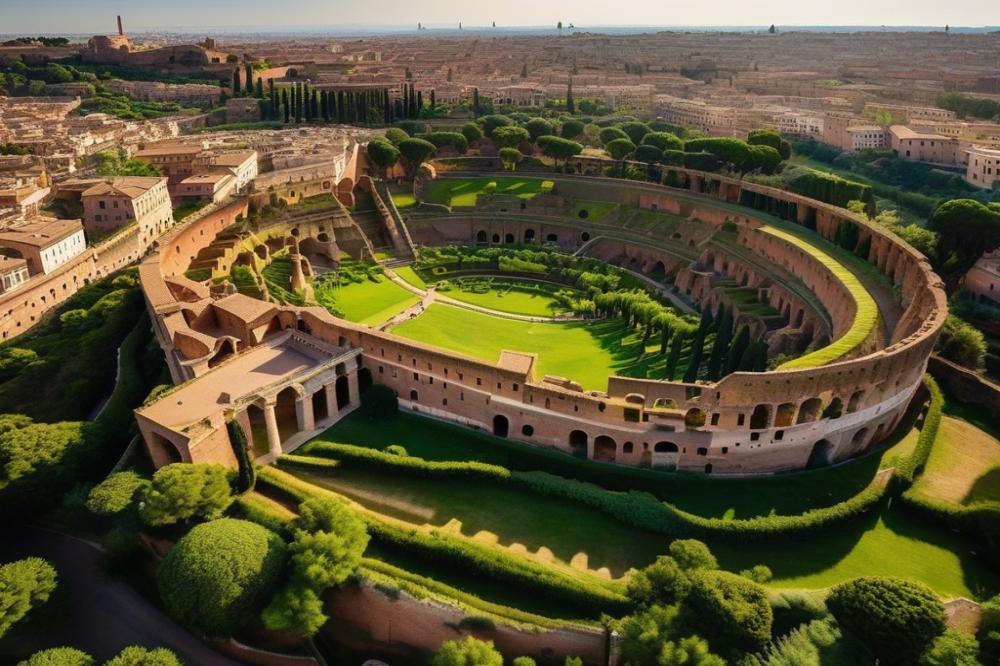
Palatine Hill sits above the Forum Romanum, both key sites in ancient Rome. Together, they formed the heart of the city’s political, social, and religious life. The Forum was a bustling marketplace and meeting place. Citizens gathered here to discuss important matters. They shared news, debated laws, and worshiped the gods.
Not far away, the imperial palaces on Palatine Hill rose majestically. Emperors chose this location for its views. From here, they could overlook the Forum and the entire city. This spot became a symbol of power and privilege. Many myths surround the hill, including its connection to the legendary founding of Rome by Romulus and Remus. The stories of these twin brothers add a rich layer to the hill’s history.
Archaeological discoveries have unearthed remnants of this ancient civilization. Researchers have found temples, monuments, and homes that once belonged to Rome’s elite. Each find tells a new chapter of Roman history. Visitors explore ruins that transport them back in time. They can walk where emperors once strolled, surrounded by splendor and ambition.
The relationship between Palatine Hill and the Forum Romanum is vital to understanding ancient Rome. Together, they showcase the city’s growth and influence. As one of the top tourism spots in Italy, they attract millions each year. Tourists come to witness the grandeur and learn about the past. The historical significance of these sites continues to resonate with visitors from around the world. They remind us of the power structures that shaped one of history’s greatest empires.
Tourism on Palatine Hill
Palatine Hill plays a vital role in contemporary tourism. Many visitors from around the globe flock to this site, drawn by its deep roots in ancient Rome. As one of the seven hills of the city, it is steeped in history and mythology. Access to the site is quite convenient. Tourists can enter through the main ticket office associated with the Colosseum. This proximity makes it easy to explore both iconic attractions.
Nearby, the Forum Romanum offers a glimpse into the heart of Roman life. Tourists can walk among the ruins and imagine the political debates that once echoed through its arches. Visitors often find themselves captivated by the stories that these ancient stones can tell. Imperial palaces, such as the House of Augustus, remind everyone of Rome’s glorious past.
Engaging with Palatine Hill’s rich history is not just about sightseeing. Many provide guided tours that bring the historic landscape to life. These experiences often highlight the significance of archaeological discoveries made in the area. Storytellers share tales that transport visitors back to a time when emperors walked the same paths.
The importance of preserving such archaeological sites cannot be overstated. Each artifact and ruin offers insight into Roman history, providing context to the rise and fall of one of the world’s greatest civilizations. Future generations deserve the opportunity to engage with their heritage, and safeguarding these sites is essential for that purpose.
Tourism serves not only to delight but to educate. By visiting Palatine Hill, people connect with their past. Awareness of the historical significance of such sites fosters a deeper appreciation for the world we live in. Rome attractions, with their blend of history and beauty, invite all to explore and reflect. The allure of this remarkable hill is sure to leave a lasting impression on every visitor.
Final Reflections on Palatine Hill
Exploring Palatine Hill offers a journey through the roots of ancient Rome. This archaeological site stands as a testament to the city’s rich heritage. Here, visitors find the remnants of imperial palaces and sacred temples, which whisper stories of a civilization that once ruled vast territories. Understanding its significance helps to frame the complexities of Roman culture and politics.
The hill not only serves as a reminder of the powerful figures who lived there but also highlights the everyday life of ancient citizens. Walking through its ruins, one can visualize the past, making history come alive in a way that books often cannot.
Modern tourism plays a crucial role in preserving such historic locations. Thousands of visitors flock to the site each year, eager to connect with the legacies of emperors and empresses. Their presence aids ongoing preservation efforts, ensuring future generations can also appreciate this important part of history.
Visiting such landmarks deepens one’s connection to the past. It enriches our understanding of how previous societies shaped our world today. Palatine Hill invites all to reflect on the greatness and flaws of humanity, reminding us that our history is ever-present. Engaging with these places fosters a sense of responsibility to protect our cultural heritage for years to come.

