

Introduction
When exploring ancient civilizations, one can’t overlook the role of gardens. These outdoor spaces were not just about aesthetics; they reflected the beliefs and lifestyles of the Greeks, Egyptians, and Romans. Each culture contributed its own ideas and practices to the design of these natural havens. A fascinating aspect of this development is how cross-cultural exchanges shaped their gardens.
The Greeks valued harmony and balance in their landscape design. Their classical gardens often emphasized geometric shapes and symmetry. In contrast, the Egyptians integrated their gardens into their religious and daily life, showcasing a deep respect for nature. Water features and plant life played essential roles in their horticulture. Romans, influenced by both the Greeks and Egyptians, took these concepts further. They developed luxurious gardens that served various purposes, from retreats for relaxation to places for social gatherings.
Understanding these influences offers important insights into the historical context of garden architecture. Ideas flowed between cultures, with each civilization borrowing and adapting techniques from others. This cultural exchange not only enriched their landscapes but also enhanced their aesthetic values. The interplay of style and function can still be seen in many gardens today.
Ancient Rome, in particular, showcased the culmination of these ideas. Roman gardens combined opulence with practicality, creating spaces that were as beautiful as they were functional. Terraces, elaborate walkways, and shaded alcoves became commonplace. These elements allowed for both leisure and luxuries, reflecting the high status of their owners. The legacies of such designs remain influential in modern gardening practices.
The Influence of Greek garden architecture
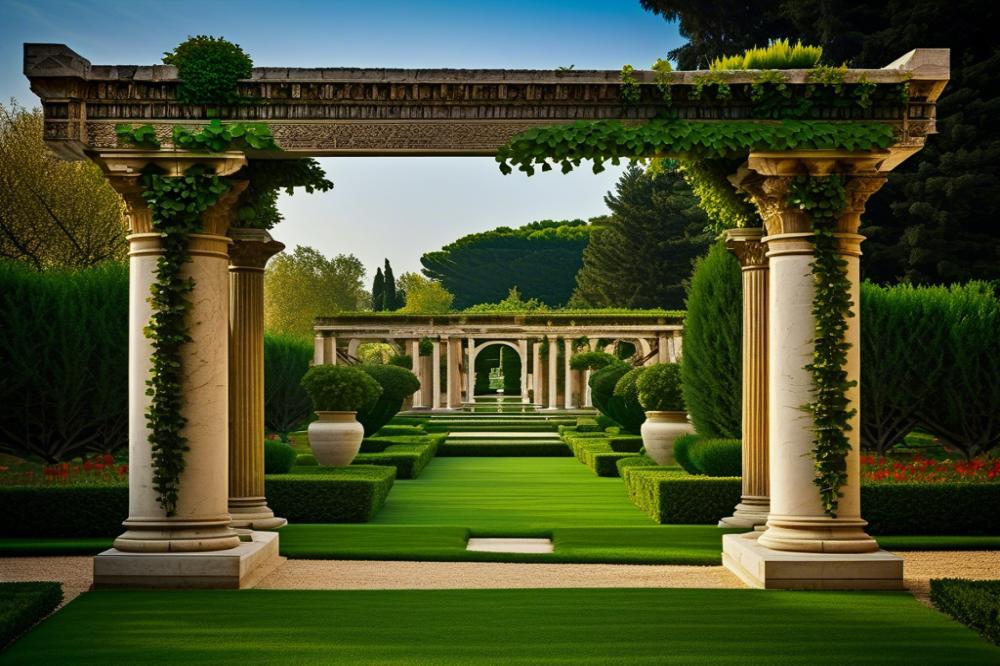
Classical Greek gardens reflected the values and principles of their time. These spaces were not merely decorative; they served multiple functions in society. Both aesthetics and practical uses guided their design principles. Spaces often appeared as extensions of the home, inviting relaxation and contemplation. Gardens promoted a sense of harmony between nature and human life.
Design Principles and Aesthetics
Design in Greek gardens emphasized balance and symmetry. Clear lines framed the landscape. Aspects of geometry played a critical role in layout choices. Gardeners incorporated paths that led visitors through various sections, creating a journey of discovery. Color and form were also important, reflecting the local climate and soil conditions.
Key Elements: Pergolas, Sculptures, and Seasonal Blooms
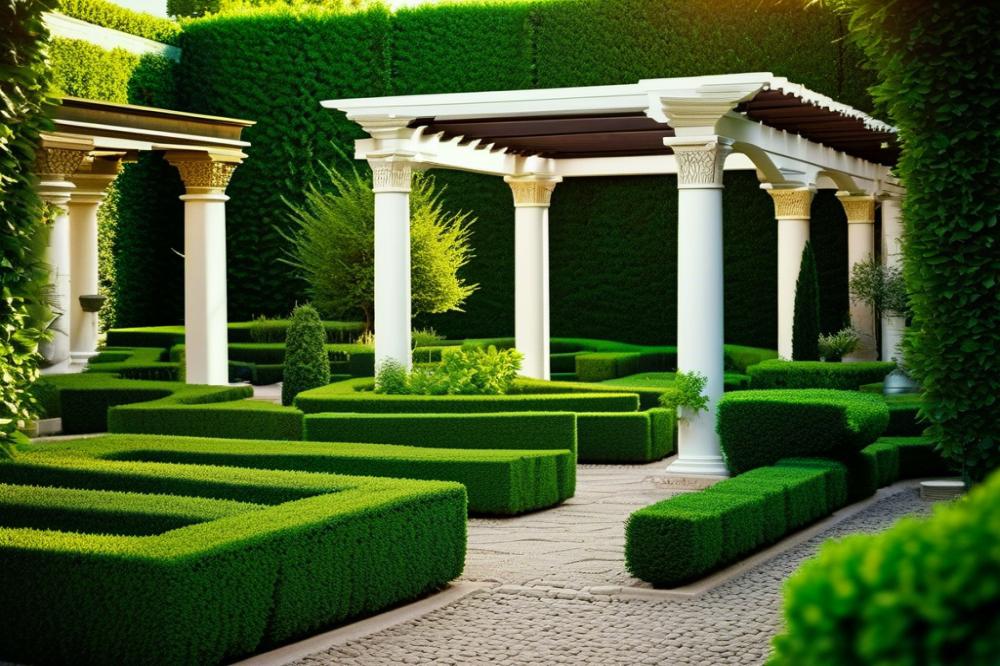
Pergolas provided shade and structure, offering areas for rest. These architectural features often supported climbing plants, enhancing the garden’s visual appeal. Sculptures added layers of meaning and beauty, frequently depicting deities or mythological figures. Seasonal blooms showcased the horticulture knowledge of the Greeks. Flowers, trees, and herbs enriched the garden’s sights and smells.
Role of Gardens in Greek Culture and Society
Gardens held a special place in Greek culture. They were venues for social gatherings and philosophical discussions. The landscape design of a garden often mirrored the ideals of the society in which it was created. By surrounding themselves with beauty, Greeks expressed their values and beliefs. Nature intertwined with daily life, reflecting a deep understanding of horticultural practices.
Egyptian Contributions to Garden Design
Historical Context of Gardening in Ancient Egypt
Gardening in ancient Egypt dates back thousands of years. The Nile River provided fertile soil, shaping agricultural practices and landscape design. Egyptians sought to create beauty in their surroundings, not only for aesthetics but also for spiritual reasons. Gardens were often a reflection of wealth and status. Pharaohs and nobles took pride in their elaborate gardens, creating spaces that represented both nature and cosmos.
Elements of Egyptian Landscape Design
Various elements define Egyptian gardens, emphasizing symmetry and order. Pathways often led through rows of trees or flowering plants, creating a sense of balance. Fencing with high walls offered privacy, while also marking the garden’s boundaries. Common plants included date palms, sycamores, and fig trees, which were cherished for their fruits and shade. Every detail played a role in achieving harmony and visual appeal.
Use of Water Features and Horticulture
Water played a critical role in Egyptian garden design. Irrigation systems tapped into the Nile’s waters, allowing for lush growth in an otherwise arid landscape. Ponds and pools were common features, enhancing the natural beauty of gardens. Fish and water lilies added to the aesthetic appeal. Horticulture flourished in these controlled environments, where skilled garden workers cultivated species like papyrus and lotuses.
Symbolism and Significance of Plants in Egyptian Gardens
Plants held deep symbolic meanings in Egyptian culture. The lotus flower, for example, represented rebirth and the sun. Date palms symbolized immortality and protection. Gardens served not only as places of enjoyment but also as spiritual spaces where gods could be honored. Rituals often included offerings of flowers or fruits from these gardens, reinforcing their significance.
Roman Adaptations and Innovations
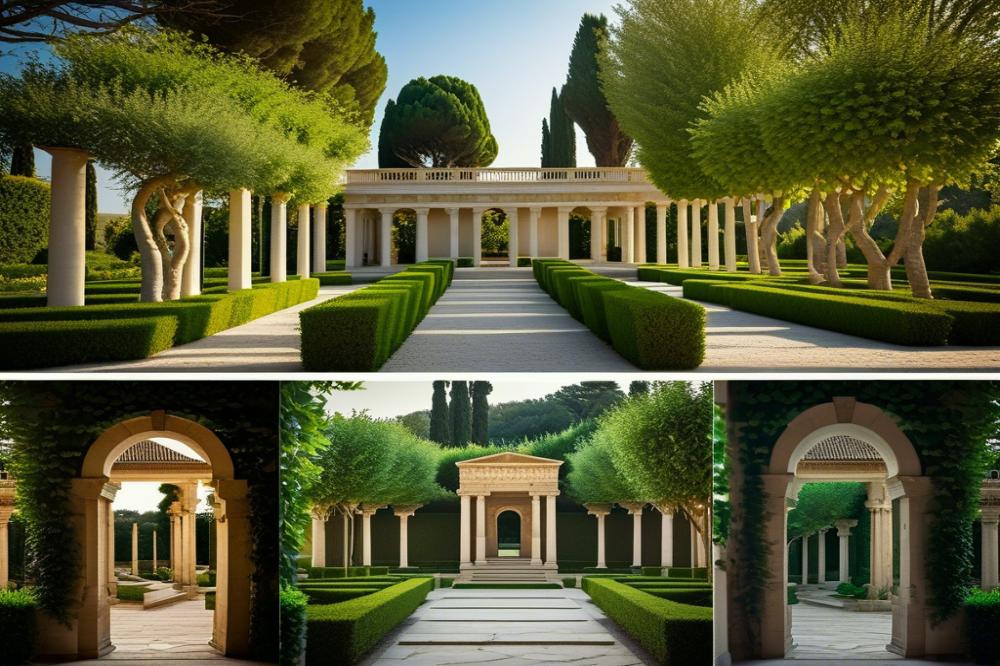
The Romans were greatly inspired by the Greeks and Egyptians in their garden creations. They took ideas from both cultures and adapted them to fit their own tastes and needs. Roman garden architecture is a blend of these various influences, showcasing how cultures can merge over time.
Roman gardens often featured beautiful villa gardens and expansive public spaces. These classical gardens were designed not just for beauty but also for utility. Villa gardens served as private retreats where the wealthy could escape the hustle of city life, while public gardens offered a communal area for citizens to gather.
Advancements in horticulture became a hallmark of Roman landscape design. They introduced new techniques for planting and cultivating various species of plants. Romans even experimented with creating shaded areas using trellises and other supports. This focus on aesthetics created environments that were visually appealing and enjoyable for all.
Social functions played a huge role in Roman life. Gardens were spaces for relaxation, conversation, and entertainment. They served as the backdrop for lively gatherings and philosophical discussions. Public spaces allowed for shared experiences and brought communities together, contributing to the social fabric of Roman society.
Thus, Roman gardens represented more than just attractive spaces. They were reflections of a society that valued beauty, innovation, and community. These spaces acted as a canvas for horticulture and landscape design that highlighted the best of Roman creativity.
Cross-Cultural Exchange and Its Impact
The interactions between Greeks, Egyptians, and Romans were vital in shaping their landscapes. These three civilizations shared ideas, practices, and designs that influenced their approaches to horticulture. Trade routes, conquest, and travel played major roles in this exchange. Merchants and travelers carried stories, seeds, and knowledge across borders. It was in this melting pot of cultures that new styles emerged.
For example, after Alexander the Great’s conquests, Greek styles infiltrated Egyptian practices. The famous gardens of Babylon also inspired many. Romans admired the lush, orderly features of Greek gardens and incorporated them into their own landscapes. Practical design principles were exchanged, resulting in vibrant botanical blends. Each culture added elements, creating classical gardens that reflected both local and foreign aesthetics.
Consider the case of the Roman villa. Romans built extensive gardens that drew from both Greek and Egyptian influences. These spaces often showcased elaborate water features, shaded walkways, and ornamental plants. The landscape design was not just for beauty; it served as an environment for leisure and social gatherings. Combined with Egyptian methods, they utilized irrigation techniques that enhanced plant growth. This collaboration led to gardens that symbolized wealth and sophistication.
Moving into the later periods, these exchanges laid groundwork for subsequent European garden movements. The Renaissance picked up on classical elements and reimagined them. Gardeners and architects looked back to the ancient techniques they admired. Thus, the aesthetics of the Greeks, Egyptians, and Romans continued to inspire future generations. Traditions established through historical context influenced how gardens were planned and built throughout Europe.
These cross-cultural interactions not only shaped how gardens looked but also enriched the lives of those who enjoyed them. People learned the value of blending styles and ideas. The results were gardens that told stories of collaboration and shared experience. Ultimately, the legacies of these civilizations’ landscape design still echo today.
Final Thoughts on Cross-Cultural Influences
The exchange of ideas among the Greeks, Egyptians, and Romans has significantly shaped how gardens have developed throughout history. Each culture contributed its own styles, plants, and philosophies to garden design. For instance, the Greeks emphasized harmony and proportion, while the Egyptians focused on functionality and symbolism. Romans, in turn, integrated these elements into their impressive villas. This blending of influences created gardens that were not only beautiful but also served various purposes, ranging from retreats to places for social gatherings.
Today, the legacy of these ancient designs continues to inspire contemporary landscape architecture. Modern gardens often reflect the classical principles of balance and harmony. Water features and strategic plant selections remain popular choices, echoing the innovations of these early civilizations. Garden designers are still drawn to the aesthetics that originated from this rich tapestry of cultures. Their contributions ground our understanding of outdoor spaces and their significance in human life.
Preserving historical gardens and their designs remains crucial. These spaces tell stories about our past and show how different cultures interacted. They highlight our shared heritage and promote appreciation for the environment. Maintaining and restoring these gardens is essential for future generations. As we continue to learn from the Greeks, Egyptians, and Romans, understanding their impacts enriches our relationship with nature and cultural history.

