

Introduction
Cats have long held a special place in Italian culture. Their graceful movements and independent nature inspire admiration in many. These intriguing creatures frequently appear in art, folklore, and even mythology, symbolizing mystery and independence. When examining Italian music, especially opera, one can find such feline characters that further highlight their cultural significance.
The role of opera and music in Italy’s heritage is profound. For centuries, opera has served as a vessel for storytelling and emotional expression. Renowned composers, such as Giuseppe Verdi and Giacomo Puccini, have created masterpieces that illuminate human experiences while often referencing the natural world. The exploration of animals within this lyrical domain opens new avenues for understanding character studies and the emotions linked to them.
This article aims to delve into how cats are represented in Italian opera and music, reflecting both societal views and artistic motivations. By analyzing various operatic works, we will illuminate specific examples of Feline Symbolism. The piece will also discuss lyric analysis and the ways these animal representations resonate with audiences. Through musicology, we can uncover layers of meaning within these portrayals, revealing insights that go beyond mere surface details.
Cats in Italian Opera

Cats have a fascinating presence in Italian opera. These feline characters bring a touch of charm and intrigue to various works. In the rich landscape of Italian music, animals often find a place among human stories. Historically, cats symbolize mystery and independence, traits that resonate deeply in many operatic themes.
The representation of animals, including cats, holds cultural significance in numerous operas. From the early days of opera to modern interpretations, these characters allow for creative expression. Analyzing their roles can unveil deeper meanings within the narratives. For example, characters like the cunning cat provide insight into human behavior and societal norms.
Several operatic works stand out for their inclusion of feline personalities. In “Tosca” composed by Giacomo Puccini, the cat serves as a metaphor for stealth and the complexities of love. Giuseppe Verdi, known for his intricate character studies, also utilizes animal representation effectively. His operas capture the essence of human emotions, with animals often enhancing these themes.
Through lyric analysis, audiences can appreciate how these characters fit into the broader story arcs. Cats often symbolize freedom, creativity, and the unexpected. This aligns perfectly with the emotional depth found in Italian opera. Furthermore, the musicology of operatic compositions highlights the roles these creatures play, enchanting viewers and listeners alike.
In summary, the exploration of feline characters enriches the operatic experience. Their representation speaks to themes of independence, loyalty, and cunning. As a result, Cats in Italian Opera create an engaging and multifaceted layer in storytelling.
Feline Characters in Italian Music

Italian music often showcases feline characters in intriguing ways. These characters do not merely serve a narrative function. They symbolize various traits and themes that resonate deeply within the human experience. In opera, cats can represent secrecy, independence, or even mischief. Because of this, they embody complex emotions and societal ideas, allowing audiences to grasp deeper meanings in their performances.
Giuseppe Verdi’s Perspective on Cats
In Verdi’s operas, there are instances when feline characteristics reflect the personas of certain characters. For example, in “Rigoletto,” the Duke engages in playful seduction, much like a cat stalking its prey. The charm and wit of the Duke can evoke images of a cunning feline, emphasizing his deceptive nature. Through lyric analysis, we see how the intimacy of the music parallels the sleekness of a cat. The themes of desire and betrayal weave together, creating a rich tapestry that showcases the complexity of human emotions.
The Influence of Giacomo Puccini
Puccini also incorporates these animal representations. In “La Bohème,” the character of Musetta can be likened to a cat who savors her freedom and affects those around her with a mix of allure and ambiguity. Her character study reveals a duality; she embodies both vulnerability and strength, much like a cat that can be simultaneously affectionate and aloof. This combination enhances the operatic experience, drawing the audience into her emotional struggles.
Cultural Significance in Character Representations
Feline characters in Italian music reflect broader cultural themes. Cats are often associated with femininity and independence. These attributes resonate through opera, aligning with historical views on women in society. As listeners, we perceive these animals as symbols of inner strength in female characters. Notably, animal representation links directly to societal norms, highlighting the ever-changing dynamics of gender roles.
Musical Analysis and Themes
Analyzing melodies reveals the depth of these feline representations. Composers use specific musical techniques to evoke particular traits associated with cats. Rapid, playful melodies might mirror the agility of a cat, while slow, languid passages capture the essence of a creature lounging in the sun. Through musicology, one discovers how composers blend these elements into the fabric of their operatic works. The use of rhythm, harmony, and lyricism draws audiences into the world of cats, further enriching our understanding of their significance.
Cultural Significance of Cats

Cats hold a special place in Italian folklore and culture. They are often seen as symbols of independence, mystery, and elegance. Many tales passed through generations depict feline characters as clever and sometimes mischievous beings. In rural areas, cats are regarded as farm protectors, keeping vermin at bay. This connection to household life makes them beloved creatures in Italian homes.
When examining their portrayal in Italian music, a fascinating comparison emerges. In opera, cats may not always take the lead role, yet their presence adds depth. Unlike literature or painting, where felines often symbolize freedom and domesticity, opera captures their essence in dramatic ways. Notably, composers like Giuseppe Verdi and Giacomo Puccini incorporate feline-like characteristics in their character studies. Lyric analysis reveals how these traits relate to themes of romance and conflict.
Furthermore, examining the diverse representations of animals in various art forms reveals intriguing patterns. While cats in opera convey deeper meanings through performance, art and literature also celebrate them with affection. Each medium adds another layer. In literature, cats may be nocturnal mysteries, prowling through tales as enigmatic companions. Music, on the other hand, encapsulates the spirit of these creatures in melodic sounds, making them a part of the broader cultural narrative.
The connection between cats and independence is not merely attributed to their solitary nature. They challenge traditional notions of companionship. This quality resonates with audiences, making them relatable and intriguing. Themes of autonomy permeate opera, where characters often face struggles for personal freedom. By reflecting on animal representation, one can see how cats universally symbolize a longing for self-determination.
In conclusion, examining cats reveals much about Italian culture. Their role not only speaks to individual stories but also connects deeper societal themes. Through musicology, we can appreciate the profound impact these animals have on the rich tapestry of Italian opera and beyond.
Lyric Analysis in Italian Opera
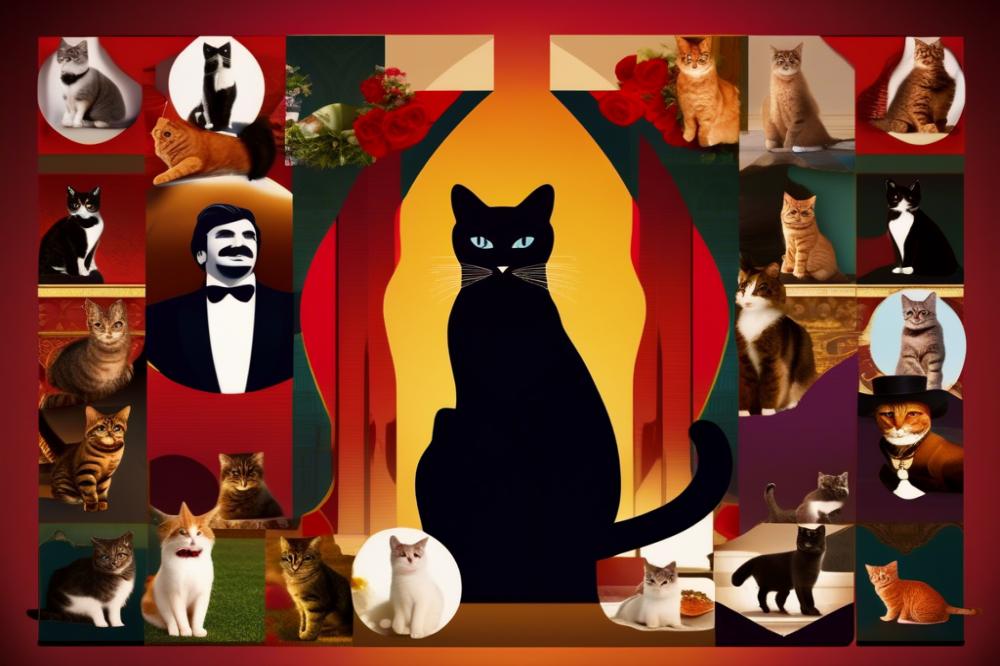
Italian music often presents a rich tapestry of emotions and themes. The use of feline characters is particularly intriguing. Cats appear in various operas as symbols of independence, mystery, and sometimes deception. One can observe how composers like Giuseppe Verdi and Giacomo Puccini integrate these elements into their works. Through lyric analysis, we can gain insight into how these animal representations resonate with society.
When examining specific arias, it is essential to consider the contexts in which cats are mentioned. For instance, in Verdi’s Il Trovatore, there are subtle references to a cat’s cunning nature. This mirrors the complexities of the characters involved, highlighting traits such as jealousy and betrayal. The feline imagery enhances the narrative, offering depth to character studies.
Beyond mere storytelling, these arias reflect societal views on cats during the time. Often seen as creatures associated with femininity or seduction, cats have a long-standing cultural significance. They evoke a sense of allure and mystique. In Puccini’s works, the portrayal of cats can emphasize themes of longing and unattainable desires, which resonate strongly with the audience.
From a musicological perspective, composers utilize cat imagery as a musical device. Specific melodies or motifs may mirror the qualities attributed to cats. The swift rhythms might capture their agility, while slower passages evoke their calm demeanor. This thoughtful application enriches the listening experience. Music not only conveys emotions but also strengthens the symbolism found in lyrics.
Moreover, lyrical references to these creatures often reveal deeper truths about human nature. The habits of cats can shed light on themes of freedom, loyalty, and transformation. Through these artistic choices, Italian opera invites audiences to reflect on the duality of humanity. Felines serve as mirrors, and their representations provoke thought about our own lives and relationships.
In summary, the interplay between lyricism and music in Italian opera showcases the multifaceted nature of feline characters. Analyzing these elements provides a clearer understanding of their roles within the larger cultural narrative. Understanding how these artistic elements come together allows us to appreciate their significance in the grand scheme of operatic storytelling.
Animal Representation in Italian Culture
Italian culture is rich with an array of animal representations in its art and literature. Various creatures serve as symbols, conveying deeper meanings and emotions. Birds often represent freedom, while dogs symbolize loyalty. Cats, however, occupy a unique space in this tapestry.
Cultural attitudes toward animals can be seen clearly in the world of Italian opera and music. Many operatic works by composers like Giuseppe Verdi and Giacomo Puccini explore complex character relationships, often through the lens of animal symbolism. Feline characters, in particular, appear less frequently than their canine counterparts. This hints at a certain ambivalence toward cats, which reflects broader views in society.
Lyric analysis reveals that when cats do appear, they often embody qualities such as independence and mystery. These qualities can lead to both admiration and suspicion in various character studies. While some operatic characters may portray cats as graceful and cunning, others cast them as figures of cunning trickery or bad luck. Such depictions can influence how audiences perceive these animals.
The role of cats contrasts starkly with other animals in Italian music. Dogs, often depicted as faithful companions, regularly find their way into heroic narratives. In contrast, cats sit on the fringe, symbolizing a more complex human relationship with nature. This indicates that Italy’s cultural significance places certain animals in a hierarchy based on their traits and societal roles.
Musicology reveals that composers often imbue their works with intentional animal undertones. Verdi’s operas, for example, may contain subtle references to cats as embodiments of cunning. The contrasting presence of animals helps to portray the emotional landscape of the characters and their interactions.
Overall, the representation of animals, including cats, in Italian art and music allows a glimpse into the human condition. It opens up discussions about human emotions and relationships with nature. The way animals are portrayed speaks volumes about society’s values and attitudes, creating a rich and varied narrative.
Final Thoughts on Feline Figures in Italian Artistic Expression
The exploration of feline characters in Italian opera and music reveals fascinating insights into cultural symbolism. Cats symbolize independence and mystery, portraying complex emotions that resonate deeply with many audience members. Their presence often evokes humor, charm, and even a touch of intrigue. Many composers and librettists have drawn upon these qualities, integrating them into their narratives.
Reflecting on their role in today’s culture, cats continue to captivate our imaginations. From social media to film, felines are beloved figures that maintain a significant place in our hearts. Their unique personalities and playful natures mirror the diverse characters found in opera. This connection between contemporary life and historical artistry is an essential theme in understanding our relationship with these creatures.
In summary, the representation of cats is more than just a whimsical choice for artists. These animals serve as powerful symbols in storytelling, enriching the emotional landscape of Italian music. Their influence can be seen throughout history and into the present day, highlighting the affinity humans have for the feline form. Ultimately, the bond between cats and Italian artistic expression remains strong, evolving while still maintaining its core significance.

