

Introduction
cats hold a cherished place in the tapestry of Italian culture. They symbolize independence and grace, appearing in art and folklore for centuries. The presence of these animals adds charm to the picturesque streets of Italy. Furthermore, they are often seen lounging in sunny spots, embodying the relaxed lifestyle that many admire. Their significance goes beyond companionship; they play an unexpected role in the agricultural landscape of the country.
Vineyards occupy a vital spot in Italy’s economy and heritage. Known for producing some of the finest wines in the world, Italian vineyards represent centuries of tradition and craftsmanship. Agriculture in this region is not just about the grapes; it supports biodiversity and contributes to the rural way of life. With sprawling fields and rolling hills, these landscapes offer more than beauty. They are essential to both the local culture and the agricultural economy.
The relationship between biodiversity and vineyard health cannot be understated. Among the many natural strategies for maintaining vineyards, rodent management emerges as a crucial one. Pests can destroy delicate grapevines, leading to significant losses. An effective and eco-friendly solution to this problem involves the use of natural predators. pest control methods that integrate nature are becoming increasingly popular among sustainable farming advocates.
Certain cat breeds excel at keeping rodent populations in check. Their hunting instincts align perfectly with the needs of vineyard owners focused on organic agriculture. Farmers who embrace these animals often find that vineyard health improves dramatically. This symbiotic relationship not only safeguards the grapes but enhances overall ecological balance. By allowing these small creatures to roam freely, vineyard owners tap into a tradition that prioritizes both efficiency and sustainability.
In summary, as Italy nurtures its vineyards, it also embraces the unique role of these animals. Their contributions extend far beyond companionship, touching the very foundation of agricultural practices. Recognizing the importance of pest management and biodiversity leads to healthier environments and richer harvests. The bonds between cats and Italian vineyards showcase a harmonious blend of culture and nature, paving the way for eco-friendly solutions in farming.
Historical Context of Cats in Agriculture

Throughout history, felines have served as natural predators in various agricultural settings. Their ability to manage rodents has made them valuable allies on farms. In Italy, these creatures played an essential role in protecting crops from pests. As vineyards became integral to the culture, so did the need for effective rodent management.
On traditional Italian farms, these animals found a special place. Farming families often welcomed them into their homes and fields. These animals were not just pets; they were protectors of vineyard health. Their presence helped maintain biodiversity, a key factor in sustainable farming practices. Many farmers relied on local cat breeds known for their hunting skills.
Cultural attitudes towards these animals were mostly positive. People recognized their contributions as eco-friendly solutions for pest control. Farmers appreciated the balance cats brought to agricultural ecosystems. Rather than using harmful chemicals, many opted for the natural method of relying on these predators. This choice aligned well with the principles of organic agriculture, promoting a healthier environment.
As vineyards flourished, so did the relationship between farmers and their feline companions. History shows us that this partnership supported both productivity and sustainability. Trust developed as farmers learned to appreciate the unique bond that formed in the fields. Cats became more than hunting aides; they were symbols of a more harmonious farming approach.
Pest Control in Vineyards

The health of vineyards can suffer significantly due to pests. Insects and rodents can damage grapevines, reducing the quality and quantity of grapes produced. Farmers consistently seek effective remedies for these problems. However, turning to chemical solutions often raises concerns about environmental safety and sustainability. Such methods can harm non-target organisms and disrupt local ecosystems.
The Impact of Pests on Vineyard Health
Pests can devastate crops if not managed properly. Infestations may lead to vines that produce fewer grapes or grapes of lower quality. This not only affects the vineyard’s profitability but also impacts the overall health of the agricultural landscape. By fostering biodiversity, vineyards can stand resilient against these threats. Healthy ecosystems are less vulnerable to pest outbreaks.
How Cats Contribute to Pest Control and Rodent Management
Certain breeds of felines have a natural instinct to hunt. They are effective at controlling rodent populations without the need for chemical agents. Vineyards that welcome these natural predators report fewer pests and healthier vines. This kind of management is an example of working with nature rather than against it. This approach not only keeps vineyards safe from damage but also promotes organic agriculture.
Comparison with Chemical Pest Control Methods
Chemical pesticides can be effective in the short term. However, their repeated use can lead to resistance among pest populations. Over time, this can create a cycle that requires stronger chemicals, further harming the ecosystem. In contrast, relying on natural methods offers a more sustainable alternative. This strategy fosters a balanced environment in which biodiversity can thrive.
The Eco-Friendly Solutions Offered by Using Cats
Utilizing natural pest control methods aligns with the principles of sustainable farming. It reduces the dependency on harmful chemicals. Additionally, it encourages a diverse ecosystem where beneficial insects coexist with grapes. This creates a healthier habitat for various species, and contributes to the vineyard’s longevity. Moreover, it cultivates a more organic approach to farming, appealing to environmentally conscious consumers.
Biodiversity and Sustainable Farming

The role of cats in promoting biodiversity in vineyard ecosystems
Cats play an important role in vineyards across Italy. By controlling rodent populations, they help maintain a balanced ecosystem. This pest management is crucial for protecting crops. Rodents can carry diseases and damage vines, affecting vineyard health. When natural predators are present, vineyard owners often see a reduction in rodent-related issues. Each of these animals contributes to a more diverse environment, supporting a healthy habitat. Biodiversity in vineyards can also lead to stronger crops. A variety of species helps the ecosystem function effectively.
Sustainable farming practices involving felines
Sustainable farming means finding ways to work with nature. Using animals in agriculture can offer eco-friendly solutions. Cats fit perfectly into this model. By naturally managing pests, they reduce the need for chemical treatments. These chemicals can harm beneficial insects and degrade soil health. An environment with fewer toxins promotes better grape quality. Employing these creatures can also lower costs for vineyard owners. It’s a win-win situation: lower expenses and healthier ecosystems.
Integration of cats within organic agriculture methods
Organic agriculture relies on natural processes. This approach values biodiversity and aims to minimize negative impacts. Integrating cats into these farming systems aligns with these principles. They act as guardians against rodents while adding to the variety of life in the vineyards. Different cat breeds may offer various benefits. Some are better hunters, while others are more sociable and can thrive in vineyard environments. By selecting the right breed, farmers can enhance the overall operation. The blend of nature and agriculture leads to a more resilient ecosystem, which is vital for future sustainability.
Popular Cat Breeds in Italian Vineyards
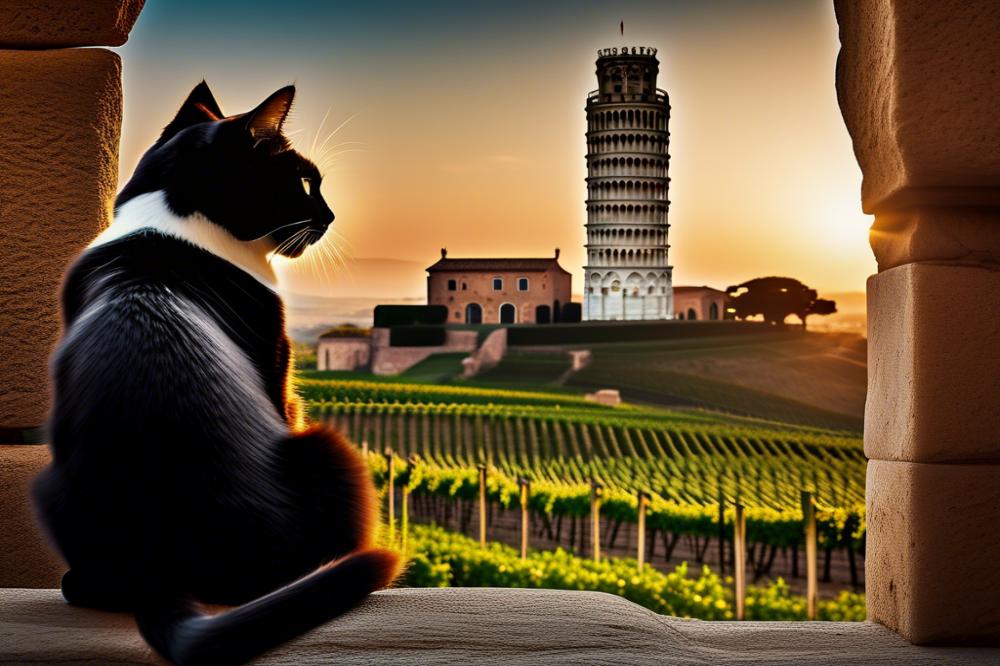
Overview of Cat Breeds Found in Italian Vineyards
Many vineyards in Italy have embraced the idea of using feline companions for pest control. Common cat breeds that thrive in these settings include the Domestic Shorthair and the Siamese. These breeds are well-known for their hunting skills and adaptability. Robust and agile, they can navigate the terrain of vineyards with ease. Their presence not only helps with rodent management but also fosters biodiversity.
Characteristics of Effective Vineyard Cats
Effective vineyard cats share certain traits. They need to be independent, as vineyard environments require them to patrol large areas. Their hunting instincts should be strong, allowing them to act as natural predators of pests. A friendly temperament is also beneficial, especially when interacting with vineyard workers. Many vineyard owners seek cats that are agile and have a knack for hunting. These characteristics contribute to vineyard health and sustainability, promoting organic agriculture practices.
Stories of Particular Breeds Making a Difference
There are remarkable stories across Italian vineyards about how certain breeds have made significant impacts. In Tuscany, a colony of Domestic Shorthairs has reportedly reduced rodent populations dramatically. Their presence has led to less reliance on chemical pest control, turning to eco-friendly solutions instead. In another vineyard near Piedmont, a pair of Siamese cats took charge of keeping the vineyard free from destructive pests. Workers observed that their hunting skills not only protected the grapevines but also created a more balanced ecosystem. These examples highlight the benefits of using these breeds in agriculture, showcasing their vital roles in sustainable farming practices.
The Future of Cats in Italian Agriculture
Current trends in the use of cats for vineyard protection
More vineyards in Italy are discovering the benefits of using cats for pest control. By welcoming these natural predators, vineyard owners are beginning to address the problem of rodent management effectively. The presence of these animals not only reduces the number of pests but also promotes a healthier ecosystem. As organic agriculture becomes more popular, incorporating such eco-friendly solutions is vital. Different cat breeds are now being utilized for their specific skills, creating a diverse approach to vineyard health. Farmers appreciate that these furry helpers are both low-maintenance and effective.
Potential challenges and the need for awareness
Despite the advantages, some challenges accompany this trend. Not every cat can thrive in agricultural settings. Understanding which breeds work best is crucial to achieving desired results. Additionally, some vineyard owners may fear that introducing cats could disrupt other wildlife, leading to imbalances. Raising awareness about sustainable farming practices can help dispel these concerns. Education is key for those involved in agriculture to harness the benefits responsibly. Ensuring proper care for these animals will promote their well-being and effectiveness in pest control.
The role of communities in supporting sustainable practices
Communities play a pivotal role in fostering these eco-friendly methods. Local organizations can offer training on the best practices for integrating cats into vineyard management. Moreover, sharing experiences among farmers can inspire others to adopt these strategies, creating a ripple effect across the industry. Community support also fosters a greater appreciation for biodiversity. As more people understand the balance between agriculture and nature, they will likely advocate for such sustainable approaches. Encouraging discussions about this topic helps build a stronger agricultural community focused on health and productivity.
Final Reflections on Feline Guardians of Vineyards
Cats play a vital role in safeguarding Italian vineyards. They keep pests at bay, which can otherwise harm the grape harvest. Utilizing their natural hunting instincts contributes to effective pest control. This practice enhances the delicate balance of vineyard ecosystems and promotes biodiversity.
Beyond their practical advantages, these animals hold deep cultural significance in Italy. They are often seen lounging in sun-drenched rows of grapes, embodying a tranquil yet vigilant presence. Their playful demeanor balances the hard work of vineyard caretakers, creating a harmonious atmosphere.
Preserving this age-old tradition is crucial for future generations. Incorporating natural pest management methods honors the history of Italian agriculture. Sustaining this relationship between humans and animals can inspire new ways of protecting crops while respecting the environment.
As we look ahead, it is essential to appreciate these unique guardians. They symbolize a blend of agriculture and culture that enriches Italian life. Embracing this connection will help ensure a healthier future for vineyards and the diverse ecosystems they support.

