
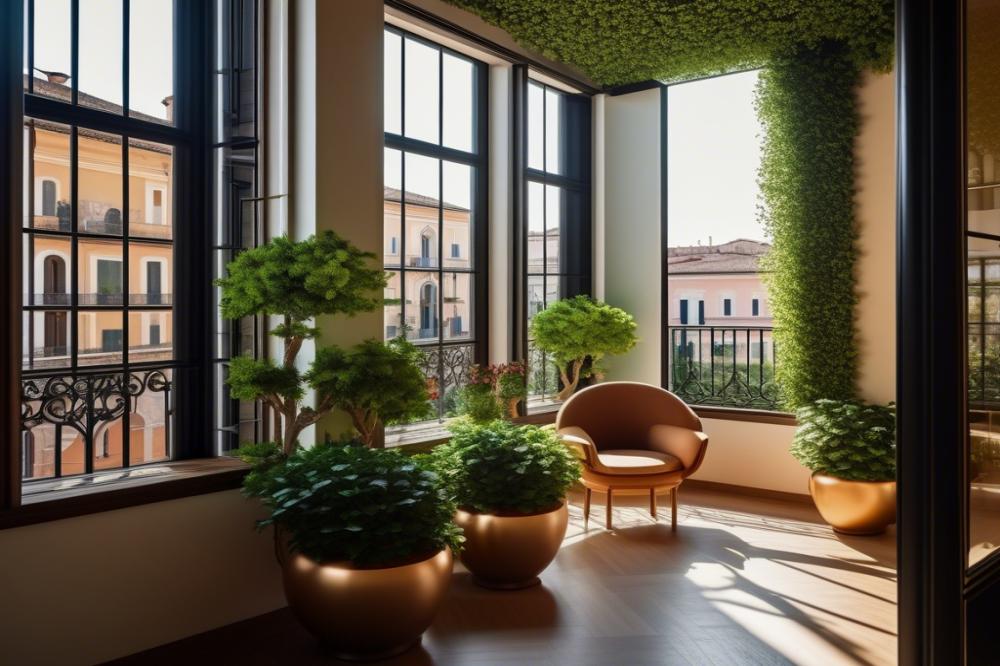
How Italian Architects design Cat-Friendly Spaces
Cats hold a special place in Italian culture. They roam through ancient streets and modern neighborhoods alike. Their presence adds warmth and charm to both urban and rural areas. Many people view them as symbols of good luck and companionship. This connection to feline friends influences various aspects of Italian life, including architecture.
designing cozy environments that cater to these beloved pets is gaining popularity. Pet-friendly spaces are now a priority for many homeowners. In cities, where urban living often leaves little room for furry companions, creating dedicated feline spaces becomes essential. A focus on functionality in interior design helps harmonize human and cat needs.
Italian Architects are increasingly aware of this demand. They incorporate sustainable design principles and ergonomics into their work. By blending these elements, they enhance the quality of life for both residents and their pets. The goal is to create environments that are not only beautiful but also comfortable and livable. Cats thrive in areas that are thoughtfully planned, allowing them to explore and engage with their surroundings.
As the trend continues, we see innovative approaches to home decor that prioritize the comfort of cats. Nooks, climbing shelves, and window perches can provide entertainment and relaxation for them. Ultimately, this evolution in architecture reflects a broader understanding of companionship and the joy that pets bring to our lives.
Italian Architects and Feline Spaces

Designing for cats can be an interesting challenge. Architects consider the needs of pets in many new projects. Cats enjoy spaces that allow for climbing, hiding, and watching the world. To create these environments, some focus on integrating feline-friendly features into homes.
Numerous architects have made a name for their pet-friendly approach. For example, Renzo Piano, known for his thoughtful designs, often includes elements that cater not just to humans but to furry friends. His layouts provide cozy nooks that can serve as perfect spots for cats to rest or play. Similarly, Patricia Urquiola often blends functionality with style. Her interior design encourages homeowners to think about how their pets interact with everyday spaces.
Ergonomics plays a vital role in creating comfortable environments for cats. Furniture that offers easy access to elevated surfaces is key for our feline companions. This can mean lower shelves or even ramps built into the home’s layout. Thoughtful placements of window perches can give cats the sunshine they crave while offering a view of the outside world.
Moreover, sustainable design principles often align with creating cozy environments for pets. Natural materials are not only pleasing to the eye but also safer for animals. Open spaces can reduce stress for both pets and their owners. Incorporating elements such as shelves and vertical spaces encourages urban living while providing a playground for pets.
Incorporating these ideas makes everyday life enjoyable for both humans and their furry companions. When architects keep felines in mind, everyone benefits. Every detail from window placements to the height of a shelf can create a harmonious home. This shift towards cat-friendly design reflects a growing awareness of the lives we share with our pets.
Sustainable Design for Cats

Creating spaces that cater to both cats and their humans involves sustainable design principles. These principles not only promote green building practices but also enhance the overall living experience. Urban living spaces can benefit greatly from such approaches. A pet-friendly home provides comfort while considering the environment. Integrating eco-friendly materials can lead to significant health benefits for everyone.
Choosing materials that are free of harmful chemicals is essential. Cats are sensitive to their environments, and their health matters. Interior design choices often involve natural fabrics and finishes. Elaborate wooden structures or recycled materials can create cozy environments. These selections contribute both to feline happiness and human well-being.
Furthermore, ergonomics play a vital role in shaping feline spaces. Furniture designed with both comfort and accessibility in mind helps cats navigate their surroundings. Shelves placed at various heights allow kitties to explore safely. The idea is to create an environment that mimics their natural habitats while still fitting urban lifestyles.
Bringing nature indoors is another key aspect. Plants can enhance home decor, offering not just beauty but places for cats to explore and perch. Additionally, incorporating lots of sunlight helps create a warm, inviting atmosphere. Greenery purifies air and reduces stress levels for both pets and their humans.
Implementing these sustainable design strategies leads to a healthier home for all. Cats thrive in lively, engaging environments, which makes thoughtful architecture crucial. Urban dwellers can enjoy peaceful retreats that prioritize the needs of their furry companions. This combination of functionality and aesthetics defines modern living spaces that appeal to both people and pets.
Interior Design and Home Decor

Creating cozy environments for cats is an essential part of modern interior design. Home decor can be both aesthetic and functional. Integrating feline-friendly features often leads to harmonious spaces. Soft furnishings and warm colors set a welcoming tone. Cat trees and scratching posts blend well with other design elements. These pieces provide comfort for pets without clashing with resident decor.
The choice of furniture plays a crucial role in pet-friendly architecture. Residents can opt for sofas with durable fabrics that withstand scratches. Low-profile coffee tables can serve multiple purposes, including a resting spot for cats. Wall-mounted shelves offer great vertical spaces for feline exploration. Arranging comfortable napping spots near windows encourages cats to lounge and bask in sunlight.
Designing spaces that promote play and exploration requires a user-friendly layout. Open floor plans offer plenty of room for playful antics. Hidden toys and interactive decor stimulate curiosity and keep cats entertained. Investing in sustainable design principles can benefit both animals and the environment. Use of natural materials not only adds beauty but also enhances safety for pets.
In urban living, maximizing space is crucial. Consider incorporating foldable furniture that can accommodate visitors. Easy-to-move items allow for quick changes in layout without sacrificing comfort for pets. Decorate with plants that are safe for cats, creating a lively atmosphere. Textured surfaces invite sensory exploration, making even small spaces engaging for them.
Furnishing a home for both residents and pets requires thoughtfulness. Ergonomics must blend with functionality. Keep pathways clear to encourage movement and play. A well-designed environment reflects an understanding of the needs of everyone in the household. By balancing aesthetics with pet-friendly features, architects create spaces that everyone loves.
Urban Living and Feline Considerations

Urban living presents a variety of challenges for our feline friends. Cats often struggle with small, cramped spaces that don’t provide enough room for them to roam or explore. City life can be noisy and chaotic, which may cause anxiety for some pets. Italian architects are addressing these issues through innovative and thoughtful design.
Challenges of Urban Living for Cats and Design Solutions
Living in high-rise apartments often leaves little room for a cat’s natural instincts. Climbing, scratching, and playing are vital for their well-being. Designers are increasingly incorporating cat-friendly features into new buildings. Some utilize vertical spaces by creating shelves or platforms for climbing. Others focus on open layouts that allow for more movement and natural light. These changes promote healthier lifestyles for cats in urban settings.
Creating Safe Outdoor Spaces for Cats in City Settings
Cats crave outdoor exploration. However, traditional city environments can be dangerous. Some architects introduce enclosed balconies or catios, which are secure outdoor spaces. These structures give cats the chance to enjoy fresh air while being protected from urban hazards. Additionally, green roofs and shared gardens can also help create cozy environments that welcome feline inhabitants.
Adapting Existing Homes to Become More Cat-Friendly
Many city dwellers already own cats but find their homes less suitable. Adapting existing interiors is key. Simple modifications make a big difference in creating pet-friendly spaces. Cat trees can be integrated into existing furniture. Shelves can be added near windows for lounging and observing nature. Thoughtful home decor can promote safety and comfort without sacrificing aesthetics.
Designers also focus on sustainable design. Using environmentally friendly materials not only benefits cats but the planet as well. Ergonomics play a role in planning spaces that cater to both humans and pets, ensuring everyone enjoys their living area. Overall, blending functionality with beauty allows for the creation of spaces that feel inviting and comforting for both cats and their owners.
Case Studies of Cat-Friendly Italian Homes
In Italy, many homeowners are discovering how architecture can cater to their feline companions. Innovative designs in existing homes reveal a growing trend that addresses both comfort and functionality for pets. For instance, a famous project in Milan features a compact apartment with built-in ledges and climbing structures. This design encourages cats to explore vertical spaces while creating a playful atmosphere. Pet-friendly elements are not just an afterthought; they are meticulously integrated into the overall home decor.
Examples of Innovative Designs
One noteworthy example is a stunning villa near Florence. Here, the owners have incorporated wide windows that allow natural light to flood the interiors. Rectangular nooks placed along the walls serve as cozy spots for cats to lounge. Urban living often poses challenges for pet ownership, but this home shows that it doesn’t have to be that way. Outdoor spaces are equally important. A secure balcony with a dedicated catio lets felines enjoy the fresh air safely.
Features for Cat Comfort and Safety
Comfort and safety are paramount in these designs. Features like climbing shelves and hammocks offer both fun and relaxation for cats. The materials chosen for these spaces prioritize ergonomics, ensuring that every element supports the well-being of pets. Soft textures and safe finishes reduce the likelihood of injuries. Also, litter boxes are discreetly integrated into cabinetry, maintaining the livability of the space while keeping the area tidy.
Feedback from Cat Owners
Many cat owners have shared their experiences in these environments. One resident of a Rome apartment noted how her cats love the climbing structures and expansive window seats. She appreciates how the design creates a harmonious atmosphere for both humans and pets. Owners often mention the joy of watching their cats play and explore in their transformed spaces. Feedback reveals that when spaces cater to feline needs, all inhabitants feel more at ease.
Final Thoughts on Cat-Friendly Design
Understanding the need for cat-friendly elements in design is crucial in Italy. Cats are popular pets, and their comfort should not be an afterthought in architecture. When spaces are designed with these animals in mind, it can improve the quality of life for both pets and their owners.
Positive changes continue to emerge within architectural trends. More designers are looking to create pet-friendly environments that cater to the needs of all inhabitants. This shift is not merely about aesthetics. It also reflects a growing recognition of the bond between humans and their furry companions.
Innovations in feline-friendly environments are essential. Designers must embrace new ideas and explore creative solutions. Diverse and adaptable features will allow these spaces to evolve along with pet owners’ lifestyles. As architects move forward, pushing boundaries will lead to even greater outcomes.
The future looks bright for Cat-Friendly Spaces in Italy. There is a clear opportunity for architects to enhance their approaches. With encouragement and dedication, the possibilities are endless. Ultimately, successful integration of cat-friendly designs fosters harmony within the home. When attention is paid to our feline friends, everyone benefits.

