

Introduction
In Italy, the cultural significance of Cats is vast and captivating. These creatures have held a special place in the hearts of many. Over the centuries, they have woven themselves into everyday life, representing various aspects of Italian Folklore and traditions.
Household Cats often symbolize independence and mystery. Their graceful movements and quiet demeanor have inspired countless stories and lore. People cherish these animals not just as pets but as bearers of deeper meanings and beliefs.
Folklore tales often feature cats in roles that highlight their cleverness. Myths surround them, illuminating their connections to witchcraft and the supernatural. The duality of their nature makes them fascinating subjects of both admiration and superstition.
Cultural beliefs regarding felines can range from protective to ominous. Some view a black cat crossing one’s path as a sign of bad luck. Others see it as a protective spirit watching over the household. These conflicting superstitions reflect the complexities found within Italian mythology.
Exploring this intricate relationship reveals how deeply embedded these creatures are in regional traditions. The stories passed down through generations carry messages about life’s mysteries and the bond between humans and animals. In every corner of Italy, these themes resonate, making cats truly significant in the nation’s cultural tapestry.
Historical Context of Cats in Italy

For centuries, cats held a significant place in Italian households. These animals served an important purpose in daily life. They were especially valuable for their ability to keep vermin at bay. In agrarian societies, households relied on them to protect food supplies from pests. Their instinctual hunting skills made them indispensable companions in kitchens and granaries.
Within the realms of folklore tales, felines took on roles that went beyond mere utility. They were often seen as creature spirits associated with various cultural beliefs. In many households, they became symbols of good luck. superstitions surrounding these animals grew over time, intertwining with local traditions. For example, some people believed that seeing a black cat was a sign of prosperity, while others saw it as an omen.
Ancient Roman beliefs greatly influenced the fascination with these creatures. Mythology often portrayed them as protectors of the home and guardians of domestic peace. Romans regarded them as sacred animals, celebrating their grace and independence. Such reverence laid the groundwork for the feline symbolism that persisted through the ages. Social connections formed between people and their pets transcended practical needs and developed into deep emotional bonds.
The connection between cats and witchcraft cannot be overlooked. In the medieval period, many associated these animals with witches and dark magic. Their enigmatic presence in homes fueled the imagination, leading to stories filled with mystery. Some believed that these creatures possessed supernatural abilities. This complicated relationship, rooted in historical context, contributed to how society viewed and treated them over generations.
Cats in Italian Folklore Tales

Italy’s rich tapestry of folklore features several enchanting tales involving these furry companions. Various stories highlight their unique roles throughout history. In many narratives, household cats serve as protectors that ward off negative energies. Local beliefs often view these creatures as symbols of good fortune, enhancing their status in cultural tales. In rural communities, people believe a cat crossing one’s path brings luck, while others fear it could be an omen of bad things to come.
Popular Folklore Tales Featuring Felines
Classic folklore often portrays cats as mystical beings intertwined with witchcraft and magic. In one well-known story, a cat is said to transform into a wise old woman at night, bestowing gifts upon kind villagers. This tale reflects broader themes in Italian mythology, where supernatural elements coexist with everyday life. Another favorite is about a clever cat outsmarting a greedy thief, emphasizing intelligence and cunning over brute force.
Storytelling Traditions Involving Felines
Oral storytelling has kept these tales alive, passed down through generations. Families gather around hearths, sharing stories with a twinkle in their eyes as they recount the adventures of mischievous cats. Festivals also celebrate these legends, bringing communities together to honor their traditions. Musicians often incorporate feline themes into folk songs, creating a lively atmosphere and expanding the tales’ reach.
Analysis of Cat Characters and Their Representation
Characters in these narratives often exhibit dual natures. Some embody wisdom and protectiveness, while others may represent aloofness and secrecy. Cultural beliefs surrounding cats are layered, connecting them deeply to the idea of animal spirits. Such symbolism resonates through many Italian households, where pets are not just animals but also spiritual guides. This complexity adds depth to their stories, demonstrating how these creatures are woven into the fabric of Italian life.
Superstitions and Cultural Beliefs

Common Superstitions Related to Cats in Italy
In Italy, many superstitions surround these animals. One prevalent belief suggests that a black cat crossing your path can bring bad luck. Some people go as far as to turn around to avoid the misfortune they expect. However, other locals see black felines as good omens, particularly in specific regions. For instance, in Naples, spotting a black cat is said to signal a forthcoming fortune.
Feline Symbolism and Its Ties to Luck and Protection
Felines play a vital role in Italian folklore. Often viewed as symbols of luck, they have a long history tied to protection from evil spirits. Beliefs in ancient mythology position these creatures as protectors of the household. Their ability to hunt mice and other pests adds to this image. During certain festivals, images of cats adorn homes to ward off negative energy.
Regional Variations in Beliefs About Cats Across Italy
Italy boasts a variety of regional beliefs concerning these animals. In Sicily, many people believe having a household cat brings prosperity. Stories often tell of cats guiding lost souls, connecting them to the world of the dead. However, in the northern parts of the country, some view them as companions with ties to witchcraft. This duality in perceptions showcases the rich tapestry of Italian culture. Folklore tales across regions highlight how these beliefs shape the way communities interact with the world around them.
The Connection Between Cats and Witchcraft
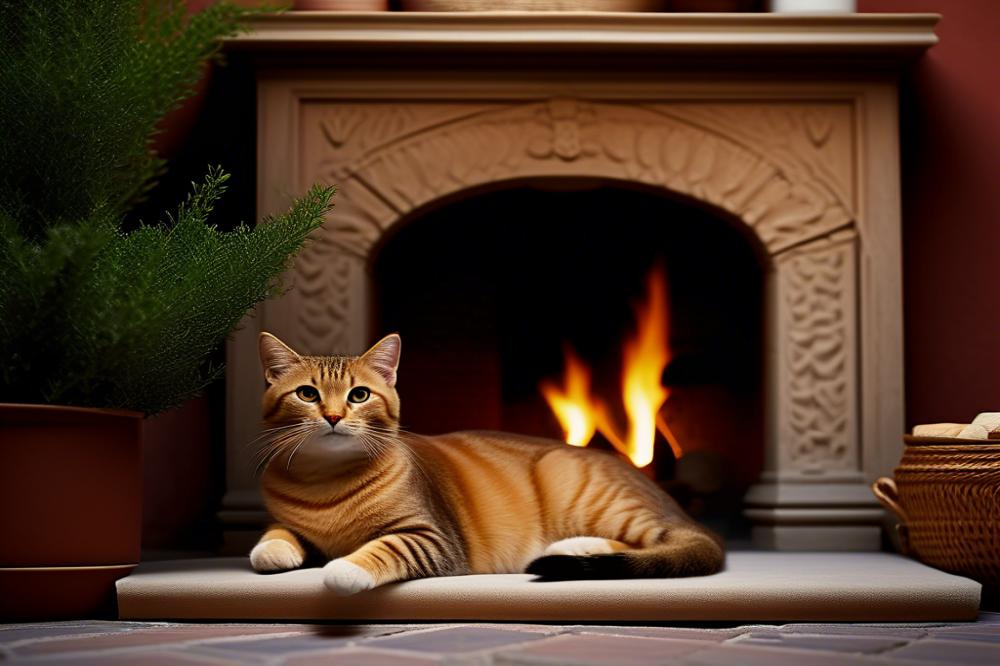
In Italian culture, a deep historical association exists between cats and witchcraft. These small animals were often viewed with suspicion, linked to superstitions that painted them as mystical companions to witches. Folklore tales from various regions highlight how household cats were believed to serve dark purposes, especially during the Middle Ages. In those times, people connected these felines to the practice of witchcraft, portraying them as the favored familiars of sorceresses.
Mythology played a significant role in shaping these beliefs. Many saw cats as bridging the gap between the physical world and the spiritual realm. In some areas, they were considered animal spirits, guiding lost souls or acting as protectors in rituals. Their presence in the home was thought to bring both fortune and misfortune, striking a balance in the mystical forces surrounding daily life.
These cultural beliefs had a profound impact on social attitudes toward these creatures. Areas with strong witchcraft fears often led to increased superstition surrounding cats. They were sometimes viewed as omens, with many avoiding them altogether for fear of being marked by evil or attracting unwanted attention from supernatural forces. This led to a complicated relationship—while some adored their feline friends, others treated them with apprehension.
Feline symbolism remains a powerful aspect of Italian folklore. Throughout various traditions, these animals have been celebrated and also demonized. In some stories, they symbolize independence and cunning, traits admired by many. However, in darker tales, they epitomize treachery and misfortune, further intertwining their identities with witchcraft. Such contrasts make them central figures in the rich tapestry of Italian folklore.
Household Cats and Their Significance
Cat ownership has long been cherished in traditional Italian households. In these homes, these animals serve more than just a pet role. Many families view them as companions that bring good fortune. Cultural practices reveal how deeply integrated they are in daily life.
Care and treatment of these beloved creatures reflect a rich heritage. Italians often believe in feeding them high-quality food to show respect. Daily rituals might include setting aside portions of their meals or offering special treats. This demonstrates a connection that goes beyond mere ownership.
Folklore tales often surround the presence of felines in the home. Many Italians believe that a cat can protect against evil spirits. In this context, guardianship is an important component of their mythology. Superstitions abound, such as the idea that a cat crossing your path could bring misfortune, while having one in the house wards off negative energy. These ideas contribute to unique views on the creature’s role in family life.
Cultural beliefs regarding animal spirits often link to these traditions. In some parts of Italy, cats are seen as symbols of luck and fertility. Their intuitive nature is thought to connect them to witchcraft, making them special in the eyes of locals. As protectors, they watch over the household, providing a sense of security.
Through generations, Italy has celebrated this remarkable bond. A cat’s presence is not only a matter of companionship but a source of cultural pride. Understanding these varied beliefs illuminates how deeply woven this relationship is into the fabric of Italian life. Thus, household cats are seen as much more than pets; they are vital figures in the tapestry of customs and folklore.
Final Thoughts on Cats in Italian Culture
The exploration of cats reveals their significant place in Italian folklore and traditions. They have often been viewed as symbols of mystery and independence. Superstitions surrounding these animals add layers to their cultural presence. In some communities, a black cat crossing one’s path is seen as bad luck, while in others, it is a sign of good fortune.
These beliefs reflect a deeper connection between people and their environment. Cats are not just pets in Italy; they embody stories, rituals, and historical lessons passed down through generations. Their roles range from protectors of grain to mystical companions in tales. This unique duality combines the everyday life of families and the realm of the supernatural.
Enduring cultural significance comes through in how people view these creatures. Cats are associated with both the domestic and the divine. They bridge the gap between the ordinary and the extraordinary, making them cherished in households across the country.
As we look to the future, the fusion of mythology and superstition with everyday life continues to evolve. The stories told about these fascinating animals still resonate today. Cats will likely remain a vital component of Italian culture, reflecting both human fears and aspirations. Their presence reminds everyone of the rich tapestry of life, woven with beliefs, traditions, and a touch of magic.

