

How Italian castles Are Used Today: From luxury hotels to cultural venues
Overview of Italian castles and Their Historical Significance
Italy boasts an impressive array of castles that illustrate its rich history. These structures originally served as fortifications, guarding against invasions and wars. Many were built during the Middle Ages, showcasing the architecture and cultural influences of that era. Because of their grandeur and strategic locations, they have become vital heritage sites.
As centuries passed, the purpose of these fortresses evolved. Many turned into luxurious residences for noble families, reflecting their wealth and power. Today, visitors marvel at their unique beauty and great historical significance. The transformation of such sites into event spaces demonstrates the balance between preservation and modern tourism demands. Castles also enrich the cultural landscape, serving as locations for art exhibitions, concerts, and festivals.
Romantic getaways in these historic settings are increasingly popular. Tourists immerse themselves in the atmosphere, connecting with Italy’s past. Wine country surrounds many castles, adding to the appeal with culinary experiences and regional delicacies. Each visit provides an opportunity to appreciate both the architecture and the stories that linger within the stone walls.
In recent years, the concept of these structures has shifted even further. Some have been converted into luxury hotels, allowing guests to experience a taste of aristocratic life. This trend supports historic preservation while promoting tourism, ensuring these castles can be enjoyed for generations to come. By adapting to modern needs, they remain significant parts of Italy’s identity.
The Role of Italian Castles in Tourism

Italian castles serve as significant draws for tourists from around the globe. Their rich architecture and captivating history make them appealing to visitors seeking unique experiences. Ancient stone walls, soaring towers, and picturesque landscapes enchant travelers and create lasting memories.
Many heritage sites offer more than just a glimpse into the past. They host cultural venues where events and exhibitions celebrate local traditions. Tourists enjoy exploring these spaces, which often feature artwork, performances, and educational programs. Such activities enrich the visitor experience and foster a deeper appreciation for Italy’s historical legacy.
Among the most popular castles are those that double as romantic getaways. For instance, Castello di Amorosa in Napa Valley blends a castle’s charm with the allure of wine country. Visitors can wander through vineyards while savoring culinary experiences. This combination makes for a delightful retreat.
Another remarkable destination is the medieval Castello di Fenis in Aosta. Its striking architecture draws many fans of history and photography. The guided tours highlight the castle’s past, providing fascinating insights into feudal life. Travelers leave with an enhanced understanding of the region’s cultural heritage.
Each landmark in the Italian landscape contributes to the vibrant tourism scene. Castles amplify the country’s appeal, especially to those interested in both leisure and education. Discovering the stories behind these structures enriches any itinerary. As tourists explore the ancient halls, they partake in a living narrative that spans centuries.
Events also take center stage at various castles. Many have adapted, offering event spaces for weddings and corporate gatherings. This versatility attracts diverse groups while preserving the sites’ historical integrity. Whether it’s a lavish ceremony or a small reunion, these locations provide a stunning backdrop.
In recent years, the importance of historic preservation has gained momentum. Organizations and local governments work diligently to maintain these structures. Protecting cultural significance ensures that future generations can appreciate Italy’s rich heritage. Thanks to these efforts, castles continue to thrive as tourism hubs while keeping history alive.
Ultimately, Italian castles embody a blend of beauty, history, and culture. They are essential pieces of the tourism puzzle, captivating both new visitors and returning fans alike.
Luxury Hotels and Romantic Getaways

Across Italy, many castles now serve as luxury hotels, transforming historic sites into extravagant escapes. These majestic venues often boast stunning architecture that reflects the rich history of the region. Guests can find beautifully restored suites adorned with period furnishings. Each room tells a story, offering a glimpse into the past while providing modern comforts.
A variety of amenities make these historical accommodations stand out. Visitors can indulge in spa treatments that relax and rejuvenate. Fine dining options showcase local culinary experiences. Often, chefs prepare dishes featuring ingredients sourced from nearby farms or vineyards. This connection to the land enhances the overall experience, especially in famous wine country destinations.
The ambiance of these historical venues creates a romantic setting for couples. Soft lighting and breathtaking views can turn any stay into a memorable getaway. Many castles are nestled in picturesque hills, offering privacy and tranquility. Outdoor terraces provide the perfect backdrop for intimate dinners under the stars.
Event spaces within these castles often host weddings, corporate retreats, and private gatherings. The combination of history and elegance attracts many tourists looking for extraordinary experiences. Each event benefits from the charm and splendor of the surroundings, making it truly unforgettable.
As cultural venues, these sites often participate in local festivities. Guests have the opportunity to engage with heritage sites through guided tours and workshops. Passionate historians share stories about architecture and history, deepening the visitor’s appreciation of the location.
Staying in a castle offers more than just luxury. It allows travelers to connect with Italy’s rich narrative while enjoying their stay. The blend of historic preservation and modern hospitality creates an enticing atmosphere. Many visitors leave not only with memories but also a greater understanding of the culture.
Cultural Venues and Events Spaces
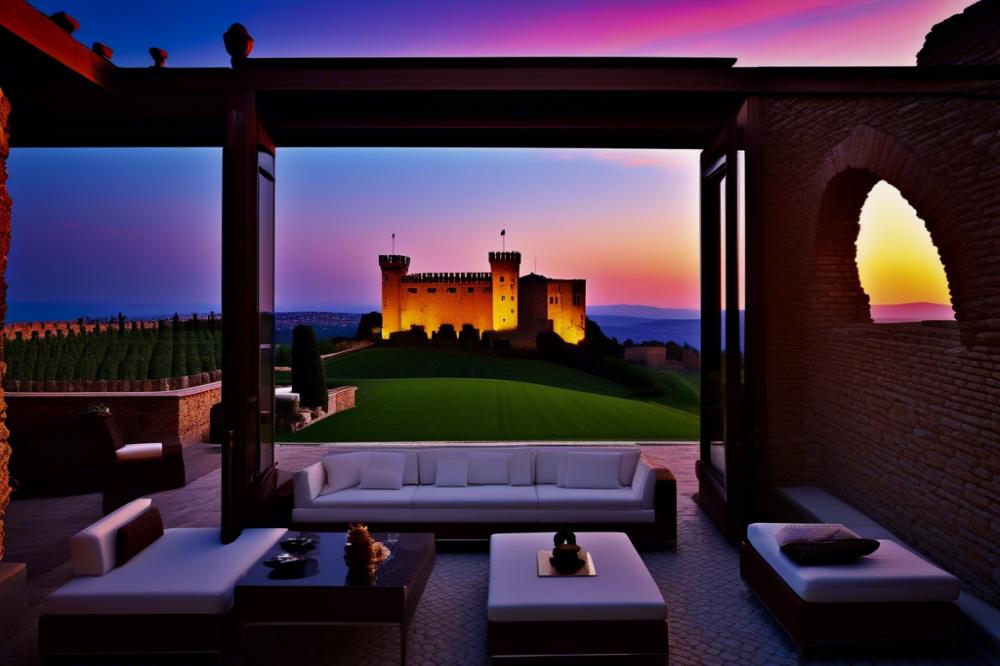
Italian castles serve more than just a window into the past. Many have transformed into vibrant cultural venues. These historic sites often host weddings, corporate retreats, and art exhibitions. Couples seeking romantic getaways find that what could be more enchanting than a castle wedding? The grand architecture and stunning landscapes create a fairytale atmosphere for special days.
Corporate retreats also find a home in these majestic structures. Businesses recognize the value of working in inspiring settings. Board meetings conducted within castle walls can foster creativity and strengthen teamwork. It may seem unusual, but companies often choose heritage sites for team-building experiences. Such locations can boost morale and inspire innovation.
Art exhibitions add another layer of cultural significance. Many castles open their doors to local and international artists. These showcases allow guests to engage with multiple forms of creativity. Art in such historic venues promotes local culture. It enables communities to connect with their heritage while attracting tourism.
Culinary experiences within these spaces further enrich the offerings. Some castles feature restaurants that highlight regional cuisine. Diners can savor dishes prepared with local wines. Many castles are set amidst picturesque wine country, enhancing the experience with stunning views. Blending food and culture creates a unique experience for visitors.
Those who manage these event spaces recognize their role in historic preservation. Transforming castles into functional venues brings awareness to their significance. It helps maintain these ancient structures for future generations. Each gathering or exhibition tells a story and creates memories within these storied walls. Through events, castles play a vital part in keeping history alive.
Culinary Experiences and Wine Country
Italy is known for its rich history, stunning architecture, and delectable cuisine. Castles sprinkled throughout the countryside now cater to food enthusiasts. Many have transformed their spaces into elegant restaurants that spotlight regional flavors. These venues create unforgettable culinary experiences that draw in both locals and tourists.
Wineries nestled within rolling hills often work closely with these historic properties. Guests can savor exquisite meals paired with handcrafted wines, enhancing the dining experience. Visitors enjoy the chance to taste local products while immersing themselves in the surrounding beauty. The role of these castles is more than just providing food; they are part of a larger movement towards culinary tourism.
Situated in famous wine country, these venues highlight the connection between food and culture. Castles like Castello di Amorosa in Tuscany feature menus inspired by traditional recipes. Patrons can dine in opulent rooms adorned with ancient stone walls, feeling the weight of history around them. Therefore, the atmosphere alone elevates the meal.
Wine tastings are another popular attraction. Visitors delight in sampling robust red wines and crisp whites, guided by knowledgeable staff. Education about the wine-making process adds another layer to the experience. Regional wines can reveal much about local soil and climate, making each sip a journey into the area’s heritage.
Event spaces located within these heritage sites host a variety of gatherings. Their romantic ambiance makes for unforgettable weddings or special celebrations. Moreover, themed culinary events bring people together to enjoy not just food, but the history behind it. In this way, the venues preserve their past while embracing the present.
Travelers seeking unique experiences often find themselves at these culinary gems. Each visit provides a chance to learn about the history of the castle and the region. Enjoying fine cuisine in such a majestic setting creates a lasting impression. Italian castles play a significant role in promoting regional cuisine, making them more than just relics of the past.
In summary, the integration of culinary experiences into tourism offers something special. Destination dining creates memories that blend food, history, and beautiful landscapes. Castles serve as beacons of culture and tradition. They welcome everyone to partake in Italy’s vibrant culinary scene.
Historic Preservation and Future Prospects
The preservation of historic sites in Italy is a crucial task for many communities. Efforts are being made to maintain these structures while also allowing for modern uses. Restoration projects often blend old architecture with new technology. This helps in keeping the history alive while making castles relevant today.
Some castles are not just relics of the past. They serve as event spaces for weddings and corporate functions. This shift has opened up opportunities for income while attracting visitors. Many castles also double as luxury hotels, providing romantic getaways amid stunning landscapes. In regions known for their wine country, guests can enjoy culinary experiences alongside breathtaking views of the hills.
Balancing tourism with historic preservation is no easy task. Some worry that commercialization might alter the unique nature of these sites. Communities and organizations strive to find a middle ground. They want to attract visitors without sacrificing authenticity. This is especially true for heritage sites that tell a story spanning centuries.
Looking ahead, the future of these remarkable venues appears promising. Interest in cultural venues continues to grow globally, and Italy is no exception. Predictions suggest more castles will be transformed into hubs for art and history exhibitions. By focusing on education and engagement, these venues can thrive.
There’s also the potential for increased collaboration between local governments and private investors. Such partnerships could bring about innovative ideas for preserving and promoting these historic places. Tourism is likely to play a significant role in this evolution. As more people seek unique experiences, Italian castles may find new ways to celebrate their rich histories while captivating modern audiences.
Reflection on the Contemporary Role of Castles
Italian castles have transformed over the years. They now serve a variety of functions, proving their significance in today’s world. Visitors flock to these historic sites, drawn not only by their beauty but also by what they offer. Luxury accommodations await those seeking a unique getaway. Many places have been revamped into exquisite hotels, where history meets modern comfort. Guests can wake up to stunning views and immerse themselves in a world of elegant architecture.
Cultural venues within these castles provide a hub for artistic and social events. Festivals, concerts, and art exhibits often take place in their grand halls. These activities breathe new life into ancient stones, attracting diverse audiences. Locals and tourists alike get the chance to enjoy music and heritage in an extraordinary setting. Such gatherings remind us of a shared culture and lasting traditions.
Historic preservation remains vital for safeguarding these treasures. As more castles adapt for contemporary use, it is critical to respect their origins. Efforts are made to maintain the essence of each site, allowing history to remain a part of everyday life. Focusing on conservation ensures that future generations can enjoy these magnificent structures.
In sum, the ongoing relevance of these landmarks lies in their ability to adapt. They are more than relics of the past; they are dynamic spaces filled with life, art, and history. Castles enhance tourism, offer venues for cultural expression, and preserve the legacies of those who came before. Their enduring charm continues to captivate hearts, bridging the gap between past and present.

