
Introduction
Italy is renowned worldwide for its rich culinary heritage. Dining in this beautiful country involves more than just the food; it’s a cultural experience. From the hearty pasta of the north to the vibrant seafood of the south, every region boasts its own flavor. Among these delightful ingredients, one stands out in the realms of sweets: hazelnuts. The use of this nut has greatly impacted Chocolate-bars-over-the-decades”>Italian desserts, crafting a unique place for hazelnuts in confectionery.
Sweets like Nutella have made these nuts popular across the globe. People often enjoy it on their breakfast toast or in decadent recipes. gianduja, a delicious blend of Chocolate and hazelnuts, is another example of the remarkable creations born from this ingredient. It gives life to praline, enhancing both texture and flavor in various treats. Bakeries overflow with pastries infused with this delightful nut, showcasing its versatility.
Ferrero Rocher stands as a symbol of elegance in the world of gourmet chocolates. Each bite offers layers of flavors, bringing together chocolate and hazelnuts in a memorable experience. Biscotti, those delightful crunchy cookies, also find unique combinations with ingredients featuring this nut. Through these examples and many more, the Italian love for hazelnuts has paved the way for iconic sweet treats. This nut is not just a flavor; it is a cornerstone of Italian sweets.
The Role of Hazelnuts in Italian Confectionery

Historically, hazelnuts have held a special place in Italian culture. Ancient Romans even recognized their value, using these nuts in various dishes. Over centuries, this fondness evolved into a deep connection with sweet delights. Treats like gianduja came from combining hazelnuts with chocolate, showcasing their extraordinary flavor together.
In addition to their rich history, these nuts offer impressive nutritional advantages. They are loaded with healthy fats, vitamins, and minerals. When incorporated into recipes, they not only enhance taste but also boost nutritional profiles. This versatility makes them a prized ingredient in creating gourmet products like praline and indulgent pastries.
Regions Known for Hazelnut Production
Italy boasts several regions famous for their hazelnut crops. Piedmont is particularly renowned, especially for its high-quality varieties. Locations like the Langhe area produce nuts that are pivotal to sweet treats like Nutella and Ferrero Rocher. Their cultivation thrives in this rich soil, ensuring a compelling flavor.
Other regions, such as Campania and Lazio, also contribute to Italy’s hazelnut scene. They help create delicious biscotti and specialty desserts, showcasing the country’s culinary mastery. Italian cuisine is further enriched by the use of these nuts in a range of confections, capturing the hearts and taste buds of people everywhere.
Overall, the presence of hazelnuts remains integral to Italy’s confectionery art. Their unique qualities support the creation of beloved sweets, becoming symbols of Italian indulgence. Enjoying these delights is a wonderful way to experience the rich traditions and flavors of Italy.
Iconic Hazelnut-Based Sweet Treats

Nutella: The Global Phenomenon
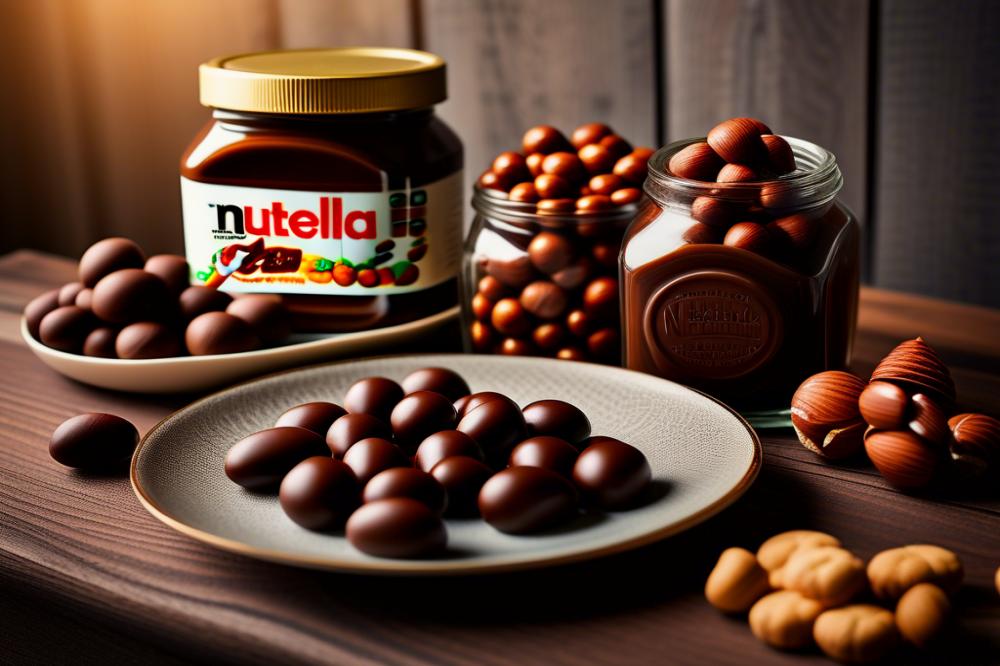
Nutella is more than just a spread. This chocolate-hazelnut delight has captivated taste buds worldwide. Originating in Italy, its creamy texture and rich flavor make it a breakfast staple for many. People love spreading it on toast or enjoying it straight from the jar. Its charm lies in its versatility. It pairs well with fruits, pancakes, and even desserts. Nutella has become a global icon, representing a unique blend of sweetness and nostalgia.
Gianduja: The Chocolate-Hazelnut Tradition
Gianduja is a cherished part of Italian cuisine. This creamy confection combines chocolate and ground hazelnuts, creating a luxurious treat. Originating from the Piedmont region, its history dates back to the early 1800s. Chocolatiers created it as a way to stretch limited cacao supplies. The flavor is smooth, rich, and utterly irresistible. Gianduja can be found in many forms, including chocolate bars and truffles.
Praline: The Luxurious Confectionery
Praline represents sophistication in sweets. This candy brings together a crunchy coating and a delightful filling, usually composed of caramelized nuts. Italian pralines often feature hazelnuts as a star ingredient. They are chewy, delectable, and offer an elegant taste experience. Treating yourself to these confections feels indulgent, making them popular gifts for special occasions.
Ferrero Rocher: A Symbol of Gourmet Indulgence
Ferrero Rocher has become synonymous with luxury. Each piece embodies layers of textures and flavors, featuring a whole hazelnut at its center. This chocolate ball is covered in a shiny gold wrapper, making it visually stunning. The combination of creamy chocolate and crunchy textures makes it stand out among other sweet treats. Sharing Ferrero Rocher at gatherings elevates any celebration and shows thoughtfulness.
Biscotti and Pastries Featuring Hazelnuts
Biscotti are traditional Italian cookies that often include nuts. Hazelnuts add a delightful crunch and flavor to these twice-baked treats. Many recipes showcase this delightful ingredient, making each bite satisfying. Pastries, too, frequently feature this nut, enhancing desserts with texture and taste. From tarts to layered cakes, the influence of hazelnuts enriches the entire range of Italian sweets. Each confection offers a piece of Italy’s rich culinary heritage.
The Fusion of Hazelnuts with Other Ingredients
Combining hazelnuts with chocolate creates rich, irresistible flavors. Nutella serves as one of the most famous examples of this delightful union. Its creamy texture and sweet notes make it a favorite for many. Gianduja, another Italian invention, mixes chocolate and hazelnuts to form a smooth blend that is truly remarkable. This combination enriches pastries and chocolates alike.
Beyond chocolate, sweet treats often include other nuts and fruits. Biscotti, for instance, may have hazelnuts paired with almonds, bringing a crunchy texture to each bite. Likewise, the incorporation of fruits like orange zest or figs can further enhance these desserts. Ferrero Rocher exemplifies this idea, encasing hazelnut praline in a crisp shell, making each treat a luxurious experience.
Modern Italian cuisine embraces innovation, pushing the boundaries of traditional desserts. Bakers experiment by infusing hazelnuts into cakes and creamy mousses. Gourmet offerings now feature unexpected flavors, such as rosemary or coffee, paired with hazelnuts. The vast array of techniques and combinations reflects the evolving landscape of sweet treats.
Inbakery, the use of hazelnuts shows no signs of slowing. From artisanal praline to elaborate pastries, there is something for everyone. Unique creations pop up in local patisseries, enticing the eyes and taste buds alike. This fusion carries a rich history, yet remains vibrant and fresh in today’s dessert culture.
Cultural Significance and Modern Trends
Hazelnuts in Italian Cuisine Beyond Sweets
Italy’s love for nuts spreads across various dishes, not just desserts. Chefs incorporate these flavorful nuts into savory dishes, enhancing pasta sauces and salads. A classic example is pesto, which often includes them for added richness. Furthermore, regional breads sometimes use them, bringing a delightful crunch to traditional recipes. Using this ingredient in unique ways showcases its versatility.
The Evolving Landscape of Italian Confectionery
The world of Italian sweets is rapidly changing. While classics like biscotti remain beloved, new innovations are emerging. Nutella, a creamy spread, has transformed breakfast tables and dessert menus alike, pushing boundaries. Gianduja has also taken center stage, merging chocolate with nut flavors to create something truly special. Ferrero Rocher, with its delicate layers, continues to charm many across the globe.
Trends and Innovations in the Use of Hazelnuts
Modern trends reflect a growing interest in gourmet sweets, where hazelnuts play a starring role. Praline, often found in upscale chocolates, is gaining attention for its rich, nutty flavor. These days, innovative pastry chefs are experimenting with textures and flavors, crafting delightful pastries that excite the palate. Consumers now seek out sweets that blend tradition with creativity, leading to exciting combinations. As the appreciation for this nut expands, fewer chefs shy away from using it in unexpected ways.
Embracing Italy’s Confectionery Legacy
Italy has established itself as a leader in the world of sweet creations, particularly through its beloved treats made with rich, nut-based flavors. The country’s passion for crafting delightful confections using these ingredients has led to some of the most iconic sweets, like the creamy spread known as Nutella. These creations reflect a deep-rooted culture that celebrates flavor and tradition.
People continue to enjoy a love affair with these Italian confections. The perfect balance of sweetness and texture is irresistible. Hazelnut-infused chocolates, such as gianduja, have become symbols of indulgence and comfort. Each bite transports you to a quaint Italian café, filled with the aroma of freshly made treats. It’s not just about the taste; it’s about the experience.
Exploring Italian sweet delights is an adventure worth taking. Whether it is a simple bar of chocolate or a more elaborate pastry, each item tells a story. Treat yourself to the flavors that have captivated many around the globe. Dive into Italy’s confectionery wonders, and you will discover the enchanting world of delightful, nut-based sweets that await.

