
Celebrating the Tradition of Italian Panettone
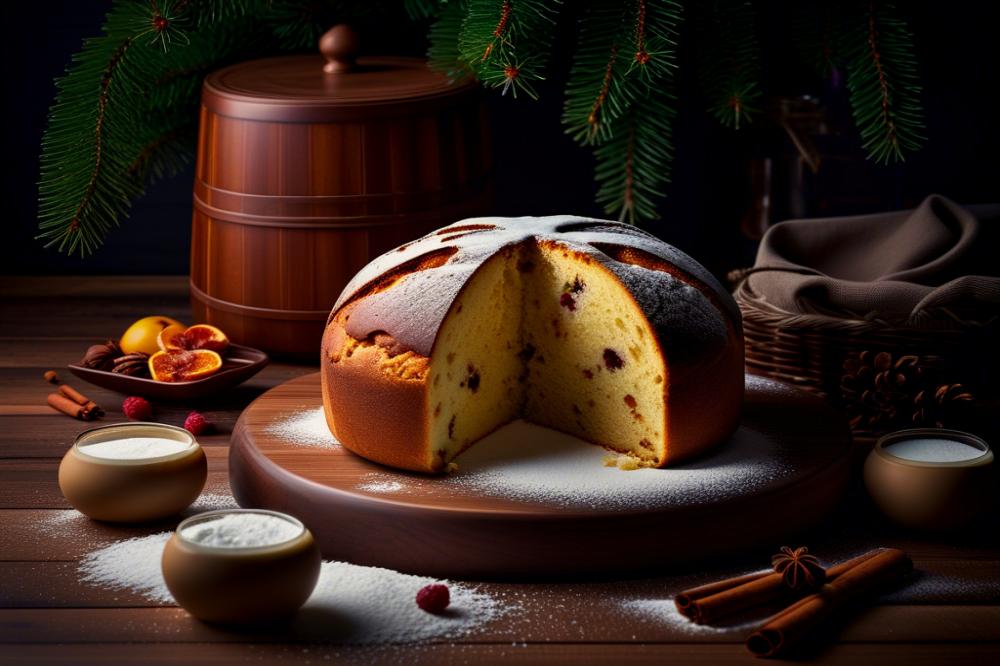
Panettone has long been cherished in Italy, especially during the festive season. This sweet bread, often enjoyed with family and friends, symbolizes celebration and togetherness. Its origins trace back to Milan, where bakers began crafting this delicious treat. Each bite offers a taste of history and tradition.
The significance of this festive bread resonates deeply in Italian culture. During the holiday season, sharing panettone has become a beloved ritual. Families come together to savor its rich flavors, whether it be the classic version or more modern variations like chocolate panettone. Dried fruit panettone has its fans, providing a delightful combination of sweetness and texture.
This article aims to guide you through the process of crafting your own homemade panettone. We will provide a comprehensive panettone recipe along with essential baking tips to help you create authentic panettone. From understanding the traditional methods to exploring options like sourdough panettone, every aspect will be covered. By the end, you’ll be prepared to impress your loved ones with your baking skills this holiday season.
Join us as we delve into the art of making Italian desserts, focusing on this signature dish that has captured hearts around the world. Whether you’re a novice or an experienced baker, mastering panettone will surely enhance your holiday baking experience.
Understanding Italian Panettone

Delving into the origins of panettone reveals a fascinating history steeped in Italian tradition. This celebrated sweet bread has roots tracing back to Milan in the early 15th century. Originally enjoyed during Christmas and New Year, it symbolizes the festive spirit. Over time, recipes have evolved, making it a staple at holiday gatherings not just in Italy, but around the globe.
Different Types of Panettone
When discussing festive bread, one must recognize the variety of panettone available today. Traditional panettone showcases a light, airy texture, typically enriched with candied citrus and raisins. However, chocolate panettone has gained significant popularity, appealing to those with a sweet tooth. This variant is filled with rich chocolate chunks, making it a delightful indulgence for dessert lovers. Dried fruit panettone provides another option, featuring an assortment of dried fruits for added flavor and texture. Each style offers a unique experience and showcases the versatility of this iconic Italian dessert.
Key Ingredients and Their Role in the Authentic Flavor
Several ingredients play crucial roles in achieving an authentic panettone recipe. High-quality flour forms the base, contributing to a light and airy structure. Sugar adds sweetness, but the type of sugar matters; using a finer sugar enhances the overall taste. Eggs are critical as well, providing richness and color to the dough. The most important ingredient is yeast, especially when making sourdough panettone, as it ensures a proper rise and develops flavor over time.
Adding butter creates a velvety texture, while milk contributes to moisture. As for the characteristic flavors, adding citrus zest and dried fruits provides a burst of freshness. These elements work together harmoniously, delivering the true essence of what panettone should be. Incorporating these unique ingredients correctly is key to successful holiday baking.
Ultimately, understanding these elements is essential for anyone aiming to master the art of making authentic panettone at home.
Essential Tools and Ingredients
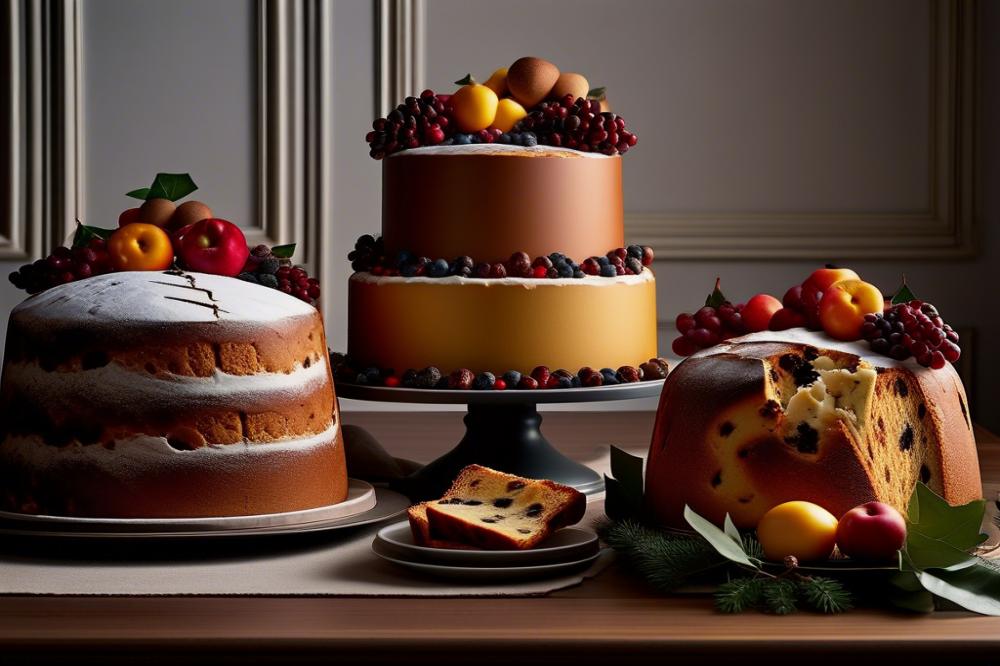
Making authentic Italian panettone at home requires some essential tools. A sturdy stand mixer is helpful for kneading the dough, as traditional methods can be quite labor-intensive. A digital kitchen scale is crucial for precise measurements, especially since even small variations can affect the final product. You will also need high-quality bakeware, such as a panettone mold, which allows the bread to rise beautifully. A thermometer ensures your dough reaches the correct temperature during proofing. Lastly, a baking stone or steel can help create a perfect crust.
Understanding the ingredients is vital in this panettone recipe. The base is made from high-protein flour, which gives the bread its strength and structure. Yeast is key for the dough to rise; you can use either fresh or dry yeast. Sugar adds sweetness and aids fermentation. Eggs enrich the mixture, contributing to both flavor and texture. Butter, preferably unsalted, enriches the dough and enhances its silky texture. Natural flavorings like vanilla and citrus zest elevate the aroma and taste. Traditional recipes often call for candied orange and lemon peels, along with dried fruit such as raisins and currants, to add bursts of sweetness.
Quality ingredients play a significant role in creating a delightful panettone. When it comes to flour, opt for “00” flour if possible, as it has the right protein content for elasticity. Artisanal butter made from high-quality cream can make a noticeable difference. Selecting premium fruits, whether they are dried or candied, directly impacts the flavor profile of the festive bread. For those interested in variations, chocolate panettone introduces a rich twist, while sourdough panettone offers a unique tang. Authentic experiences often involve using natural ingredients. Remember, inferior ingredients can lead to an unsatisfactory outcome in your holiday baking.
Try not to cut corners when sourcing your materials. Investing time in selecting the right components will reward you with a delicious result. Each element contributes to what makes traditional panettone so special in the world of Italian desserts. A carefully crafted loaf is worth the effort, and it will surely impress family and friends during gatherings. Getting these aspects right will set your homemade creation apart from store-bought versions.
The Art of Making Authentic Panettone
Step-by-step guide on how to prepare the dough
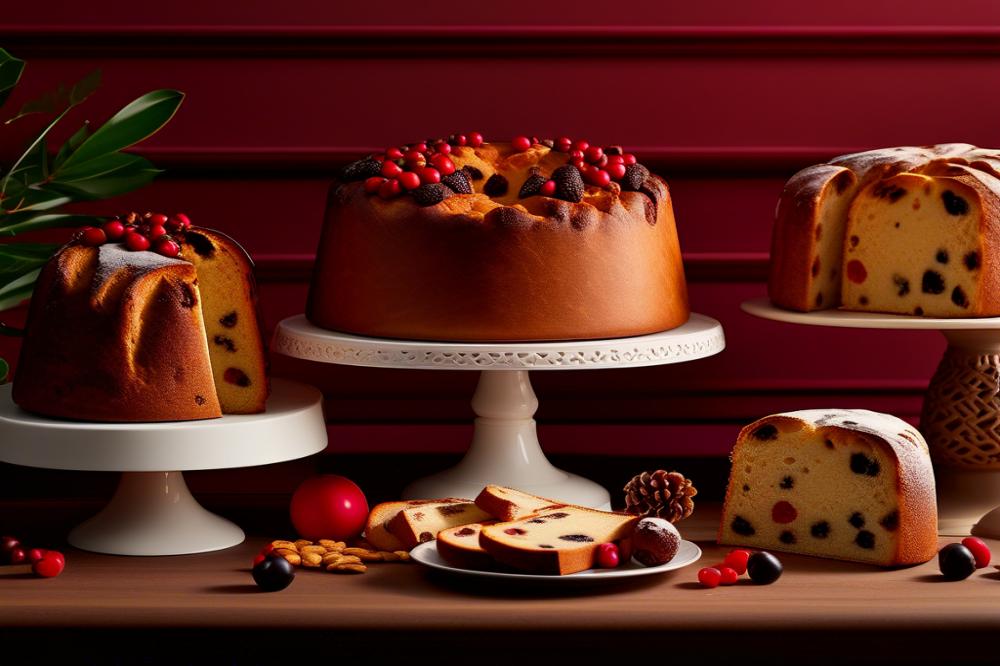
Creating the perfect dough is the foundation of this festive bread. Start by combining flour, sugar, yeast, and warm water in a bowl. This initial mix is crucial for developing strong gluten. Knead the dough until it becomes smooth and elastic. Once it’s formed, let it rise in a warm place for a few hours. After the first rise, punch the dough down to release excess air. Add egg yolks and softened butter for richness. Then, continue kneading until blended. Allow the dough to rise again. Patience is key in this step.
Explanation of the fermentation process and sourdough panettone
Fermentation is where the magic happens. For traditional panettone, the dough often incorporates a sourdough starter. This gives the bread its unique flavor and texture. While waiting for the dough to rise, beneficial bacteria and yeast work together. They create bubbles, leading to a light, airy loaf. The first rise can take several hours, but a longer fermentation often improves the flavor. Some bakers even ferment overnight in the refrigerator. This is especially true for sourdough panettone, which requires time for the flavors to develop fully.
Tips for incorporating dried fruits or chocolate into the dough
Adding extras can enhance the flavor profile of your holiday baking. When making dried fruit panettone, ensure your fruits are well-chopped. This allows them to be evenly distributed throughout the dough. Consider using a mix of raisins, candied citrus peel, and dried apricots for variety. If chocolate is your preference, fold in chocolate chunks or chips after the final knead. Both options will melt beautifully during baking, resulting in a moist, flavorful center. Aim to use high-quality ingredients for the best results. With these tips in mind, you’re well on your way to mastering your own panettone recipe.
Baking Tips for Perfect Panettone
When preparing to make authentic Italian Panettone, it is crucial to avoid common mistakes that could ruin your festive bread. One frequent error is rushing the fermentation process. Allowing your dough to rise slowly is vital. Patience leads to the development of those delightful flavors.
Another pitfall involves improper measurements. Using a kitchen scale is best. Accurate measurements help maintain the right ratio of flour to water. This makes a significant difference when aiming for the ideal texture.
Best Practices for Achieving Texture and Flavor
Using high-quality ingredients will elevate your panettone recipe. Purchase fresh yeast instead of dried yeast for better results. Choose good flour, preferably high-protein flour, to achieve a light and airy loaf. In addition, the importance of good hydration cannot be overstated. A wetter dough tends to produce a softer and fluffier crumb, resulting in the authentic panettone experience.
Flavoring the dough effectively plays a crucial role too. Consider adding a bit of orange zest or vanilla extract. These ingredients add depth to traditional panettone while complementing dried fruit panettone or chocolate panettone.
Suggestions for a Beautiful Rise and Golden Crust
For that stunning rise and golden crust, the temperature of your oven matters significantly. Preheat it well in advance. A hot oven gives your dough the initial blast of heat it needs to rise quickly. This technique creates the signature dome shape.
Remember to place your panettone in the center of the oven to allow even baking. Additionally, consider using a steam injection method or a pan with water to create moisture. Steam helps achieve that crispy outer layer while keeping the inside super soft.
Lastly, avoid checking your bread too often while it’s baking. Opening the oven reduces the temperature and could affect the baking process. Instead, trust your instincts and use a toothpick to test for doneness during the last few minutes of baking.
Storing and Serving Your Panettone
Storing your festive bread properly is essential for maintaining freshness. An authentic panettone can last longer than you might expect if treated well. First, cool your panettone completely before wrapping it. Use plastic wrap or an airtight container. Avoid placing it in the refrigerator as this can dry it out. Instead, store it in a cool, dry place. It can remain fresh for several days this way. If you have leftovers, consider freezing it. Slice the panettone and wrap it in foil before placing it in a freezer bag. When you want to enjoy it again, thaw it at room temperature.
Serving Suggestions and Pairings
Pairing your panettone with various Italian desserts can elevate the experience. A sprinkle of powdered sugar on top can add a delightful touch. For drinks, a cup of espresso or a glass of sweet dessert wine complements the flavors beautifully. If you want something richer, try it with a scoop of gelato. Chocolate panettone is fantastic with chocolate liqueurs, while dried fruit panettone goes well with fruity wines. Sharing slices with family and friends during holiday gatherings creates a memorable occasion.
Enjoying Panettone Beyond the Holiday Season
The uses for panettone extend beyond just festive times. Think about transforming stale pieces into a delicious bread pudding. This technique can breathe new life into any remaining slices. Sourdough panettone lends itself well to breakfast treats. Try making French toast for a special morning meal. You might also consider snacking on it with cheese or spread some ricotta on top for an Italian twist. For dessert lovers, incorporating panettone into trifle can create a stunning presentation. The variations are endless, keeping your panettone experience fresh year-round.
Wrapping Up Your Panettone Journey
Baking authentic panettone at home offers a truly rewarding experience. Not only does it fill your kitchen with delightful aromas, but it also brings a piece of Italian tradition to your festivities. This bread, with its fluffy texture and rich flavors, is more than just a dessert; it symbolizes celebration and togetherness.
Trying your hand at this panettone recipe allows you to connect with family and friends. Whether you follow the steps closely or add your own twist, creating this festive bread can be a fun project. Every baker puts their stamp on the process, resulting in a variety of flavors and styles.
Feel motivated to share your baking journey with others. Your experiences and variations might inspire someone else to take on this challenge. Social media is a great platform for showcasing your creations. Pictures, tips, and stories can help build a community of fellow bakers who appreciate the beauty of this craft.
Let the spirit of the holiday season encourage you in the kitchen. Whether you stick to the traditional methods or experiment with different ingredients, each attempt is a step toward mastering this exceptional bread. Embrace the joys and challenges of baking, and you might find that the process can be just as fulfilling as the final product.

