
Italy’s olive oil regions: Where the Best Olive Oils Are Grown
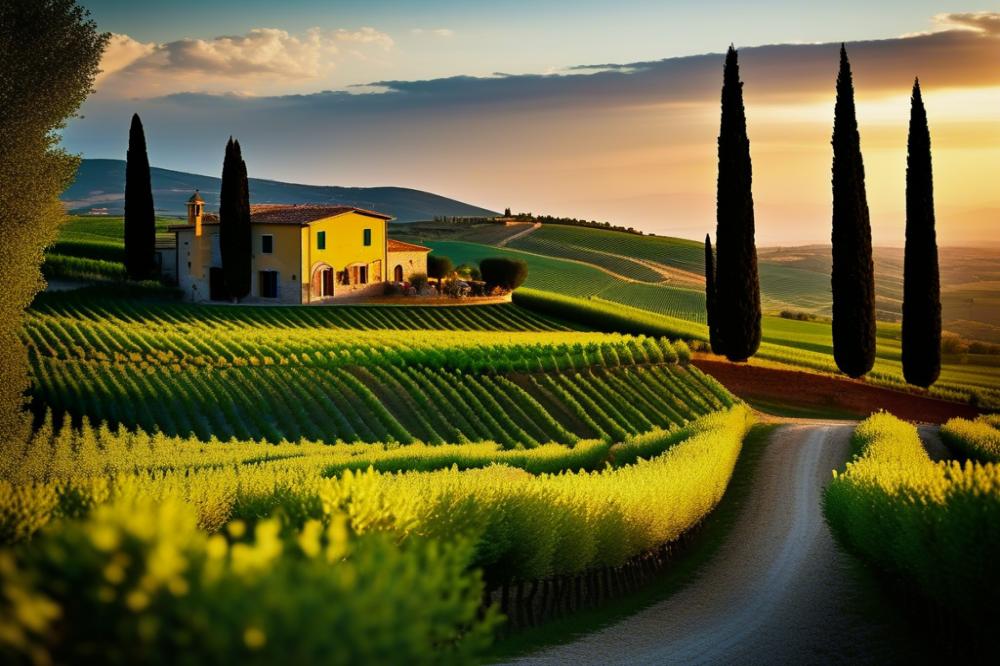
Olive oil holds an esteemed place in Italy’s cultural and culinary identity. This golden liquid is more than just a cooking ingredient; it is a symbol of tradition and heritage. Every region contributes its own character and taste to the vast array of olive oils available. From the rolling hills of Tuscany to the coastal breezes of Puglia, Italy boasts a rich tapestry of olive cultivation. Each area produces oils with distinct flavor profiles, shaped by the local soil, climate, and olive varieties.
In Italian cuisine, olive oil is indispensable. It enhances flavors, adds richness, and plays a key role in traditional recipes. Whether drizzled over fresh pasta, mixed into salads, or used for frying, its presence is everywhere. Many chefs swear by extra virgin olive oil for its superior quality and health benefits. The high standards of production in Italy guarantee that oils labeled DOP meet strict criteria, ensuring authenticity and excellence.
Italy is home to numerous olive oil regions, each unique in its offerings. Tuscany is famous for its robust, peppery oils, while Puglia boasts oils that are fruity and aromatic. Liguria is known for its delicate and nutty flavored oils, while Calabria produces robust oils with a hint of spiciness. Understanding these regions elevates any appreciation for quality oil.
As we explore these exceptional regions, we will uncover what makes Italian olive oil stand out in the world. From family-run farms to large-scale oil production, the stories behind these oils enrich their value. Join us on this journey to discover the heart and soul of Italy’s olive oil regions.
Italy’s Olive Oil
Definition of extra virgin Olive Oil
Extra virgin olive oil is the highest quality olive oil available. It is made from pure, cold-pressed olives. This type of oil contains less than 0.8% acidity, which indicates freshness and superior taste. It often exhibits a rich and distinct flavor profile, making it essential in Italian cuisine. True extra virgin olive oil must meet strict criteria set by various quality control organizations.
Key Factors in olive cultivation
Several key factors influence how olives grow. Climate plays a major role, with warm, sunny weather being ideal. Soil quality also matters, as well-drained, nutrient-rich soil supports better growth. The choice of olive variety impacts the flavor; different regions produce distinct types. For instance, Tuscany is known for its robust oils, while Puglia’s offerings tend to be fruitier. Proper harvesting techniques are equally important; handpicking is common to avoid damaging the fruit.
Olive Oil Production Process
The oil production process begins with harvesting ripe olives. After that, the olives are washed and crushed to create a paste. This paste is then mixed, allowing oil to separate from the fruit. Various methods, such as cold-pressing, preserve flavor and nutrients. Finally, the oil is extracted and filtered before being bottled. Each step in this process requires precision to maintain the oil’s quality.
The Role of DOP in Italian Olive Oil
DOP, or Denominazione di Origine Protetta, marks protected designation of origin. This labeling ensures that the olive oil meets specific standards linked to its region. It guarantees that the oil is produced in a particular area using traditional methods. Regions like Liguria and Calabria take pride in their DOP oils, showcasing unique characteristics tied to local practices. This system not only protects producers but also helps consumers find authentic products.
Tuscany: The Heart of Olive Oil Production
Geography and Climate of Tuscany
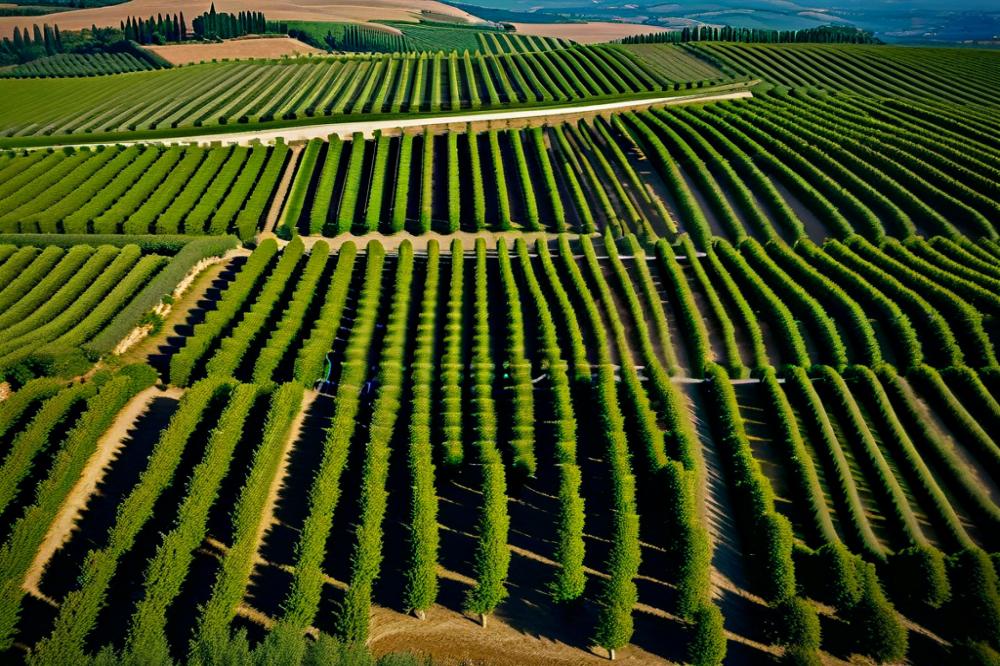
Tuscany is known for its rolling hills, picturesque landscapes, and rich soil. Olive trees thrive in this region thanks to the warm Mediterranean climate. The long summers and mild winters create ideal conditions for the growth of olives. Many groves are set on hillsides, which allows for good drainage. This geographic diversity contributes to the high quality of oil produced here. Regions like Chianti and Montecucco are particularly celebrated for their olive cultivation.
Popular Olive Varieties in Tuscany
Several olive varieties stand out in Tuscany. Frantoio and Leccino are the most common types grown in this area. Correggiolo is another variety that often makes its way into Tuscan blends. Each variety offers distinct characteristics that contribute to the region’s famed oils. The Frantoio olive produces a robust oil with a fruity flavor. Leccino is known for its milder taste, which appeals to various palates. These olives are often harvested early to produce high-quality extra virgin oil.
Distinct Flavor Profiles of Tuscan Olive Oils
Tuscan olive oils are renowned for their unique flavor profiles. Many have a distinct bitterness combined with a peppery finish. The aroma often carries hints of grass and artichoke. These strong flavors make Tuscan oil a staple in Italian cuisine. A drizzle can elevate a simple dish to gourmet status. Because of the DOP (Denominazione di Origine Protetta) certification, consumers can trust that they are getting authentic products, deeply rooted in tradition.
Notable Tuscan Olive Oil Brands and Producers
A few brands stand out in the Tuscan olive oil market. One well-regarded producer is Fattoria La Vialla, known for its organic methods and commitment to quality. Frantoio Franci is another name synonymous with excellence, celebrated for its complex oils. Villa Campestri produces award-winning oils that showcase the region’s best qualities. These producers focus on preserving traditional techniques while innovating in olive oil production. Each bottle reflects the passion and dedication of its maker.
Puglia: The Olive Oil Capital of Italy
Overview of Puglia’s olive groves
Puglia, located in the southeastern part of Italy, boasts expansive olive groves that stretch as far as the eye can see. This region is home to countless ancient olive trees, some of which are over a thousand years old. The climate here is ideal for olive cultivation, featuring hot summers and mild winters. Farmers often practice traditional methods passed down through generations. This dedication contributes to the rich heritage surrounding the olive oil produced in this area.
Unique characteristics of Puglian olive oils
Puglian olive oils are often known for their bold, robust flavors. The most renowned varieties include Coratina and Ogliarola, which provide distinct taste profiles. Many of these oils are labeled extra virgin, indicating the highest quality. Flavors range from fruity to slightly bitter, capturing the essence of the local terrain. The DOP certification helps consumers identify authentic oils from this region. Notably, experts often remark on the fresh, grassy notes found in Puglia’s offerings.
The impact of oil production in Puglia’s economy
Oil production plays a vital role in Puglia’s economy. It supports thousands of jobs, from farmers to oil mill workers. This sector not only helps local families thrive but also attracts tourists interested in Italian cuisine and culture. Many small-scale producers take pride in their craft, often selling directly to consumers. As a result, the local economy benefits from both international exports and regional sales.
Local culinary uses of Puglian olive oil
In the kitchen, Puglian olive oil shines as an essential ingredient. People use it to dress salads, drizzle over grilled vegetables, or enhance pasta dishes. Its robust flavor complements many traditional recipes, making it a staple in local households. Chefs around the region use this oil to elevate their culinary creations, ensuring their dishes embody the spirit of Puglia. Additionally, oil tastings have become popular, allowing visitors to savor the distinct flavors that define this beloved region.
Liguria: The Fragrant Olive Oils
Liguria, a slender coastal region in northwestern Italy, stands out for its stunning landscapes. Nestled between the Apennine mountains and the Ligurian Sea, the geography is unique. This area provides a perfect climate for olive cultivation. The mild temperatures and ample sunshine create an ideal environment for growing olives, particularly in terraced, steep hillside orchards.
The Taggiasca Olive Variety and Its Significance
The Taggiasca olive is the star of Liguria’s olive oil production. Known for its small size and rich taste, this variety has deep roots in local agriculture. People often appreciate its dual use, as it provides both table olives and high-quality extra virgin oil. Widely regarded as a treasure, Taggiasca olives have a protected designation of origin (DOP), reflecting their cultural and geographical importance.
Flavor Profiles of Ligurian Olive Oils
When exploring Ligurian olive oils, the flavor profiles impress many. These oils often feature a delicate, fruity aroma with hints of almond and artichoke. The taste can be quite robust, yet smooth, often leaving a peppery finish. Such complexity makes them a favorite choice for dipping bread or drizzling over fresh salads. The distinct notes and nuanced tastes set them apart from oils produced in regions like Tuscany or Puglia.
Liguria’s Contribution to Italian Cuisine
In Italian cuisine, Liguria plays a significant role. Its olive oils enhance various traditional dishes, adding depth and flavor. Pesto alla Genovese, a world-renowned sauce, relies heavily on high-quality olive oil made from Taggiasca olives. Ligurian cuisine also features fresh seafood, typically paired with local oils to elevate the dish. Even simple vegetables become extraordinary drizzled with this fragrant oil.
Calabria: The Hidden Gem of Olive Oil
Introduction to Calabria’s Olive Oil Landscape
Calabria sits in the toe of Italy’s boot, often overshadowed by more famous regions like Tuscany and Puglia. Despite this, its olive oil production is remarkable. Vast hillsides and sun-drenched valleys create ideal conditions for olive trees to thrive. Here, ancient groves stand alongside modern farms, offering a blend of tradition and innovation. The region produces an array of oils, showcasing its diversity.
Historical Context of Olive Cultivation in Calabria
Olive cultivation in Calabria dates back thousands of years. Greeks and Romans cultivated olives, preserving their heritage through generations. The area’s climate supports a rich agricultural history. Over time, local families developed methods to enhance oil production and quality. The evolution of farming techniques played a significant role. Currently, Calabria’s oils are recognized for their excellent quality and adherence to the DOP (Denominazione di Origine Protetta) standards.
Distinctive Traits and Flavors of Calabrian Olive Oils
Calabrian olive oils are characterized by intense flavors and aromas. Early-harvest olives yield oils with robust profiles. You’ll often detect hints of pepper and artichoke, creating a bold taste. Cold extraction methods preserve these flavors, enhancing their appeal. Each batch reflects the specific locale, influenced by soil and climate. Many producers take pride in their traditional techniques, which further contribute to the unique character of the oil.
Culinary Traditions Involving Calabrian Olive Oil
Culinary traditions in Calabria highlight the importance of their olive oil. It serves as a key ingredient in many dishes that define Italian cuisine. Often drizzled over fresh bread, the oil brings flavors to life. Additionally, it complements local vegetables and hearty pasta dishes. Many families have recipes passed down through generations, showcasing how integral olive oil is to their meals. Food enthusiasts appreciate how this oil elevates simple yet delicious flavors.
The Future of Olive Oil in Italy
Challenges are surfacing for Italian olive oil producers. Climate change poses a serious risk. Weather patterns shift unpredictably, making harvests less reliable. Droughts and heavy rains can damage crops. The impact can lead to lower yields and fluctuating prices. Farmers in regions like Tuscany and Puglia are particularly affected by these changes.
Sustainability and Preservation of Olive Cultivation
Efforts towards sustainability are gaining attention. Many producers are looking for ways to protect their olive trees. This includes using organic farming methods. By avoiding harmful pesticides, farmers can preserve the environment. Implementing traditional practices can also help maintain biodiversity. Preservation of older olive groves is vital for future generations.
The Role of Innovation in Oil Production
Innovation plays a key role in modern oil production. New technologies can improve efficiency and quality. For instance, advanced extraction methods enhance the flavor profiles of extra virgin olive oil. Some producers are experimenting with different tree varieties. This experimentation can lead to exciting new tastes and aromas in the market.
Prospects for Italy’s Place in the Global Olive Oil Market
The global market for olive oil continues to expand. Italian oil, particularly with DOP (Denominazione di Origine Protetta) status, is highly sought after. Regions like Liguria and Calabria are becoming known brands internationally. With the right strategies, Italian producers can maintain a strong foothold. The demand for high-quality oils supports their efforts to cultivate the best olives.
Concluding Thoughts on Italy’s Olive Oil Heritage
Summary of Italy’s Key Olive Oil Regions
Italy boasts several key regions renowned for their superior oils. Tuscany, with its rolling hills and ancient trees, produces some of the finest extra virgin varieties. The southern region of Puglia is another powerhouse, known for its robust flavors and rich heritage of olive cultivation. Liguria, often overlooked, shines with its delicate, aromatic oils that capture the essence of the Mediterranean. Each area offers something unique, showcasing local traditions and the distinct terroir that influences flavor profiles.
The Cultural Significance of Olive Oil in Italy
Olive oil is more than just a cooking ingredient; it is a symbol of Italian culture and identity. Families have passed down olive harvesting methods for generations. Festivals celebrating the olive harvest take place in many villages, bringing communities together. Meals in Italy often begin with a drizzling of high-quality oil, highlighting its importance in daily life. This liquid gold pairs with countless dishes, enhancing flavors and adding a touch of heritage to every meal.
Final Thoughts on Preserving Olive Oil Heritage
The future of Italy’s olive oil landscape faces challenges, including climate change and industrial pressures. Preserving traditional farming methods is crucial for maintaining the quality of this treasured product. Consumers can play a role by choosing authentic products over mass-produced options. Supporting local farmers secures a rich heritage that is deeply rooted in Italian history. By valuing these unique oils, we not only enjoy their flavors but also honor the stories and people behind them.

