
Introduction
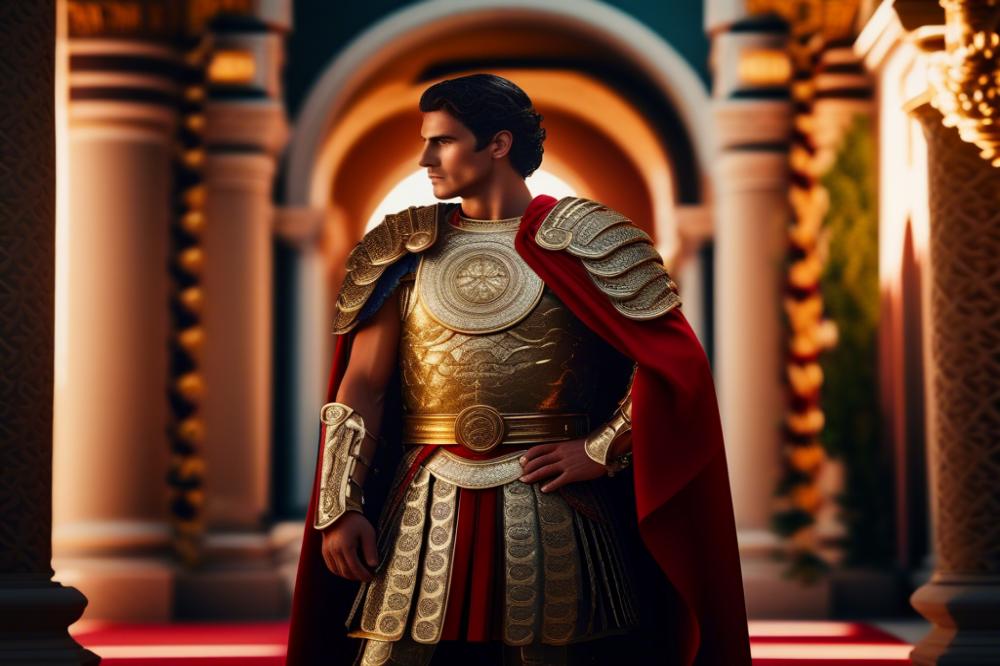
Roman commanders held a pivotal role in the military hierarchy, and their attire reflected their status within this structured organization. The garments worn by these leaders were not merely for function; they symbolized rank and authority. Through tunics, armor, and helmets, the distinctions among Roman soldiers became clear. Each piece of clothing and gear served a purpose in identifying a soldier’s role, whether in combat or during ceremonial events.
The relationship between attire and rank was deeply rooted in the traditions of the Roman military. Officers adorned themselves with additional insignia and embellishments that set them apart from their troops. Such details might include intricate designs on their armor or unique features of their helmets. These differences helped troops recognize their leaders and understand their place within the legions.
Ceremonial dress played a significant part in the military culture as well. Special occasions called for historical uniforms that highlighted the pride of the Roman army. Footwear, weapons, and even the way a soldier carried his gear contributed to the overall image of authority. Each commander’s attire told a story of valor, discipline, and the rich traditions of the army, making it both a practical necessity and a symbol of honor.
Roman commanders attire
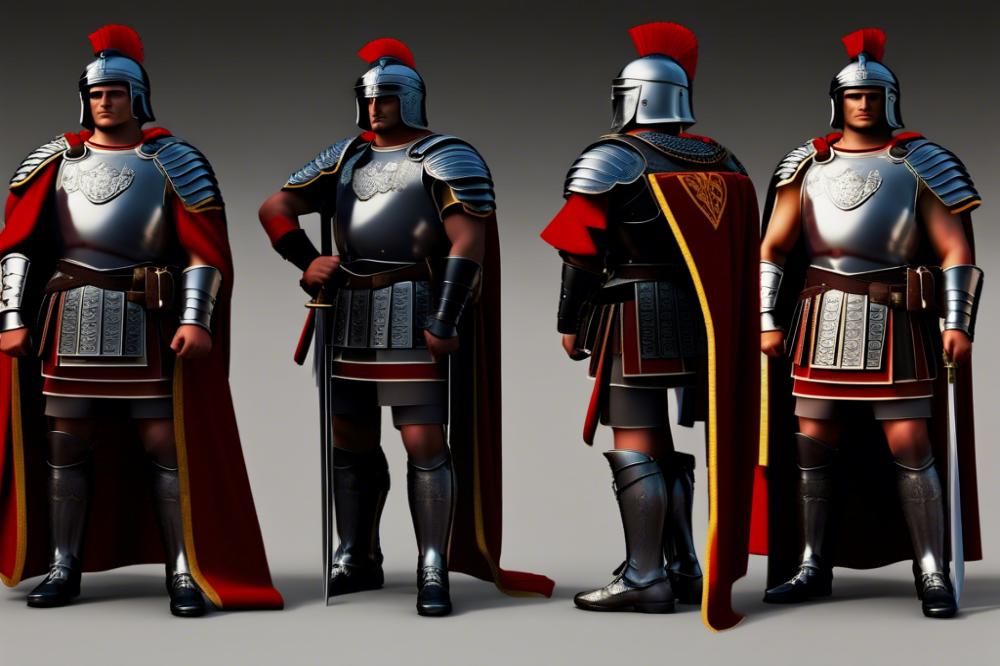
Understanding the attire of Roman commanders involves a close look at their tunics and armor. These garments were not merely for protection; they served to impress and signify authority. A typical commander would wear a tunic, often made from wool or linen. The color of the tunic mattered greatly. Higher ranks wore purple, a color reserved for the elite. Soldiers of lower ranks used plain red or white, creating immediate visual distinctions.
Craftsmanship played a critical role in their clothing. Skilled artisans produced these garments with care. Some tunics featured intricate borders, often decorated with unique designs. Symbols or insignia were common, signifying rank and achievements. It was not just about looking good; the attire reflected a soldier’s status and accomplishments.
Armor was another vital part of a commander’s attire. Made from metal and leather, it provided essential protection in battles. The breastplate, called a lorica, was a hallmark of Roman soldiers. Each piece was crafted for comfort as well as defense. Lightweight designs allowed for mobility, ensuring commanders could lead effectively.
Helmets also demonstrated rank distinctions. Commanding officers often wore elaborate helmets, adorned with feathers or crests. This helped distinguish them in the chaos of battle. Footwear was crucial too. Sturdy sandals allowed for movement across various terrains. Some officers wore boots that further signified their rank.
Ceremonial dress was equally important. During formal events, commanders donned historical uniforms that reflected the glory of Rome. These dresses showcased the Empire’s might and stability. The colors and patterns used were often reflective of their legacies. Such attire symbolized unity and pride among soldiers.
Weapons also complemented the overall appearance. Commanders carried swords and shields that matched their status. These weapons were not only tools for combat but symbols of power. The art of war was alive in every detail of their gear.
Insignia and Rank Distinctions
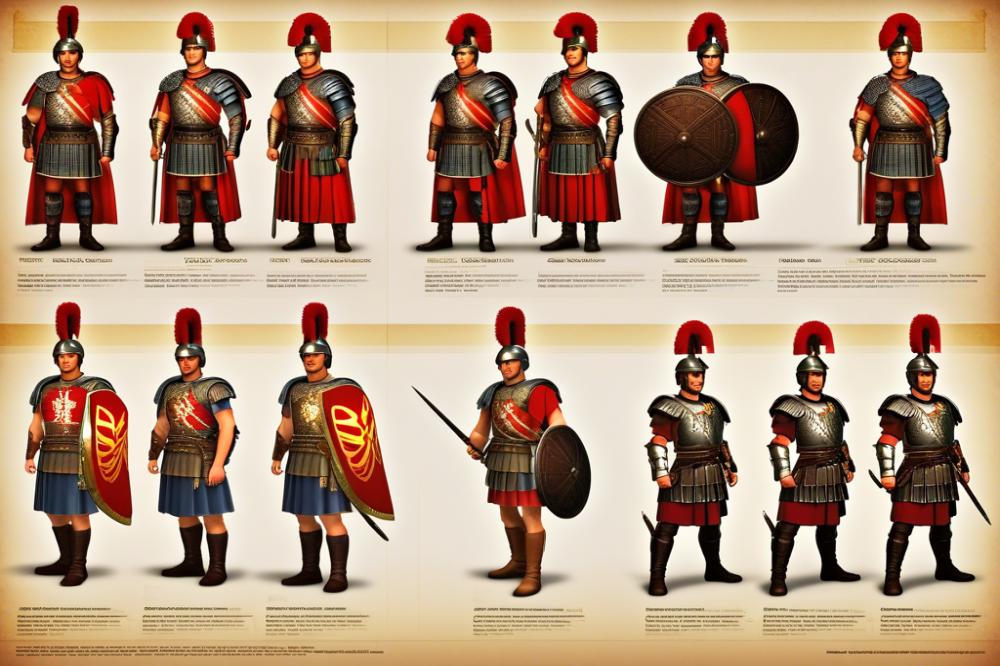
The insignia worn by commanders played a crucial role in displaying their authority within the Roman military hierarchy. Each piece communicated rank and status, helping soldiers understand their leaders’ positions. For instance, high-ranking officers would don distinctive armor and ceremonial dress rich in embellishments. Their tunics, often dyed in vibrant colors, set them apart from the rank-and-file soldiers.
Various insignia were used to indicate different levels of command. One common symbol was the corona, or laurel wreath, which was worn by generals in recognition of military success. This adornment signified their triumphs and provided a visual cue to all onlookers. Other rank distinctions included the use of fibulae, or brooches, which were worn on tunics. The style and placement of a fibula could tell much about a soldier’s rank.
Additionally, helmets offered another layer of distinction. Many officers wore ornate helmets featuring plumes or crests. These decorative elements not only signified rank but also inspired troops. Footwear also played a part in conveying status. Commanders typically wore higher-quality sandals, often crafted from fine leather, enhancing their professional appearance.
Historical uniforms further enriched the meanings behind these insignia. Over time, the particular designs evolved but remained consistent in their symbolism. The ability of insignia to communicate authority among Roman soldiers was vital in maintaining order and discipline in the ranks.
For instance, a centurion’s armor was often adorned with a transverse crest, indicating their command status. This helped the legionaries recognize their leader quickly on the battlefield. Furthermore, specific insignia had deep connections to tradition and legacy. The eagle standard, carried by the legions, symbolized Rome’s might and served as a rallying point for troops.
In ceremonies, the importance of these insignia became even more pronounced. Officers in ceremonial dress would showcase their full regalia, making elaborate displays to reflect their honor and accomplishments. On days of celebration, the power of these symbols was evident as they united soldiers under a shared identity.
Armor and Equipment
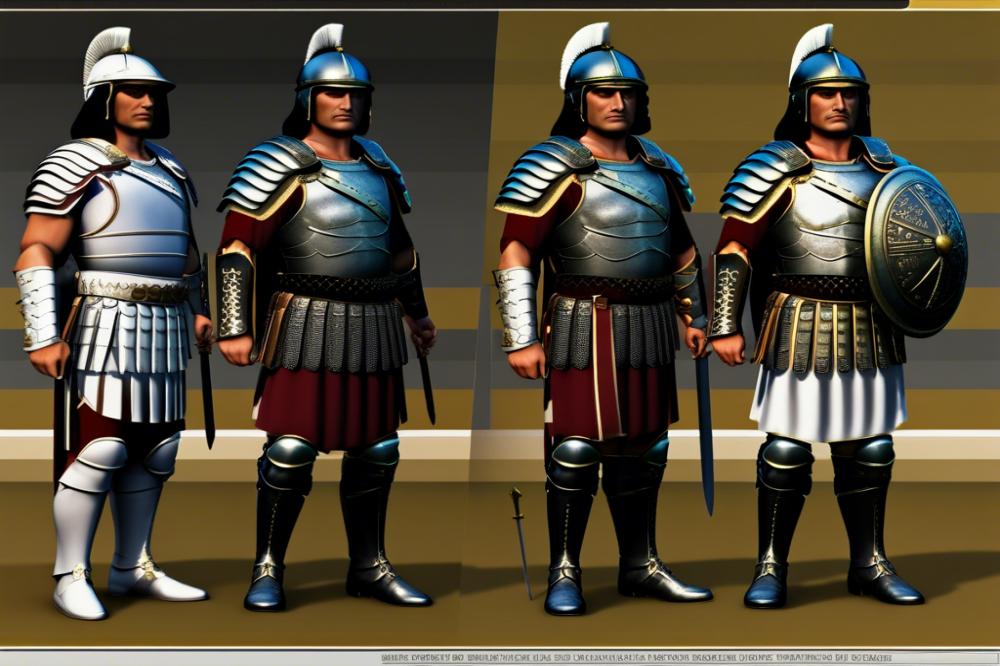
The armor of Roman commanders played a crucial role in their military effectiveness. Roman soldiers utilized various types of armor that showcased their rank and purpose. Among the most recognized pieces was the lorica segmentata, an innovative design made from overlapping metal strips. This armor offered excellent protection while allowing for some flexibility during combat.
As warfare evolved, so did armor design. Early styles were simpler but less effective. With time, the incorporation of chainmail and the segmentata style significantly increased survivability on the battlefield. Notably, this evolution in armor reflected the changing tactics and greater demands of warfare during the Roman Empire.
Shields also represented an important aspect of a commander’s gear. Typically round or rectangular, these shields often displayed insignia that signified rank and unit affiliation. Commanders carried shields not only for protection but also as symbols of authority. Their shields could inspire troops and intimidate foes, underscoring their dual purpose in battle.
In addition to armor and shields, weapons completed the commanders’ outfits. Commonly found were the gladius, a short sword ideal for close combat, and the pilum, a spear that could be thrown to disrupt enemy formations. These tools were essential to maintain order during engagements. Commanders also carried daggers for personal defense when necessary.
Footwear varied according to the occasion. While sturdy sandals suited the rigors of battle, higher-ranking officials sometimes wore more elaborate shoes for ceremonial purposes. The notion of rank distinctions extended even to footwear, signifying status while making clear that function was never overlooked.
When it came to attire for formal situations, ceremonial dress was distinctly different from everyday military garb. Historical uniforms featured intricate designs with colors that reflected various legions. These uniforms served more than just aesthetic purposes; they emphasized discipline and highlighted the might of Rome.
To summarize, a commander’s armor and equipment did not merely serve utilitarian roles. Instead, they combined practicality and representation, ensuring that rank, authority, and the Roman military’s legendary effectiveness shone through. Each piece of gear, from helmets to tunics and weapons, told a story of the power and legacy of Roman commanders.
Ceremonial Dress and Historical Uniforms
Roman commanders wore distinct ceremonial attire that reflected their rank and authority in various formal settings. This type of dress served more than a fashionable purpose; it was steeped in symbolism. The colors, materials, and designs used in these outfits conveyed messages of power and prestige. Often, these uniforms were adorned with intricate insignia, showcasing the wearer’s achievements and position within the military hierarchy.
Throughout the different periods of the Roman Empire, historical uniforms evolved considerably. In the early Republic, tunics were simple and functional. Commanders paired these with cloaks, which symbolized their status. Over time, as the Empire expanded, attire became more elaborate. By the time of the Late Empire, uniforms featured luxurious fabrics and ornate decorations, including gold embroidery. The iconic red tunic became widely recognized, often associated with Roman soldiers.
Footwear varied as well, with commanders often donning sturdy sandals that allowed for mobility. Helmets also served as an essential part of the commander’s ensemble. These headpieces not only offered protection but were also visually striking, often featuring plumes or distinctive decorations. Different ranks had specific insignia, indicating their status. Such distinctions created a clear hierarchy within the ranks.
During ceremonial occasions, the focus was on presentation. Commanders wielded weapons not merely for battle readiness but as part of their ceremonial attire. Swords and staffs became symbols of authority when paraded during events. The display of military might alongside elegant dress created an impressive spectacle for the citizens and enemies alike.
Certain elements of the attire remained consistent across time, while others transformed dramatically. For example, the laurel wreath became synonymous with victory and honor throughout the Empire. It was often worn during significant events. This symbol encapsulated the essence of Roman success, bridging military accomplishments with political power.
Understanding these distinctions in attire allows for a deeper appreciation of Rome’s military culture. Every detail in a commander’s dress was deliberate, each aspect designed to reinforce their command. The ceremonial dress represented not just the individual leader but the Roman Empire’s ideals of strength, unity, and authority.
Footwear and Accessories
Roman commanders were known for their distinctive footwear, which had both practical and symbolic purposes. Sandals, often made from leather, were the most common type worn by these leaders. They provided comfort during long marches and allowed for better ventilation in the hot climate. Some commanders opted for boots, which offered more protection. These boots had a higher ankle design and were favored during battles or when more support was needed.
Aside from footwear, commanders adorned themselves with various accessories that highlighted their status. Belts played a crucial role in holding weapons and additional gear. Often, these belts were decorated with intricate designs or insignia, marking the wearer’s rank and accomplishments. A well-worn belt could speak volumes about a commander’s experience and authority.
Amulets were also popular among Roman leaders. These small, often decorative items were thought to provide protection and good fortune in battle. Commanders would wear them alongside their armor, and they became an integral part of their ensemble. The combination of footwear and accessories not only served practical purposes but also reflected social hierarchy.
Moreover, the style of a Roman commander’s attire could change depending on the occasion. During ceremonies, leaders often donned special tunics that were more elaborate than those worn in daily life. These garments showcased the wealth and power of the wearer, creating a strong visual impact. In contrast, when preparing for battle, practical aspects took precedence over appearance.
Distinctive historical uniforms further complemented a commander’s profile. Each piece contributed to their identity on the battlefield. Rank distinctions were crucial, and every detail mattered. From armor to helmets, nothing was overlooked. The right combination conveyed authority and loyalty among soldiers. Mobility was essential during engagements. Footwear designed for rapid movement helped commanders maintain a strategic advantage and lead their troops effectively.
Final Thoughts on Roman Commanders’ Attire
The attire of Roman commanders played a vital role in projecting authority and identity. Every detail mattered, from the elaborate insignia to the colors and materials used. A general’s uniform was not just clothing; it was a statement of rank and power. Roman soldiers looked up to their leaders, and the attire helped solidify this perception.
Reflection on historical context shows that each element of their outfit contributed to the image of the Roman military. A commander dressed in a richly adorned tunic instilled confidence among troops. Armor signified strength and preparedness, essential traits for leading men into battle. Additionally, the distinctiveness of their attire helped demarcate commanders from lower ranks, reinforcing a clear chain of command.
Appreciating the history behind these garments allows us to understand their impact on military culture. Clothing was a reflection of Roman society’s values, emphasizing discipline and order. The attire of these leaders has left a lasting legacy, teaching us about the importance of presentation in establishing respect and authority. In today’s world, the lessons from Roman commanders’ clothing remain relevant, reminding us of the power of first impressions.

