
Palazzo Chigi in Rome: The Seat of Italian Government with a Rich history
Palazzo Chigi serves as a critical government building in Rome, embodying the heart of Italy’s political landscape. This impressive structure is much more than a mere office for officials; it represents the evolution of Italian governance throughout history. Its walls have witnessed significant events that shaped the nation, making it an important symbol of Italy’s heritage.
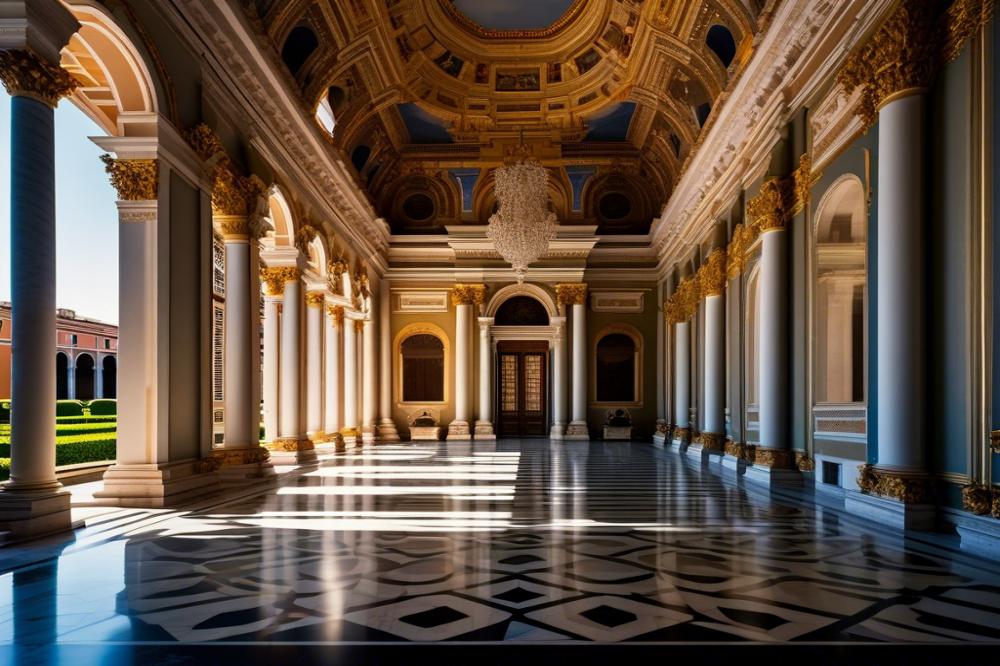
Built in the 16th century, the architecture of the Palazzo Chigi reflects various styles, combining elements of Baroque sophistication with timeless elegance. Visitors will notice its grand façade, adorned with intricate details and classical features. Such artistry speaks to the country’s rich tradition of combining functional spaces with beautiful design. The blend of old and new highlights the evolution of political environments over centuries.
As a political center, the Palazzo plays a vital role in the Italian Government. It houses the Office of the Prime Minister, who leads the nation and oversees the functioning of various ministries. This important role ensures that the building remains a hub of activity and decision-making. Historically significant, the palace has hosted countless meetings and agreements, shaping the course of Italy’s future.
In conclusion, the Palazzo Chigi is a testament to Italy’s history and architecture. It stands as a reminder of the vibrant political life that continues to thrive in Rome. As a key government building, it captures the essence of Italy’s journey and its ongoing story of governance.
The Historical Significance of Palazzo Chigi
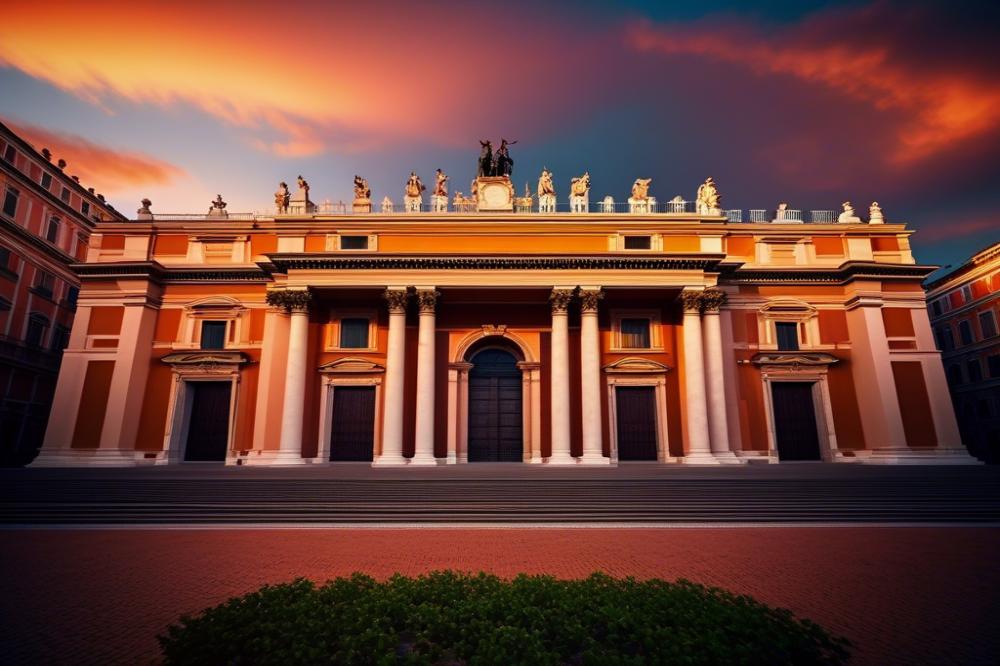
Its origins date back to the 16th century when it was built as a private residence for the Chigi family, a notable noble line in Rome. Over the years, this distinguished building has undergone numerous transformations, reflecting the shifting tides of power and style within Italy. Initially designed in a Renaissance style, the structure later adopted elements of Baroque architecture, showcasing intricate designs and grand details, characteristic of its time.
Several key historical events unfolded within its walls. The site served as a backdrop during the unification of Italy in the 19th century. It became the official residence of the Prime Minister in the early 20th century. This marked a significant moment as the government established a more centralized political center in Rome. Decades of political debates and decisions shaped the Italian nation, making this building a vital part of the country’s governance.
Notable figures have left their mark on this historic site. Giovanni Giolitti and Alcide De Gasperi, both influential prime ministers, played critical roles in shaping modern Italy. Their decisions during turbulent times were often made within these historic walls. In addition, the building has hosted numerous significant leaders and officials, each contributing to its rich narrative.
Art and monuments embellish the interior, enhancing its value beyond mere politics. Murals and decorative elements reflect the artistic heritage of Italy, connecting visitors with the past. Overall, this government building is much more than a place where laws are made; it is a testament to the evolution of Rome itself.
Architectural Features of Palazzo Chigi
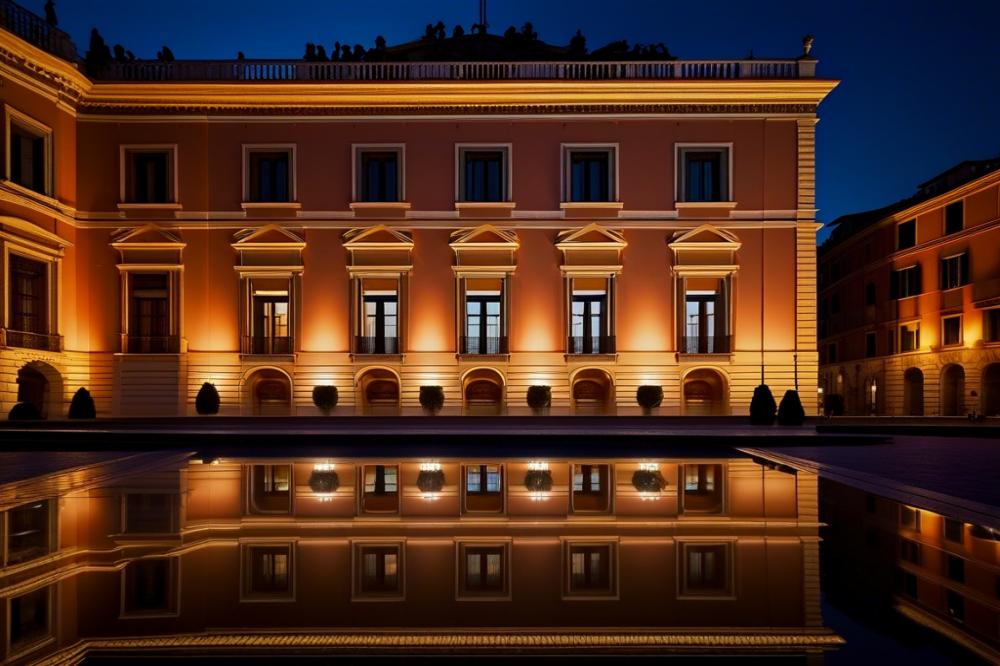
The Palazzo Chigi serves as a significant government building in Rome. Its architecture speaks volumes about Italy’s rich history. The facade showcases a blend of Baroque and Renaissance styles, displaying the era’s artistic flair. Columns and decorative elements create a regal appearance, attracting the attention of passersby.
Inside, high ceilings and large frescoes illustrate the political power once held within these walls. Artists from different periods contributed to the palace’s interior design. Stunning artworks adorn many rooms, reflecting cultural heritage and artistic legacy. Ornate rooms tell stories of important officials who have worked here through the ages. Each space invites visitors to learn about governmental activities and their historical significance.
When considering other famous palaces in Italy, comparisons arise easily. For instance, the Palazzo della Cancelleria also boasts impressive architectural features, yet has a different style. When walking through sumptuous halls of those structures, one feels the weight of the past. Each palace offers visitors a glimpse into Italy’s political landscape over centuries.
Art and design profoundly influence the way the Palazzo Chigi functions today. The careful placement of public and private spaces allows for both transparency and privacy. Official meetings and gatherings often take place here, echoing the life of historical monarchs and statesmen. Such design not only serves convenience but reinforces the building’s role as a political center in Italy.
Palazzo Chigi as a Political Center
In the bustling heart of Rome, the government building known as Palazzo Chigi stands as a crucial hub for Italian politics today. It serves as the official residence of the Prime Minister and the seat of the Council of Ministers. Here, officials gather to make important decisions affecting the nation’s direction. The structure itself is steeped in history, its walls echoing centuries of political discourse and power.
This site is not just a functional building; it also plays a significant role in Italy’s political landscape. Important meetings and discussions happen within its stately rooms. The decisions made here often shape the future of the country. Given its historical significance, Palazzo Chigi embodies the spirit of governance in modern Italy.
Architecture enthusiasts often admire the elegant design and historical monuments surrounding this site. The blend of art and history reflects the rich culture of Rome. Maintaining the beauty of this heritage building is paramount for the Italian government. It highlights the balance between honoring the past and addressing contemporary needs.
Preservation of such landmarks is essential as they symbolize the country’s journey through time. These structures serve not only as functional spaces but also as reminders of Italy’s legacy. Balancing modern governance with the historical significance of the building contributes to a unique political atmosphere.
Public events and press conferences also take place here, connecting citizens with their leaders. This openness fosters trust and transparency in government operations. Participants often express how the grandeur of the space reinforces the seriousness of their discussions. Leaders navigate Canada’s challenges within these walls, crafting policies that affect lives across Italy.
As a political center, it signifies continuity and change. The site has witnessed countless debates about social issues, foreign affairs, and economic strategies. Its role in shaping policy both locally and nationally is vital. This unique blend of historical roots and contemporary function gives it an important place in Italy’s history.
Cultural Impact and Surroundings
Monuments and Notable Sites Near Palazzo Chigi
Numerous historical sites surround the seat of Italian government. Visitors can easily explore iconic landmarks within walking distance. The historic Piazza Colonna lies just a few steps away. Its tall column serves as a striking reminder of ancient Roman triumphs. Nearby, the stunning Trevi Fountain attracts countless tourists each year. This magnificent work of art showcases the brilliance of Italian craftsmanship. Just a short walk further reveals the grandeur of the Pantheon. This ancient temple, with its impressive dome, is a marvel of architecture and history. The area’s rich background makes it a great hub for exploring the past.
Art Collections and Exhibitions Found Within Palazzo Chigi
Within its walls, this government building houses impressive art collections. Its interiors boast remarkable frescoes and elegant furnishings. Rooms like the gallery reflect Italy’s artistic heritage. Exhibitions change periodically, offering fresh experiences for locals and tourists alike. Visitors may admire works that represent diverse periods of Italian art. Significant pieces often tell stories about Italy’s journey through time. Government officials working in this palace also enjoy a connection to history, surrounded by these beautiful creations.
Visitor Experiences and Public Access to the Palace
Many people seek to experience the rich cultural atmosphere of the palace. Access is sometimes limited due to official activities, but there are designated public open days. During these times, everyone can view the splendid architecture and décor. Guided tours often provide insights about the building’s historical significance. Engaging with knowledgeable staff enriches the visit. Special events might offer opportunities to explore the palace in new ways. Tourists and locals alike cherish the moments spent in this political center, intertwining the legacy of Italy with personal memories.
Summing Up the Role of Palazzo Chigi
Palazzo Chigi stands as a vital part of Rome’s rich history and architectural landscape. Its walls have witnessed countless decisions that shaped the nation. This impressive building is not merely an office space; it serves as a symbol of Italian governance and political life.
Throughout the centuries, generations have gathered within these walls to discuss matters of state and policy. Each room tells a story and reflects the changing times of Italy. The architecture melds various styles, representing the evolution of Rome itself. Each design element provides insight into the cultural values and priorities of those who walked through.
This landmark offers more than just a glimpse of political procedures; it evokes a sense of national pride. Visitors often marvel at its grandeur, realizing that they are looking at a piece of their heritage. The importance of this site extends far beyond its physical form.
People often associate Palazzo Chigi with stability in governance. It embodies a connection between the past and present. As Italy moves forward, this historic site will continue to resonate with the hearts of its citizens. The building’s rich legacy will remind future generations of their roots and responsibilities.
In reflecting on this remarkable structure, it becomes clear that it is much more than a seat of power. It is a testament to the enduring spirit of Italy, its culture, and its dedication to a unified future. Such a significant landmark will always hold a special place in the story of Rome.

