
Introduction
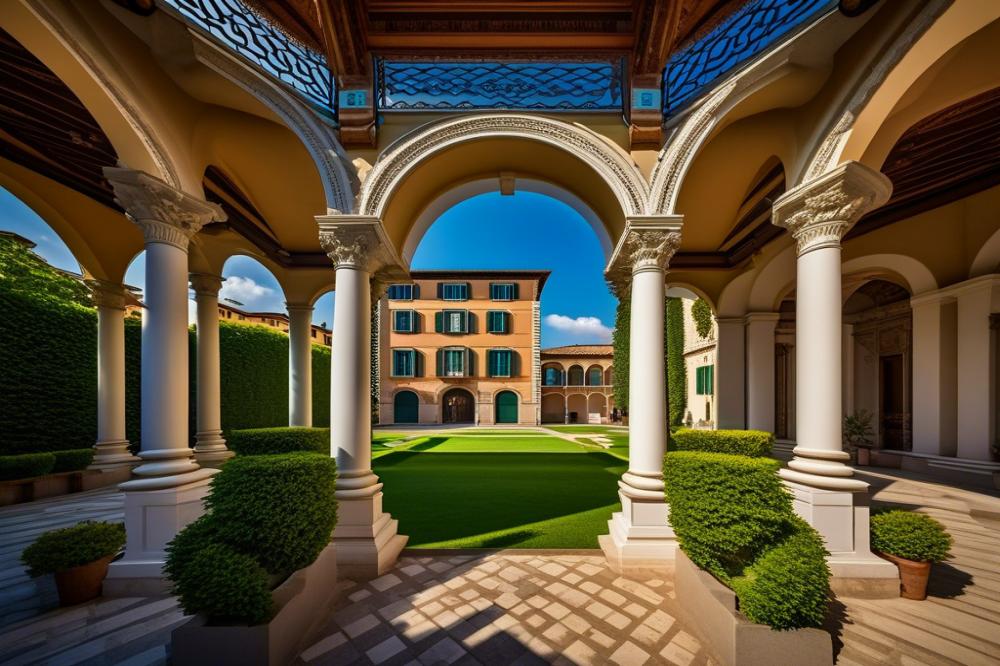
Palazzo Schifanoia stands as a remarkable example of Renaissance architecture nestled in the heart of Ferrara, Italy. This leisure palace was built in the 15th century for the Este family, who were influential rulers in the region. It served as a retreat for relaxation and entertainment, showcasing the elegance of its time. Recognized for its stunning frescoes, this historical landmark has become a symbol of the city’s rich cultural heritage.
In the broader context of Italy’s famous palaces, it holds a special place. Ferrara’s artistic and architectural history is deeply intertwined with the Este family’s legacy. This family supported many artists, fostering a thriving environment for the arts during the Italian Renaissance. As a result, visitors admire both the beauty of the palace and the stories it tells about its former inhabitants.
Frescoes adorning the walls of Palazzo Schifanoia illustrate the power and patronage of the Este family. Each panel reveals themes of mythology and astrology, offering insight into the Renaissance mindset. Inevitably, the palace contributes to Ferrara’s designation as a UNESCO World Heritage site, celebrating its historical importance. Tourists and art enthusiasts alike find themselves captivated by the grandeur and cultural significance of this leisure palace.
Historical Background
Origin and Construction of Palazzo Schifanoia
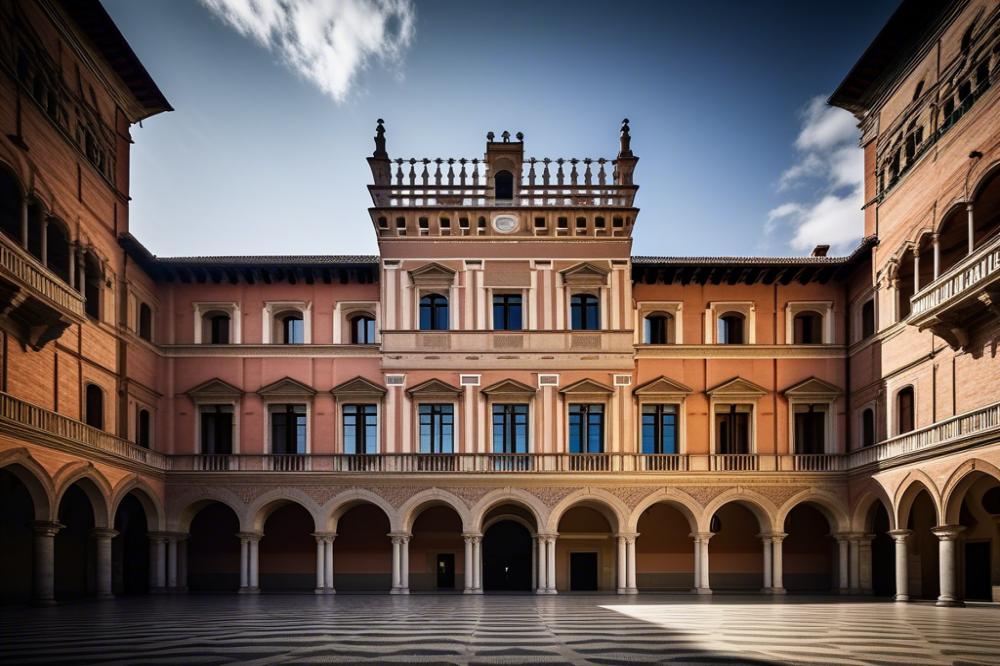
The construction of the grand leisure palace began in the early 15th century. Giovanni Battista d’Este commissioned this remarkable building for his family. Designed as a retreat, it reflected the lifestyle of the elite during the Italian Renaissance. Unmistakable, the palace’s architecture showcases the beauty of the period. Several years passed before the structure was fully realized, with skilled artisans contributing their talents. This creation became a significant historical landmark in Ferrara.
Role of the Este Family in Establishing the Palace as a Leisure Retreat
The Este family played a vital role in transforming Palazzo Schifanoia into a renowned leisure retreat. They hosted numerous cultural events, bringing together artists and intellectuals of the time. Under their patronage, the palace flourished as a center for art and culture. Frescoes adorned the walls, celebrating mythology and the natural world. These artworks served to impress visitors and assert the family’s influence. Social gatherings at the palace were often extravagant, showcasing wealth and refinement.
Historical Contexts: Renaissance Italy and Ferrara
During the Renaissance, Italy was a hub of artistic and cultural advancements. Cities like Florence and Venice flourished alongside Ferrara, each contributing to the rich tapestry of this period. Scholars and artists sought inspiration throughout the region. Ferrara, with its strategic location and powerful ruling family, became a focal point. The Este family’s commitment to art and education helped elevate its status. As a part of the UNESCO World Heritage site, Palazzo Schifanoia stands as a testament to Ferrara’s historical significance. Renaissance art thrived in this environment, leaving a lasting legacy for future generations.
Architectural Features
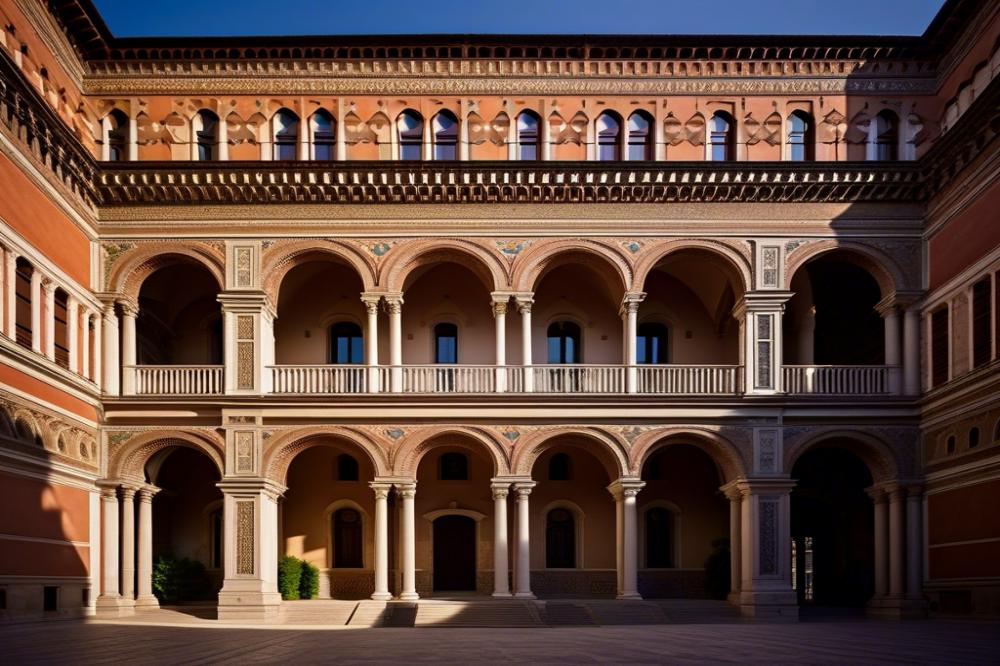
Palazzo Schifanoia stands as a remarkable example of Renaissance architecture, showcasing the style embraced by the Este family of Ferrara. This leisure palace reflects the humanist ideals of the time, emphasizing harmony, proportion, and beauty. Influenced by classical antiquity, the building features elegant columns and lofty arches. Visitors often marvel at its grand façade, adorned with intricate details that highlight the artistry of the era.
Key elements of Renaissance architecture are present throughout the structure. Symmetry plays a crucial role, with balanced proportions that create a sense of order. Noteworthy is the use of light and space, allowing for airy interiors that invite contemplation and relaxation. The grand hall, with its stunning frescoes, exemplifies the integration of visual art with architectural design. This hall served not just as a gathering place but also as a canvas for celebrated artists of the time.
When compared to other Italian Renaissance palaces, Palazzo Schifanoia offers distinct features yet shares common threads. For instance, the use of open courtyards is seen in many similar structures, enhancing the connection between indoor and outdoor spaces. Additionally, the incorporation of frescoes into the design reflects a broader trend among aristocratic homes during this period. Palaces in cities like Florence and Rome also communicate the values of Art and Culture, much like this historical landmark in Ferrara.
Ultimately, this leisure palace embodies the spirit of its time, serving both as a retreat for the Este family and a showcase for Renaissance art. This unique blend of architecture and artistry continues to attract visitors, allowing them to experience the beauty and history of a UNESCO World Heritage site.
Frescoes of Palazzo Schifanoia
The frescoes at the leisure palace in Ferrara are a remarkable testament to Renaissance artistry. They highlight the wealth and cultural aspirations of the Este family, who commissioned the decoration. Visitors often find themselves captivated by these stunning artworks that showcase both skill and imagination.
Overview of the Frescoes and Their Significance
Crowning the walls of Palazzo Schifanoia, these frescoes are far more than mere decoration. They serve as visual narratives that reflect the ideals and values of the time. Art and culture flourished under the Este family’s patronage, making the palace an important part of architectural history.
Artists Involved in the Fresco Creation
Several prominent artists contributed to these breathtaking works. Among them, Francesco del Cossa stands out, known for his exquisite detail and use of color. Another key figure was Ercole de’ Roberti, who added his unique perspective to the scenes. These artists not only painted but also helped shape the course of Renaissance art in Italy.
Themes and Symbolism Depicted in the Artworks
Each fresco conveys rich themes and symbolisms. One can observe allegories of seasons and fortune, illustrating the natural cycles of life. Various mythological figures frequent the scenes, reinforcing connections to classical antiquity. Such thematic choices reflect the humanist principles that were gaining ground during this era.
Contribution to Renaissance Art
The frescoes have had a lasting impact on the development of Renaissance art. Scholars often cite them as exemplary works that bridge the gap between previous artistic traditions and the innovations of the Renaissance. By emphasizing perspective and human emotion, these artworks set standards that would inspire generations of artists. Today, they are celebrated as part of a UNESCO World Heritage site, drawing admirers from around the globe.
Cultural Significance
The role of the leisure palace in Ferrara extends beyond mere elegance. It was a vibrant part of the city’s cultural life during the Renaissance. Designed for the Este family, its purpose was to serve as a retreat for relaxation and entertainment. This palace became a center for artistic expression, drawing in many talented individuals. Notable artists contributed remarkable frescoes that still captivate visitors today.
Art and culture flourished within its walls. Giovanni Battista Piranesi, a prominent artist, admired the architecture and the stunning murals. The frescoes reflect the ideals and values of the Renaissance period, showcasing both mythological and allegorical themes. Such works were not only aesthetically pleasing but also symbolized the power and influence of the Este family. They believed in art as a tool for propaganda and a way to display their wealth.
Ferrara’s historical landmarks, including the leisure palace, played a significant role in the region’s identity. The palace’s unique combination of architecture and imagery speaks volumes about the artistic trends of its time. Engaging with these masterpieces offers insight into the lives of those who lived during the Italian Renaissance. Each room within the palace tells a different story, steeped in history and culture.
As recognition of its importance grew, the site gained status as a UNESCO World Heritage site. This honor highlights its global significance, along with its historical and artistic value. Visitors flock to see the expansive wall paintings and intricate designs that characterize this remarkable location. The palace stands as a testament to the rich cultural tapestry that is woven throughout Ferrara’s history.
Visiting Palazzo Schifanoia
Visitor Information and Accessibility
Ferrara’s Palazzo Schifanoia welcomes visitors every day except Mondays. The hours vary by season, so checking the official website is a good idea. Accessible ramps and facilities are available for those with mobility challenges. Audio guides provide valuable insights into the architecture and history of this leisure palace. Nearby parking areas make it easier for tourists arriving by car. Public transport is also an option, with buses stopping close to the entrance.
Key Highlights for Tourists
Tourists will be captivated by the magnificent frescoes that adorn the palace’s walls and ceilings. Created during the Italian Renaissance, these artworks depict scenes related to the Este family and their remarkable legacy. The Hall of the Months is particularly famous, displaying a stunning cycle of allegorical figures. Visitors often enjoy walking through the gardens, which offer a serene escape from the bustling city life. Learning about the role of this site in Renaissance art and culture enhances the experience. Engaging with knowledgeable guides can reveal fascinating anecdotes about the Este family’s influence on Ferrara.
Importance of Preservation of Historical Landmarks
Preserving historical landmarks like this one is essential for future generations. These sites serve as a tangible connection to the past, helping people understand the cultural heritage of places like Ferrara. UNESCO World Heritage designation highlights their global significance. Restoration efforts can help maintain the frescoes and architectural features, ensuring their beauty lasts. Protecting such treasures allows us to cherish and learn from the rich tapestry of human history. Every visit contributes to the ongoing appreciation and conservation of Renaissance history.
Final Thoughts
The significance of the leisure palace in Ferrara during the Renaissance era cannot be overstated. It served not only as a grand residence for the Este family but also as a hub of artistic innovation and cultural expression. The magnificent frescoes found within its walls capture the spirit of a time when art flourished and creativity was celebrated.
Visitors today can appreciate the lasting legacy of this historical landmark. It stands as a testament to the brilliance of Renaissance artists and their dedication to capturing the beauty of life. Each painted scene tells a story, reflecting the ideals and aspirations of the period. The richness of its art continues to draw people from all over the world.
When planning a trip to Italy, consider making time to explore this hidden treasure. Engaging with its history provides insight into the cultural roots that shaped modern society. Appreciating such landmarks helps preserve their stories for future generations. Ultimately, experiencing this slice of history enriches one’s understanding of both Ferrara and the Renaissance itself.

