
Introduction
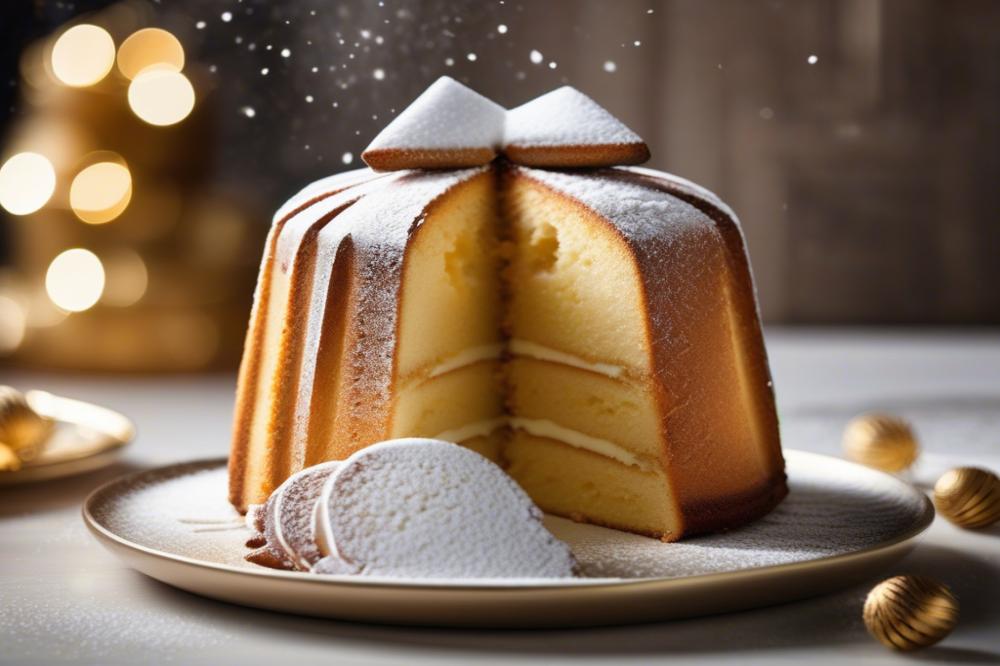
Italy is known for its rich culinary traditions, and among them, the festive baking of a beloved cake stands out prominently. This Italian dessert, often enjoyed during the winter holidays, brings warmth and joy to many families. Crafted with care, it embodies the spirit of celebration. Each slice reveals a soft, fluffy texture and a subtle sweetness that delights the palate.
Christmas cakes hold a special place in holiday traditions. They symbolize togetherness and the joy of sharing moments with loved ones. These delightful treats often feature in gatherings, bringing people together around the table. During this season, families engage in the time-honored ritual of baking, creating cherished memories as they follow traditional recipes passed down through generations.
The origins of this golden cake can be traced back to Verona, a city filled with rich history and gastronomic delights. Here, bakers perfected the art of creating this gourmet dessert, which has become a staple in many Italian households during the festive season. Each bite reflects the culinary heritage of the region, making it a cherished part of Italy’s Christmas celebrations.
The History of Pandoro
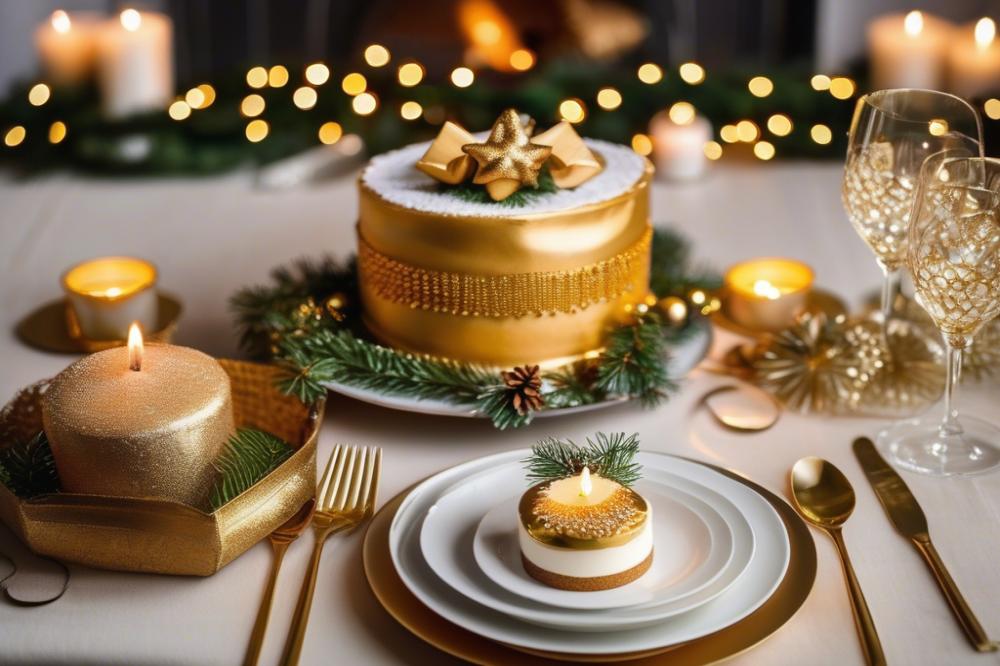
The origins of this delightful Christmas cake can be traced back to Verona, Italy. In the 19th century, bakers began creating a sweet bread that would eventually evolve into the beloved golden cake we know today. It was originally called “Pan d’Oro,” which translates to “bread of gold,” in reference to its rich color and luxurious taste.
Italian dessert traditions have a long and fascinating history. The evolution of sweet bread reflects the changing tastes of the culture. Over the years, various recipes were developed, influenced by local ingredients and regional customs. The blending of traditions contributed to what we see now during winter holidays.
During the festive baking season, many families pass down traditional recipes from generation to generation. For some, making this gourmet dessert becomes a cherished holiday ritual. Its presence on tables symbolizes joy and warm celebrations, marking special moments shared with loved ones.
The significance of this delightful treat goes beyond just flavor. It plays a vital role in the culinary heritage of Italy. Each bite of this cake carries the essence of Italian culture. As families gather around their tables, the golden cake offers a sweet connection to the past and to each other.
In recent years, this cake has gained popularity worldwide. People appreciate its soft, buttery texture and fine aroma. This dessert is more than simply a treat; it represents the spirit of the holidays and the joys of togetherness.
Ingredients and Preparation

Baking the perfect Christmas cake requires the right ingredients. For a genuine Pandoro, you’ll need flour, sugar, eggs, butter, milk, and yeast. Vanilla extracts and a pinch of salt enhance flavor. The use of high-quality ingredients makes all the difference in taste. These components blend to create a rich, fluffy sweet bread that melts in your mouth.
Step-by-step Process
Starting the baking process involves a few essential steps. Begin by preparing a starter with yeast, warm milk, and a small amount of sugar. Allow it to sit for about an hour until it bubbles. In a mixing bowl, combine flour, sugar, and salt. Next, add eggs and the bubbly starter. Mix these ingredients until a dough forms.
The dough needs time to rise. Let it rest in a warm spot for at least two hours. Once it doubles in size, incorporate softened butter gradually. Knead until the dough is smooth. Another rise is necessary, so cover it and leave it for another hour. After this, mold it into a star-shaped form and place it in a buttered mold.
Heat your oven to a moderate temperature. Bake the golden cake until it’s puffed and golden brown, typically about 30-40 minutes. Allow it to cool completely before dusting with powdered sugar. The result is a stunning and festive baking masterpiece, perfect for winter holidays.
Differences Between Pandoro and Other Italian desserts
Both Pandoro and Panettone are beloved Italian desserts, but they have key differences. The texture of Pandoro is soft and airy, whereas Panettone features a fruit-filled variation. While Panettone often contains candied fruits and raisins, the golden cake remains simple. This simplicity emphasizes its buttery flavor and tender crumb.
Serving styles vary too. Pandoro typically presents as a tall, star-shaped cake, showcasing its beautiful golden layer. Panettone, on the other hand, appears more upright with its domed top. These distinctions make each treat special in holiday traditions. Both represent Italy’s rich culinary heritage and are cherished during festive gatherings.
Cultural Significance and Holiday Traditions
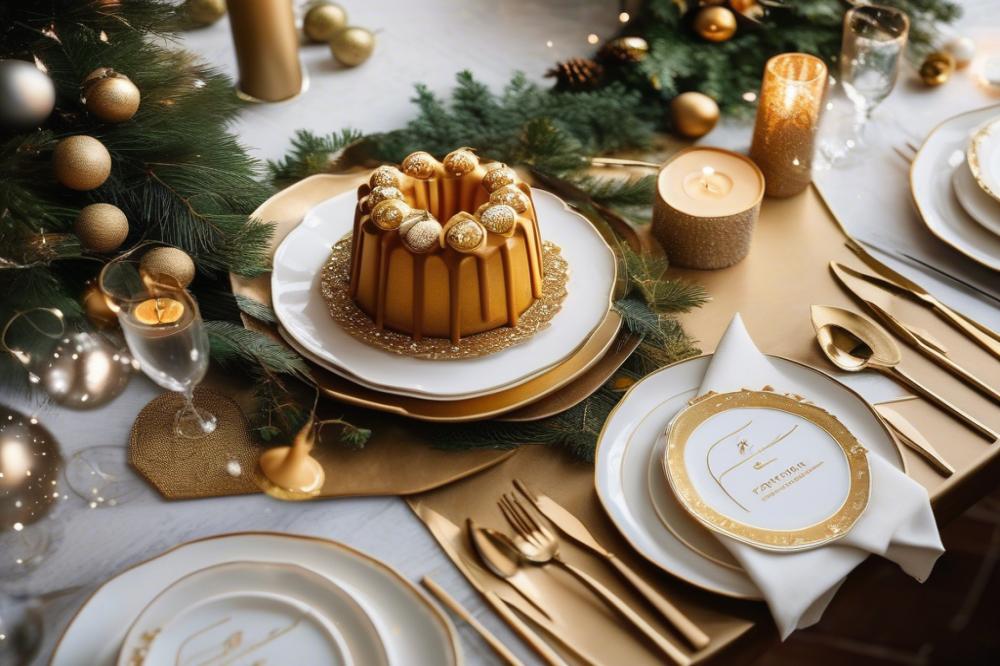
This delightful golden cake plays a central role in Italian winter holidays. Every family has its own festive baking traditions. While many might choose panettone, this sweet bread stands out for its airy texture and rich flavor. Its connection to Christmas is deep-rooted, celebrated across Italy and beyond.
During the holiday season, Pandoro often graces the dinner table. It symbolizes warmth and togetherness. Families come together to enjoy this gourmet dessert, sharing stories and laughter. Dusting it with powdered sugar gives it a snowy appearance, perfect for Christmas. Traditions vary from one region to another, but sharing this cake is a common thread.
When comparing it to other Italian desserts, its uniqueness shines even brighter. Both panettone and pandoro are popular choices, each with its own distinct taste and texture. While the former contains fruits and nuts, the latter focuses on simplicity and buttery goodness. Traditional recipes of each cake reflect the culinary heritage of the regions they come from. This diversity aids in making holiday celebrations truly special.
Incorporating this holiday treat into festivities adds a touch of elegance. Many enjoy pairing it with a warm beverage, enhancing the cozy vibe of the season. The golden cake embodies the spirit of giving and sharing during winter holidays, making each bite a joyful experience. It’s not just about flavor; it’s about connection.
Serving Suggestions and Pairings
Traditional Ways to Serve Pandoro
Fluffy and rich, this Christmas cake is best enjoyed in its classic form. Slice it into thick, generous pieces. Dust with powdered sugar for a simple yet elegant touch. Traditionally, Italians serve it with a cup of espresso. Some families have a unique way of drenching it in warm chocolate sauce. Layering thick cream in between can also be a delightful variation.
Pairing Suggestions with Wines or Other Festive Beverages
Wines can elevate the flavors of any Italian dessert. A sparkling Prosecco complements the sweet bread perfectly. For those who prefer something stronger, a dessert wine like Vin Santo can add an interesting depth. If you’re hosting, consider serving it alongside mulled wine. This warm beverage, with its spices, enhances the essence of winter holidays. Coffee lovers might prefer pairing their slice with a rich cappuccino.
Creative Toppings and Accompaniments to Enhance Flavor
Don’t hesitate to get creative with toppings for this golden cake. Whipped cream adds a light, airy texture. Fresh berries provide a tangy contrast to the sweetness. Almond slivers can give an added crunch, enhancing the overall experience. For a festive touch, try drizzling it with caramel or decorating with candied fruit. These additions not only look beautiful but also pay tribute to traditional recipes passed down through generations. Embrace the culinary heritage of Italy and explore various combinations that tickle your taste buds.
A Festive Conclusion
The role of this elegant Italian dessert as a gourmet treat during the holidays cannot be overstated. Every slice offers a taste of tradition, making it a beloved centerpiece at Christmas gatherings. This delicious cake captures the essence of Italian baking with its soft, buttery texture and its dusting of powdered sugar. Its golden hue brings warmth and joy to the table, embodying the spirit of festive celebrations.
As the holiday season approaches, it is a perfect time to explore traditional recipes and perhaps try your hand at making your own version of this iconic dessert. Family gatherings often revolve around shared food experiences, so why not add a personal touch to your holiday festivities? Homemade treats carry a special charm that store-bought versions simply cannot match.
Celebrating the charm of festive Italian baking, this cake is a staple that brings people together. Its rich history and delightful flavor make it more than just a Christmas cake; it transforms ordinary moments into unforgettable memories. Embrace this tradition and make your next holiday gathering even more special with the addition of this cherished sweet.

