
Introduction
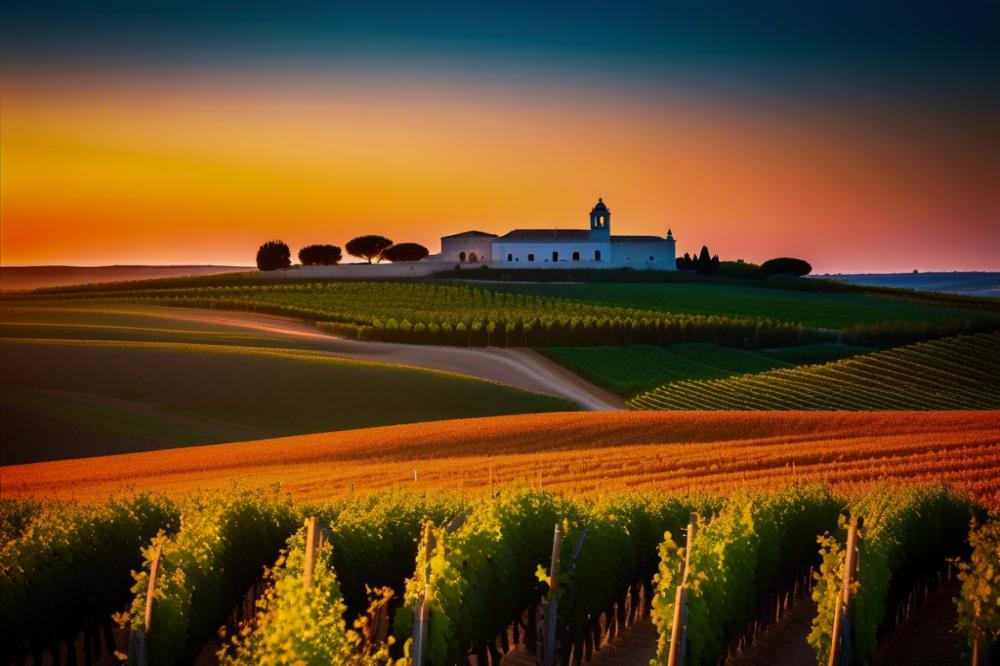
Puglia, often referred to as the “heel of Italy’s boot,” is a remarkable region famed for its rich traditions and diverse landscapes. This sun-soaked area is a treasure trove for Italian wine lovers. With its unique climate and fertile soil, wine production flourishes here. The region has a storied history, holding an important place in the heart of Italian wine culture. Puglia’s position in southern Italy contributes significantly to its reputation as a key player among the wine regions of the country.
Within this vibrant landscape lies Primitivo di Manduria, a wine that stands out as a flagship of Puglia. Known for its deep flavors and intense aromas, this wine captures the essence of its origin. It showcases what Puglia red wines are all about: boldness, complexity, and a connection to the land. wine tasting in this area reveals the charm of its offerings and the dedication of local producers.
The Primitivo grape lies at the heart of this exquisite wine. Its thick skin contributes to the deep color and rich flavors found in the final product. Often described as having notes of dark fruit, spices, and a hint of earthiness, it embodies the region’s terroir perfectly. Anyone who explores Puglia’s vineyards quickly learns about the characteristics that make the Primitivo grape so special.
Food pairing becomes an exciting adventure with Primitivo di Manduria. The wine complements various dishes, from hearty pasta to grilled meats. As one savors the taste of this beloved wine, it’s easy to appreciate the passion and history that shape the world of Puglia’s wines.
The Origins and History of Primitivo di Manduria
Wine production in Manduria has deep roots. This region, located in Puglia, has been a hub of winemaking for centuries. Historical records indicate that vineyards thrived here even during ancient times. The fertile soils and favorable climate create ideal conditions for grapes to flourish.
Ancient cultures significantly shaped local winemaking traditions. The Greeks were among the first to introduce grape cultivation to Italy. They recognized the potential of the land. Later, the Romans expanded these practices, celebrating the art of wine. Their love for Italian wine laid the groundwork for future generations.
Throughout the years, the Primitivo grape evolved. Initially, it may not have been distinct. Over time, however, it became synonymous with southern Italy. Different grape varieties were cultivated, but Primitivo stood out for its rich flavors and high alcohol content. The unique terroir of Manduria suited this variety perfectly, allowing winemakers to create exceptional wines.
Modern wine tasting reveals the remarkable characteristics of Primitivo di Manduria. With its bold fruit flavors and spicy undertones, it has become a favorite among wine enthusiasts. Expert food pairing can enhance its qualities, making it an ideal choice for various dishes. From hearty pasta to grilled meats, the possibilities are endless.
Today, this historical wine region continues to thrive. The commitment to quality production remains strong. Many wineries embrace both tradition and innovation in their methods. As a result, Primitivo di Manduria holds a special place in the world of Italian wine.
The Terroir of Primitivo di Manduria
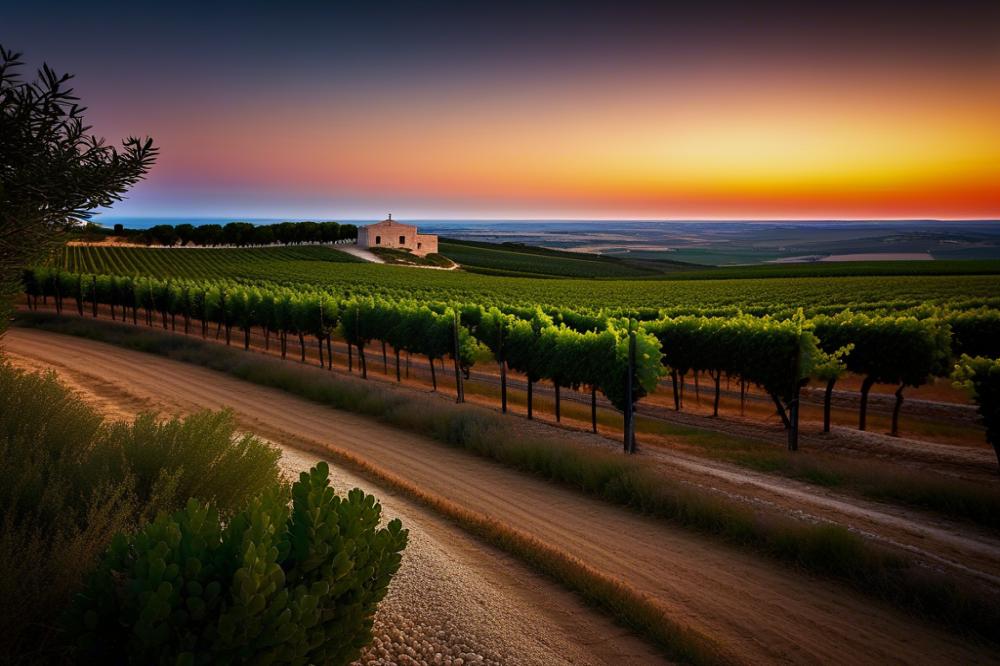
The area around Manduria offers a rich tapestry of terroir that plays a crucial role in creating some of the best Italian wine. Coastal influences blend with the unique geographic features of Puglia. Fertile valleys, rolling hills, and ancient soils form the backdrop for the Primitivo grape’s growth. This region benefits from its location in southern Italy, where warm sun and sea breezes create ideal conditions for grape cultivation.
Soil Types and Climate
Soil types in Manduria are varied but predominantly consist of clay and limestone. These soil conditions help retain moisture, particularly important during dry spells in the growing season. The climate features hot summers and mild winters, contributing directly to the ripening process of the grapes. Such consistent warmth allows for more concentrated flavors to develop within the fruit. Ultimately, these elements work together harmoniously, supporting robust vineyard health.
Impact on Flavor Profile
This distinctive terroir significantly enhances the flavor profile of the wine. Dark fruit notes like blackberry and plum often dominate the taste experience. The natural sugars present in the grapes create a luscious sweetness balanced by a firm acidity. Earthy undertones and hints of spice also add depth to the overall character. Each sip brings forth layers that pair well with hearty dishes, making wine tasting an enjoyable exploration.
The history of wine production in Manduria reveals a deep connection to local traditions. Generations have cultivated vineyards on these lands, striving to respect the earth and its bounty. As a result, the evolution of the Primitivo di Manduria reflects both modern techniques and age-old practices. This region continues to gain notoriety as one of the premier wine regions in Italy, showcasing the charm of Puglia while honoring its past.
Wine Production Methods
Traditional and Modern Winemaking Techniques
In Puglia, the heart of southern Italy, both traditional and modern winemaking techniques thrive side by side. Traditional methods often involve hand-harvesting the Primitivo grapes. This ensures only the best fruit makes it into the fermentation process. Many local producers still use large oak casks for fermentation, allowing wines to develop deep flavors over time. In contrast, some modern wineries opt for stainless steel tanks, promoting a cleaner taste and highlighting the terroir. Blending techniques also vary, with some winemakers mixing older vintages with younger ones to achieve a balanced profile. Each approach tells its own story about the land and its wines.
The Role of Local Producers
Local producers play a crucial part in the quality of Primitivo di Manduria. Many of them come from generations of winemakers who have passed down their knowledge. They understand the land’s subtleties, which can significantly influence the character of the wine. Small family-owned vineyards often use organic practices, respecting the local ecosystem and ensuring healthier grapes. Such dedication to craftsmanship is evident in every bottle, captivating wine enthusiasts during tastings. These local artisans maintain the rich wine history of this region, connecting tradition with innovation.
Aging Processes and Their Effects
Aging wine can alter its taste and aroma dramatically. In Manduria, many producers employ both wooden barrels and concrete tanks for aging. Barrels impart additional flavors, like vanilla and spice, which can complement the natural fruitiness of the Primitivo grape. Alternatively, concrete tanks can help wine retain its freshness, showcasing the vibrant characteristics of the grape. As wine matures, tannins soften, and layers of complexity develop. This aging process enhances the wine’s texture and depth, ensuring a memorable experience for those who enjoy food pairing. The result is a wine that reflects its roots, delivering a true taste of Puglia.
Tasting Notes and Flavor Profile
The Primitivo di Manduria delights the senses with its bold flavors. Dark fruits like blackberry and plum often dominate the palate. These ripe flavors can be complemented by hints of spice, chocolate, and even tobacco. Occasionally, notes of black pepper emerge, offering a slight kick. The wine’s deep crimson hue hints at its full-bodied character.
Vineyard practices in southern Italy significantly shape these taste profiles. Vine training methods and the all-important terroir play a crucial role. For example, the warm climate of Puglia encourages grapes to ripen fully, resulting in richer flavors. Also, the type of soil influences what characteristics the grapes develop. Dry, sandy soils often yield wines with a certain minerality, enhancing the overall drinking experience.
When comparing this wine to other Italian red wines, nuances become apparent. Chianti, made from the Sangiovese grape, tends to have a lighter body and more acidity. Nero d’Avola from Sicily often presents earthy flavors, but the profile can be less fruity. In contrast, the Primitivo grape embodies deep, luscious sweetness alongside balanced acidity. Its robust nature makes it a favorite for many wine enthusiasts.
Food pairing is another element to consider with this vibrant red. Rich meats, like lamb or beef, go exceptionally well with it. Strong cheeses also complement the wine’s boldness. The versatility of Primitivo di Manduria shines through on a dinner table, providing a delightful experience for any gathering.
Wine history adds another layer to its allure. The Primitivo grape has roots that trace back centuries. Its journey is interwoven with the cultural tapestry of Puglia. New generations of winemakers are now bringing fresh techniques to this established tradition, promising even finer wines in the future.
Food Pairing with Primitivo di Manduria
The rich flavors of Primitivo di Manduria create exciting opportunities for food pairing. This southern Italian wine complements a wide range of dishes. Its bold character works well with grilled meats. Consider pairing it with a smoky barbecue. The wine’s fruitiness can balance the meat’s seasoning.
Puglia offers many regional dishes perfect for enhancing the tasting experience. Orecchiette pasta, often served with a robust meat sauce, pairs beautifully with this red wine. Another delightful option is the classic caciocavallo cheese. The cheese’s saltiness and creaminess contrast with the wine’s tannins well.
Exploring Regional Flavors
When dining, regional focaccia topped with tomatoes and olives complements the Italian wine nicely. The dough’s texture and flavors appeal to the senses when matched with the wine’s vibrant notes. Sliced, roasted lamb or local sausages add depth to the experience. Each bite brings out the wine’s complex aromas and flavor profile.
General Principles of Pairing Red Wines with Food
A few important guidelines can elevate any red wine tasting. Red wines typically pair well with hearty dishes. Look for proteins like beef, lamb, or game to create harmony in flavors. Rich sauces also enhance the wine’s fruit and tannin structure.
Keep in mind the weight of the dish. Lighter fare can sometimes overwhelm robust wines. Always think about the seasoning and preparation methods. Spicy or herbed dishes interact well with the wine’s fruitiness, while creamy sauces need a wine that can stand up to their richness.
Overall, food pairing is about balance. The goal is to create a harmonious experience. Experimentation is key to discovering new connections. Enjoy the journey of tasting with Primitivo di Manduria. Happy pairing!
The Future of Primitivo di Manduria
Puglia stands at the forefront of exciting changes in wine production. Producers in the region are experimenting with modern techniques while honoring traditional methods. These innovations have caught the attention of both local and international wine enthusiasts. The Primitivo grape thrives in this area, taking advantage of the region’s lush terroir and sunny climate. As more wineries embrace sustainable practices, the overall quality of Italian wine continues to rise.
Trends and Developments in Wine Production in Puglia
New trends are emerging in the wine industry. Many vineyards now focus on organic farming. This shift reflects a growing awareness of environmental impact and consumer demand for clean wines. Additionally, some producers are venturing into the world of natural wine. This approach piques the interest of adventurous wine tasters looking for something different.
Market Reception and International Recognition
Primitivo di Manduria has gained traction globally in recent years. Critics and consumers alike are recognizing its rich flavors and unique character. Awards at international wine competitions have bolstered its reputation. The wine beautifully complements regional cuisine, making it a favorite for food pairing. Southern Italy’s culinary landscape enhances its appeal. Expect to see more wine lovers requesting this variety at restaurants and stores alike.
Challenges and Opportunities for Local Producers
Despite its success, the journey forward is not without hurdles. Climate change poses a significant risk to vineyards. Producers must adapt to changing weather patterns that can threaten grape quality. However, challenges also present opportunities. Collaborations between local vintners foster innovation and share best practices. As they work together, the local winemaking community grows stronger, promising a bright future for this cherished wine region.
Final Thoughts on Primitivo di Manduria
Primitivo di Manduria holds a significant position in classic Italian wine. This remarkable red varietal reflects the richness of the Puglia region. Its bold flavors and deep color capture the essence of Southern Italy’s winemaking traditions. For many wine enthusiasts, it serves as an entry point to explore more complex Italian reds.
The diverse profiles of this wine can appeal to both casual drinkers and connoisseurs alike. Tasting each bottle reveals layers of fruit, spice, and earthiness. Wine tasting events often showcase this variety, highlighting its adaptability to different food pairings. With a history that intertwines with the culture of Puglia, this wine embodies both heritage and innovation.
Looking ahead, Primitivo di Manduria promises more than just enjoyment. It offers an opportunity for exploration. As more winemakers experiment with various techniques and aging processes, the future could reveal exciting new expressions. Enthusiasts will likely find even more reasons to celebrate this beloved varietal.
In summary, Primitivo di Manduria has carved out a place for itself in the global wine community. Its appeal continues to grow, ensuring that wine lovers will keep coming back for more. Whether you’re a seasoned expert or new to red wines, this one deserves a spot in your collection.

