
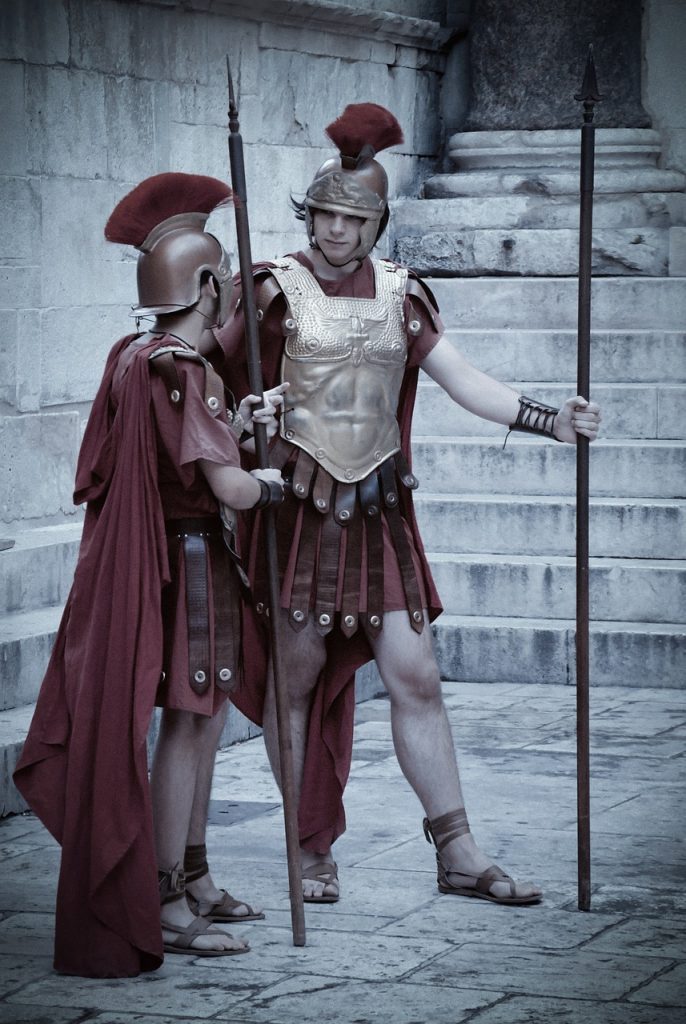
The Roman military, a formidable force in ancient history, was established on a foundation of discipline and deeply rooted customs.
Examining the daily life of a Roman soldier reveals the intricate balance between strict regulations and cherished traditions.
From the significance of adhering to orders to the rituals that fostered camaraderie, each element was crucial in sustaining a well-functioning army.
This article delves into the core elements of military culture, emphasizing how discipline and etiquette were vital to the success of Rome’s legions.
It elucidates what distinguished these soldiers as not merely warriors, but as a cohesive and respected unit.
Overview of Roman Military Culture
The military culture of ancient Rome was characterized by a distinctive combination of rigorous training, strict discipline, and deeply-rooted customs that profoundly influenced the behavior and daily routines of soldiers.
Each day commenced with intensive physical conditioning aimed at enhancing both physical fitness and mental acuity, while drills not only developed tactical skills but also fostered enduring camaraderie among comrades. The emphasis on rank and discipline ensured that commands were executed without question, creating a seamless organizational structure that enabled large groups to operate as a cohesive unit.
Core values such as courage, sacrifice, and loyalty were intricately embedded in the daily lives of soldiers, encouraging them to uphold the standards established by their leaders. Along with training regimens, various rites and traditions reinforced a strong sense of belonging, highlighting the soldiers’ identities as both warriors and integral components of the expansive Roman societal framework.
Discipline in the Roman Military
Discipline in the Roman military was not merely a requirement; it served as the foundation of effective military operations and a critical factor in maintaining order and respect among soldiers.
This discipline encompassed a stringent military code that dictated behavior and conduct, ensuring that soldiers acted with loyalty and obedience to their superiors. The emphasis on discipline was intricately linked with training protocols, accountability measures, and rituals of passage, which collectively shaped the mindset of each soldier.
Not only did this approach enhance combat readiness, but it also fostered a culture of camaraderie, which was essential for promoting teamwork in the face of adversity.
Importance of Discipline in the Army
The significance of discipline in the Roman army cannot be overstated, as it served as the foundation for both individual conduct and collective morale. Discipline ensured that each soldier comprehended his responsibilities and adhered to established customs and rituals, fostering a strong sense of teamwork and mutual respect among ranks.
Military drills and training regimens reinforced this discipline, preparing soldiers for any challenges that might arise on the battlefield. Ultimately, it was the unwavering commitment to discipline that transformed a group of individuals into a cohesive fighting force renowned for its efficiency and effectiveness.
This central tenet of military life resonated profoundly among the ranks, where adherence to orders not only minimized chaos but also cultivated a culture of loyalty and camaraderie. The soldiers’ ability to synchronize their efforts, even amidst the intensity of battle, was a direct reflection of their disciplined training.
When each individual understood their role and the expectations placed upon them, not only did morale improve, but an environment conducive to trust also emerged.
In essence, discipline served as the adhesive that maintained the formation, ensuring that every soldier could depend on his comrades, ultimately propelling them toward victory and reducing the likelihood of discord.
Consequences for Breaking Rules
Consequences for infractions within the Roman military were severe and served as vital lessons in accountability and respect for authority. Soldiers who deviated from the established military code faced penalties designed to reinforce the significance of discipline and proper conduct. These consequences ranged from minor reprimands to more severe measures, including physical punishment or even expulsion from the ranks, contingent upon the severity of the infraction. This system of accountability was crucial in maintaining order and ensuring that each soldier comprehended the gravity of their actions within the military context.
The various forms of punishment not only aimed to correct individual behavior but also instilled a sense of collective responsibility among the troops. The prospect of serious consequences loomed over any act of misconduct, compelling soldiers to reconsider their actions before deviating from the prescribed conduct. In this tightly-knit environment, the repercussions served a dual purpose: they deterred negative behavior while reinforcing the hierarchy and discipline foundational to military culture.
A thorough understanding of the implications of their actions fostered a deeper respect for authority, ultimately shaping soldiers who were more attuned to both their personal conduct and their obligations to their comrades and superiors.
Customs Among Soldiers
Customs among soldiers in the Roman military were instrumental in shaping their collective identity and fostering a sense of camaraderie essential for effective operations. These customs encompassed a wide array of rituals and traditions practiced not only during formal ceremonies but also in daily military life.
From grooming standards to encampment etiquette, these practices reinforced the values and loyalty that soldiers held towards one another and their superiors. Moreover, the adherence to these customs contributed to a cohesive social structure within the military ranks, enabling soldiers to bond and collaborate more effectively in the field.
Rituals and Traditions in the Military
Rituals and traditions in the Roman military significantly enriched the soldier’s experience and reinforced their commitment to the military code and to one another.
These meaningful practices fostered a profound sense of identity within the ranks, cultivating an emotional connection that transcended mere duty. Each ceremony, whether it involved the bestowal of military decorations or the solemn renewal of the loyalty oath, was meticulously designed to instill a sense of pride and accomplishment. Such occasions not only provided recognition but also offered a moment for reflection on the sacrifices made for the greater good.
As soldiers gathered to commemorate their shared achievements, the camaraderie strengthened their resolve, serving as a reminder of the values they upheld and the legacy they were continuing. Ultimately, this enhanced their collective morale and loyalty.
Etiquette in Interactions with Superiors and Peers
Etiquette in interactions with superiors and peers was a fundamental aspect of military life within the Roman army, underscoring the significance of respect for authority and appropriate behavior.
This social framework dictated how soldiers approached conversations, emphasizing the use of formal titles and the acknowledgment of ranks in both speech and conduct. Such practices not only reinforced the chain of command but also fostered a sense of camaraderie and discipline. For example, when a soldier addressed a commanding officer, the formal greeting established immediate respect and reaffirmed the authority of the superior.
Moreover, the expectation of courteous and restrained behavior among peers contributed to a supportive atmosphere in which collaboration could thrive. Ultimately, these etiquettes played a crucial role in preventing misunderstandings and promoting unity, enabling the military to function smoothly and efficiently during critical situations.
Daily Routine of a Roman Soldier
The daily routine of a Roman soldier was meticulously organized to enhance both training and combat readiness. Each day commenced with rigorous physical training, focusing on endurance and tactical awareness, followed by drills that reinforced military formations and principles of teamwork.
Responsibilities extended beyond physical training to encompass tasks such as weapon maintenance, adherence to grooming standards, and the preparation of encampments. This disciplined routine not only equipped soldiers with practical skills but also fostered a sense of discipline and camaraderie that was essential for their roles within the legions.
Typical Schedule and Duties
A standard schedule for a Roman soldier included a range of responsibilities that were crucial for both personal development and the overall effectiveness of the military.
Throughout the day, soldiers participated in strategic planning sessions, focusing on formations and tactics necessary for upcoming engagements. Regular inspections were conducted to ensure that equipment remained in optimal condition and was ready for immediate deployment, reflecting the high standards expected in military conduct. This meticulous attention to detail not only promoted individual responsibility but also fostered a sense of camaraderie among the ranks.
As the sun set, evenings were dedicated to reflection and review of the day’s training, providing soldiers an opportunity to assess their progress and reaffirm their commitment to the demanding nature of military life. This comprehensive routine cultivated resilience, discipline, and a deep understanding of their critical role within the larger framework of the legion.
Impact of Daily Etiquette on Military Success
Daily etiquette played a significant role in the military success of the Roman army by fostering a culture of respect and discipline that permeated every rank and unit. Adherence to established customs and protocols in interactions with superiors and peers enhanced communication and strengthened teamwork, both of which were critical for executing complex strategies during military engagements.
This emphasis on etiquette not only bolstered morale but also ensured that soldiers understood the importance of their roles and responsibilities within the broader military hierarchy. Ultimately, the cultivation of these practices contributed to the development of a well-functioning and cohesive fighting force.
How Discipline and Customs Contribute to a Strong Army
Discipline and customs collectively enhance the strength of the Roman army by establishing a framework that promotes unity and operational effectiveness.
This cohesive foundation creates an environment in which soldiers feel a sense of accountability not only to their leaders but also to their peers, fostering a bond that transcends individual ambition. When confronted with formidable challenges, this mutual reliance becomes an invaluable asset, enhancing the group’s ability to adapt and respond strategically.
Through rituals and ceremonies that commemorate their history and accomplishments, the military instills a sense of pride and belonging, thereby reinforcing the significance of maintaining both discipline and customs.
Ultimately, the seamless integration of these elements cultivates a formidable fighting force characterized by precision, mutual respect, and steadfast dedication to their mission.
”
