
Introduction
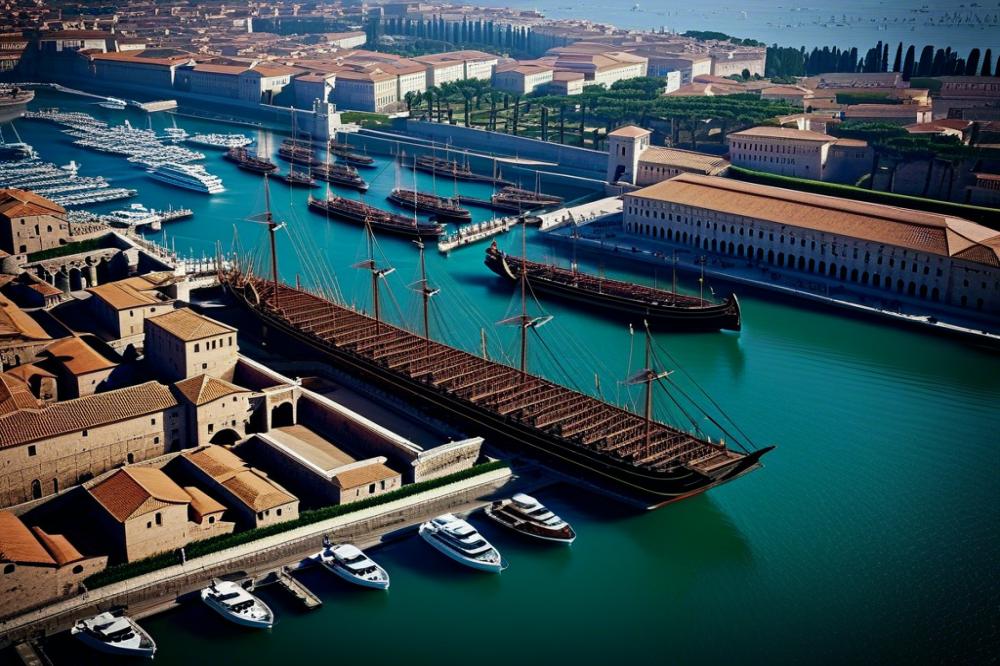
Defining the significance of harbors in ancient Rome reveals the vital role they played in the empire’s development. These sites were not merely docking locations for ships. They served as critical hubs for maritime trade and logistics, impacting daily life across the vast territories of the empire.
The Roman Empire thrived on its extensive maritime context. Vast trade routes crisscrossed the Mediterranean Sea, linking far-off lands and cultures. Goods such as grain, olive oil, and luxury items flowed through port cities, enriching the economy and supporting regional commerce. Roman naval power was inseparable from these economic activities, providing protection and enhancing the efficiency of maritime transportation.
This article will dive into the profound impact of these strategic locations on Trade and Military Supply. The integration of port infrastructure within the empire’s military logistics was essential for maintaining control over its territories. Understanding the economic importance of these maritime gateways illuminates how they shaped the empire’s prosperity and its capacity to sustain military power.
The Role of Roman Ports in maritime trade
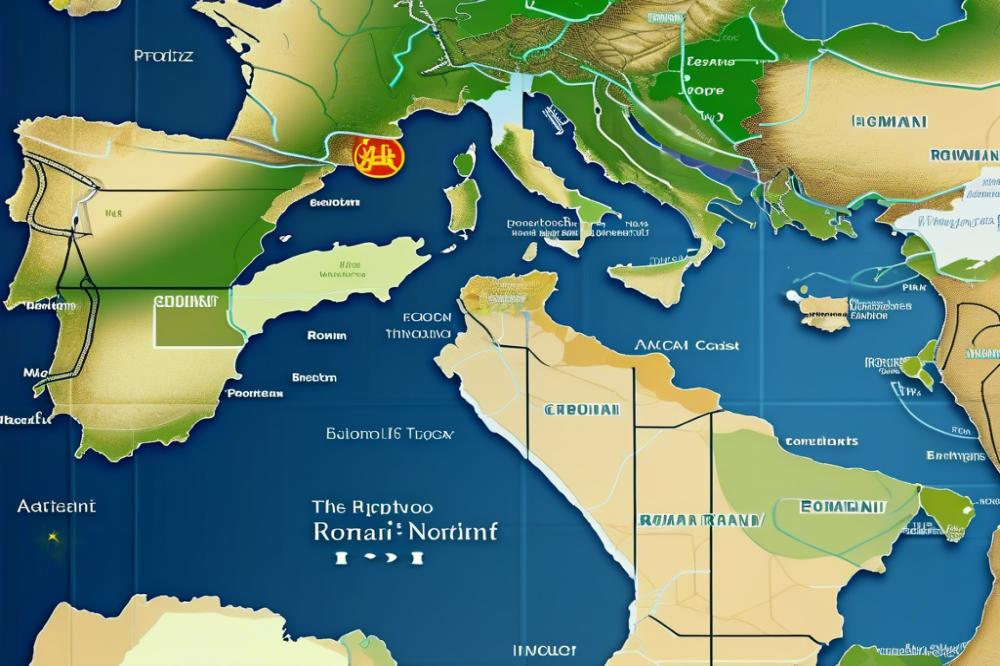
Several key ports played crucial roles in the maritime trade of ancient Rome. Ports like Ostia, located near the capital, served as the gateway to the Mediterranean Sea. Historians recognize Alexandria in Egypt as another significant hub. Its geographic location allowed goods from across the east to flow into Roman markets. Located at the mouth of the Nile, Alexandria was vital for grain shipments.
Trade routes that passed through these ports connected distant regions. These pathways facilitated commerce, enabling the movement of goods ranging from luxury items to basic supplies. Logistics were enhanced by these essential ports, which operated like gears in a larger economic machine.
Integration into Economic Framework
Port cities were more than simple docks. They played a fundamental role in the broader economy of ancient Rome. Through them, traders could access vast markets spread across the empire. Each port contributed to a system that kept food, goods, and resources flowing.
The importance of these locations extended to military infrastructure as well. In times of war, naval power relied on the efficiency of ports for supply lines. Troops and equipment were quickly dispatched from these critical sites. This vital logistics network helped maintain Roman dominance across its vast territory.
Both governmental oversight and private enterprise fueled economic growth in port cities. Officials regulated trade to ensure safety and fairness while merchants sought profit. Taxes collected on goods arriving through ports supported the state’s functions. Thus, ports became linchpins in the complicated web that sustained ancient Rome.
Logistics and Transportation in the Roman Empire
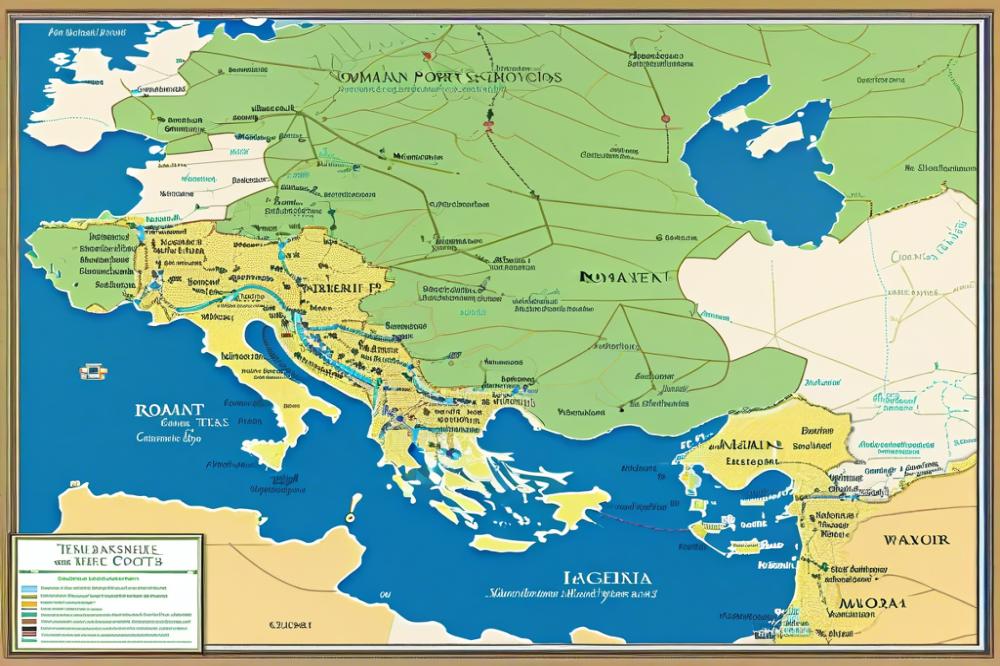
In ancient Rome, ports acted as crucial logistics hubs. These locations were essential for transporting goods across vast distances. Ships arrived loaded with products from different regions, bringing everything from olive oil to luxury silk. The efficiency of movement through these port cities significantly boosted maritime trade. Each port facilitated commerce by connecting various trade routes, keeping the flow of resources steady.
Goods weren’t the only things moving through these gateways. Naval power helped safeguard trade, ensuring that merchants could travel safely. Military infrastructure, like fortifications near ports, provided extra protection against potential threats. Importantly, the presence of a robust navy allowed for quick responses to piracy, a common issue that could disrupt commerce.
Infrastructure around ports also played a key role in trade efficiency. Major roads radiated from these hubs, linking them to inland areas. This network allowed for smooth transitions of goods. Warehouses located near the waterfront stored supplies and provided quick access for merchants. By having storage close at hand, traders could reduce delays and support a thriving marketplace.
Additionally, the size and organization of port cities contributed to their economic importance. Each city adapted to its unique environment, allowing for specialization in different goods. Some focused on fish, while others became known for grain. Such specialization increased the volume of trade, enhancing the overall economy of ancient Rome.
Furthermore, logistical challenges were often met with innovative solutions. Ships were designed for efficient loading and unloading, maximizing the amount of cargo transported. Regular maintenance of docks ensured they remained functional, even with heavy use. It was this blend of clever design and strategic planning that sustained the vast trade network throughout the empire.
Military Supply Lines and Naval Power
Ports acted as crucial links for military infrastructure throughout ancient Rome. These locations were not just endpoints for maritime trade but key to sustaining naval power. Each port offered advantages that supported the army and navy during campaigns. Efficient logistics allowed for the rapid transportation of troops, weapons, and supplies. Without access to well-placed ports, military efforts could falter.
Throughout history, specific conflicts highlighted the importance of port cities. The Punic Wars, for example, showcased how control over ports determined the outcome of battles. Carthage’s maritime dominance relied on its extensive network of harbors. Conversely, Rome’s naval operations depended on its seaports to outmaneuver the enemy.
Supply routes extending from these strategic locations ensured that fleets remained operational. Naval power hinged on uninterrupted access to resources. Sailors needed provisions, as did the legions waiting overseas. The constant flow of commerce through these waterways was critical for maintaining combat readiness.
Another example is the siege of Avaricum during the Gallic Wars. A well-supported port facilitated the movement of troops to engage in this conflict. Uninterrupted supplies from nearby ports allowed the Roman legions to build their strength and resources. Such examples underline the economic importance of ports in military strategy.
Moreover, ports aided in quick repairs of vessels. Damage inflicted during battles could render ships inoperable. Access to shipyards in port cities offered solutions. Repair and re-supply operations minimized down-time for naval fleets. Such logistics played a pivotal role in maintaining Roman power at sea.
Trade routes linked to these ports helped in building alliances too. Nations would seek mutual benefits through commerce, further enhancing military cooperation. This exchange solidified relationships that could be beneficial in times of conflict. Ports became centers for not just trade but diplomacy as well.
Economic Importance of Roman Ports
The economic impact of ports on local and imperial economies during ancient Rome was profound. Port cities acted as essential hubs for maritime trade, connecting various regions of the empire. Goods flowed in and out, stimulating commerce and creating wealth for merchants and local inhabitants alike.
Trade routes crisscrossed the Mediterranean and beyond, allowing for the exchange of various products. Grain, olive oil, wine, and textiles were among the most significant goods handled at these bustling sites. Ports facilitated the movement of raw materials, as well as luxury items, greatly influencing the lifestyle of citizens.
Logistics played a crucial role in this system. Proper management of transportation routes helped secure timely delivery of supplies. Without well-functioning ports, the empire would have struggled to maintain its naval power and military infrastructure.
Regional development often stemmed from the activities around port areas. Towns grew as they adapted to the influx of trade and travelers. This growth fueled local economies, leading to improvements in public works and services.
In addition to trade, ports supported the military supply lines that were vital for Rome’s expansion. Secure harbors allowed quick deployment of troops and resources. Infrastructure improvements, such as roads leading to these ports, further enhanced trade efficiency.
Overall, Roman ports were not merely places for unloading ships. Their economic importance resonated throughout the empire, shaping the livelihoods of many and facilitating a thriving culture of commerce.
Challenges and Decline of Roman Ports
As the empire faced various crises, coastal hubs encountered significant challenges. The decline of ancient Rome brought threats that severely hindered their effectiveness. Piracy surged, disrupting maritime trade and making travel perilous. Resources that once flowed freely became scarce as danger lurked in the waters.
Political instability also took its toll on port cities. With constant power struggles, attention shifted away from maintaining strong military infrastructure. Without effective governance, logistics suffered. Trade routes became unpredictable, causing merchants to hesitate. Fear seeped into commerce, affecting the economy at large.
Economic factors compounded the issues. As the empire weakened, the demand for goods fluctuated. Many regions could no longer supply products efficiently. Port cities, once thriving centers, began to see a decline in activity. Disruptions in transportation affected not just merchants but also the supply lines for the military.
Naval power suffered as fewer ships sailed the treacherous seas. Resources that supported the navy dwindled, leading to further vulnerabilities. Local economies began to crumble as trade slowed. In turn, the importance of these ports diminished, showing the fragility of a once-mighty empire.
Despite the challenges faced during this critical period, Roman ports left a lasting impact on future maritime history. The infrastructure built during their height influenced subsequent generations. Many coastal cities maintained their role as commerce hubs long after the fall of the empire. Lessons learned from ancient Rome’s triumphs and tribulations in maritime trade continue to resonate today.
Final Insights on the Role of Ports in Ancient Rome
Roman ports played essential roles in both trade and military logistics. They served as hubs for the movement of goods such as grains, olive oil, and wine. Through these harbors, Rome could connect with distant parts of its vast empire. Access to resources helped bolster the economy and fueled growth.
Military supply lines also heavily relied on these ports. Troops and supplies could be transported quickly, allowing Rome to respond effectively to threats. Strategic locations along the coastline allowed the empire to project power beyond its borders. Safe harbors provided re-supply points for naval fleets engaged in operations.
The impact of these ports extended beyond immediate benefits. They shaped ancient maritime trade routes that influenced commerce for centuries. Infrastructure built in that era laid the groundwork for future ports around the Mediterranean and beyond. Innovations in shipbuilding and cargo management emerged from the need to support strong maritime activities.
Reflecting on this history, it’s evident that Roman ports were more than just docking points. They were vital arteries of trade and military strength. Understanding their past can inspire current practices in maritime logistics. Lessons learned continue to resonate today and remind us of the importance of well-planned trade networks.

