
Introduction
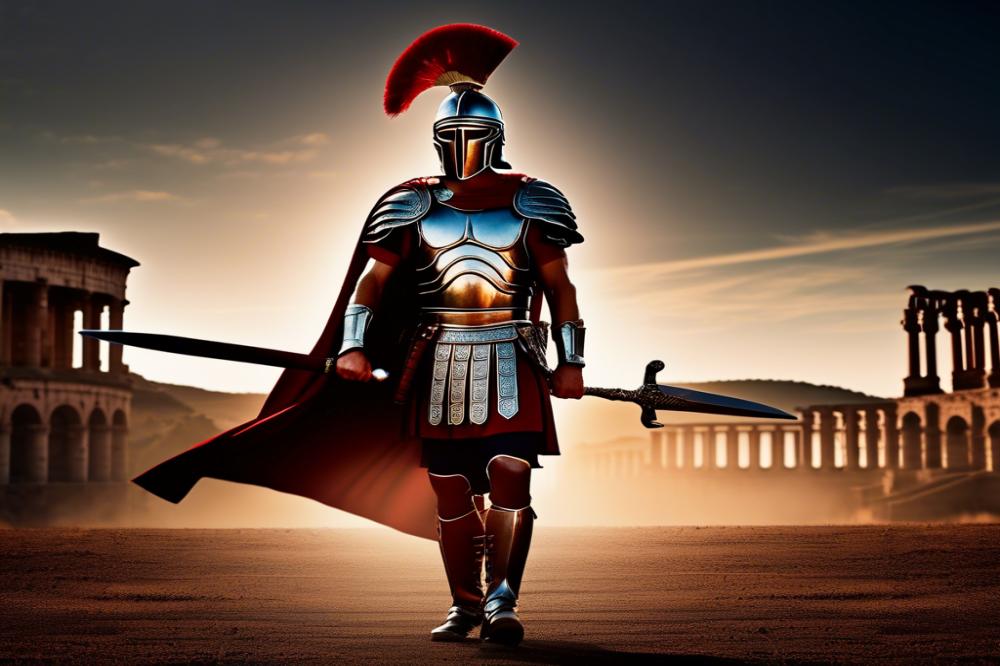
The Roman Empire was known for its military strength and organization. This powerful force shaped much of Europe during its reign. Roman legions conquered vast territories, thanks to disciplined formations and effective weaponry. Soldiers trained rigorously, focusing on strategies and combat skills that made them elite fighters.
Weapons and clothing were crucial for Roman soldiers’ effectiveness. A soldier’s armor provided protection, while their weapons allowed them to engage enemies from a distance or in close combat. Each piece of equipment played a role in their overall battle strategy. Among these tools, Roman spears and lances stood out as essential components in both infantry and cavalry units.
Spears served various purposes. They were utilized during battles and as hunting instruments. Lances found their primary use in cavalry charges. The unique designs of these weapons maximized their impact in warfare. By carrying reliable armaments, soldiers showed their commitment to their service and the Empire’s dominance.
Understanding the significance of these arms offers insights into military life. The evolution of #anchor_text_1# reveals how Romans adapted to different combat situations. With advancements in designs and techniques, soldiers efficiently executed their duties with pride. In addition, maintaining weapons like spears and lances reflected the soldiers’ dedication to their roles.
This article will examine the types of spears and lances used by the Roman forces. Readers will discover the craftsmanship that went into creating them and their importance on the battlefield. By exploring these elements, we can appreciate the strength and strategy of Roman military operations. The details we uncover will emphasize how #anchor_text_2# played a vital role in their success.
Historical Context of Roman Warfare
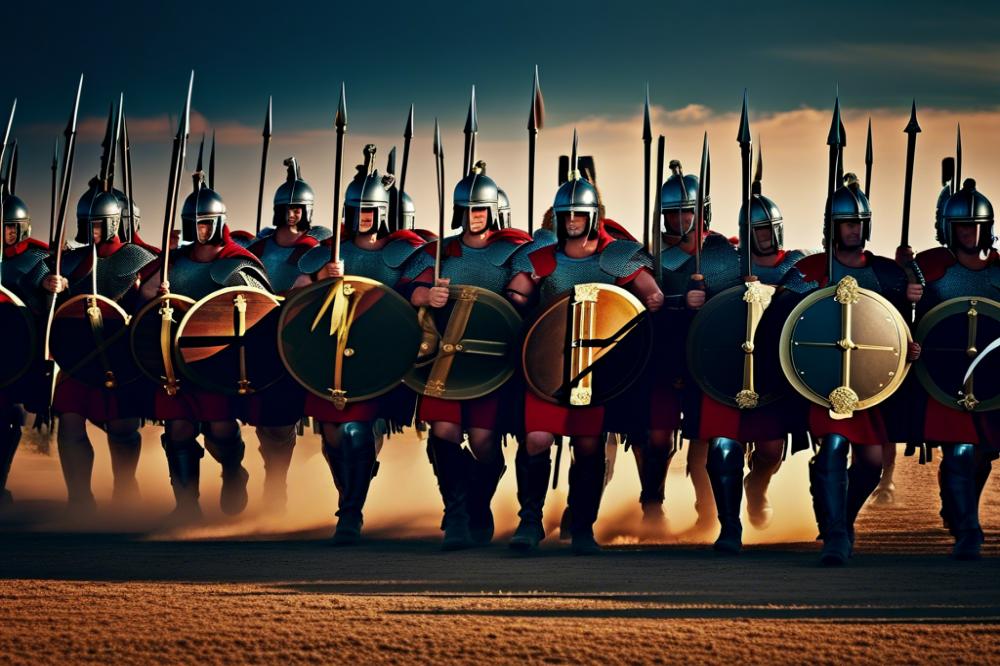
Roman warfare evolved significantly from the early Republic through the Empire. Initially, the military structure was more casual, relying heavily on citizen soldiers. As Rome expanded, the need for a more organized force became clear. Legions developed into the heart of Roman military might, with soldiers trained for various combat scenarios. A strong emphasis was placed on discipline and strategy. This transformation marked a turning point in how battles were fought.
Both infantry and cavalry played vital roles during conflicts. The backbone of the legions consisted of infantry, often armed with short swords and shields. These soldiers formed tight formations known as maniples. They were effective in close combat. On the other hand, cavalry units provided mobility and speed. They often charged into enemy lines, disrupting their formations. Each element worked together, allowing Roman armies to execute complex strategies.
Evolution of Weaponry Over Time
The armaments of Roman troops steadily improved. Spears, known as pilum, became essential tools. Weapons were designed not only for use in battle but also to hinder opponents. The pointed tips could penetrate armor, giving the Romans an edge. Over time, the design of lances and spears changed as military tactics evolved. Adaptations were often made based on lessons learned in previous encounters.
Technology also influenced these advancements. As metalsmithing improved, weapons became more durable. Soldiers relied on innovation, with different regions contributing unique designs. This variety allowed commanders to select the best tools suited for their strategies. Overall, the enhancements in weaponry were crucial for the success of both the legions and the cavalry.
Types of Spears Used by Roman Legions
Description and features of the pilum
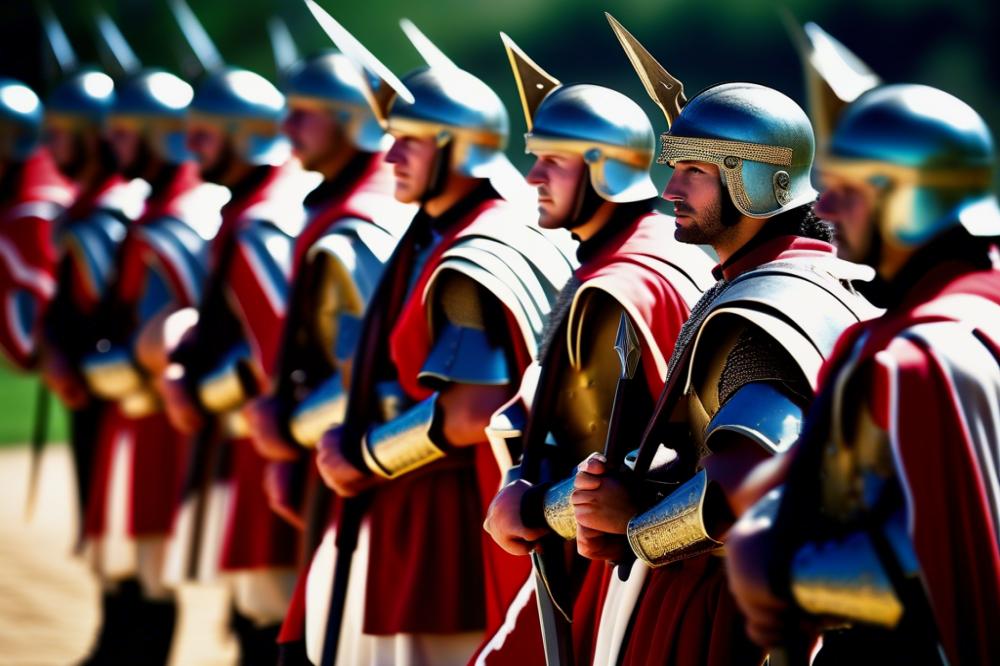
The pilum was a key weapon for Roman soldiers. This spear had a long wooden shaft, often around six to seven feet in length. At the front, it featured a heavy iron point. Its design included a thin neck that made it easy to bend. When thrown, its tip could pierce enemy shields and armor effectively. A pilum was not just a single-use weapon. If it missed its target, the shaft could also be used in hand-to-hand combat. This multifunctionality made the pilum an essential part of the Roman infantry’s arsenal.
Functionality of the pilum in combat and tactics
In combat, the pilum played a significant role in Roman tactics. Soldiers would often throw their pila before engaging in close-quarter fighting. This tactic helped to disrupt enemy formations. It could create chaos among the opposing ranks. The weight and design of the pilum ensured it would stick into shields, making them burdensome for enemies. Once the competing forces clashed, legionaries could utilize their gladii, or short swords, for further action. The transition from throwing the pilum to close combat showcased the versatility of Roman combat techniques.
The spiculum and its use in different military scenarios
Another notable spear was the spiculum. This weapon had a different design, resembling a javelin. Typically shorter than the pilum, its construction allowed for swift, agile throwing. Soldiers used spicula in various military scenarios. They could employ it for long-range engagements or close battles. In skirmishes, the spiculum was particularly effective for hit-and-run tactics. Roman cavalry also found it beneficial for mounted warfare. Like its counterpart, the pilum, the spiculum played a vital role in maintaining the effectiveness of the Roman military strategy.
Lances in Roman Cavalry
Characteristics of Roman cavalry lances
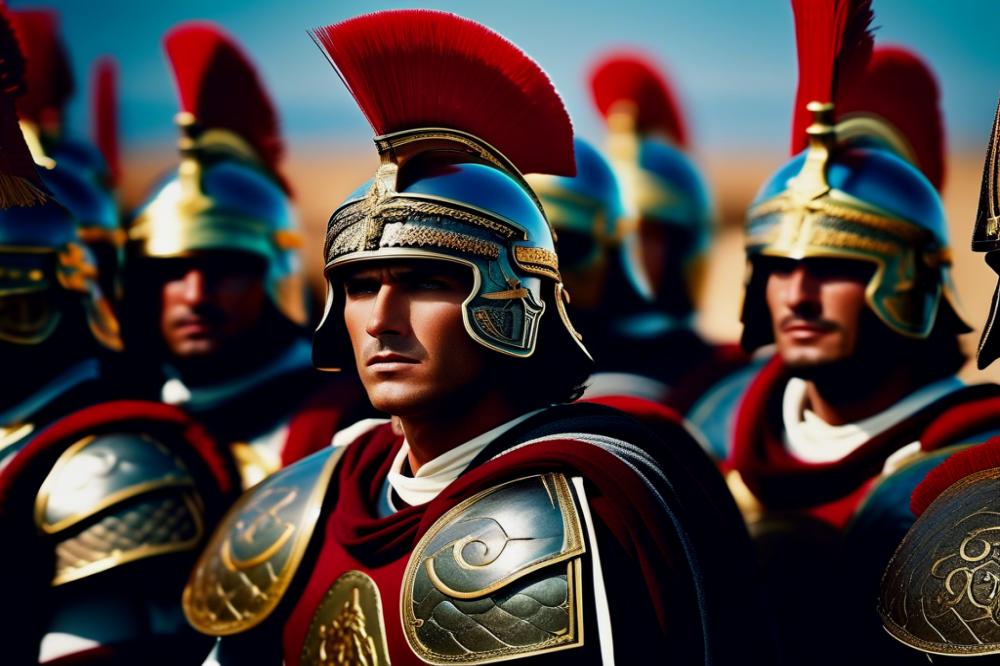
Roman cavalry lances were long, reaching lengths of about 3 to 4 meters. These weapons featured a sharp metal tip, designed for piercing armor and causing deep wounds. Often made from sturdy wood, the shafts were both lightweight and strong. The design allowed for effective thrusting while mounted, making them deadly in charges. A cavalryman wielding a lance could strike down on opponents from above, leveraging the height of his mount. Additionally, some lances had a barbed tip, which made removal after striking more difficult for the enemy.
Differences between infantry and cavalry weapons
Infantry soldiers typically used short spears or gladii for close combat. In contrast, cavalry lances prioritized reach and thrusting power. The weight distribution also varied; lances needed to be lighter to facilitate quick movements while riding. Infantry weapons focused on versatility in confined spaces, whereas cavalry lances were made to excel in wide-open fields. The difference in tactics required distinct weapon characteristics. Cavalry engaged in swift attacks, relying on momentum. This contrasted sharply with the steady advance of an infantry formation.
Importance of lances in mounted warfare and tactics
In mounted warfare, the lance was essential for controlling the battlefield. It allowed cavalry to disrupt enemy formations before they could respond effectively. Fast strikes could break enemy lines, causing chaos amid the ranks. Lancers often employed hit-and-run tactics, retreating quickly after striking. This method kept opponents off balance and needed precise coordination. Effectively used, lances could decide the outcome of battles, giving Roman cavalry a decisive edge. The combination of speed and reach transformed tactics in warfare, allowing the legions to dominate foes across various terrains.
Manufacturing and Materials
The production of Roman spears and lances was rooted in the availability of materials. Iron was the primary substance used for spearheads. Its strength made it ideal for piercing armor. Wood was essential for shafts, usually sourced from sturdy trees like ash or oak. Thus, the construction relied heavily on natural resources available in various regions.
Craftsmanship played a crucial role in weapon-making. Blacksmiths employed techniques such as forging and hardening. Heating iron until it glowed red was common, followed by hammering it into shape. This process sharpened the edges and created a strong point. Skilled artisans ensured that balance and weight were taken into consideration for effective use in battle.
There were notable regional variations in design and function. For instance, spears in Gaul often had longer shafts compared to those from Italy. This reflected different combat styles. Some regions favored broad heads while others preferred narrow points. Furthermore, cavalry lances were crafted for speed and mobility, influencing their design significantly.
The appearance of Roman spears also differed based on local customs. Decorated blades and intricate wooden shafts added a personal touch in some areas. Examples include the ornate lances used by certain cavalry units. The variation in weaponry indicated the diverse cultures within the Roman Empire.
Tactics and Strategies Involving Spears and Lances
Formation play was crucial for Roman legions. Spears, known as hasta, formed the backbone of infantry tactics. Soldiers would often stand shoulder to shoulder, creating a wall of pointed tips. This structure made it difficult for enemies to penetrate their ranks. Soldiers could strike at foes while remaining well defended. Individual combat, on the other hand, required different skills. A soldier trained with his spear could engage in close combat efficiently. Quick jabs and thrusts were essential for survival.
Cavalry Tactics with Lances
Lances played a vital role in cavalry operations. Mounted troops wielded these longer weapons for maximum reach. Charging at full speed, riders could deliver devastating strikes. The momentum of the horse added to the force behind each attack. Roman cavalry units often employed flanking maneuvers. They would circle around enemy forces, using lances to create chaos. Coordination among cavalry soldiers was essential for success. When done right, these tactics could turn the tide of battle.
Historical Examples
Many historical accounts highlight successful spear and lance tactics. The Battle of the Teutoburg Forest stands out as an exemplary case. Roman legions used their spears effectively against the Germanic tribes. Despite being vastly outnumbered, the disciplined formations paid off. The success during this battle showcased the effectiveness of tactical organization. Another impressive example occurred during the Battle of Carrhae. The Parthian cavalry utilized lances to disrupt the Roman infantry. Their hit-and-run tactics demonstrated the power of mobility in warfare.
Cultural Significance of Roman Weapons
Symbolism of Spears and Lances in Roman Society
In the world of ancient Rome, spears and lances were more than mere weapons. They represented power and authority. Roman soldiers wielding these tools were seen as protectors of the state. Young boys were often inspired by tales of brave warriors adorned with these arms. As such, these weapons became significant symbols of Roman identity and strength.
Representation in Art, Literature, and Military Honors
Throughout history, various forms of art showcased the importance of spears and lances. Pottery, paintings, and sculptures illustrated soldiers in battle, often highlighting their weapons. Writers, too, played a role in this representation. Epic poems frequently celebrated the might of the Roman legions. Military honors often included these weapons, symbolizing valor and achievement. The act of receiving a lance or spear in recognition was considered a high honor.
Influence on Later Military Traditions and Weapon Design
The legacy of Roman spears and lances extends beyond their time. Many military traditions adopted aspects of Roman warfare. Armies worldwide later modeled their tactics and armaments on these ancient warriors. Designs of modern firearms and melee weapons can trace their roots back to the Roman preference for long-range striking tools. This influence underscores how deeply ingrained these weapons were in both tactics and culture.
Final Thoughts on Roman Spears and Lances
Roman spears and lances played a crucial role in shaping the military effectiveness of the legions and cavalry. Their design and functionality allowed soldiers to engage effectively in both offensive and defensive situations. The gladius may have been the iconic sword of Rome, but it was the spear that remained a staple of battlefield tactics throughout the empire.
The impact of these weapons extended far beyond their time. Many armies that came after the Romans adopted similar designs and strategies. This influence can be seen in historical texts and relics from various cultures that reflect the tactical lessons learned from Roman warfare. Indeed, the use of polearms laid the groundwork for future military innovations.
Modern military systems can trace aspects of their own weaponry back to antiquity. Lances and spears are still found in various forms in contemporary armies. Their evolution from a simple weapon to an essential part of broader combat strategies illustrates how Roman innovations endured. #anchor_text_4# highlights this continued relevance in the study of military history.
In reflecting on these ancient tools of war, it becomes evident that their legacy is both rich and profound. The craftsmanship and battlefield applications set standards that resonate even today. Enthusiasts and historians often recognize these weapons for what they signify in terms of skill, strategy, and adaptability.
As we consider the development of #anchor_text_3#, one can’t help but admire how these tools influenced not just Rome, but the entire course of military evolution. Their legacy remains a testament to ancient ingenuity. The story of Roman weaponry is, therefore, not just about tools; it is about the very essence of warfare itself.

