
Introduction
The military significance of the Roman Empire cannot be overstated. At its peak, the Empire stretched across three continents, largely due to the effectiveness of its fighting force. Roman legions were known for their discipline and training, playing a vital role in the expansion and protection of this vast empire. As one of the key components of their battlefield success, soldiers relied heavily on their weapons to execute well-crafted tactics against their enemies.
Among these arms, the Gladius stands out. This short sword was not only a weapon but also a symbol of Rome’s military might. Designed for close combat, it allowed infantry to engage in rapid and deadly strikes. Roman Warfare was characterized by intense foot battles, and the Gladius became essential for overwhelming opponents in tight formations.
The connection between a soldier’s arms and victory in battle is clear. Effective weapons influenced the outcomes of countless skirmishes and wars throughout antiquity. The design and functionality of the sword directly impacted how battles unfolded on the ground. Understanding this relationship helps uncover the deeper layers of military history and the factors that contributed to the Roman Empire’s dominance in its era.
The Gladius: A Symbol of Roman Infantry

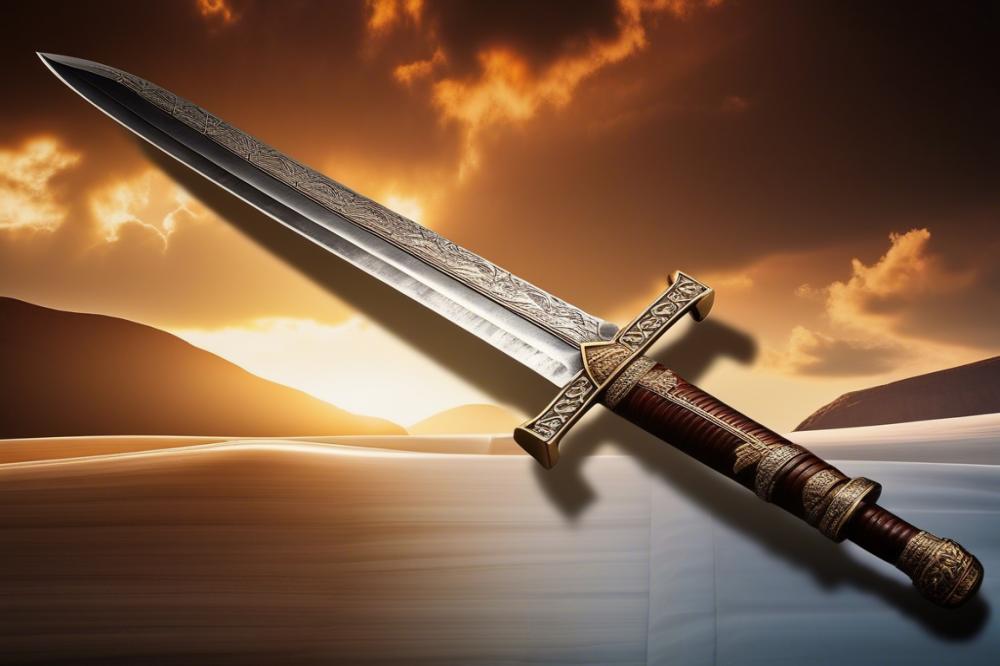
The gladius stands as an iconic weapon from antiquity. Crafted primarily for close combat, this sword features a short but wide blade, optimized for slashing and stabbing. Usually measuring around two feet in length, its design allows for swift motions in battle. The hilt is often wrapped in leather for a secure grip, empowering soldiers to wield it effectively. Its effectiveness in the hands of Roman infantry is legendary.
Variations of the Gladius Over Time
Throughout military history, the gladius underwent several transformations. One of the earliest forms, the gladius Hispaniensis, had a longer blade and was influenced by Iberian designs. As time progressed, variations emerged, such as the gladius Pompeius. This model boasted a more tapered end, allowing for finer thrusting attacks. Different legions adopted distinct styles, tailoring the weapon to their specific needs in warfare.
Role of the Gladius in the Formation and Tactics of Roman Legions
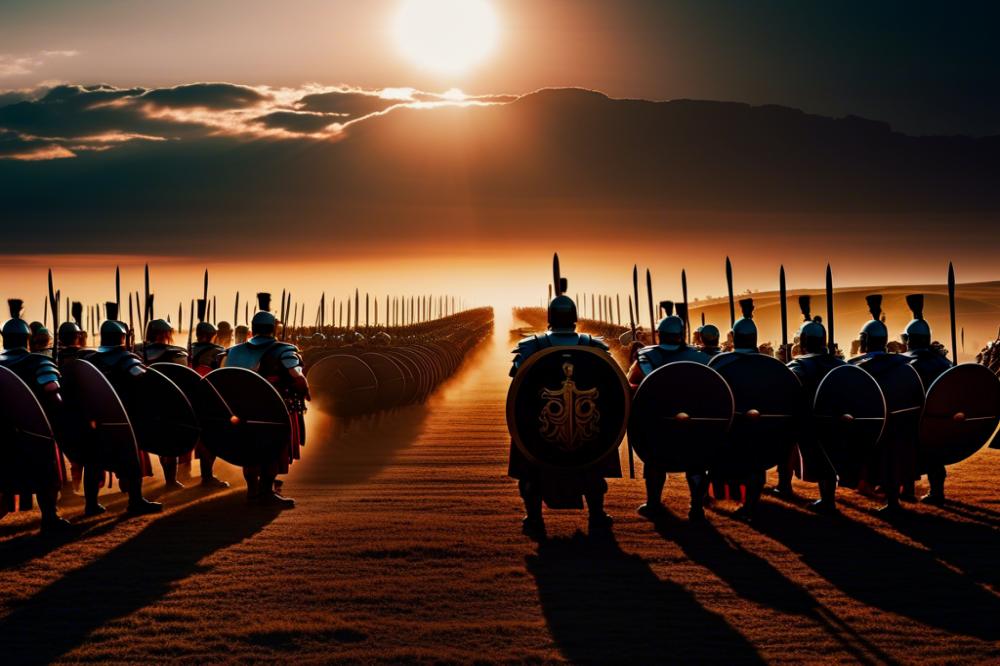
In the context of Roman legions, the sword played a pivotal role in infantry tactics. Soldiers trained extensively to utilize the weapon in coordinated formations. The famous testudo formation, where soldiers created a protective barrier with shields, allowed the gladius to shine in close combat. Troops would march forward in unison, launching devastating thrusts at enemies when in range. This unity among legionnaires emphasized discipline and order on the battlefield.
Additionally, Roman tactics evolved alongside the development of the weapon. As conflicts expanded across the Empire, strategies adapted to incorporate the sword’s strengths. Infantry units transitioned from large, open formations to more specialized tactics that exploited the short blade’s rapid response. In tight quarters, the gladius became an indispensable arm, reinforcing Rome’s dominance in warfare.
The Evolution of Roman Swords and Their Impact
Comparison of the Gladius with Other Contemporary Swords
The gladius stood out among ancient weapons in warfare. Its short, double-edged blade offered practical advantages. Compared to the longer Greek xiphos, the gladius was easier to wield in close combat. Roman infantry, made up of legions, used this sword to great effect on the battlefield. While some cultures favored thrusting weapons, Romans developed their tactics around slashing and stabbing motions. This approach highlighted the effectiveness of their training and discipline. Rivals relied on longer swords or larger arms made for different fighting styles. Each sword reflected the culture and tactics of its users.
Influence of Conquered Peoples on Gladius Design and Usage
The expansion of the Roman Empire brought diverse influences. As new territories were conquered, local weapons were examined. Techniques and designs from conquered peoples were often adopted. For instance, the Hispani were known for their unique sword styles. Roman soldiers, encountering these distinct weapons, began to integrate certain features into their own arms. The shape and weight of the sword often evolved from these exchanges. This adaptability contributed to the effectiveness of Roman infantry units. Learning from others allowed the legions to improve their combat strategies continuously.
Transition from the Gladius to Other Types of Swords in Roman Military History
Change is a constant theme in military history. Over the centuries, the gladius began to evolve into different forms. As warfare progressed, so did the needs of the infantry. New tactics required new designs. Eventually, the spatha emerged, featuring a longer blade suited for mounted combat. This transition marked a significant shift in Roman military tactics. Soldiers needed weapons that could adapt to various situations, including cavalry engagements. The evolution of swords mirrored the broader changes within the Roman Empire. As challenges arose, the military adjusted its strategies and weaponry accordingly. Each new sword played a role in shaping how battles were fought in antiquity.
Military Tactics and the Use of the Gladius

During the height of the Roman Empire, infantry tactics played a crucial role in battlefield success. Legionnaires were trained to form tight formations, allowing them to present a united front to their enemies. This organization was vital in close combat situations. The sword became their primary weapon, favored for its effectiveness in tight quarters. Soldiers adapted their strategies closely around this design.
Close combat was where the sword truly shined. Enemies often confronted each other at short distances, making lengthier weapons less practical. Roman soldiers relied on quick thrusts and slashes to overpower foes. The sword’s blade facilitated rapid strikes, providing a significant advantage. As a result, battles turned into intense exchanges of skill and speed.
The influence of this weapon extended beyond individual skill. Military historians note that Roman strategies deliberately revolved around it. Legions would often engage in formations that maximized the effectiveness of their arms. The discipline of Roman infantry was further enhanced by well-coordinated attacks, leading to devastating results on the battlefield. This coordination established a reputation for the Roman military that has echoed through antiquity.
As tactics evolved, the role of the soldier adapted as well. Leaders recognized that effective use of the sword required training in both offense and defense. Patrolling units showcased their mastery of weapons in skirmishes, learning to exploit every opportunity. These experiences helped shape military history, as tactics and combat artistry developed in tandem.
Every battle reinforced the importance of the gladius in Roman Warfare. Commanders designed strategies that capitalized on the sword’s strengths, encouraging formations that protected soldiers while maximizing their offensive potential. This strategic evolution allowed the Roman Empire to conquer vast territories, making them a dominant force in their time.
The Gladius Beyond the Battlefield
The cultural significance of the sword in Roman society cannot be overstated. Beyond its practical uses, it became a symbol of Roman identity and pride. Soldiers of the legions viewed the weapon as an extension of themselves. The design allowed for swift, close-quarters combat, essential for the infantry’s tactics. Romans celebrated their military successes, often associating victories with their arms.
Artifacts related to this weapon provide insight into its role in daily life. Museums showcase various historical findings, including inscriptions and decorative examples. These remnants tell stories not just of war, but of craftsmanship and artistry in antiquity. Additionally, some items were found buried alongside warriors, suggesting ritualistic importance. Such findings highlight how critical the sword was in both life and death.
Legacy of the Gladius in Modern Representations of Roman History
The legacy of this iconic weapon appears frequently in modern depictions of the Roman Empire. Movies, books, and television shows often feature scenes where it takes center stage. Such representations help shape our understanding of historical events. They echo the strength and discipline of Roman forces, emphasizing the role of effective weapons in military history.
Artistry portrays the sword as a heroic emblem. Many portrayals romanticize the life of a Roman soldier, highlighting bravery and valor. Historians and filmmakers strive to capture the essence of those times. However, fiction often embellishes the reality. Despite these challenges, the fundamental influence of the gladius remains clear in popular culture. Its impact continues to resonate, reminding us of the greatness of Roman military prowess.
Final Reflections on the Gladius and Roman Warfare
The gladius played a vital role in the military success of the Roman Empire. This sword served as a symbol of power and discipline among the legion. Soldiers wielded it with skill, and it became a key factor in countless battles. Its design allowed for effective fighting in close quarters, making it suitable for the Roman tactics of the time.
Many believe the effectiveness of this weapon greatly contributed to Rome’s ability to expand its influence. Military units thrived with the gladius in hand, often resulting in quick victories. The weapon’s importance extended beyond the battlefield as it became a representation of Roman identity and strength. Generations of soldiers fought bravely, inspired by the tradition that surrounded this iconic blade.
Legacy is an essential aspect of this story. Today, the gladius still captures the imagination in films and literature. Its historical significance continues to resonate. The design principles have influenced many modern military weapons. This sword remains a testament to the ingenuity of Roman armaments and tactics.
In a broader context, weapons like this shaped the course of history. They influenced the way armies fought and organized themselves. The gladius is more than just a tool of war; it’s a representation of resilience and strategy. Ultimately, this remarkable sword helped define a civilization that left an indelible mark on the world.

