
Introduction
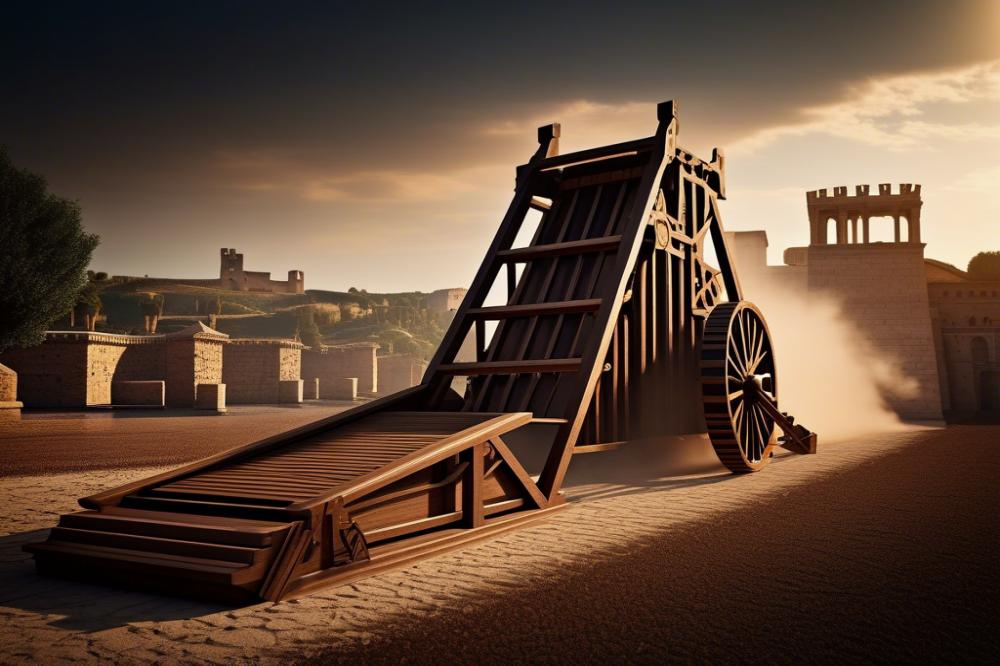
Roman military history cannot be discussed without mentioning the crucial role of Siege Engines. These remarkable machines transformed how battles were fought during ancient times. They provided the necessary means to breach formidable fortifications. With effective siege tactics, Romans were able to outmaneuver their enemies and secure victories in some of the most significant conflicts of their era.
The Ballista and Onager stand out as two of the most effective artillery devices used by the Romans. The Ballista, resembling a gigantic crossbow, launched projectiles with great precision and power. On the other hand, the Onager, a type of catapult, hurled stones and other heavy ammunition over long distances. Each of these Siege Engines represented the ingenuity and advanced skills of Roman engineering. Their unique designs allowed soldiers to adapt to the challenges of siege warfare effectively.
Fortifications were essential to the security of cities and territories in ancient Rome. Many structures were designed to withstand prolonged attacks. The strategic use of walls, towers, and ditches enabled defenders to hold their ground against invaders. Understanding the techniques and tactics used in these encounters is vital for comprehending Roman military strategies. Through their remarkable siege engines, the Romans could lay siege to strongholds and change the tide of battle.
In the context of Ancient Warfare, it is clear that siege engines were not merely tools of destruction. They represented a blend of art and science. This combination allowed Romans to breach enemy defenses and expand their territories. Whether through careful planning or brute force, the effectiveness of artillery in siege tactics shaped the outcomes of numerous conflicts. In doing so, it secured the legacy of Roman military prowess for centuries to come.
The Role of Siege Engines in Ancient Rome
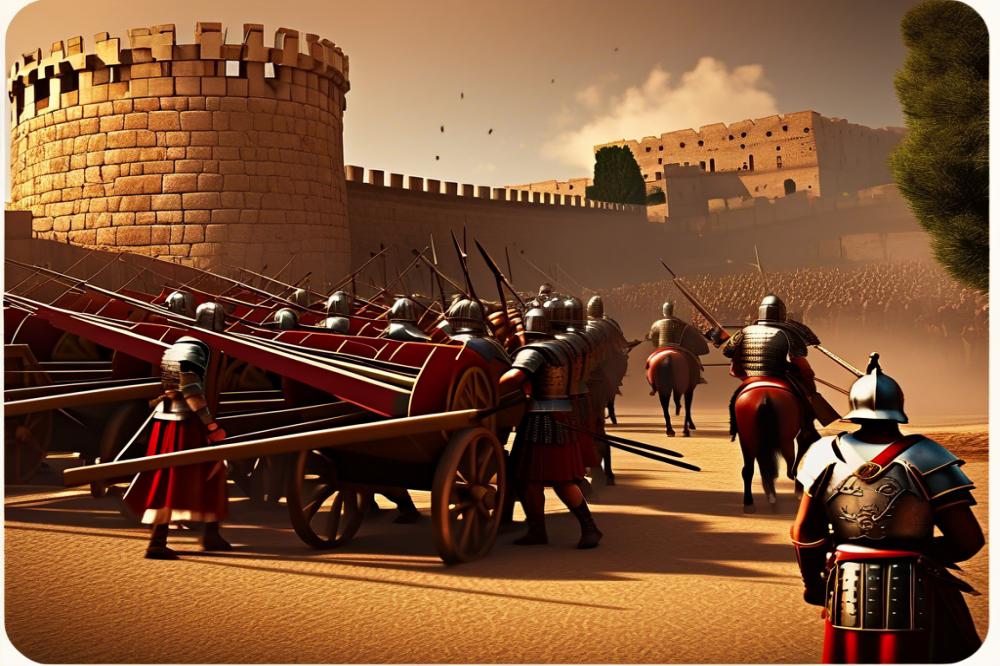
In the military history of Ancient Rome, siege engines played a critical role. These machines, designed for breaking through enemy fortifications, changed the dynamics of warfare. Artillery like the ballista and onager became essential components of Roman campaigns. Soldiers relied on these powerful tools to gain the upper hand during sieges.
Romans understood that success in battle did not solely depend on infantry or cavalry. Instead, they integrated siege tactics into their overall strategies. The presence of a trebuchet or catapult allowed them to launch projectiles from a safe distance. This distance minimized their risk while maximizing damage to enemy walls.
Fortifications posed significant challenges for military operations. Thick walls and strong gates could slow down or even halt an attacking force. Roman engineering addressed these issues head-on. The development of trebuchers and other machinery meant that no fortress was entirely secure.
Siege engines complemented Roman tactics by enabling their armies to besiege and capture fortified locations. Rather than relying solely on brute force, forces could systematically weaken defenses over time. The psychological impact on defenders was considerable. Hearing the sound of a ballista firing or the tremor of an onager launching projectiles could induce panic.
Throughout their campaigns, Romans faced fortified cities that seemed impregnable. These cities often boasted thick walls that had stood for centuries. However, with the use of specialized artillery, the tables began to turn. Romans could target weak points in enemy fortifications, making even the strongest defenses vulnerable.
The integration of these machines marked a new era in military strategy. Armies now sought to overwhelm enemies through both strength and innovative tactics. Rome’s ability to adapt their approach helped them expand their territory and influence. Siege engines were not merely tools; they were critical elements of success in many Roman conquests.
Ballista: The Precision Artillery
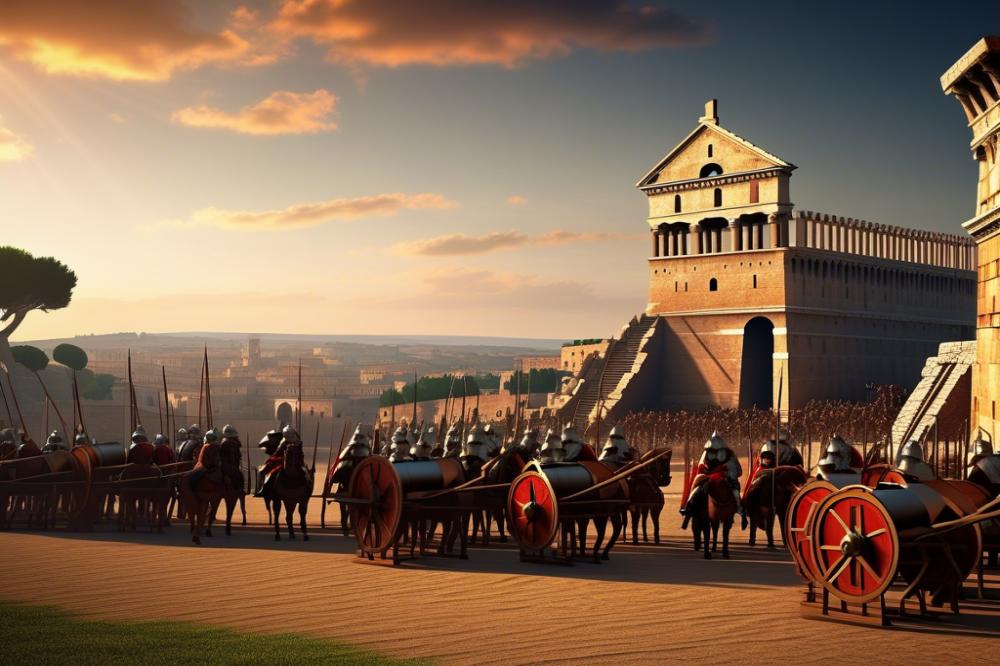
The ballista stands as one of the most fascinating and effective weapons in Ancient Warfare. This ancient artillery device resembles a gigantic crossbow. With its two arms and a central frame, it launched projectiles with remarkable accuracy. The mechanism consisted of twisted ropes or sinews that provided immense tension. When released, its projectiles could reach distances of several hundred meters, making it perfect for both offense and defense.
Roman engineering played a crucial role in the development of the ballista. Roman armies used it not only for sieges but also in battles against fortified positions. Unlike many other weapons, it was known for its precision rather than sheer destructive power. Troops operating this artillery had to possess both skill and knowledge of their craft to hit targets effectively.
Usage of the Ballista in Roman Warfare and Sieges
During sieges, the ballista proved invaluable. It could attack enemy fortifications from a distance, enabling soldiers to remain relatively safe. Romans used it to target enemy archers and defenders atop walls. This strategy disrupted the opposition’s defenses and created openings for further assaults.
Another key aspect included its psychological impact. The sight of a ballista launching projectiles could demoralize defenders. Teams of soldiers worked together to load and fire these engines quickly. Coordination was necessary to maintain a steady rate of fire while ensuring accuracy. Roman military tactics integrated the ballista into their overall plans effectively.
Examples of Notable Battles Where the Ballista Was Critical
Onager: The Powerful Catapult

The Onager stands out as an essential piece of artillery in Roman engineering. This powerful catapult utilized a unique mechanism to launch projectiles with great force. Its design featured a two-armed throwing arm attached to a sturdy frame. When loaded, tension in the springs allowed for impressive launch heights and distances. This distinct feature made it particularly effective against enemy fortifications.
Comparing the Onager to other siege engines, especially the Trebuchet, highlights its advantages and limitations. The Trebuchet, reliant on a counterweight for propulsion, was capable of hurling larger stones over vast distances. While effective, it demanded more time to set up and required mechanical sophistication. In contrast, the Onager could be quickly rearranged and repositioned during battle. Mobility offered a strategic edge with faster firing rates against static defenses.
When imagining attacks on fortified positions, the role of the Onager becomes clear. It excelled at breaching walls and targeting enemy troops hiding behind them. Roman generals employed this artillery in coordinated efforts during sieges. Its ability to rain down large stones and incendiary materials significantly weakened opponents’ defenses. Historical accounts suggest that the Onager’s fearsome reputation added psychological pressure on defenders, making it a vital tool in ancient warfare.
Roman Engineering and Innovations in Siege Warfare
Ancient Rome was known for its incredible engineering skills, particularly in the realm of siege warfare. This was a time when strong fortifications dominated the landscape. Romans had the ability to design and build impressive machines like the Ballista and the Onager. These devices played a crucial role in military history. Their effectiveness often determined the outcome of battles.
Military engineers in Rome were not only skilled but also innovative. Many advancements helped enhance the performance of their artillery. For instance, the development of torsion power significantly increased the range and power of their engines. A simple pull of a lever could unleash arrows or heavy stones with tremendous force. The catapult was one such invention that revolutionized attack strategies.
Architectural design was key when deploying these war machines. Romans often considered the terrain and the layout of enemy fortifications. Strategic placement of artillery could inflict maximum damage while minimizing risk. Many cities featured high walls designed to withstand assaults. However, with a well-placed trebuchet or ballista, these defenses could crumble. Understanding the limitations of their siege engines allowed engineers to adapt their tactics accordingly.
Siege tactics evolved alongside these machines. Romans would conduct careful assessments of their enemies’ strongholds before launching an attack. Not all emperors favored long, drawn-out sieges; some preferred quick, decisive strikes. This required using artillery in creative ways. The Onager, known for its powerful throws, could knock down walls or create chaos among defenders. This versatility proved invaluable in various campaigns.
In summary, Roman engineering was marked by precision and practicality. The fusion of technology with strategic insight shaped successful sieges. Innovations like the ballista and onager reflect a unique approach to ancient warfare. Each design was purposeful, meant to defeat formidable fortifications. These characteristics made Roman siege techniques an essential part of their military dominance.
Siege Tactics and Techniques Employed by Roman Soldiers
Roman soldiers were known for their effective siege tactics, which evolved over centuries of military experience. Their use of powerful engines like the ballista and onager transformed the landscape of ancient warfare. Not merely a demonstration of strength, these engines were highly strategic tools that could determine the outcome of a siege.
Adaptation was key for Roman forces. Each fortification presented different challenges, and soldiers adjusted their tactics accordingly. For instance, a thick-walled city like Alesia required a combination of siege towers and tunneling operations. When faced with lighter defenses, a simple catapult might deliver devastating results. Roman engineering prowess allowed them to create specialized weaponry tailored to specific scenarios.
Case Studies of Famous Roman Sieges
One notable example is the siege of Masada in 73 AD. The Romans used a mixture of ballistae to bombard the defenders while constructing a massive ramp. This tactic allowed them to breach the stronghold’s walls after months of relentless assault. Historical records show that patience and planning were critical to their success.
Another famous instance occurred during the siege of Jerusalem in 70 AD. The Roman military employed trebuchets to hurl projectiles over the city’s high walls. This tactic caused significant destruction and panic among the defenders. As the siege wore on, they adapted by utilizing smaller onagers for close-range bombardment, which proved effective in targeting specific structures.
The Roman approach to warfare wasn’t just about brute force. Psychological tactics played a role as well. Surrounding a city with troops often led to surrender without a fight. Sieges could last months, and Romans understood the importance of maintaining morale among their soldiers while demonizing the enemy. This strategy added another layer to their military success.
In conclusion, the Romans excelled in adapting their strategies based on the fortifications they faced. Their comprehensive understanding of engineering and warfare allowed them to create a flexible and effective siege strategy. It’s clear that these tactics have had a lasting impact on military history. The sophistication of Roman siege techniques laid the groundwork for future generations of military leaders.
Final Thoughts on Roman Warfare Innovations
The significance of siege engines in the Roman military cannot be overstated. These machines transformed how wars were fought and cities were taken. They provided the Romans with a technological edge over their enemies. Innovations like the Ballista and the Onager allowed for greater flexibility and power during sieges. Such tools changed the dynamics of ancient battlefields, making them pivotal to Rome’s military successes.
Outcomes of many crucial conflicts hinged on the effective use of these powerful machines. When Roman legions faced fortified walls, their siege equipment often determined the victor. Towers and ramps could be outmatched by the striking force of a well-placed bolt or stone. Troops could breach defenses faster, leading to quicker victories. This efficiency not only saved lives but also expanded territory swiftly.
The legacy left by these innovations is profound. Concepts derived from Roman siege technology echoed through centuries of military strategy. Modern warfare still reflects principles established by ancient engineers. Even today, understanding how Romans utilized their machines can inform military tactics and engineering design. The advancements they made laid groundwork for future armies, illustrating the enduring nature of their contributions to history.

