
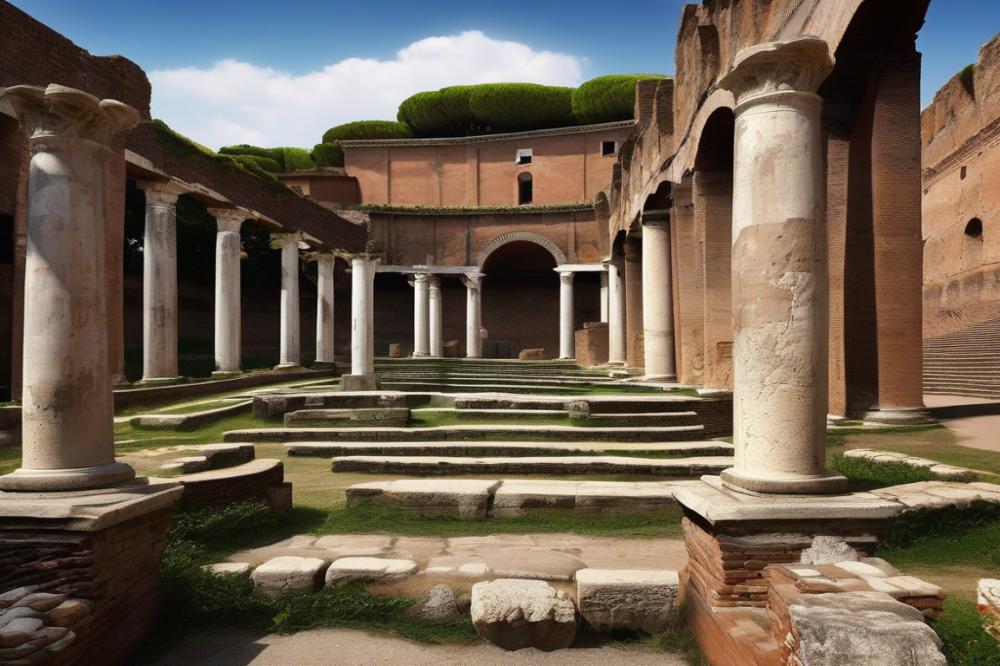
Discovering the ancient port city of Ostia Antica
Ostia Antica, an ancient port city, offers a fascinating glimpse into Roman life. Established around 500 BC, this site once served as the primary harbor for the city of Rome. Over time, it grew into a bustling center for trade and commerce. Today, it stands as a remarkable historical site filled with ruins that capture the essence of ancient civilization.
In the context of Roman history and archaeology, Ostia Antica holds great significance. It reveals how the Romans lived, worked, and interacted with their environment. By studying its well-preserved buildings, temples, and artifacts, scholars gain insight into the daily lives of the people who inhabited the area. As a UNESCO World Heritage site, it is recognized for its cultural heritage and importance in understanding the Roman Empire.
This article serves as a travel guide for those considering a day trip from nearby Rome. Readers will discover tips on planning their visit, including how to get there, what to see, and the best times to explore. An excursion to this ancient city can be a rewarding adventure, rich with history and beauty. As you delve deeper into these fascinating ruins, you will find endless stories waiting to be uncovered.
Exploring Ostia Antica

Ostia Antica, the ancient port city near Rome, is a remarkable glimpse into Roman history. This archaeological site offers visitors a chance to walk through history. It is recognized as a UNESCO World Heritage site, making it a significant destination for day excursions from the bustling capital. Numerous well-preserved ruins reveal the daily life of ancient Romans, highlighting their architectural prowess and societal structures.
Key Ruins and Structures
The amphitheater stands out as one of the most impressive structures. Once filled with vibrant performances, it could hold thousands of spectators. The baths, another vital area, provide insight into the social habits of the Romans. They served as centers for relaxation and community gatherings. The forum, the heart of public life, showcases intricate mosaics and temples. These ruins are not merely stones; they breathe life into stories of the past.
Cultural Heritage and Aesthetic Appeal
Visitors often marvel at the site’s aesthetic charm. The combination of historical architecture and natural surroundings creates a captivating atmosphere. Walking through the ancient streets, one can imagine the bustling market life that once thrived here. The cultural heritage is palpable in every corner. Unique artifacts found in Ostia Antica tell tales of trade and daily routines. Each structure contributes to the broader picture of life in this once-thriving port city.
Exploring this historical site provides a profound appreciation for the ingenuity of the Roman civilization. Every ruin leads deep into the complexities of their society. This makes Ostia Antica not only a place for sightseeing but also a learning experience about the past. For anyone planning a trip to nearby Rome, this ancient destination is an essential stop. The rich tapestry of history here awaits your discovery.
Getting to Ostia Antica
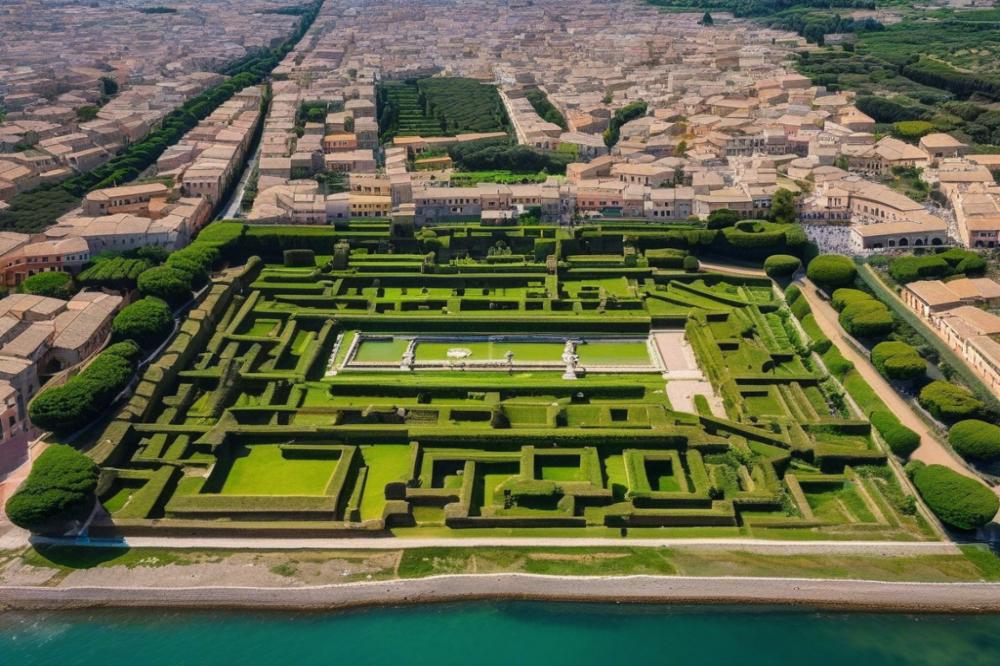
Transportation Options from Rome to Ostia Antica
Traveling to the ancient port city is straightforward. The most convenient method is taking the train. Departing from Rome’s Stazione Termini, regional trains head directly to Ostia Antica Station. The journey typically lasts around 30 minutes. Alternatively, you can opt for a bus from various points in the city. While it may take longer due to traffic, buses can be a scenic option for those interested in viewing neighborhoods outside of the city center.
Travel Tips for Visitors
Timing can make a big difference. Arriving early in the day can help you avoid crowds. Weekdays are often less busy than weekends. When planning your visit, consider purchasing tickets in advance. This option can save time at the entrance to the historical site. Don’t forget to check operating hours, especially during off-peak seasons. It’s best to set aside at least half a day to explore the ruins thoroughly.
Recommended Itineraries for Day Excursions
Begin your excursion with a train ride in the morning. Once you arrive, grab a map at the entrance. This resource will guide you through the vast archaeology of the site. Start at the amphitheater, an impressive example of Roman engineering. Then, walk through the forum and admire the ancient architecture.
After a few hours of exploration, consider taking a break at a nearby café. Here, you can relax and enjoy light refreshments. If time allows, finish your day with a leisurely stroll through the quiet pathways, soaking in the cultural heritage all around.
For those craving more adventure, you could combine your trip with nearby attractions. Spend time discovering the nearby beaches or further exploring the Ostian landscape. With so much to see in this UNESCO World Heritage site, a day excursion can provide deep insights into Roman history.
What to Expect During Your Visit
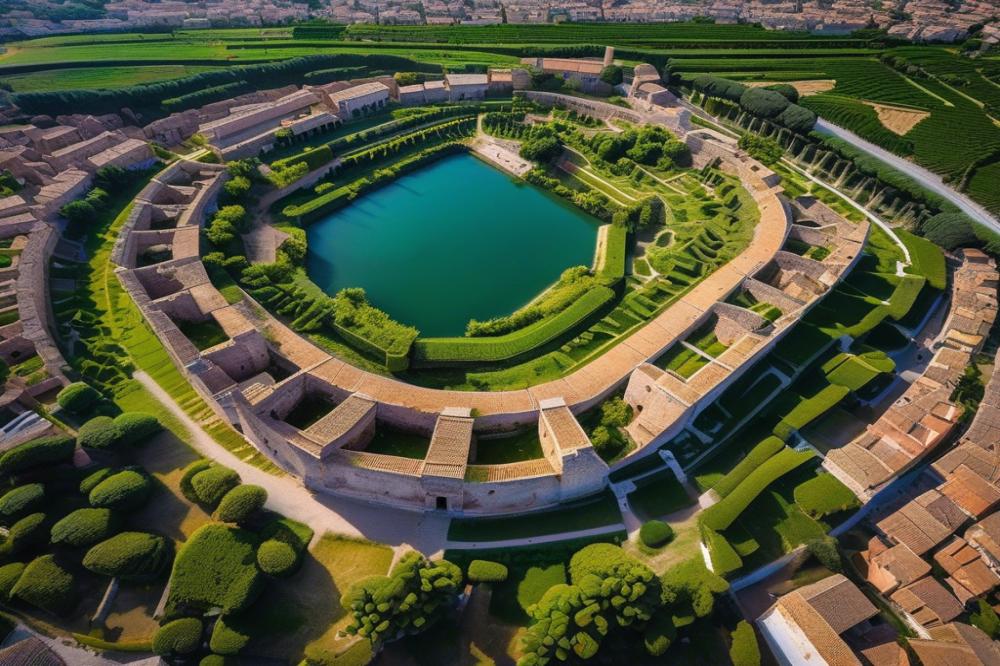
Traveling to the ancient port city can be a thrilling experience. First-time visitors should plan ahead. Make sure to wear comfortable shoes. The vast expanse of ruins requires a good amount of walking.
Essential Information for First-Time Visitors
A visit to this historical site typically starts with a ticket purchase. It’s wise to check the opening hours before heading over. These hours may change based on the season. The site receives many visitors, so arriving early can help you avoid crowds. Restrooms and shaded areas are minimal, so plan for breaks accordingly.
Highlights for Those Interested in Roman History and Archaeology
For fans of Roman history, the remains offer incredible insights. The ancient streets and buildings paint a vivid picture of life during the Roman Empire. The amphitheater is a noteworthy structure. It showcases the engineering skills of that time. Various mosaics and frescoes remain intact, capturing the artistic flair of the era.
Practical Advice on Guided Tours Versus Self-Exploration
Some visitors might opt for guided tours. These can enrich your understanding of the ruins. Knowledgeable guides often share fascinating stories and context that self-exploration might miss. However, if you prefer to wander at your own pace, a travel guide can serve as a helpful companion. A self-guided visit allows you to linger at sites that captivate you. Whether you choose a tour or explore independently, both experiences can be rewarding.
Cultural Activities and Surrounding Attractions
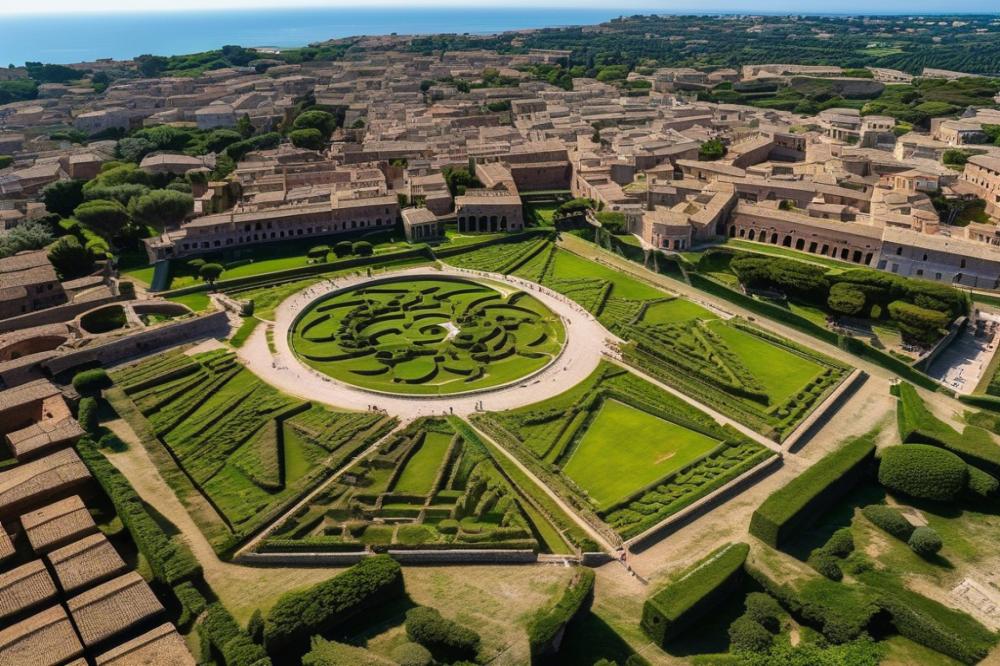
Visiting the ancient port city offers a chance to explore rich history and culture. Besides the remarkable ruins, there are several attractions nearby that can enhance your day trip. Travelers can easily combine a visit to this historical site with other significant locations. The coastal city of Santa Marinella is just a short drive away, where sandy beaches meet charming cafes. This makes it possible to relax by the sea after a day immersed in archaeology.
Exploring the local culture extends beyond just the ruins. Culinary enthusiasts can take advantage of the authentic Roman cuisine available in the nearby eateries. Try fresh seafood dishes or classic pasta recipes. Many families run these restaurants and infuse their meals with a sense of tradition. Participating in a cooking class is another engaging activity. Learning to make pasta or pizza will offer a deeper understanding of Italian culture.
The contributions of this UNESCO World Heritage site cannot be overstated. The well-preserved structures give visitors insight into the daily lives of ancient Romans. This place served as a bustling port during the empire, facilitating trade and interaction. As one walks through the remnants of public baths and villas, stories of the past come alive. This experience connects modern visitors to the larger narrative of Roman history.
In addition to the archaeological wonders, consider attending local festivals if your visit aligns with them. Community events often showcase art, music, and traditional dances. Each event is a snapshot of the region’s cultural heritage. Engaging with locals during these activities can offer unique perspectives and stories. Such experiences enrich the understanding of both the ancient and modern world.
Final Thoughts on Your Day Trip
Ostia Antica offers a significant glimpse into the past for tourists visiting Rome. This ancient port city was once a bustling center of trade and daily life. Walking through its ruins allows you to experience history first-hand. Visitors can explore remarkable buildings that paint a picture of life during the Roman Empire. Artifacts scattered throughout the site tell stories of its rich heritage.
Exploring this archaeological site is a rewarding experience. Each stone, each path provides a connection to a bygone era. It’s an opportunity to appreciate the depth of Roman civilization away from the crowded streets of the capital. Many travelers find that a day spent here enriches their understanding of Italy’s cultural landscape. One can imagine the lives of merchants and sailors bustling about in days long gone.
Consider setting aside time for this remarkable journey. You will uncover layers of history that often get overlooked. Ensure you bring your camera and a curious mind. Visiting will undoubtedly leave a lasting impression and memorable stories to share. So, if you’re in Rome, make sure to take a day trip to this historical gem. The unique experience awaits you, just a short distance from the vibrant city.

