
Introduction
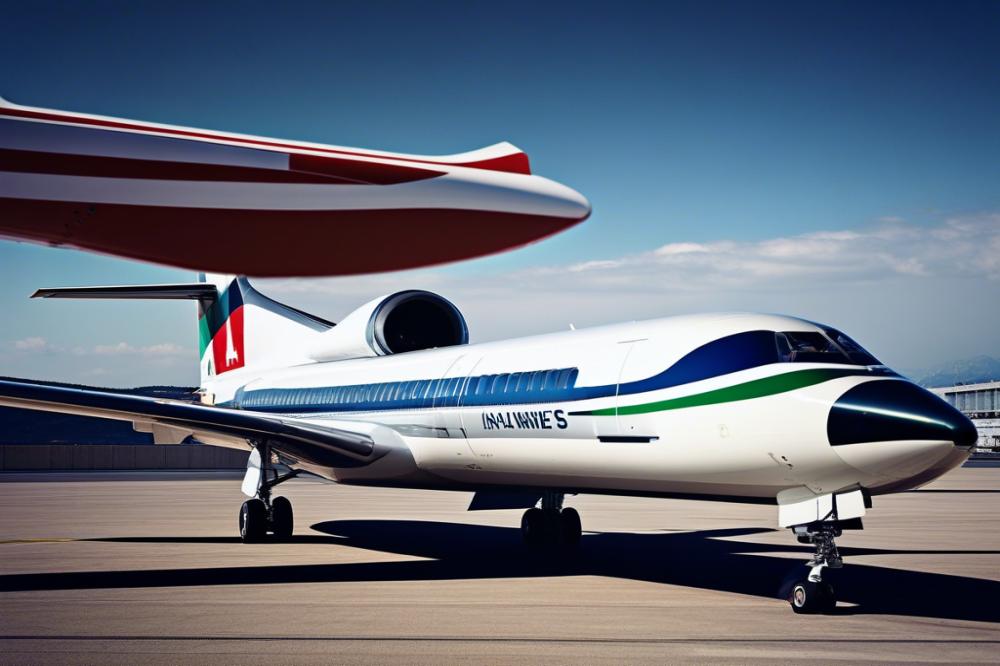
Italy’s transport legacy spans centuries and encompasses a rich tapestry of history, innovation, and culture. Among its many facets, airlines play a pivotal role in connecting the nation to the wider world. Air travel has not only transformed how people move but also how they experience different cultures, landscapes, and opportunities. The convenience of flight has made it possible for countless travelers to visit Italy, a country celebrated for its art, cuisine, and history.
National and international air travel is vital for Italy’s economy and tourism. Airlines serve as bridges, linking Italian cities with global destinations. They facilitate business, promote tourism, and allow families to stay connected despite vast distances. The impact of aviation stretches beyond mere transportation; it influences commerce, culture, and even politics.
The theme “Taking Flight” captures the spirit of Italy’s airline industry. This narrative delves into the captivating stories of Italy’s famous airlines, their struggles, and triumphs. Grounded in a rich aviation history, these airlines have contributed significantly to the global connectivity each region experiences today. Understanding their past provides insight into their current significance and enduring legacy.
As we explore Italy’s airlines, we will discover how they earned their place in the skies. This journey will highlight not just the technological advancements and operational challenges but also the profound relationships formed between people separated by distance. #anchor_text_1# will be a guiding theme as we dissect the essence of what makes these airlines significant. Through this lens, it becomes clear that air travel is not merely about reaching a destination; it’s about the experiences that unfold along the way. #anchor_text_2# will also be emphasized, illustrating how these marvels of engineering have interwoven Italy into the fabric of global culture.
The Birth of Italy’s Aviation Industry
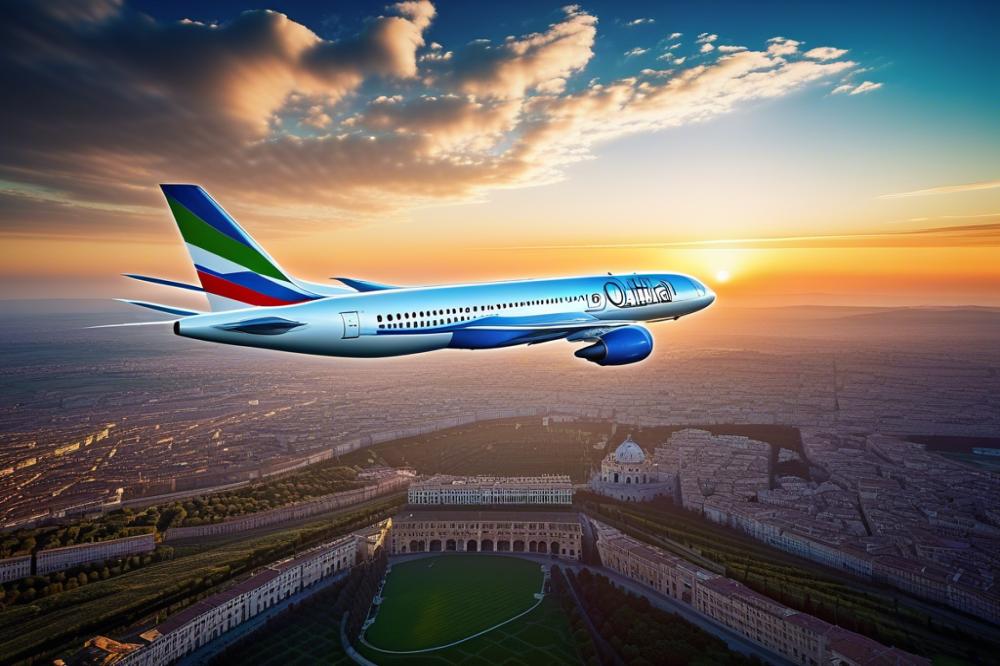
The era of aviation in Italy began with early visionaries who dared to dream. Innovators like Count Francesco de Pinedo and Alessandro Anselmo made significant strides in the early years. Their work helped lay the groundwork for what would later become a thriving industry. These pioneers experimented with designs and pushed the boundaries of flight.
The Early Pioneers of Italian Aviation
Pioneers faced numerous challenges. Lack of funding and resources often hindered their efforts. Nevertheless, their passion for flight led to important milestones. De Pinedo was known for his long-distance flights, showcasing the potential of aviation. His accomplishments sparked interest across the country, and many followed in his footsteps. Others like Giovanni Battista Caproni also contributed to aircraft development.
Founding of Major Airlines
The first airlines emerged in the 1920s and 1930s. Companies like Ala Littoria were among the first to operate domestic flights. They connected cities in Italy, opening the skies to more travelers. The need for air travel grew as the country modernized. Later, international carriers such as Alitalia took shape, establishing Italy’s presence in global aviation. In 1946, Alitalia was officially founded, quickly rising to prominence in the airline industry.
Influence of WWII on the Airline Sector
The effects of World War II were profound. During the war, military aviation took precedence over commercial flight. However, the aftermath marked a turning point. The recovery from war led to advancements in aircraft technology. A desire for travel and connection surged in the post-war period. Italian airlines gradually rebuilt and expanded routes worldwide. They became significant players on the international stage, showcasing Italy’s resilience and innovation.
Major Italian Airlines and Their Impact
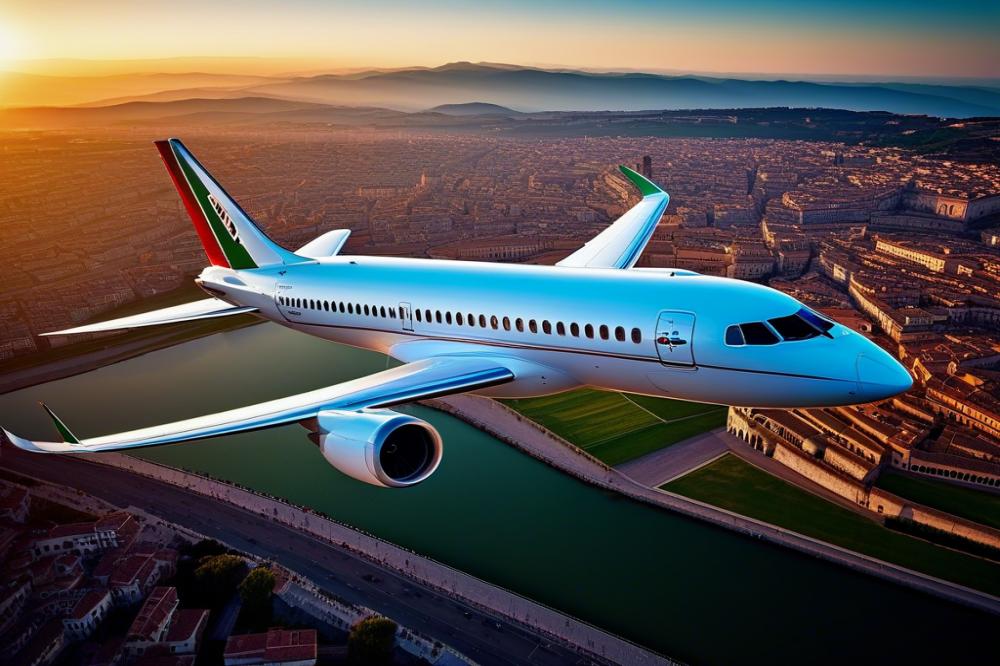
Alitalia: A symbol of Italian aviation
Established in 1946, Alitalia became the face of Italian aviation. This airline operated domestic and international flights, connecting Italy to the world. For many travelers, Alitalia represented more than just air travel; it embodied the Italian spirit. The airline’s iconic logo and vibrant branding were well recognized. Over the decades, Alitalia faced numerous challenges. Financial issues often plagued its operations. Despite that, it played a crucial role in shaping Italy’s aviation landscape.
Other notable airlines like Air Italy and Meridiana
Air Italy, which began in 2005, aimed to bring competition to the market. Although it started mostly as a charter airline, it expanded to scheduled flights. Meridiana also played a significant role in Italy’s aviation history. This airline linked the Italian mainland with islands like Sardinia and Sicily. As both airlines grew, they contributed to broader access for tourists. Travelers sought to explore Italy more conveniently and affordably.
Impact on tourism and economy
The influence of these airlines has profoundly affected Italy’s economy. Air travel has fueled tourism by making it easier for people to visit. Millions flock to Italy each year, drawn by its rich culture and stunning landscapes. Their visits support local businesses, from hotels to restaurants. Furthermore, airlines have created jobs and stimulated various sectors. A connected country attracts more visitors and generates revenue. The legacy of these airlines goes beyond transporting passengers; it fuels the very heart of Italy’s economy.
Innovations and Developments in Italian Aviation
Italian airlines have long been at the forefront of aviation technology. Many advancements have originated from the workshops and design studios of Italy. For instance, innovative aircraft designs have emerged from iconic manufacturers like Alenia Aeronautica and Leonardo. These companies have launched new materials that reduce weight and fuel consumption. Such breakthroughs contribute to improved efficiency for airlines worldwide.
Italy plays a significant role in shaping international aviation standards. The country has been influential in regulations that promote safety and sustainability. Italian experts frequently contribute to global discussions on air traffic management. Their participation helps refine rules that are critical to maintaining safe skies. This dedication to safety ensures that the country remains a respected player on the international stage.
Collaborations with leading global aviation brands are also noteworthy. Italian airlines often partner with industry giants like Airbus and Boeing. These partnerships lead to shared expertise and cutting-edge technology. In some cases, they also support development of new aircraft models tailored for specific airline needs. Such teamwork fosters a culture of innovation that benefits everyone involved.
Moreover, groundbreaking projects have emerged from Italian collaboration with international universities. Research initiatives aim to explore sustainable aviation fuels and smart navigation technologies. These endeavors highlight Italy’s commitment to eco-friendly practices in the industry.
These advancements underline a continuous pursuit of excellence. With each improvement, Italian aviation not only benefits its own airlines but also elevates global standards. It showcases how a nation invests in progress for the worldwide aviation community.
Italy’s Airlines in the Global Market
Italian airlines have carved out a space in the competitive sky of global aviation. Partnerships with international carriers play a critical role. These alliances often enhance route networks, making travel more convenient for passengers. Through codeshare agreements, airlines can serve more destinations without direct flights. This collaboration is essential for maintaining relevance on the global stage.
When comparing Italian airlines to their European counterparts, several factors come into play. Airlines like Alitalia have had both triumphs and challenges competing with giants such as Lufthansa and British Airways. Foreign competition pushes Italian firms to innovate and improve. It has led to a greater focus on customer service, as well. Offering a memorable flight experience can set one airline apart from another.
Italian expertise does not stop at passenger airlines. The nation also excels in aviation technology and engineering. Companies export aircraft components and advanced systems worldwide. This capability strengthens Italy’s standing in the global aviation industry. From high-tech navigation systems to aerodynamics design, Italy is a reliable source of quality. Countries worldwide seek out these technologies to enhance their own fleet capabilities.
In recent years, the need for sustainability has influenced operational strategies. Airlines are investing in eco-friendly technologies and practices. Innovations may include fuel-efficient aircraft and alternative fuels to reduce industry impact. Such actions are becoming increasingly crucial as travelers prioritize eco-conscious choices. This shift may also attract new partnerships, elevating Italy’s presence further.
Cultural Influence of Italian Airlines
Italian airlines play a vital role in promoting the rich culture and lifestyle of Italy. Through air travel, passengers experience a slice of Italy before they even land. From the moment travelers board, they are exposed to the warmth of Italian hospitality. This sets the stage for an immersive journey filled with cultural delights.
Globally, airlines like Alitalia have influenced fashion, food, and tourism. High-end designers often collaborate with these carriers to create stylish uniforms. This reflects not just fashion trends but also Italian elegance. Men and women in sleek, tailored outfits embody the spirit of Italian design. As a result, the airline becomes a moving representation of Italy’s fashion industry.
Food served onboard not only highlights traditional Italian cuisine but also elevates culinary experiences. Meals prepared by renowned chefs introduce passengers to regional dishes. Each flight offers a taste of Italy, making travelers eager to explore the country. Italian airlines manage to turn every meal into an opportunity to showcase exquisite flavors.
Influence on Global Fashion, Food, and Tourism
Consider the impact of these airlines on tourism. Through partnerships with travel agencies and tour operators, they promote travel packages that include flights, accommodations, and guided tours. The charm of visiting iconic sites like the Colosseum or the canals of Venice becomes irresistible. As tourists flock to Italy, they contribute to the economy and celebrate Italian culture.
Airlines often embark on marketing campaigns that highlight their cultural roots. For example, a campaign featuring Italian art or music sparks interest in the heritage of the country. Many travelers may not realize that the experience begins on the aircraft. Creative storytelling connects passengers with Italy’s vibrant history and artistic legacy.
Case Studies of Marketing Campaigns
One notable campaign from an Italian airline featured famous landmarks in a series of advertisements. Stunning visuals of locations like the Leaning Tower of Pisa captivated viewers. These powerful images evoked a desire to explore and experience the beauty of Italy firsthand.
Another example involved collaboration with popular Italian chefs. By showcasing their famous dishes in commercials, the airline emphasized the connection between travel and cuisine. This type of advertising not only promotes flights but also invites people to indulge in Italian cooking.
Such campaigns have proven effective in inspiring wanderlust. They highlight the simple joys of traveling while celebrating the essence of Italy. As people dream of future travels, they connect deeply with the cultural narratives presented by these airlines. Combining stunning visuals with compelling stories fosters a deeper appreciation for Italy’s rich heritage.
Challenges Faced by Italian Airlines
Italian airlines have navigated a tumultuous landscape throughout their history. Financial difficulties have often plagued these companies. The quest for profitability has led to numerous mergers and partnerships. Two key players, Alitalia and Air Italy, highlight this trend. These airlines have faced mounting debts and fierce competition.
Regulatory impacts have also shaped the industry dramatically. Rules from the European Union have changed the way airlines operate. Safety standards and environmental regulations are two main focuses. Compliance can be costly, pushing smaller carriers to their limits. Adapting to these new laws requires significant resources.
Global events, such as pandemics, have further complicated matters. The COVID-19 outbreak dealt a severe blow to air travel worldwide. Flights were grounded and passenger numbers plummeted. Italian airlines suffered greatly during this period, struggling to recover. Without a doubt, the effects of such crises can linger long after the headlines fade.
Additionally, the rise of low-cost carriers has increased market challenges. Competing with cheaper options is no easy task for traditional airlines. Many passengers now prioritize cost over legacy when booking flights. Loyalty programs often lose their appeal under such pressure.
Amid these obstacles, innovation becomes essential. Adoption of new technologies could streamline operations and improve efficiency. Sustainability has also gained prominence. Travelers are becoming more conscious of their carbon footprint. Airlines are responding by exploring greener alternatives.
Concluding Thoughts
The legacy of Italy’s airlines, from Alitalia to modern carriers, is woven deeply into the fabric of aviation history. These airlines have played a significant role in connecting cultures and fostering economic ties across continents. Not only did they innovate aircraft and airline services, but they also brought a touch of Italian flair to air travel. Travelers have experienced the warmth of Italian hospitality at 30,000 feet. This unique charm is often remembered fondly long after journeys end.
Looking ahead, the future of Italian aviation seems filled with potential yet intertwined with challenges. New airlines are emerging, eager to make their mark globally. Sustainability and technology will reshape the industry further. Climate concerns motivate airlines to seek greener solutions. The ongoing evolution of aviation may redefine standards, keeping Italy at the forefront of innovation in air travel.
Taking flight into the future, one cannot ignore the historical significance of the journey thus far. The story of Italy’s airlines is not just about planes and destinations. It highlights human connections that transcend borders. Travelers come together, sharing experiences that build a shared understanding. This is the essence of flight; it is more than movement. It is about discovery.
As we reflect on Italy’s aviation journey, it becomes clear that these airlines have left an indelible mark. Their influence is felt not only in travel logistics but also in cultural exchange. For those who soar through the skies, the history and advancements of Italian carriers like Alitalia and others remain a source of pride. As we conclude this exploration, it serves as a reminder of how aviation shapes our world. Embracing innovation while respecting heritage ensures a bright future for the entire industry. The narrative of #anchor_text_3# asks us to look beyond. It invites us to recognize the intricate dance of history, technology, and culture that aviation encapsulates.
In summary, the story of Italian aviation is both rich and inspiring. The airlines have navigated challenges and triumphs, making a lasting impact on the global stage. As these carriers continue to evolve, their legacy will undoubtedly influence future generations of travelers. Ultimately, taking flight signifies much more than just travel. It represents the dreams shared among diverse peoples. The significance of this journey cannot be overstated. It unites us, and we look forward to where these flights will take us next, reminding us all of the beauty of connection, regardless of distance. This spirit of #anchor_text_4# lives on and will continue to inspire.

