
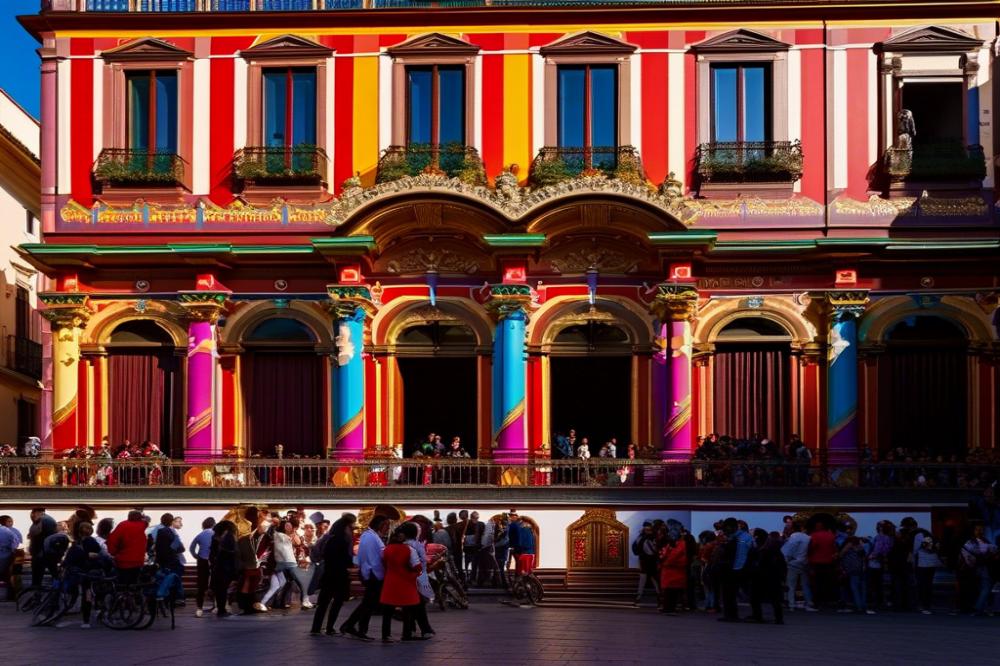
The Art of Puppet Theatre at Teatro dei Pupi
Puppet Theatre holds a cherished place in the heart of Sicilian culture. This form of theatrical art, marked by the enchanting skill of puppeteers, brings age-old tales to life. With marionettes that dance and act, audiences are transported into a world filled with adventure and emotion. Sicilian puppetry is about more than entertainment; it represents a vital part of the region’s cultural heritage. Each performance weaves together folk storytelling and artistry, preserving stories passed down through generations.
Teatro dei Pupi plays a pivotal role in preserving this unique artistic tradition. Situated in various towns across Sicily, this venue specializes in traditional performances that captivate viewers. Handcrafted puppets, often adorned with vivid colors and intricate designs, take center stage. Skilled puppeteers manipulate these figures, making them appear astonishingly lifelike. Their work not only showcases talent but also celebrates Sicilia’s rich history and folklore.
Through live performances at Teatro dei Pupi, audiences gain insight into the region’s myths and legends. This vibrant art form invites spectators to experience narratives that are both timeless and culturally significant. As the marionettes engage with each other, they tell stories of knights, heroes, and epic battles. Each show serves as a reminder of the importance of storytelling in Sicilian culture, engaging both young and old alike.
The History of Puppet Theatre
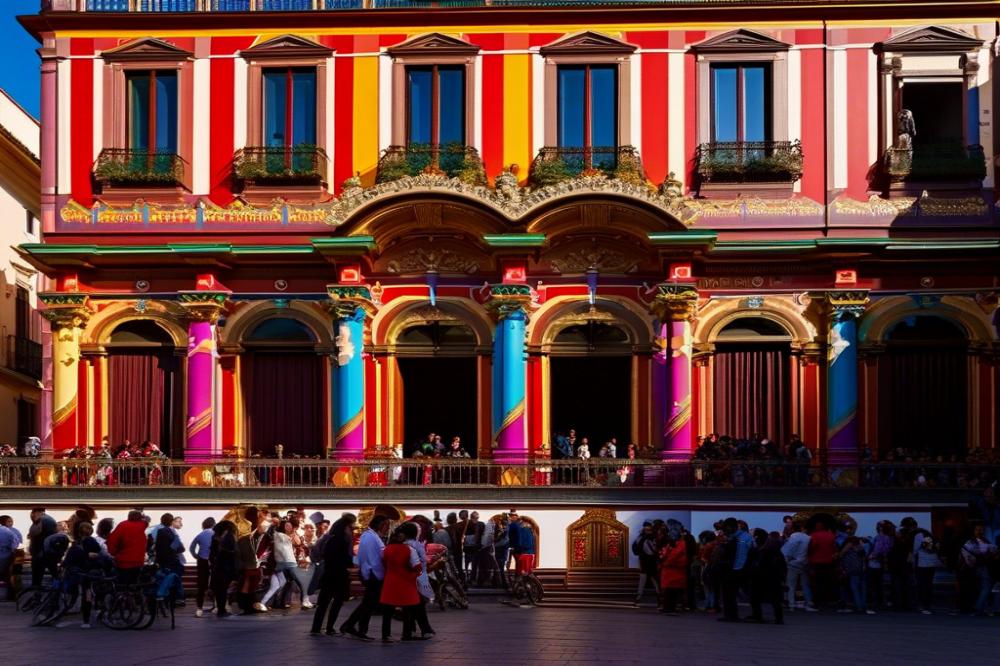
Sicilian puppetry has deep roots that reach back to the 18th century. This rich tradition originated in Sicily, where it began as a form of entertainment for the local people. The art form features stunning marionettes that capture the imagination of audiences young and old.
As time went on, these handcrafted puppets became central to folk storytelling. They brought to life tales of heroism, love, and betrayal, all woven into the fabric of Sicilian culture. Traditional performances took place in public squares, allowing everyone to enjoy this captivating form of theatrical art.
Different regions in Sicily developed their own styles, leading to a diverse array of performances. Local puppeteers often infused their shows with humor and drama. This evolution helped the art form adapt to changing tastes while keeping the essence of its origins intact.
The significance of Sicilian puppetry extends beyond entertainment. It serves as a vital expression of local identity. Festivals celebrating this unique art draw crowds, showcasing the dedication of puppeteers and their craft.
Over centuries, the tradition has faced challenges. Modern entertainment options have threatened its existence, but passionate individuals work tirelessly to preserve it. They recognize its importance in maintaining the area’s rich cultural heritage.
Live performances continue to enchant audiences today. Each show offers a glimpse into timeless stories and regional customs. Puppeteers use their skills to engage viewers, creating a dialogue between the puppets and the audience.
In conclusion, the history of Sicilian puppetry is a testament to the power of storytelling. It reflects the heart and soul of a community. The evolution of this cherished art form has cemented its place as a beloved aspect of Sicilian life.
The Craft of Marionettes
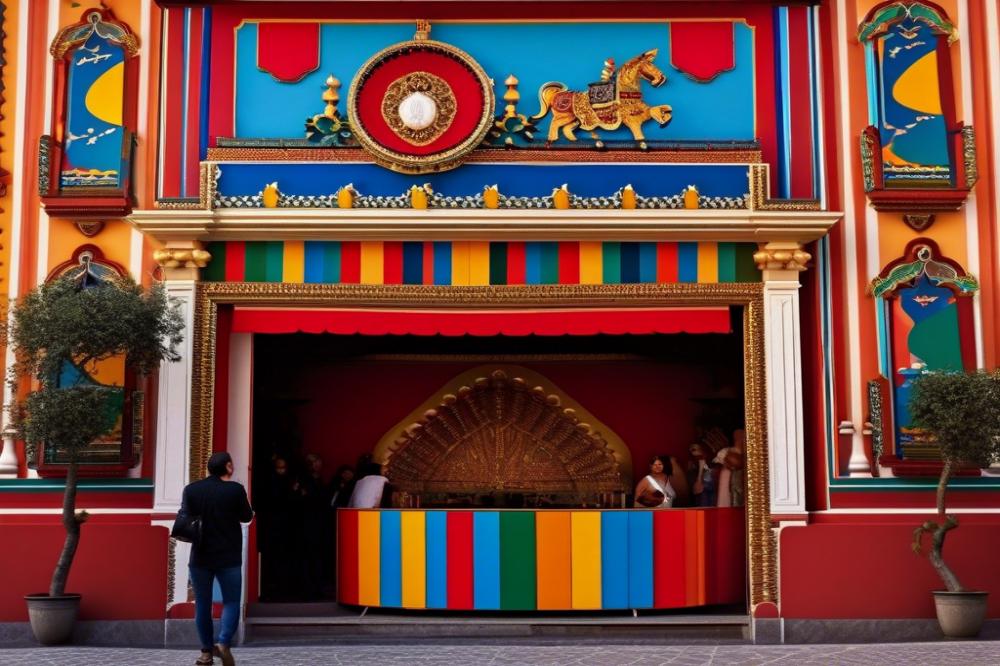
Sicilian puppetry is a vibrant tradition, alive with storytelling and artistic expression. Handcrafted puppets play a central role in this cultural heritage. The marionettes, with their intricate designs, bring characters to life, captivating audiences in various settings. Craftsmen select materials carefully. Wood, fabric, and paint come together to form these theatrical art pieces.
Creating a marionette requires skill and dedication. Artisans often begin by sketching designs that reflect their vision. Each puppet tells a story, connecting to the rich history of Sicilian culture. Once a design is approved, the work moves to shaping the body. Carving wood into delicate features demands utmost precision. Puppeteers rely on years of practice to master this craft.
In addition to wood, fabrics lend unique texture and color. Costumes are significant. They must align with the character’s story and the performance’s themes. For traditional performances, vibrant colors and decorative elements enhance the overall visual effect. The tiny details, like beadwork or embroidery, become essential components of the marionette’s personality.
Once the marionettes are assembled, their mobility is a crucial aspect. Strings are meticulously attached to control the limbs and head. This configuration allows puppeteers to manipulate them skillfully during live performances. Training involves mastering the nuances of movement to convey emotion and action. Each performance can feel like a dance, where puppeteers and marionettes coalesce on stage.
These handcrafted puppets not only bring stories to life but also preserve a legacy. The art of marionette-making reflects generations of folk storytelling. Families pass on techniques from mentors to apprentices. In this way, the craft endures, enriching Sicilian culture with every performance.
Traditional Performances at Teatro dei Pupi
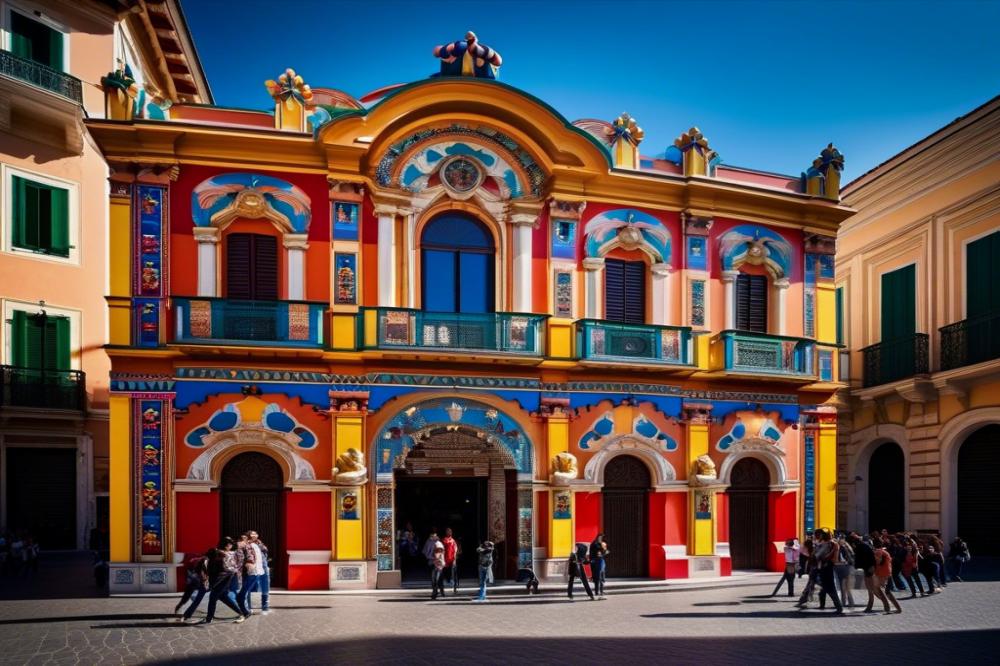
Audiences flock to Teatro dei Pupi for its breathtaking traditional performances. These shows showcase the rich history of Sicilian puppetry through colorful marionettes. Handcrafted puppets, often adorned with intricate details, bring stories to life. The passion of the puppeteers shines brightly in every show, captivating both children and adults alike.
Popular tales often feature legendary characters such as Orlando and Rinaldo. These heroes embark on adventures filled with love, betrayal, and bravery. Each performance weaves a unique narrative that resonates deeply within Sicilian culture. Folk storytelling traditions are essential to these shows, preserving ancient customs and legends for new generations.
Puppetry is not just entertainment; it reflects a deep cultural heritage. The theatrical art forms a connection between the audience and the characters. Lively dialogue and dynamic movements tell stories that are both engaging and meaningful. Attending a live performance at this venue offers a glimpse into the heart of Sicilian life.
The historical roots of this art form date back centuries. Audiences delight in seeing puppets fight epic battles, sing tragic ballads, and even step into comedic roles. The blend of humor and drama keeps viewers on the edge of their seats. Each show serves as a reminder of Sicily’s rich storytelling traditions.
Teatro dei Pupi stands out not just for its artistry but for its role in community identity. The puppeteers are skilled artisans who dedicate themselves to this craft. Their commitment to preserving Sicilian culture elevates each performance. This tradition is a celebration of resilience, artistry, and history.
The Role of Puppeteers
Puppeteers are the heart and soul of Teatro dei Pupi. Their craft demands skill, creativity, and dedication. Training often begins at a young age. Mastering the art of movement and voice is essential. Many learn from seasoned professionals who pass down techniques used for generations.
Using marionettes requires a deep understanding of mechanics. Each string must be controlled with precision. A puppeteer must also portray emotions through their puppets. Timing and rhythm play crucial roles in storytelling. Folk storytelling traditions shape what they present on stage.
The relationship between a puppeteer and their handcrafted puppets can be intricate. Each puppet often feels like a character with a unique personality. Many puppeteers spend countless hours practicing to build this connection. This bond enhances the performance, making it more engaging for the audience.
During traditional performances, puppeteers breathe life into their creations. The tales told reflect Sicilian culture and its rich heritage. Their performances not only entertain but also educate the audience about history and values. The energy in a live performance is palpable, drawing in spectators of all ages.
Attention to detail is a hallmark of the craft. Puppeteers carefully plan movements and cues to create seamless storytelling. Enhancing the audience’s experience is a primary goal. The interplay between puppet and puppeteer is like a dance. Each show is a collaboration of skill, artistry, and passion.
In Sicilian puppetry, the preservation of culture is vital. Puppeteers act as storytellers, keeping traditions alive. Their work allows audiences to connect with the past, revealing the depth of Sicilian identity. Through their performances, they become ambassadors of their cultural heritage.
Cultural Significance of Puppet Theatre
Sicilian puppetry goes beyond mere entertainment. It contains layers of cultural heritage that resonate deeply within the community. Through traditional storytelling, marionettes bring to life tales of love, valor, and betrayal. These performances have served as a mirror reflecting Sicilian values and history. Each handcrafted puppet tells a story that connects audiences with their roots.
In Sicily, puppet theatre is more than an art form; it is a communal experience. Families gather to watch live performances, sharing in the laughter and drama. This shared enjoyment strengthens community ties and fosters a sense of belonging. Puppeteers often become local celebrities, celebrated for their skill in animating these colorful figures. Admiration for their craft intertwines with cultural pride.
These theatrical showcases do not simply entertain. They preserve the history of Sicily, passing down knowledge from generation to generation. Stories of knights and mythical creatures capture the imaginations of young and old alike. Each performance serves as a lesson in the complexities of human emotion and the struggles of life. Audiences leave with a sense of connection to their ancestors.
In a world that is rapidly changing, puppet theatre remains a steadfast symbol of tradition. Artists dedicate themselves to perfecting the craft of building and manipulating these intricate puppets. This dedication ensures the survival of an art form steeped in regional identity. The colorful visuals and dynamic storytelling create a rich tapestry that captivates the heart.
Ultimately, puppetry is a bridge to the past, linking Sicilian culture to the present. It embodies the spirit of the people and captures the essence of their experiences. As marionettes dance and speak, they convey values that resonate with audiences today. That is the true magic of puppet theatre—it reveals the soul of a community through art.
Experiencing Puppet Theatre in Sicily
Traveling to Sicily offers a chance to dive into a vibrant part of its cultural heritage. One highlight is the marionette shows that embody Sicilian storytelling traditions. Visitors will find live performances throughout the island. Various locations feature these theatrical art forms, often showcasing handcrafted puppets that dazzle audiences.
To truly appreciate Sicilian puppetry, consider attending a traditional performance in Palermo or Catania. These cities are home to celebrated puppeteers who have passed down their skills through generations. Shows typically depict famous folk tales, often inspired by historical events. Attend a matinee for a more intimate atmosphere, as evening shows can be quite lively.
The best time to experience these events is during the summer months. Festivals often host multiple performances, bringing together art lovers and locals alike. Spring can also be a good choice for pleasant weather and fewer crowds. Don’t miss the chance to engage with artists after the show; they often love discussing their craft and puppet-making techniques.
Understanding the background of the marionettes adds depth to your experience. Each puppet is a work of art, telling stories of bravery, love, and adventure. Learning about the craftsmanship can enhance appreciation for this theatrical medium. Ask about the meaning behind specific puppets. The tales are rich with symbolism and reflect broader Sicilian culture.
When planning your visit, consider booking tickets in advance. Popular shows can sell out quickly, especially during tourist season. Some venues also offer guided tours, perfect for gaining insights into this unique art form. Take the time to compare different performances. Each puppeteer brings a personal touch, making each show distinct.
Interaction is also a key part of enjoying Sicilian puppet theatre. Don’t hesitate to applaud or show your enthusiasm during performances. This connection with the art adds to the lively atmosphere. Children often enjoy these shows, so think about bringing family along for a memorable outing.
Finally, explore related attractions nearby. Many puppet theaters are close to museums showcasing puppetry history. Look for local shops that sell handcrafted puppets. Supporting these artists helps preserve this important cultural legacy. Immerse yourself in the world of Sicilian puppetry, and you will leave with lasting memories.
Farewell to the Magic of Teatro dei Pupi
The charm of Teatro dei Pupi resonates well beyond the captivating performances. Visitors find a connection to Sicilian culture that is rich and full of life. This art form showcases age-old traditions that have persisted through the generations. Every show is a window into a world where marionettes dance and tell tales of heroism, love, and tragedy.
Audiences often leave feeling as though they have experienced something truly special. The stories told through these vibrant puppets speak to universal themes. They invite everyone, regardless of background, to reflect on their own lives. Such experiences give people reasons to bond over shared emotions and laughter.
Travelers exploring Sicily should take the opportunity to witness a live performance. Nothing compares to the thrill of watching puppeteers skillfully control their characters. Engaging with this delightful form of entertainment allows for an authentic insight into local culture. Participants often return home with stories that inspire friends and family.
Sicilian puppetry holds a unique place in the hearts of many. It blends art, history, and storytelling in a way few other crafts can achieve. By participating in this beloved pastime, travelers support its continuation for future generations. There lies a charm in its tradition that is hard to forget.
In essence, taking part in the experience fosters appreciation for this vibrant cultural heritage. Enjoying a performance is not just entertainment; it is a way to celebrate the past and connect with the present. Therefore, don’t miss the chance to immerse yourself in the enchanting world of Teatro dei Pupi. Your journey through Sicilian culture will be all the richer for it.

