

The Artisanal Process Behind Formaggio di Fossa
Formaggio di Fossa holds a special place in the realm of Italian cheeses. This rare delicacy encapsulates centuries of tradition, showcasing the importance of cheese making in Italy. Each bite tells a story of local ingredients carefully curated through traditional methods. Its distinct flavor profile is a celebration of the country’s rich culinary heritage.
Several factors contribute to the allure of this aged cheese. It is crafted using a unique fermentation process that creates a flavor unlike any other. artisanal cheese makers meticulously follow age-old techniques to produce this remarkable cheese. Consequently, the flavors become complex and intriguing, appealing to the most discerning palates.
This cheese represents more than just nourishment; it embodies cultural significance. The practice of creating Formaggio di Fossa involves burying the cheese in limestone pits, a method passed down through generations. This process infuses the cheese with earthy notes, enhancing its character. Local ingredients play a crucial role here, as they connect the cheese to its origins.
For cheese lovers, Formaggio di Fossa is not just a treat; it is an experience. Its unique flavors offer a glimpse into Italy’s rich past. Sampling this cheese is like tasting history itself, making it a valuable addition to any cheese board. Every wheel is a labor of love, reflecting the skill and dedication of the artisans who create it.
The History of Formaggio di Fossa

The origins of this remarkable cheese trace back to the Romagna region of Italy. Local farmers crafted it as a way to store cheese during tough winters. In those days, the process of cheese making was a necessity for survival. The traditional methods used have deep roots in the region’s culinary heritage.
During the Middle Ages, the practice became a vital part of local culture. As monks and farmers worked together, they developed unique techniques for fermentation. They discovered that burying cheese in pits enhanced its flavors significantly. This technique allowed for a distinct aging process, influencing the cheese production for generations.
Local ingredients played a pivotal role in this evolution. Fresh milk from nearby farms creates a solid base for the cheese. Using milk from local cows and sheep contributes to its distinct taste. Even the grass and herbs they consume impact the final flavor profile. The connection to the land is crucial, as it reflects both the people and their environment.
Cultural significance surrounds the creation of this aged cheese. Celebrations and festivals often feature it as a symbol of pride in local traditions. Families pass down recipes and techniques through generations, keeping the practices alive. Visitors to the region can taste not just the food but also the history and passion behind it.
This cheese stands out with its bold flavors. Each bite tells a story of hard work and dedication. The combination of historical context and local ingredients shapes each wheel of cheese. Enthusiasts of Italian cheese recognize its importance, making it a sought-after delicacy.
The artisanal cheese Making Process
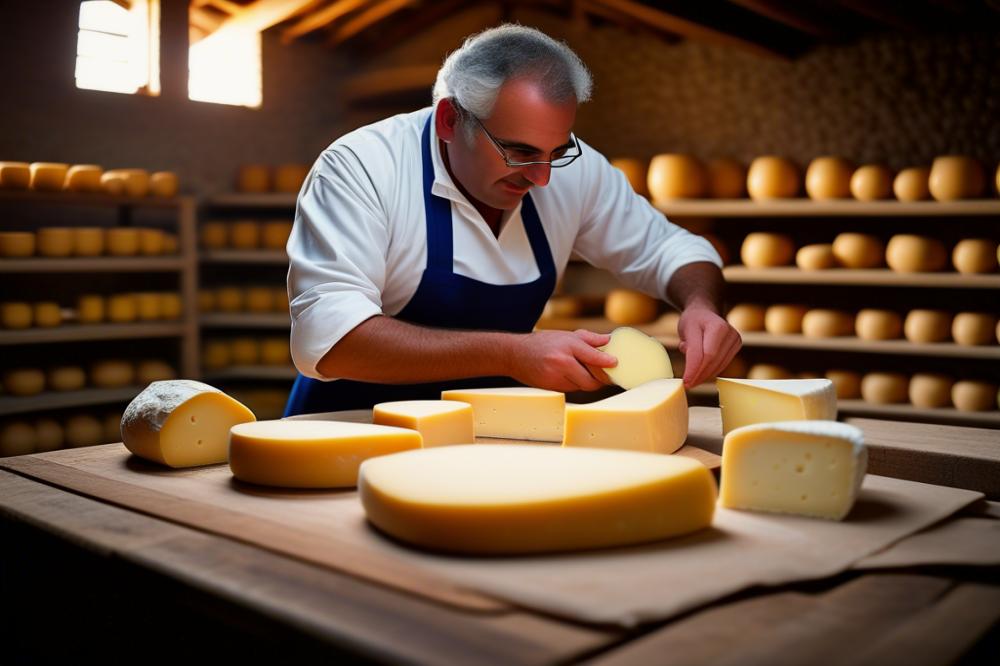
Making cheese is a time-honored tradition. The journey begins with sourcing fresh milk from local farms. Farmers take pride in their cattle, ensuring they are healthy and well-fed. This high-quality milk is the foundation for flavorful cheese. Without great milk, the cheese won’t shine.
After sourcing, the milk is brought to the production facility. Here, artisans monitor the temperature before adding specific cultures. These cultures are crucial as they kickstart fermentation. The milk starts to transform, developing acidity and flavor. Timing is essential at this stage. Each batch is unique and requires careful observation.
Once fermentation is underway, rennet is added. This natural enzyme helps the milk coagulate. It thickens into curds and separates from the whey. Cheesemakers carefully cut the curds into small pieces. This allows them to release more whey, resulting in a denser cheese.
Draining the whey is a vital step in cheese production. The curds are gently cooked and stirred. This allows them to firm up. After this, they are molded and pressed, taking shape for aging. The anticipation builds as the cheese awaits the aging process, which can last several months.
Aging is where the magic happens. During this time, flavors develop. Cheesemakers use natural caves or specially designed environments. These settings help create the perfect conditions for the cheese. Traditional methods are key; they maintain the integrity of the cheese while enhancing its characteristics.
Using local ingredients plays a pivotal role. The distinct terrain of Italy imparts flavors that cannot be replicated. Each batch tells a story of its location and time. This connection to place adds cultural significance to every bite.
Artisanal cheesemaking is not just about the end product. It reflects centuries of culinary heritage. Each cheesemaker learns techniques passed down through generations. This respect for tradition and quality results in rich, aged cheese that delights the palate. Formaggio di Fossa captivates cheese lovers with its complex taste. Appreciating it is binding through both food and history.
Aging and Its Impact on Flavor
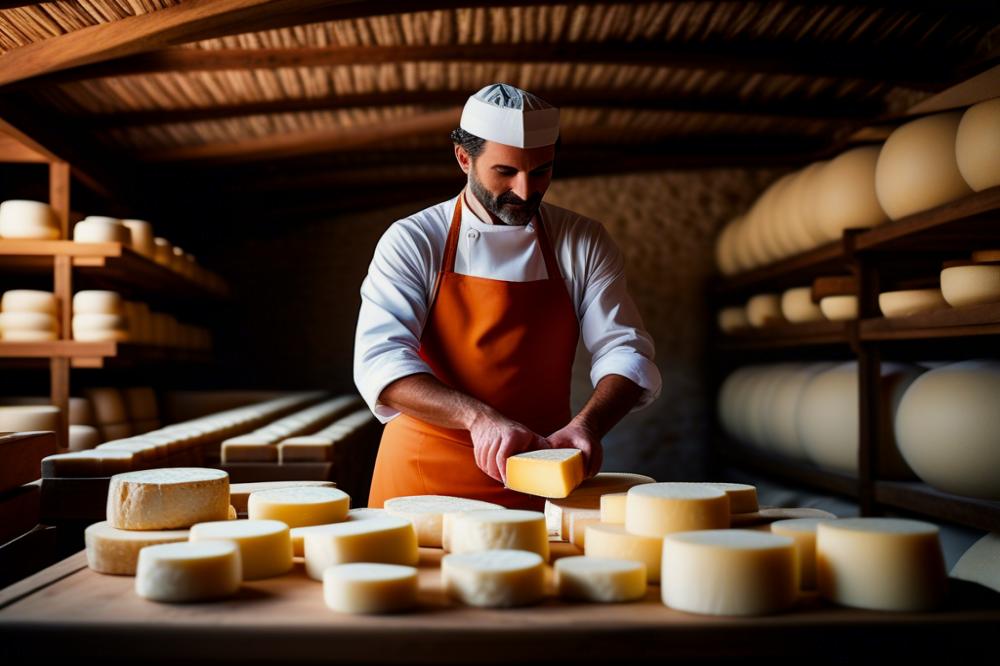
The aging process of Formaggio di Fossa takes place in limestone pits. These pits create an environment that is essential for the unique flavors to develop. During this time, the cheese undergoes fermentation that enhances its rich taste. Traditional methods are vital to this artisanal craft. Locals have been practicing these techniques for generations, which adds cultural significance to every wheel of cheese.
Cheese makers fill the pits with layers of cheese and local ingredients. This method is not just practical; it is crucial for flavor development. As the cheese ages, moisture is drawn out, concentrating the flavors. Some describe the final product as having a nutty, earthy profile. Others note hints of sweet and savory notes intertwined. Each bite reveals a depth that is hard to find in ordinary cheeses.
Comparing this process to other aged cheese showcases a fascinating contrast. Many Italian cheeses might age in different conditions, focusing solely on temperature or humidity. However, the use of limestone pits brings a distinctive character to this cheese. While some cheeses develop sharpness over time, Formaggio di Fossa retains a smooth texture with complex flavors. The careful attention to cheese production elevates it above the rest.
These meticulous methods speak volumes about the culinary heritage of the region. Each wheel of cheese becomes a story of passion and respect for tradition. Appreciating the depth of flavor found in Formaggio di Fossa opens a window into the heart of Italian gastronomy. It’s not just about aging cheese; it’s about honoring a way of life. The result is a product that not only satisfies the palate but also connects people to their roots.
Cultural Significance and Culinary Uses
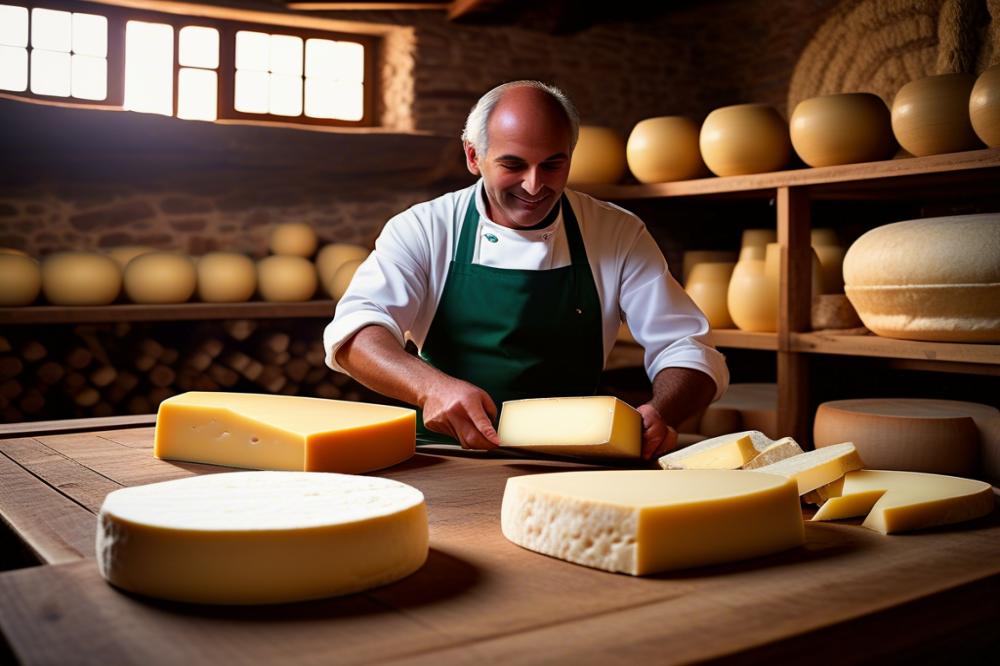
Formaggio di Fossa holds a special place in Italian cuisine. This aged cheese reflects the rich culinary heritage of the regions where it is produced. Locals take pride in their traditional methods of cheese making, which date back centuries. The fermentation process, combined with the unique aging methods, creates a distinct flavor that cheese enthusiasts adore.
Cheese production in Italy often showcases local ingredients. Farmers and artisans collaborate to honor their origins. Using high-quality milk sourced from nearby farms, they create flavors that represent their land. This connection to local ingredients enhances its cultural significance, making it more than just food.
In traditional dishes, Formaggio di Fossa is often used to elevate the dining experience. Whether incorporated into pasta, served alongside fruit, or featured on a cheese board, it adds depth to meals. Such dishes celebrate regional identity and bring people together around the table.
Cheese lovers treasure this aged cheese for its distinct taste. Some say it has earthy notes that echo the rugged landscape of Italy. Others appreciate the creamy texture that melts in the mouth. Pairing it with local wines or honey further enhances its allure.
Each bite tells a story of history and tradition. The art of crafting this cheese is not just about flavor; it embodies the spirit of the community. Celebrations often include this beloved cheese, highlighting its importance in festive gatherings.
Exploring Unique Flavors
The flavors found in Formaggio di Fossa are the result of a meticulous cheese-making journey that honors traditional methods. Each step in the fermentation process adds depth and character. It all begins with locally sourced ingredients, which carry their own influence. The grass that cows graze on and the climate of the region play key roles.
Environmental factors contribute significantly to the taste of this aged cheese. The cheeses are typically matured in caves or underground pits. This setting provides a unique microclimate. Such conditions impact moisture, temperature, and even air quality. As a result, the aging process becomes a dance of taste and texture.
Culinary heritage cannot be overlooked in this discussion. The practices and recipes passed down through generations shape every wheel of cheese. These traditions reflect the culture and history of the area. With each bite, you experience a blend of past and present.
During fermentation, bacteria and enzymes work harmoniously. They break down fats and proteins, creating complex tastes. No other cheese captures the essence of its surroundings quite like this one. The flavors range from nutty to earthy, sometimes sprinkled with hints of fruitiness.
Local ingredients also make their mark. Herbs, spices, and even the type of milk used can alter the final outcome. Cheesemakers take great pride in their craft. They know that slight changes in technique or material can lead to a completely different flavor profile.
Each wheel tells a story, influenced not just by nature, but by the heart of the community. Its cultural significance extends beyond mere taste. Formaggio di Fossa is a celebration of a region’s agricultural bounty. It connects people to their land and to each other.
The next time you try this Italian cheese, pay attention. Notice the layered flavors and rich heritage. Each bite could transport you to its native region, imagining the fields and farms that nurture it. This cheese is more than a delicacy; it embodies a way of life.
Wrapping Up the Artisanal Journey
The artisanal process behind this remarkable cheese is a testament to craftsmanship and dedication. From the careful selection of milk to the meticulous aging in underground pits, every step contributes to its rich, bold flavor. It’s not just cheese; it’s a story wrapped in tradition and passion.
Preserving traditional methods in cheese making is essential in today’s world. They connect us to our roots and offer insight into how products were made long before modern technology took over. When we appreciate these ancient techniques, we support not only the artisans but also the cultural heritage behind every wheel of cheese.
As you explore rare Italian cheeses, let curiosity guide you. These cheeses tell a tale that is often lost in mainstream dairy products. They invite you to savor flavors that bring people together and spark conversation. Learning about different cheeses broadens your palate and deepens your appreciation for culinary arts.
Next time you enjoy a bite of something special, remember the artisans who craft them. Each piece stands as a reminder of their hard work and skills. Discovering these treasures can elevate your dining experience and respect for authentic food. Dive into the world of cheese and celebrate the magic hidden within each variety.

