

Introduction
Italy is home to a remarkable variety of Italy-s-coastlines-and-seas”>Butterflies, which are crucial to the environmental tapestry of the region. These delicate creatures serve more than just aesthetic purposes; they play vital roles in ecosystems. Pollination, for instance, is a primary function that many species contribute to. This process supports the growth of plants, which in turn sustains other wildlife.
The Lepidoptera order includes not only Butterflies but also moths. This group showcases an impressive array of biodiversity in Italy. With over 300 species documented in the region, each one adds a layer of complexity to the ecosystems they inhabit. Some of these species are endemic, meaning they cannot be found anywhere else in the world. The unique combinations of climate, landscapes, and habitats in Italy create ideal environments for their development.
However, many butterflies face significant threats. Habitat loss, climate change, and pollution pose serious challenges to their survival. As a result, environmental protection efforts have become increasingly important. conservation initiatives aim to address these issues and safeguard vulnerable populations through field studies and habitat restoration. Wildlife conservationists are tirelessly working to monitor butterfly populations and develop strategies to support their persistence.
Understanding the significance of these creatures expands our appreciation for biodiversity. Keeping the balance within ecosystems relies on the health of all species, including butterflies. Their presence indicates a thriving environment, while declines can signal greater ecological troubles. Efforts to preserve these insects ensure that future generations can enjoy the beauty and benefits they bring to nature in Italy.
Butterfly Species of Italy

Italy is home to a rich array of butterfly species, adding a vibrant touch to its diverse ecosystems. The Lepidoptera found in this stunning landscape display various colors and patterns, capturing the imagination of nature enthusiasts. Field studies reveal that over 300 species flit across regions, thriving in different environments.
Diverse species found in Italy
This country boasts an impressive mix of butterflies. From the coastal regions to the alpine meadows, each habitat hosts a unique collection. Mediterranean areas see the swift and flashy swallowtail, while the more tranquil woodlands nurture the delicate blues. Such variety illustrates Italy’s biodiversity and the relevance of different habitats.
Endemic species and their habitats
Some species are endemic to Italy, adding to its ecological significance. The Apollo butterfly, noted for its striking white wings adorned with black spots, is one of these rarities. It thrives in mountainous grasslands, often facing serious threats. Other endemic types, like the Italian Hairstreak, dwell in specific locales, emphasizing the importance of habitat preservation.
Notable butterflies and their characteristics
Among the notable species, the Monarch butterfly is frequently highlighted. Known for its incredible migration, this insect travels thousands of miles to reach its winter destinations. Another fascinating example is the Scarce Swallowtail, with bold markings that help it stand out against its surroundings. These species are not only visually stunning but also vital to the ecosystem.
Role of butterflies in pollination and ecosystem services
Pollination plays a critical role in the life cycles of many plants. These insects contribute significantly to the process, assisting flower reproduction while feeding on nectar. Their presence helps maintain the balance of various ecosystems. By promoting biodiversity, butterflies support overall environmental health and wildlife conservation efforts. Protecting these species ensures that ecosystems continue to thrive.
Biodiversity and Habitats
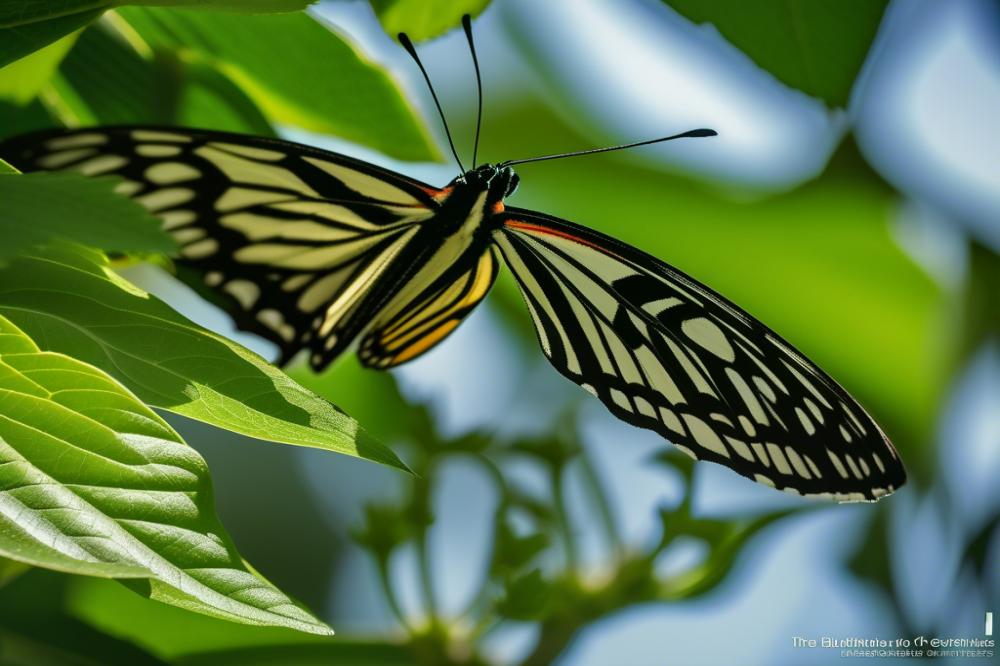
Italy boasts a rich array of habitats that support a vibrant range of species. From the Mediterranean coastline to alpine meadows, the country’s varied environments provide essential spaces for life. Warm climates mixed with cool mountain regions create perfect nesting grounds. Each habitat plays a critical role in maintaining biodiversity.
Various landscapes contribute to the variety of Lepidoptera thriving in Italy. Forests, wetlands, and grasslands all encourage a mix of plant and animal life. Such environments help sustain a dynamic ecosystem. Species diversity flourishes when habitats coexist. Areas with wildflowers attract different insects, leading to various opportunities for feeding and reproduction.
The geographical features of Italy are vital for the life cycles of many butterflies. Mountain ranges offer altitude variation, which affects temperature and moisture levels. These changes create microclimates that can support endemic species not found elsewhere. Additionally, coastal areas provide unique breeding habitats close to water sources, essential for larvae development.
Despite these advantages, many butterfly populations face threats. Urbanization and agricultural expansion reduce natural habitats. As landscapes change, species struggle to adapt. Field studies have shown that maintaining diverse habitats can safeguard some at-risk species. Environmental protection initiatives have become integral to wildlife conservation efforts in Italy.
Conservation organizations play an essential role in promoting the health of Italy’s ecosystems. Their work includes restoring habitats disrupted by human activity. By putting programs in place, they aim to mitigate threats to various species. Educating the public about the importance of biodiversity helps foster community involvement.
For the future, continued research is necessary to understand these beautiful creatures better. Ongoing field studies will provide insights into population dynamics and habitat needs. Preserving biodiversity is not just about saving individual species; it’s about maintaining the intricate web of life that supports all forms of wildlife.
Threats to Butterflies in Italy
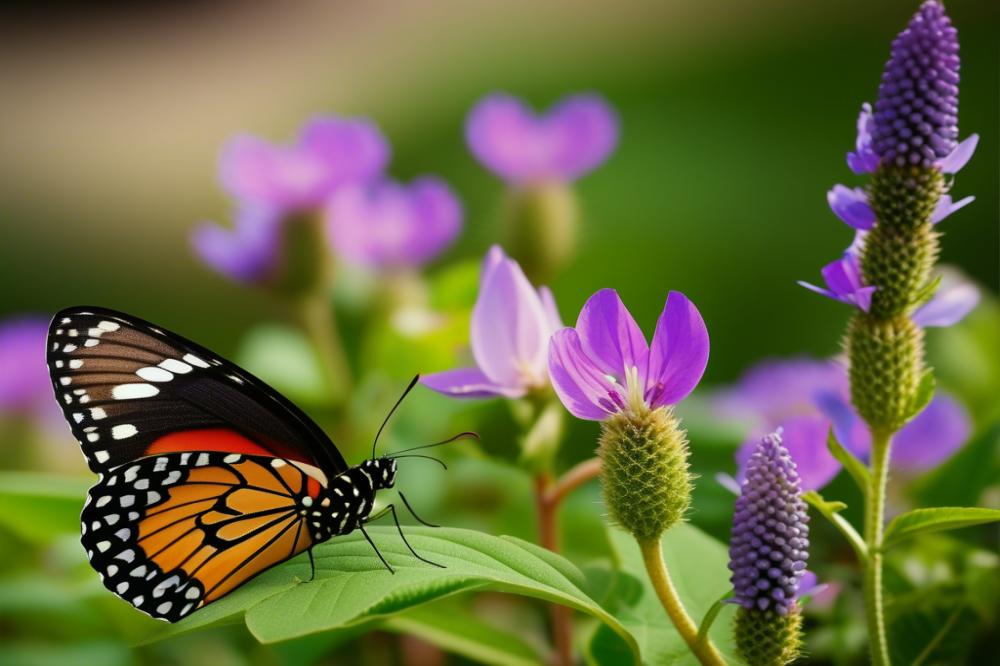
Intensive agriculture significantly alters landscapes across Italy. Farmers often prioritize high yields, leading to habitat loss. Fields are cleared for monocultures, leaving less room for diverse flora. This affects the food sources essential for various Lepidoptera species. Endangered butterflies struggle to thrive amidst the changes.
Climate change further complicates the situation. Unexpected weather patterns shift the availability of habitats. Warmer temperatures can disrupt breeding cycles. Additionally, altered precipitation can impact the plants that serve as food. Wildlife conservation efforts face immense challenges under these changing conditions.
Pollution also poses severe risks. Insecticides and herbicides used in farming affect local ecosystems. Chemical runoff contaminates water sources, impacting both plants and insects. This degradation contributes to a decline in biodiversity. Many small creatures, including native butterflies, suffer because of it.
Invasive species introduce new competition for resources. Non-native plants can outcompete local species, eliminating food options. Some foreign insects may prey on or compete with native butterflies. Field studies show that these changes can lead to the decline of endemic butterflies. Environmental protection is crucial to help restore balance in these ecosystems.
Conservation Efforts for Butterflies
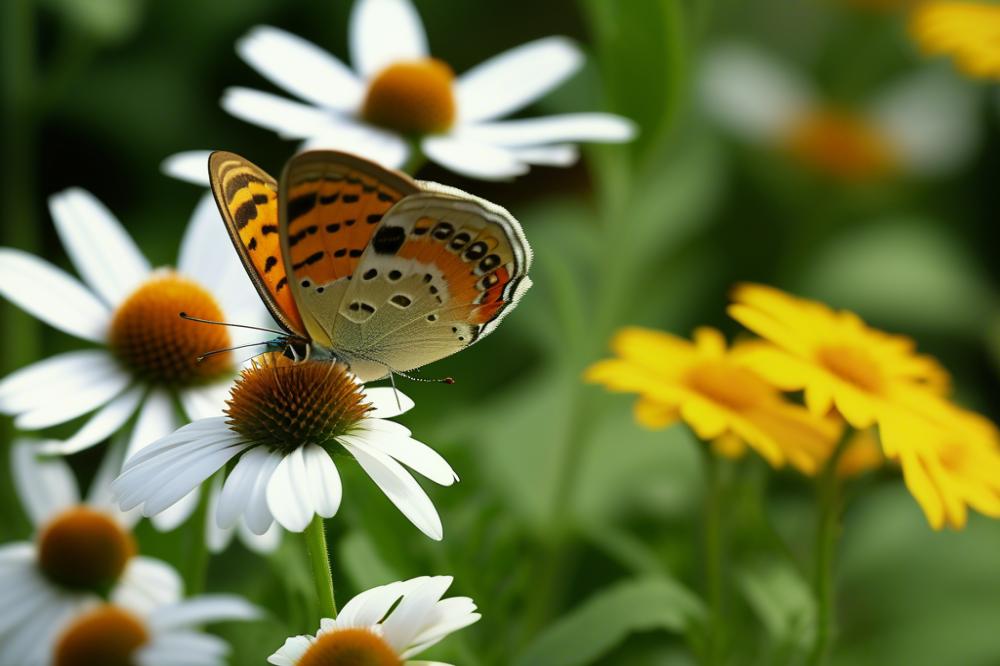
In Italy, various initiatives aim to protect vital habitats for Lepidoptera. The government partners with NGOs to develop projects focused on biodiversity. These organizations work to create protected areas where different species can thrive without the dangers of urban development.
Government and NGO Initiatives for Habitat Protection
Policies play a crucial role in environmental protection. Local and national governments have established reserves to preserve natural spaces. NGOs like WWF and Legambiente actively participate in these efforts. They often organize awareness campaigns about the importance of sustaining local ecosystems.
Field Studies and Research on Butterfly Populations
Field studies help scientists track changes in butterfly populations. Researchers regularly conduct surveys to collect data on species diversity and distribution. Such studies provide insights into how climate change and habitat loss threaten these insects. Accurate data allows for better-targeted conservation strategies.
Community Involvement in Wildlife Conservation
Community engagement is essential for successful conservation. Local residents often contribute to restoration projects, planting native flora that supports habitat. Schools participate in educational programs to teach students about the significance of protecting endangered species. People become active stewards, fostering a sense of connection to local wildlife.
Success Stories and Ongoing Challenges
There are notable success stories in the realm of conservation. Certain endemic species have shown signs of recovery due to focused efforts. However, challenges remain persistent. Urbanization continues to pose a significant threat. Additionally, climate variations affect the migratory patterns and reproductive cycles of many insects. Navigating these issues will require ongoing commitment from all stakeholders involved.
Environmental Protection Legislation
In Italy, various laws and regulations aim to protect endangered species and their habitats. The Italian government has enacted legislation that aligns with European Union directives. These regulations offer a framework for the conservation of Lepidoptera and other wildlife. They are critical in countering threats such as habitat loss and climate change.
Overview of Laws and Regulations Supporting Butterfly Conservation
One significant piece of legislation is the Wildlife Protection Act. This law includes provisions specifically targeting the preservation of endemic species. It establishes restrictions on activities that could harm vulnerable butterflies and their ecosystems. Field studies contribute to understanding these species’ needs. Data collected through research aids in formulating effective conservation strategies.
Role of Protected Areas and Reserves in Safeguarding Species
Protected areas play an essential role in wildlife conservation efforts. These reserves serve as safe havens, where species can thrive without direct human interference. National parks and nature reserves provide habitats that are crucial for the survival of butterflies. By restricting development and agriculture in these locations, Italy aims to maintain critical landscapes. This approach also ensures diverse ecosystems remain intact.
Strategic Plans for Maintaining Biodiversity
Maintaining biodiversity requires collaborative efforts among various stakeholders. Conservation groups and government agencies work together to create strategic plans. These plans focus on restoring habitats damaged by urban development or agricultural expansion. Additionally, education programs raise awareness about the importance of all species and their roles in the ecosystem.
Monitoring population trends is vital for ongoing conservation work. Regular assessments help identify declining populations and the reasons behind these changes. Understanding these dynamics is crucial to making informed decisions that positively impact overall biodiversity. Adaptation strategies form part of a broader framework, which is necessary for dealing with evolving environmental challenges.
In conclusion, Italy’s legislation and conservation measures aim to create a sustainable future for various species. By prioritizing environmental protection, the nation fosters resilience among its delicate ecosystems. Efforts continue to ensure the survival of not only butterflies but all inhabitants of Italy’s rich natural heritage.
Final Thoughts
Butterflies play a significant role in the ecosystems of Italy. These delicate insects contribute to pollination, helping plants thrive and produce fruit. Their presence indicates a healthy environment. When we protect these species, we also safeguard the broader ecosystem, benefiting countless other forms of life.
Continued conservation efforts are vital. Global changes, from climate shifts to habitat destruction, pose challenges to these remarkable insects. It’s crucial to prioritize their habitats and create awareness about their importance. Engaging communities in conservation initiatives can lead to lasting changes. Supporting research and protecting natural spaces will help preserve these beautiful creatures for generations to come.
A call to action is necessary. Everyone can contribute to environmental protection, whether through small everyday choices or larger initiatives. Educating ourselves and others about wildlife and their habitats can spark a movement. Let’s cherish what remains of Italy’s natural beauty and take steps to enhance it. Together, we can make a difference and secure a vibrant future for all forms of life.

