

Introduction
Chocolate-with-modica-s-ancient-recipe”>Italian Gelato stands as a symbol of much more than just a sweet treat in Italy. This delightful dessert plays a significant role in the world of Confectionery, enchanting locals and tourists alike. Its creamy texture and rich flavors delight the palate, but they also reflect the long-standing traditions and artistry of Italian culture.
The Chocolate-of-turin”>history of gelato is deep-rooted, tracing back to ancient times when frozen treats were first created. Over centuries, this popular dessert evolved, from a simple frozen mixture to an artisan product crafted with care. Techniques passed down through generations have honed gelato-making skills, resulting in a craft that continues to thrive today.
Flavors abound in every gelateria. You may encounter classic options like stracciatella or innovative creations that push the boundaries of gastronomy. These unique recipes illustrate not just the diversity of local ingredients, but also the creativity of gelato makers who continually seek to surprise their customers. Each scoop tells a story sprinkled with the culture of its origin.
This article aims to explore the evolution of this beloved treat and its integral place within the realm of desserts. Discover how innovation has transformed traditional methods and flavors into something both familiar and exciting. Join us on this journey through the heart of Italian Gelato and see why it remains a cherished element of a rich culinary heritage.
The history of Italian Gelato
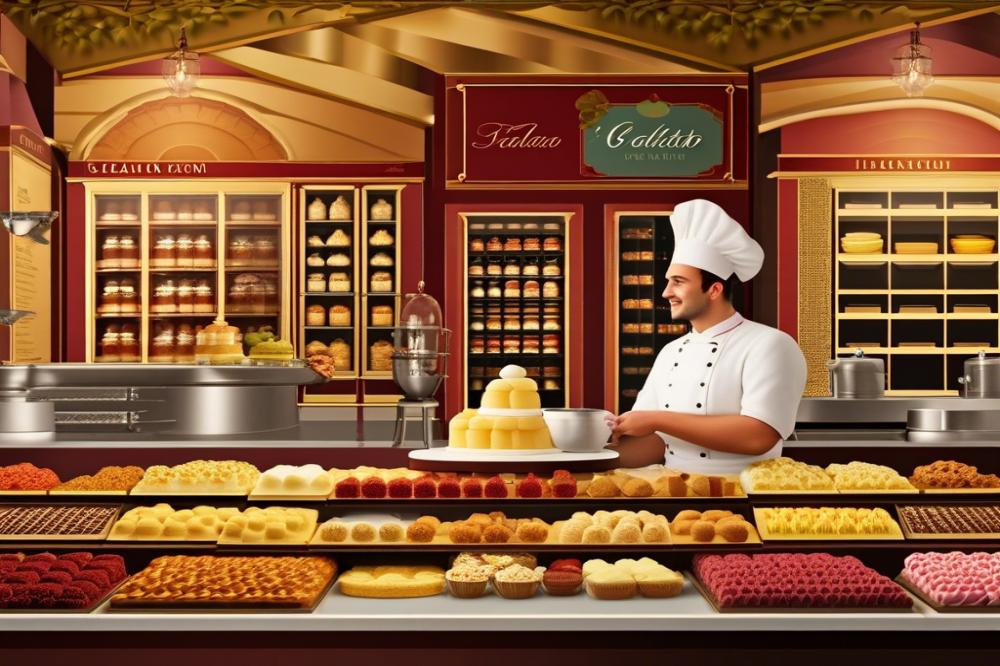
Origins of gelato can be traced back to ancient Italy. Early Romans and Greeks enjoyed frozen desserts made from snow and fruit. They mixed snow with honey and fruit juices, creating a simple and refreshing treat. This method laid the groundwork for what we now know as gelato.
During the Renaissance, innovation took off in Italy. The Medici family played a significant role in bringing together artisans and chefs. They developed more sophisticated recipes, using milk and cream. These ingredients gave rise to richer textures and flavors. Gelato began to evolve from a simple frozen treat to a refined dessert. It became a part of Italy’s vibrant gastronomy.
Italian immigrants later helped to spread gelato around the world. When they moved to the United States in the late 19th and early 20th centuries, they brought their recipes with them. These artisans opened gelaterias, introducing new people to the flavors of their homeland. They faced challenges but were determined to share their culture. Classic flavors like pistachio, stracciatella, and hazelnut quickly gained popularity.
Today, gelato embraces a variety of flavors and techniques, blending tradition with modern tastes. Artisans continuously experiment, creating unique combinations that delight customers. Each scoop reflects not only a history of craftsmanship but also individual creativity. As gelato becomes popular globally, it remains an essential dessert within Italian culture.
The craft of gelato-making is not lost. Many gelaterias still rely on traditional recipes passed down through generations. Creating gelato requires skill and patience. These artisans take pride in their work, often using fresh, high-quality ingredients. The passion for gelato fuels an ongoing commitment to quality and flavor.
Flavors of Italian Gelato
Traditional Flavors vs Innovative Flavors
Gelato has a rich tapestry of flavors that reflect its long history. Classic choices like chocolate, vanilla, and pistachio have been beloved for generations. They offer comfort and familiarity. Innovation is crucial in today’s gelato scene. New combos, such as lavender-lemon and spicy chocolate, thrill adventurous eaters. Some artisans blend traditional recipes with unexpected elements. This could mean adding exotic fruits or creating savory options that surprise the palate. The playful marriage of old and new continues to define the gelato landscape.
Popular Regional Gelato Flavors
Italy’s diverse regions boast a variety of unique flavor profiles. In Sicily, for example, one might find a delightful orange blossom gelato. Northern areas may favor flavors featuring rich nuts or intense chocolate. Regions often pride themselves on local specialties, showcasing ingredients grown nearby. Stracciatella, for instance, hails from Lombardy and combines creamy milk with crispy chocolate shards. Each region tells a story through its gelato, reflecting the culture and ingredients available. Venturing through different provinces can reveal exciting new tastes.
Seasonal and Local Ingredients in Flavor Creation
In making gelato, choosing fresh, seasonal ingredients is paramount. Many artisans seek out local farmers to source what they need. Seasonal fruits like strawberries in summer or chestnuts in fall shine through. Such ingredients inspire flavors that embody the essence of each season. Creativity flourishes in these moments when artisans experiment. Tasting gelato made from ripe peaches or fragrant basil becomes a sensory experience. Traditional recipes evolve with these ingredients, bridging gastronomy and agriculture. By focusing on what is locally available, gelato makers promote sustainability while enticing customers with freshness.
Techniques in Gelato Making
Differences Between Gelato and Ice Cream
Many people confuse gelato with ice cream, but the two desserts have key differences. Gelato contains less air and fat compared to traditional ice cream. This results in a denser and creamier texture. While ice cream is often made with heavy cream, gelato uses more milk. This choice allows for a stronger emphasis on flavors. The lower fat content means that the taste often feels more intense. These differences showcase how gelato has evolved within its own niche in the world of desserts.
Artisan Techniques and Craftsmanship in Gelato Production
Artisan gelato makers focus on quality over quantity. They use fresh, natural ingredients which often vary by season. This commitment to using local produce enhances the freshness of flavors. Craftsmanship is evident in every step. From mixing ingredients to churning, each process requires skill and attention. Small gelaterias often follow centuries-old recipes passed down through generations. This practice reflects a deep respect for history and culture in the craft of gelato making. Furthermore, innovation plays a role as artisans experiment with new flavors and techniques.
Role of Temperature and Texture in Gelato
Temperature is crucial when it comes to gelato. Typically, it is served at a slightly warmer temperature than ice cream. This helps to highlight its silkiness and bold flavors. The ideal texture contributes to the overall eating experience. A well-made gelato should feel smooth and melt effortlessly on the tongue. Techniques like slow churning reduce the air incorporated, thus enhancing its creamy consistency. Gelato is not just about taste but also about how it feels. The perfect combination of temperature and texture elevates it as a key player in modern gastronomy.
Cultural Significance of Italian Gelato
For many in Italy, gelato represents more than just a tasty treat. It serves as a social experience that brings people together. Family outings often include a visit to the neighborhood gelateria. Friends gather after dinner to enjoy the smooth, rich flavors. Conversations flow easily over a scoop or two. In a bustling piazza, it’s common to see families and couples enjoying their cones while soaking in the atmosphere.
Gelaterias act as community hubs in towns and cities. These artisan shops are places where locals share stories and laughter. They offer a sense of belonging. Each gelateria showcases its unique history and recipes, often passed down through generations. The techniques used vary from one shop to another, creating a local flavor scene that is vibrant and diverse. Often, special flavors celebrate local produce, honoring the traditions of Italian gastronomy.
Festivals and events throughout Italy highlight the importance of gelato in the culture. Annual gelato festivals attract thousands of visitors. These gatherings celebrate innovation and creativity in gelato-making. Competitions challenge artisans to showcase their best flavors and techniques. People flock to taste new creations, ranging from traditional favorites to inventive combinations. Such events not only honor gelato’s rich history but also invite everyone to experience its evolution in desserts.
Innovation in Gelato
Modern Trends in Gelato Flavors and Techniques
Today’s gelato artisans experiment with bold, unexpected flavors. Classic combinations appear alongside unique twists, such as olive oil and sea salt or basil and pistachio. Gelato shops, known as gelaterie, proudly serve these innovative creations. Passion fruit and chili, saffron and honey have found a place in hot summer days. Traditional recipes mix with local ingredients to reflect current food trends. Customers are eager to try flavors that capture the essence of diverse cultures. Plant-based options and gluten-free varieties also cater to changing dietary preferences.
The Impact of Technology in Gelato Production
Advancements in technology significantly shape how ice cream is made. Modern machines allow for precise temperature control during the freezing process. This results in smoother textures which enhance the overall experience of gelato. Innovations in pasteurization ensure safety while preserving the fresh flavors of ingredients. Furthermore, companies are experimenting with new freezing methods, such as liquid nitrogen techniques. This method can create gelato with a decidedly creamy quality. As technology evolves, traditional methods remain respected for their artistry, striking a balance between old and new.
Sustainable Practices in Gelato Making
Sustainability has become a priority in the dessert world. Many gelato makers source ingredients from local, organic farms. This approach reduces transportation emissions and supports regional economies. Environmentally friendly packaging also features prominently in modern gelaterie, promoting waste reduction. Additionally, artisan gelato makers are experimenting with plant-based milks, decreasing reliance on dairy. Innovations extend to energy-efficient production processes, further lowering the carbon footprint. By embracing sustainable practices, the gelato industry honors both its rich history and the future of gastronomy.
Italian Gelato in Gastronomy
Gelato as Part of Fine Dining Experiences
Fine dining has embraced gelato, elevating its presence in upscale restaurants. Chefs incorporate this delightful treat into their menus, showcasing its versatility. Luxurious flavors often enhance the meal experience, blending it seamlessly with exquisite dishes. Guests can delight in a scoop of saffron gelato paired with a savory dish, adding an unexpected twist. This culinary move reflects a growing trend where gelato becomes more than just dessert; it transforms into a sophisticated element within gastronomy.
Pairing Gelato with Desserts and Other Culinary Creations
Pairing gelato with various desserts can create magical combinations. A warm chocolate tart served alongside a refreshing mint gelato offers a balance of temperatures and flavors. Pastry chefs experiment with innovative recipes, using artisan gelato to take classic desserts to new heights. This approach allows for unexpected pairings, such as coffee gelato with lemon sorbet, tantalizing the taste buds. Each combination reveals how diverse gelato can be, complementing and contrasting other sweets beautifully.
The Evolution of Gelato in International Confectionery
The history of gelato reflects a rich cultural journey. Originally, it was a simple frozen treat enjoyed by many. Over the years, techniques have advanced, leading to an explosion of flavors and styles. Today, gelato is prominent in international confectionery, with global chefs adopting Italian methods. Innovation is key, as contemporary artisans craft gelato in flavors ranging from matcha to avocado. This evolution illustrates how gelato adapts to various culinary landscapes, bridging cultural divides through shared love for desserts.
Classic Gelato Recipes
Making gelato at home can be a rewarding experience. Traditional recipes form the foundation of this beloved dessert. Start with a simple recipe that includes milk, sugar, and fresh ingredients. Authentic gelato highlights quality over quantity. The right balance of milk and cream is crucial. Typically, a ratio of three parts milk to one part cream works well. Using whole ingredients contributes to the creamy texture that makes gelato special.
Flavor profiles in gelato can transport you to Italy. Classic tastes include pistachio, stracciatella, and hazelnut. Use real nuts or fruit for the best results. Infuse flavors by steeping herbs in warm milk before combining with sugar. This method captures the essence of Italian flavors. Exploring unique ingredients adds a modern twist while keeping traditions alive.
Techniques matter in the crafting of gelato. Churning at a slow speed incorporates less air, creating a denser product. Cool down the base thoroughly before churning for optimal results. Patience is vital during the freezing process. Letting the mixture rest overnight enhances the depth of flavors. This step is often overlooked but plays a significant role in achieving a rich taste.
Many artisan gelaterias take pride in their recipes. Drawing inspiration from local culture and history, they craft flavors that reflect their surroundings. Seasonal ingredients often take center stage, making each creation unique. Experimenting with textures, such as adding crunchy bits or swirls, elevates the final product. As innovation continues in gastronomy, traditional recipes also evolve.
Starting with simple recipes opens the door to creativity. With each batch, a new experience unfolds. Pay attention to the balance of ingredients, as it determines the outcome. The journey of making gelato is not just about the end product but also about savoring the process. Enjoy sharing these creations with friends and family, as desserts often bring people together.
Final Thoughts on the Journey of Italian Gelato
The evolution of Italian gelato has been a remarkable journey. From its humble origins in ancient Italy to the creative explosion of flavors we see today, gelato has carved out a vital place in the world of confectionery. This dessert is not just a treat but a symbol of Italian culture and craftsmanship. Throughout history, artisans have perfected their recipes, focusing on quality ingredients and traditional techniques. This dedication has allowed gelato to stand out as a beloved delight across the globe.
Looking ahead, the future of gelato appears bright. Innovation seems to thrive as new gastronomic trends emerge. Many gelaterias now experiment with unconventional flavors and health-conscious ingredients. Such creativity keeps consumers intrigued and allows modern artisans to try out flavors that blend tradition with contemporary tastes. As awareness grows about gelato’s rich background, there is hope that even more people will embrace this enchanting culinary staple.
For those curious about discovering Italian gelato, the invitation is open. Exploring different shops can be a delightful experience. Each scoop may tell its own story, reflecting the unique regions and traditions of Italy. Immerse yourself in the tastes and textures of this iconic frozen dessert. Celebrate its role in confectionery and savor every moment. The world of gelato awaits!

