
Introduction
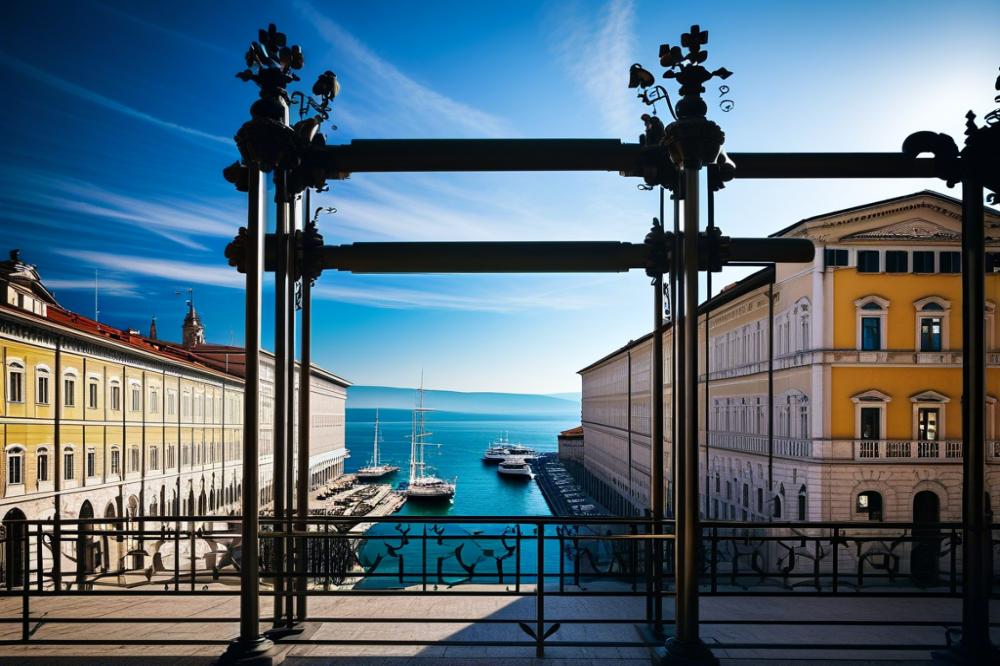
Trieste stands out as a significant port city on the Adriatic Sea. Its location has made it an important center for maritime trade throughout history. This city is not just about shipping and commerce; it is a melting pot of cultural diversity. Over the centuries, its development shaped a rich tapestry woven from three cultures: Italian, Slovenian, and German.
The maritime history of this region is crucial for understanding its growth. The days when it served as a vital naval hub during the Austro-Hungarian Empire are still etched into its historical architecture. This past deeply influences its community today. Visitors can witness the blend of styles in buildings, reflecting the various influences that have shaped the city.
Each culture contributes to the unique atmosphere found in local traditions, festivals, and cuisine. The Italian heritage, with its vibrant festivals, contrasts with Slovenian customs that celebrate community and nature. German influences are visible in the city’s organizational spirit and cultural events. Together, these elements make Trieste a fascinating place that highlights its maritime significance alongside its rich cultural heritage.
Understanding the port’s role in economic development helps to appreciate why it became such a bustling hub. The mix of languages and customs creates an inviting environment for both locals and travelers. As one explores this port city, the echoes of its diverse history become vivid, telling stories of trade, culture, and community that continue to resonate today.
The Geographical Significance of Trieste
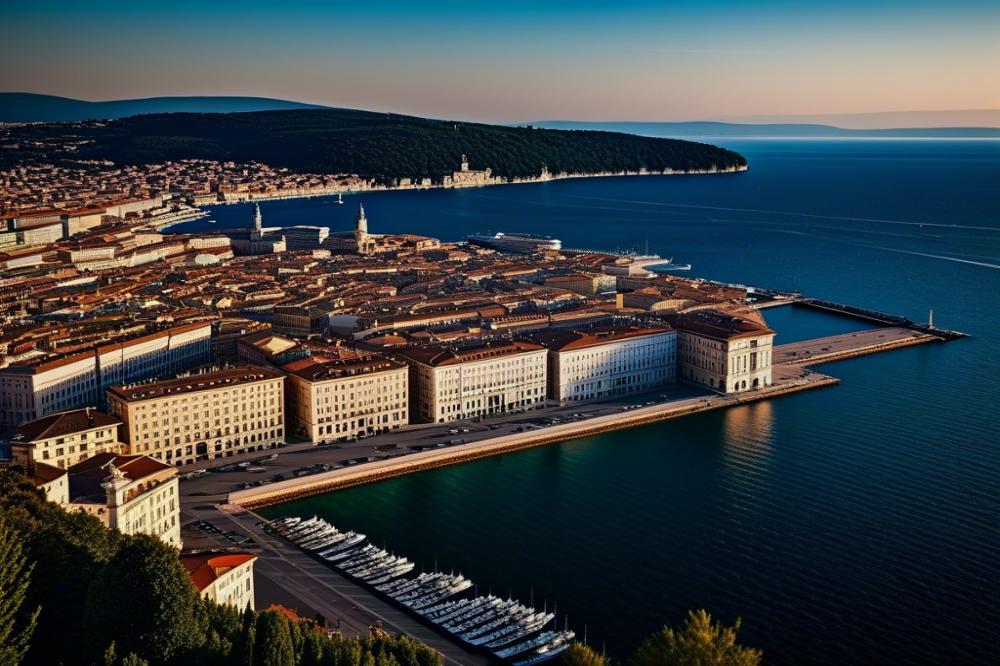
Located along the Adriatic Sea, this port city has played a crucial role in European maritime history. Its position offers easy access to trade routes that link the Mediterranean to Central and Eastern Europe. The natural harbor of Trieste is one of its most important features. This deep-water port can accommodate large ships, making it ideal for maritime trade.
Commerce flourished in the area during the days of the Austro-Hungarian Empire. Merchants from various backgrounds took advantage of this favorable location. They contributed to the city’s rich Italian heritage while creating a melting pot of cultures. Maritime activities paved the way for economic development, enabling local businesses to thrive.
Geography has notably shaped trade routes over the centuries. The ease of entering and exiting the harbor made Trieste a vital stop for shipping companies. Goods from Asia and Africa often passed through this bustling gateway. It became an important hub for various products, from textiles to spices, influencing the economy of the region.
Cultural diversity emerged as a direct result of Trieste’s maritime significance. Different peoples settled, leaving their mark on the architectural landscape. Historical architecture reflects the city’s past, showcasing styles from various cultures. Ships arriving in the harbor brought not just goods, but also ideas and traditions. This exchange enriched the local way of life.
Throughout its history, the naval significance of this port cannot be overstated. It provided a strategic advantage during times of conflict. Access to the Adriatic Sea allowed for military endeavors as well as commercial ventures. The interplay between geography and maritime trade routes further established the city’s important role in the region.
Historical Context of Trieste’s Maritime Development
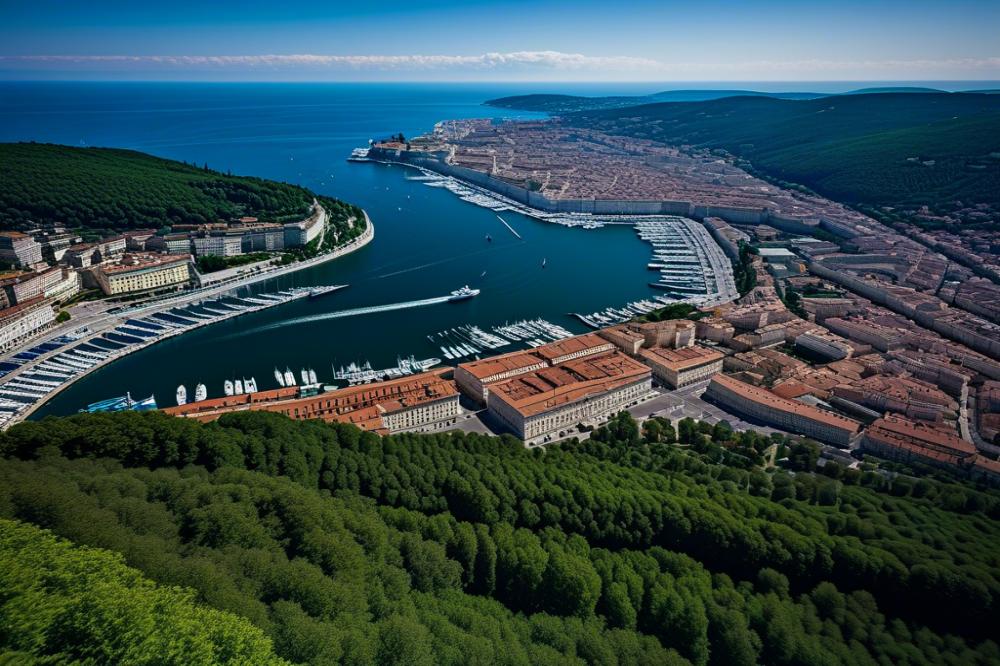
During the era of the Austro-Hungarian Empire, this port city emerged as a crucial hub for maritime trade. Strategic location along the Adriatic Sea made it a focal point for commerce and naval activities. Its deep-water port allowed for larger ships, which played a significant role in trade. The empire recognized the importance of Trieste, capable of facilitating connections between different cultures and economies.
Port facilities received considerable investment. Improvements were made in the late 19th and early 20th centuries. This included the expansion of docks and warehouses, which increased the port’s capacity. The evolution of infrastructure not only supported the growing maritime activity but also transformed the city landscape. Historical architecture from that period still highlights this development today.
Italian heritage significantly influenced the city’s growth. With its roots deep in Italian culture, the populace contributed to a vibrant community. This cultural diversity enriched daily life and trade. Festivals and traditions often reflected this blend of influences, creating a dynamic societal fabric. As merchants from various backgrounds settled, they enhanced the city’s reputation as a thriving center for economics and culture.
The interplay of these elements forged a legacy that marked Trieste as a notable maritime player. Without the support of the Austro-Hungarian Empire, this port city might not have achieved its status. Its historical significance continues to resonate, revealing the stories of the past that built the present. Understanding these influences provides insight into the unique character of the region.
The Economic Role of Maritime Trade in Trieste
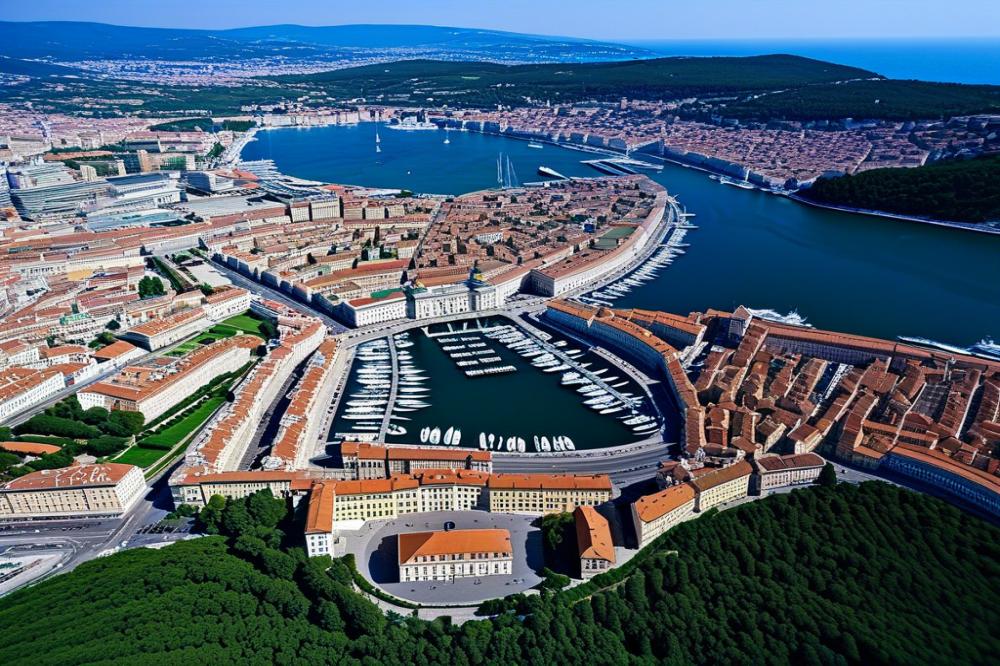
Throughout history, this port city has served as a vital center for commerce and trade. Maritime trade directly influences the local economy. Key industries have emerged around shipping, shipbuilding, and logistics. This engagement with the Adriatic Sea allowed for the growth of businesses reliant on vessels and cargo movement.
Shipping activities created numerous job opportunities for residents. Workers in the maritime sector contributed significantly to economic development. The city’s role in shipbuilding dates back centuries and played a crucial part during the Austro-Hungarian Empire. Workers skilled in various trades were crucial in crafting and maintaining vessels.
Naval significance remains apparent even today. Companies related to procurement and shipping continually thrive in this area. The cultural diversity formed by distinct influences also strengthens the economy. Industries linked to tourism and hospitality benefit from the rich historical architecture that attracts visitors.
Trieste’s positioning on the Adriatic Sea strengthens its status as a regional trade hub. The flow of goods and services through this city bolstered its importance in international commerce. Long-standing relationships with neighboring countries established a unique marketplace for various products. The mixture of traditions and customs, stemming from three cultures, enhances the overall experience for traders and consumers alike.
All these elements contribute to a thriving economy today. The blend of Italian heritage and maritime activities creates an appealing environment for business. Strong naval traditions and active shipping lanes support continued growth for the city. Local industries remain intertwined with the city’s maritime legacy and its pivotal role in shaping the economy.
Cultural Diversity and Architectural Heritage
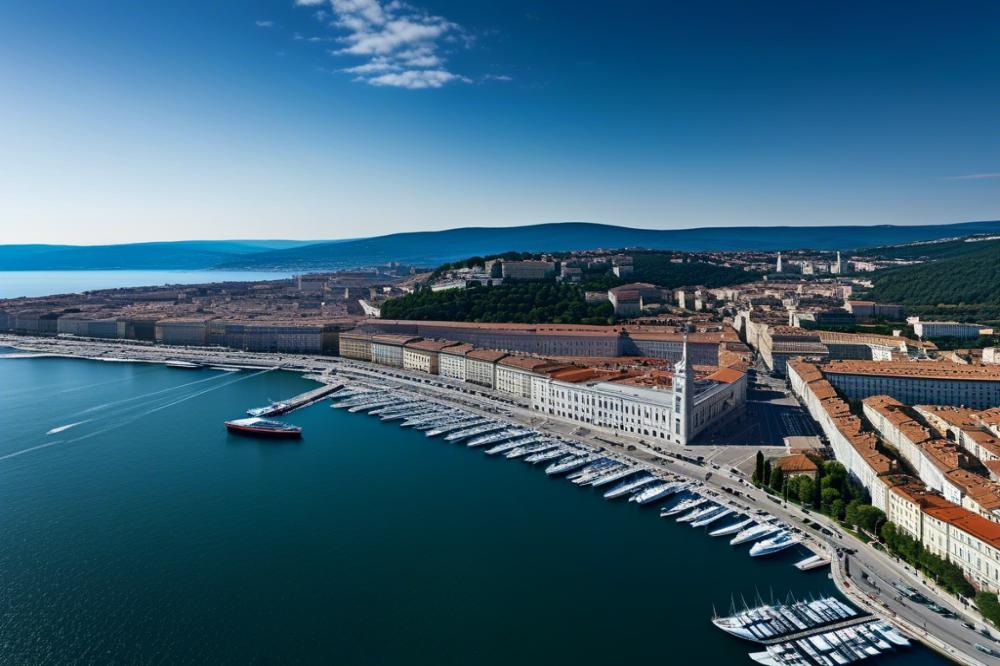
The port city, shaped by its location on the Adriatic Sea, is a tapestry woven from the threads of three cultures: Slavic, Italian, and German. Each group left a lasting impression on the community. This blend has created a rich cultural diversity that defines the area even today.
During the time of the Austro-Hungarian Empire, Trieste became a vital hub for maritime trade. Nationalities converged, and the city flourished as a melting pot. This fusion is reflected in the landmarks scattered throughout the area. You can see Italian heritage in the elegant facades, while Slavic influences add a unique character.
Architecture is one of the most telling signs of this mixed heritage. The grand palaces and ornate churches speak volumes about the city’s naval significance. Structures like the Piazza Unità d’Italia showcase beautiful designs that marry various styles, symbolizing unity amid diversity.
Historical buildings, such as the Church of Santa Maria Maggiore, reveal the influences of different faiths and cultures. Walking through Trieste’s streets, it’s easy to admire the detailed craftsmanship that each group contributed over centuries. Many of these sites are reminders of the city’s economic development, playing crucial roles in its maritime history.
Important monuments, like the Castello di Miramare, illustrate the ambitions of the time. This castle, built for Archduke Ferdinand Maximilian, represents the ideals of an empire seeking to extend its reach over the sea. The site provides insight into both the architectural trends and the aspirations of its era.
The influences of diverse traditions can be both serene and chaotic, like the sea. In every corner, there’s a story waiting to be uncovered. Visitors often find themselves captivated by the eclectic mix that feels both timeless and contemporary.
Naval Significance of Trieste
This port city has a rich maritime history that dates back centuries. Its strategic location along the Adriatic Sea made it an important hub for naval activities. The naval presence of the city grew significantly during the era of the Austro-Hungarian Empire. This was a time when naval power was vital for protecting trade routes and asserting influence in the region.
Contributions to naval developments were notable. Shipbuilding thrived as local craftsmen crafted vessels that were innovative for their time. The city’s shipyards became well-known, providing not only ships but also careers for many residents. The blend of Italian heritage and Slavic traditions influenced ship design and maritime practices. With cultural diversity at the forefront, the exchange of ideas enriched naval engineering.
Various maritime events throughout the years have shaped the local psyche. Maritime festivals celebrated the city’s naval history and allowed citizens to honor their connections to the sea. Tall ships and naval parades drew attention, boosting community pride. These gatherings resonated with the people, reinforcing their regional identity. As a result, the allure of the harbor also invited tourists and traders, which spurred economic development.
Historical architecture reflects this naval legacy. Buildings from the Austro-Hungarian era stand as reminders of the city’s past. They tell stories of seafaring and trade, showcasing how maritime activities helped shape the urban landscape. The resilience of the inhabitants connects directly to their maritime roots, creating a lasting bond with the sea.
Today, the naval significance of this port city remains evident. Citizens celebrate its unique maritime culture while navigating modern challenges. The coastline remains a vital link for trade and communication, remaining relevant in both national and international contexts. Each wave that crashes against the shore is a reminder of the diverse history that continues to define this vibrant region.
Final Thoughts on a Vibrant Maritime Legacy
The maritime history of this Italian port city demonstrates its significant role in trade and cultural exchange. Not only has it been a vital gateway for goods, but it has also served as a melting pot of different traditions. The blending of three cultures has greatly influenced local customs, cuisine, and architecture, creating a rich tapestry that continues to inspire both residents and visitors.
Economic contributions have shaped its development through centuries. The bustling ports fostered commerce that linked Europe and beyond. This city thrived on its strategic location along important trade routes. Industries such as shipbuilding and shipping have not only provided jobs but also enhanced the global standing of the region.
Looking ahead, the future appears promising for this port city. Urban revitalization projects focus on enhancing waterfronts and encouraging tourism. There is a growing interest in sustainability that could benefit both the environment and local businesses. The blend of history with modern innovation offers a bright outlook for residents who cherish their diverse heritage.
In summary, the story of this port city unfolds through a unique cultural lens, reflecting the influences of various traditions while highlighting its economic importance. Preservation of maritime history remains vital to understanding its identity. By nurturing this rich blend, there is hope for continued growth and connection in an ever-evolving world.

