
Introduction
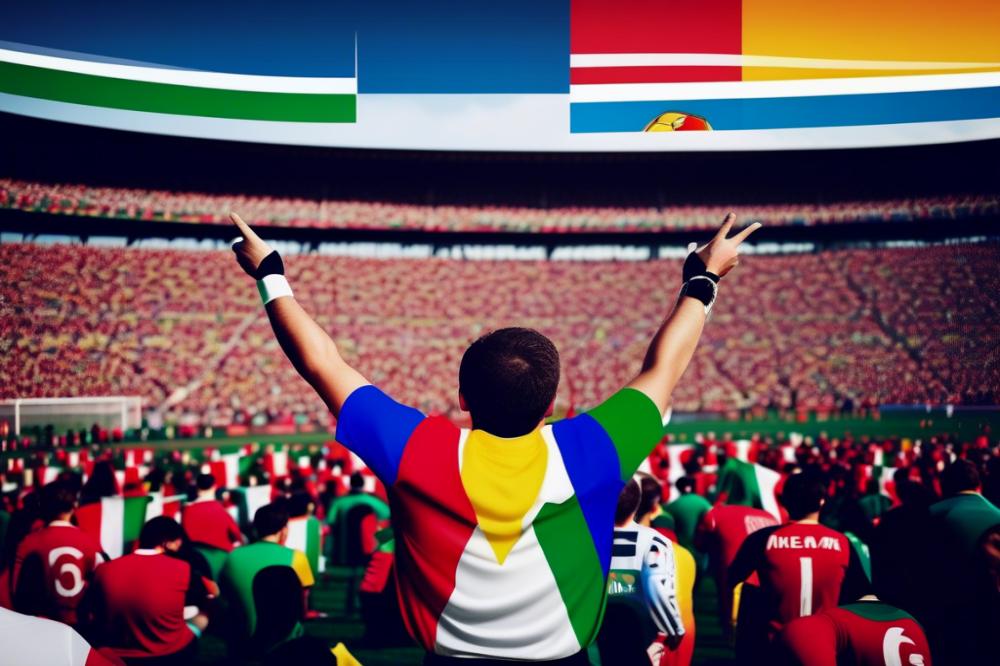
Calcio holds a special place in the hearts of Italians. For many, it’s more than just a sport; it’s a defining aspect of their identity. Every region in Italy boasts its own unique Football clubs, with passionate supporters following their teams through triumphs and defeats. The fervor surrounding Serie A, the top league in the country, reflects the deep-rooted love for the game. It unites communities, inspires youth, and nurtures legendary players whose names resonate beyond borders.
The rise of Football in Italy has been impressive. Over the decades, the nation transformed into a powerhouse in the sport, competing on both domestic and international stages. Major tournaments like the World Cup have showcased Italy’s prowess, leading to numerous victories that fans cherish. This success has had a lasting impact, influencing other countries and generating admiration worldwide.
In Italian football culture, the influence of clubs extends to every corner of society. The rivalry between teams brings an electric atmosphere to matches, captivating millions. During weekends, stadiums buzz with excitement as fans engage in a shared experience. Youngsters are inspired to dream of wearing their club’s jersey one day. Football academies across the nation focus on youth development, aiming to cultivate the next generation of stars.
Sports tourism thrives in the country as international fans flock to watch Serie A matches. The architecture of historic stadiums, alongside the vibrant fan culture, attracts many visitors. People come to experience the drama, passion, and artistry inherent in calcio. With a rich history behind it, this sport continues to evolve while staying deeply embedded in Italy’s social fabric.
Football: A National Passion
Italy has a rich football history that dates back to the late 19th century. The game quickly gained popularity across the country. Local clubs formed, and people began to embrace the sport. This environment laid the groundwork for what would become a national passion. Cities like Turin, Milan, and Rome became footballing hotspots, each nurturing its own club spirit.
Importance of Serie A
Serie A stands tall as the pinnacle of Italian football. It showcases the very best talent and is highly regarded worldwide. Clubs like Juventus, AC Milan, and Inter Milan have a storied past. Fans everywhere recognize these teams. The league not only attracts top players but also forms a significant part of Italian football culture. Each match offers drama and intensity, which fans love to witness.
Calcio as Italian Identity
Calcio has evolved into a key aspect of Italian identity. It’s more than just a game; it reflects regional pride and cultural values. Generations have attached themselves to their local teams, often passing this allegiance down to their children. The passion during matches is palpable, creating a communal bond among supporters. This strong fan culture shapes social interactions, reinforcing a shared love for the game.
Impact of Legendary Players
Numerous legendary players have made significant contributions to the popularity of football in Italy. Icons like Paolo Maldini and Alessandro Del Piero are household names. These athletes not only achieved greatness on the pitch but also inspired many young fans. Their skill and dedication brought more attention to the league. They set a standard that youth development programs in Italy strive to reach. Major tournaments have often showcased Italian talents, further raising the profile of the sport.
Sports tourism has also flourished due to this love for the game. Fans from around the globe travel to see Serie A matches and visit historic stadiums. This influx of visitors highlights the unique allure of Italy’s footballing heritage. In essence, the passion for calcio continues to grow, weaving itself deeper into the fabric of Italian culture.
Italian Football Culture
Calcio is more than just a sport in Italy; it is a deep-rooted tradition that binds communities together. A unique fan culture surrounds the game, creating colorful atmospheres in stadiums across the country. Home matches transform into vibrant festivals, where supporters express their passion through chanting, creating banners, and wearing club colors. Whether it is the roar of the crowd or the rhythm of drums, these experiences resonate with fans from all walks of life.
Rivalries among major football clubs are intense and often historic. Matches between Juventus and AC Milan, or Roma and Lazio, are more than just games; they embody the pride of cities and regions. These rivalries speak volumes about local identities, igniting fierce loyalty. The contests become public displays of emotion, drawing supporters into a spectacle that captures the heart of Italian football culture.
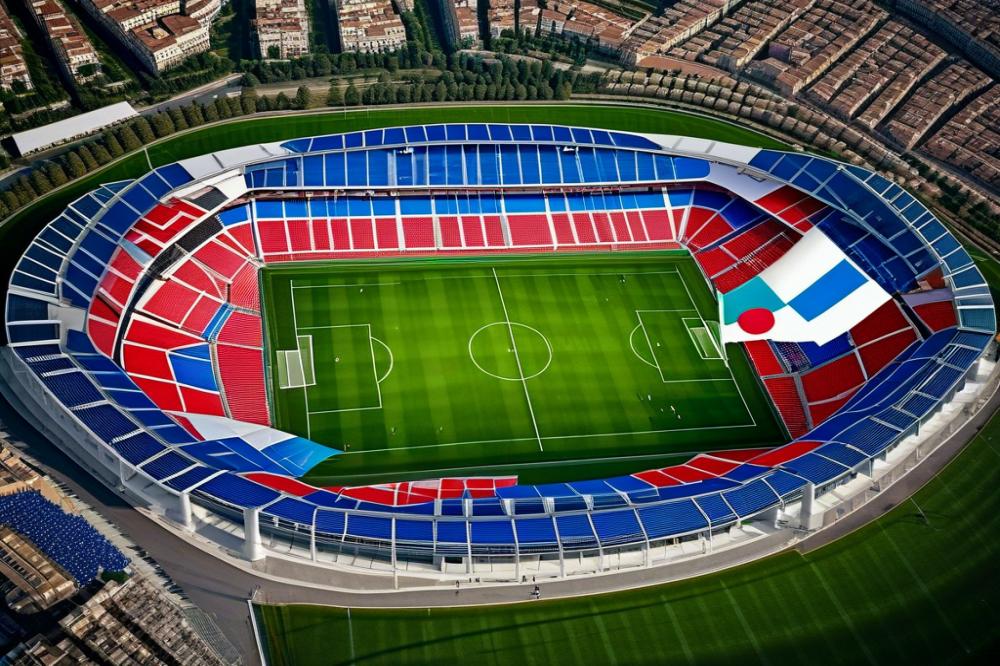
Stadiums play a crucial role in this fan engagement. Iconic venues like San Siro and Stadio Olimpico are more than just places of play; they are steeped in football history. The experience of attending a match offers an unforgettable atmosphere filled with excitement and anticipation. Pre-match rituals often involve enjoying local food and drinks, fostering a sense of community among fans. Each match day becomes a chance to celebrate heritage and shared love for the game.
Calcio extends beyond the pitch into various aspects of Italian life. Its influence can be seen in art, music, and even daily conversations. Legendary players become cultural icons, inspiring fans and youth alike. The stories of their triumphs and struggles are woven into the fabric of Italian identity. Major tournaments draw attention from across the globe, making sports tourism a thriving industry. Visitors flock to Italy to witness the excitement firsthand, contributing to the vibrant culture surrounding the sport.
Youth development plays a significant role in nurturing the next generation of players. Clubs invest heavily in training young talent, believing they hold the future of football. This commitment helps maintain Italy’s reputation as a breeding ground for extraordinary talent. With a focus on technical skills and teamwork, young players are inspired to pursue their dreams, often idolizing famous figures in the sport.
Major Tournaments and Achievements
Italy has a storied legacy in major international tournaments. Their success on the world stage includes winning the FIFA World Cup four times: in 1934, 1938, 1982, and 2006. Each victory holds special places in the hearts of fans. Moreover, the national team has made significant strides in the UEFA European Championship, securing the title in 1968 and most recently in 2021. Both achievements reflect Italy’s dominance and resilience in the arena of international football.
The FIFA World Cup has played a pivotal role in boosting the sport’s popularity across Italy. Matches during the tournament create an incredible atmosphere, uniting people in the streets and in their homes. Fans gather to watch games, showcasing their love for the national team. This spirit of togetherness not only fuels Italian football culture but also draws sports tourism, with visitors flocking to experience the fervor firsthand.
Despite ups and downs, Italy remains a strong contender in international football today. Their commitment to youth development has been crucial in building a solid foundation for future successes. Many legendary players have come through the ranks, leaving an indelible mark on both Serie A and the national team. The passion for calcio continues to resonate, ensuring that Italy remains a powerhouse in global football.
Club rivalries also intensify the overall experience. Supporters of teams like Juventus, AC Milan, and Inter Milan contribute to a vibrant fan culture. These clubs not only compete in the domestic league but also in European competitions. This adds layers of excitement, making every match significant. As a result, the popularity of the sport goes beyond just professional achievements, reflecting deep-rooted traditions that define Italian identity.
Youth Development and Future of Italian Football
Investment in youth development programs is crucial for the future of Italian football. Many clubs are starting to focus on nurturing young talent from an early age. This proactive approach helps players rise through the ranks. It also seeks to create a lasting impact on Serie A and the broader calcio landscape.
Youth academies now play a vital role in fostering the next generation of stars. Clubs like Juventus, AC Milan, and Inter Milan have established well-structured pipelines. These programs not only teach skills, but also instill the values of teamwork and discipline. Aspiring players gain opportunities that were not as accessible in the past.
Challenges exist for football in Italy, particularly with the rise of international leagues. Many young athletes are tempted to pursue careers abroad. While this presents a risk, it also creates opportunities for increased competition at home. More exposure to different playing styles can only enhance local talent.
Fan culture in Italy remains deeply intertwined with the sport. Passionate supporters gather to celebrate their teams and their histories. This strong community can motivate young players aspiring to become legendary figures in football history. They want to replicate the success of their idols and bring glory to their clubs.
Major tournaments can serve as a platform for young talent to shine. Scouts often attend these events in search of the next big player. Exposure at this level can lead directly to professional contracts. It creates a unique environment that challenges youth to perform their best.
Sports tourism is also growing, with fans traveling to watch matches in various cities. This influx benefits local economies and raises interest among young people. They see the vibrancy of the sport and want to be part of the action themselves. Developing grassroots initiatives can capture this interest, paving the way for a brighter future.
In conclusion, the blend of strong youth development programs, passionate fan culture, and the promise of major tournaments shapes the future of football in Italy.
Football as a Driver of Sports Tourism
Italy’s passion for calcio reaches beyond the local community. It draws millions of visitors from around the world. Sports tourism thrives in this country, thanks largely to the beloved game. Travelers often come to experience the excitement of a match or visit famous stadiums.
How football influences tourism in Italy
Tourists flock to Italy not just for its breathtaking landscapes, but also for its rich football history. Iconic clubs like Juventus, AC Milan, and AS Roma create a buzz that attracts fans globally. Strolling through cities on match days reveals vibrant fan culture. Street vendors sell jerseys, scarves, and local snacks, enhancing the experience for visitors. Attending a game allows them to feel the deep connection Italians have with their teams.
Major football events that attract international visitors
Throughout the year, major tournaments light up Italy’s sports calendar. Serie A fixtures are always a major draw, with high-profile matches that showcase legendary players. Moreover, international events like the UEFA Champions League also bring attention. Each matchup brings together supporters from different countries, fostering a thrilling atmosphere.
Economic impact of football on local and national levels
The presence of football clubs benefits local economies significantly. Hotels, restaurants, and shops see increased business on match days. This influx of tourists creates jobs and revitalizes neighborhoods. Nationally, the economic ripple effects can be substantial. Investments in youth development and community programs continue to rise. Such initiatives aim to nurture the sport from grassroots to the professional level. Ultimately, football does more than entertain; it enriches Italy’s cultural and economic landscape.
Wrap-Up
Italy’s long-held passion for calcio is evident in every stadium filled with fans chanting for their teams. This enduring love affair has created a deep connection between the people and the sport. Generations have passed down traditions of loyalty and pride, fostering a vibrant culture around Serie A. It’s more than just a game; it’s a way of life.
Looking ahead, the future of football in Italy seems promising yet challenging. Young players continue to emerge, showcasing incredible talent. However, to compete globally, Italian clubs must adapt to modern demands. Innovation is key to remaining relevant. The interest from fans remains strong, but the game must evolve with changing times.
Maintaining the traditions of Italian football culture holds significant importance. In a world changing quickly, the rich history of the sport provides a sense of identity. It offers unity among diverse communities. Emphasizing core values—like teamwork and respect—will keep the spirit alive. Italy’s love for the sport not only shapes its own culture but also contributes to the global football community.

