
Traditional Italian Sports: Preserving Cultural Games in a Modern Era
Traditional Italian Sports play a significant role in the rich tapestry of Italy’s cultural landscape. They are more than just games; they embody the heritage and traditions passed down through generations. Locals often gather to participate in or watch these events. This sense of community creates strong bonds among participants, encouraging teamwork and connection.
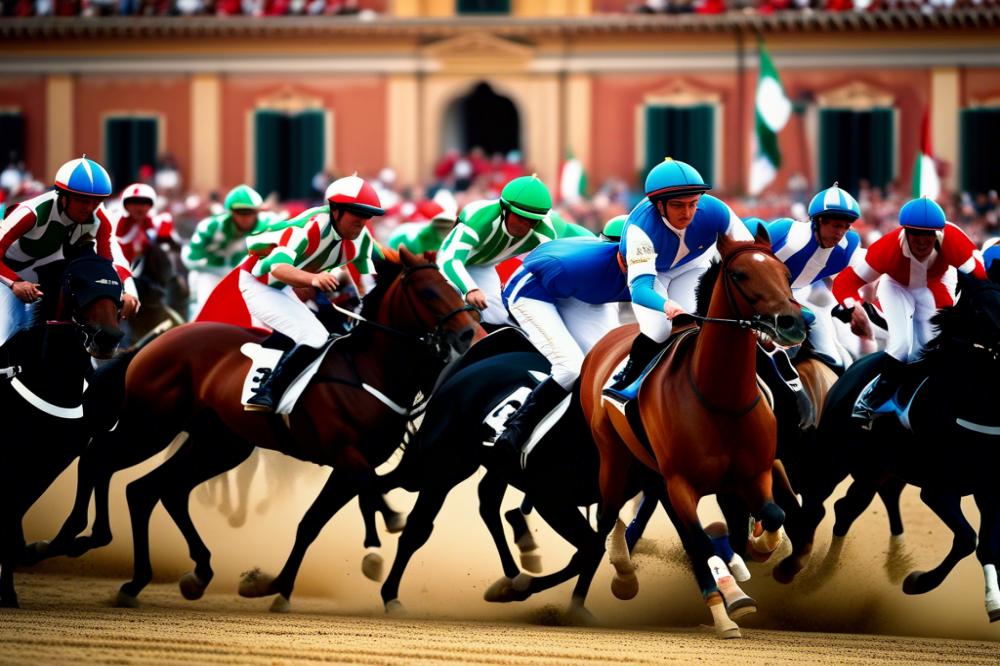
Calcio Storico, for example, is a fierce and historic competition that takes place in Florence. It dates back to the 16th century and combines elements of soccer and rugby. The event is deeply rooted in the local tradition and attracts spectators from far and wide. Similarly, the Palio di Siena is a thrilling horse race held twice a year in Siena. The intense rivalry between the city’s neighborhoods adds to the excitement. Such festivals not only celebrate athletic skill but also foster local pride and identity.
Engaging in these sports helps preserve folklore that might otherwise fade away. Events like Gioco del Ponte in Pisa vividly reflect historical battles, reenacting past conflicts in a unique, dramatic manner. Tiro alla Fune, the traditional tug-of-war, emphasizes strength and teamwork, celebrating the community’s spirit. Bocce, a leisurely game played in parks, allows families to connect while engaging in friendly competition. Meanwhile, Caccia al Cinghiale, or wild boar hunting, showcases ancient traditions tied to rural life.
Communities investing effort into these games possess a deeper understanding of their heritage. As modernity encroaches on traditional practices, preserving these Cultural Games becomes crucial. They serve as a reminder of Italy’s diverse regional identities. By participating in and celebrating these sports, individuals contribute to a living history, ensuring the continuation of local customs and stories. Through competitions and festivals, traditional sports bring people together, reminding everyone that the past is not just a memory, but a vibrant part of everyday life.
Historical Context of Traditional Italian Sports
Italy’s rich cultural tapestry is woven with ancient sports that resonate with local customs. Many of these games have origins steeped in history, embodying the essence of regions and communities. Traditional pastimes serve as a window into the collective identity of the Italian people.
Calcio Storico, for instance, is a vibrant game played in Florence. Its roots go back to the 16th century, though some say it dates as far back as Roman times. Known for its fierce competition, this historic sport showcases elements of rugby, soccer, and wrestling. The game highlights the pride of the neighborhoods represented during the annual festival.
Another spectacular event is the Palio di Siena, a horse race that captivates spectators every summer. Deeply embedded in the city’s identity, this event encompasses not just the race, but an entire celebration of local folklore and traditions. Each neighborhood, or contrada, rallies together in their quest for victory, underscoring community engagement at its finest.
Gioco del Ponte, a historical game played in Pisa, further illustrates how local customs inspire sports. It involves two opposing teams competing for control of a bridge. The game’s origins can be traced back to medieval times, reflecting the city’s rich heritage. It combines strategy, teamwork, and a sense of purpose for participating neighborhoods.
In smaller communities, games like Tiro alla Fune bring families and friends together. Tug-of-war is a unifying activity during festivals, where participants channel collective strength. These moments reinforce connections among locals, steeped in tradition and shared history.
Bocce is a leisurely sport that finds its place in gardens and parks. Often played on Sunday afternoons, it invites friendly competition among players of all ages. This traditional game embodies relaxation, camaraderie, and social interaction, making it a staple in many Italian communities.
Caccia al Cinghiale, or wild boar hunting, also plays a role in Italian heritage. Although it may seem different from conventional sports, it connects people with nature and longstanding hunting traditions. This activity often becomes a gathering point for families, fostering togetherness and appreciation for the outdoors.
Each sport carries a piece of Italy’s soul, contributing to its diverse culture. Events and festivals celebrating these games draw people together, celebrating shared stories and cherished heritage. As modernity encroaches, preserving these traditional sports is vital for maintaining a sense of identity and community across the Italian landscape.
Prominent Traditional Italian Sports
Calcio Storico
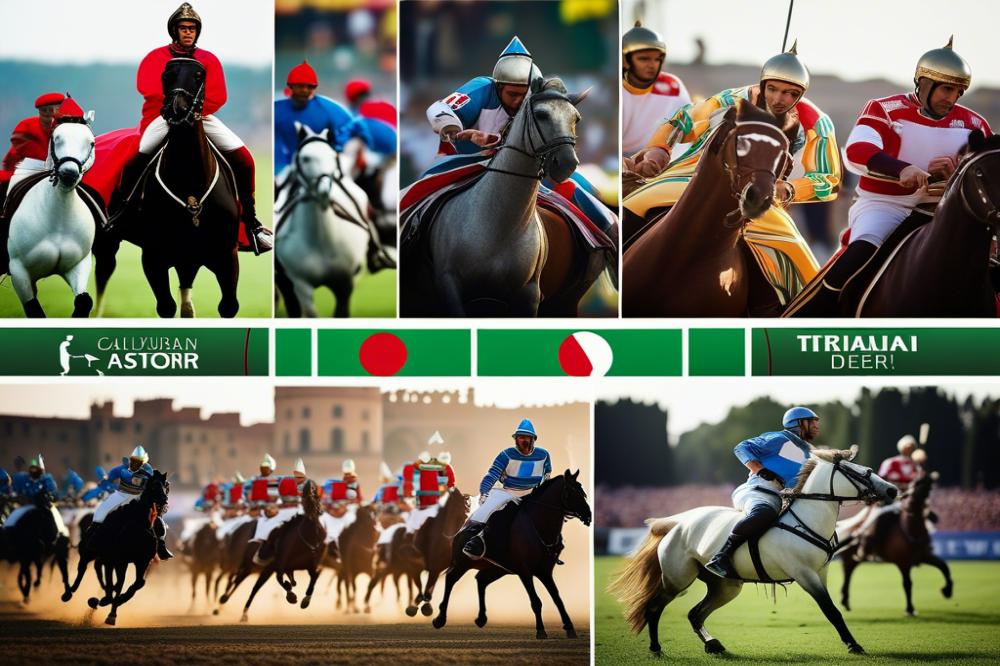
Calcio Storico is a historical game that mixes soccer, rugby, and wrestling. Originating in 16th-century Florence, it is much more than a sport; it is a vibrant expression of cultural heritage. Each year in June, the game is played in the Piazza Santa Croce. Players dress in historic costumes, representing different neighborhoods of Florence. The enthusiasm of the crowd contributes to its significance, as the match showcases local pride and identity.
Palio di Siena
This famous horse race takes place twice a year in Siena. Different districts, called contrade, compete fiercely for honor. Each contrada has its own colors and mascot that represent local folklore. The atmosphere during the Palio is electric, drawing locals and tourists alike. It serves as a key part of Siena’s cultural life and strengthens community ties through festivals and celebrations.
Gioco del Ponte
Gioco del Ponte is a bold tug-of-war that embodies Florentine rivalry. This thrilling contest occurs on the Ponte della Vittoria, where two teams pull against each other across a bridge. The event illustrates historical rivalries between various neighborhoods. Longstanding tradition emphasizes strength and strategy. Many attendees cheer for their side, enhancing community spirit.
Tiro alla Fune
A classic tug-of-war, Tiro alla Fune is a staple in many Italian villages. It is often part of local festivals, drawing friends and families together. Teams compete, showcasing teamwork and spirit. Participating in this event strengthens community engagement and fosters camaraderie. Children often learn the game from their parents, keeping the tradition alive.
Bocce
Bocce remains incredibly popular throughout Italy. People of all ages enjoy the game, which involves rolling balls toward a target. Variations exist in different regions, each adding a unique flavor to the sport. Local clubs often host competitions, emphasizing social interaction and fun. The simplicity of bocce makes it an ideal pastime for families.
Caccia al Cinghiale
Caccia al Cinghiale is the time-honored tradition of wild boar hunting. This practice is rooted in Italy’s agricultural landscape, reflecting the connection between people and nature. Communities gather to celebrate the hunt, often culminating in feasts featuring the harvested game. Emphasis on respect for traditions and local wildlife contributes to the sport’s cultural significance. It provides an opportunity for storytelling and sharing experiences among hunters.
Cultural Festivals and Community Engagement
In Italy, cultural festivals serve as vibrant platforms where traditional sports meet community celebration. Events like the Palio di Siena bring people together and showcase time-honored traditions. During this thrilling horse race, neighborhoods compete with pride and fervor. The atmosphere buzzes with excitement, fostering a deep sense of community spirit.
Alongside the Palio, numerous other festivals highlight Italy’s rich heritage. The Calcio Storico, a historical form of football played in Florence, captivates both locals and tourists. It’s not just a sport; it’s a way to connect with the city’s past. Participants dress in medieval outfits, transforming the event into a living piece of history.
The Gioco del Ponte in Pisa complements this trend. This tug-of-war competition promotes teamwork and camaraderie among participants. Here, local pride shines through as neighborhoods rally behind their teams. Such events illustrate how folklore plays a vital role in keeping these traditions alive.
Other sports featured in local festivities include Tiro alla Fune and Bocce. Tiro alla Fune, or tug of war, has roots that stretch back centuries. Bocce invites people of all ages to play, thus encouraging family participation. These games unite community members through shared experiences.
Moreover, the ancient practice of Caccia al Cinghiale showcases Italy’s connection to nature. Although it involves hunting, it emphasizes respect for local customs and wildlife. This sport retains its significance during festivals, reminding everyone of the region’s agricultural heritage.
Local participation is critical in the success of these events. Volunteers often step up to help organize and manage festival activities. Their involvement strengthens bonds among residents. It becomes clearer how cooperative effort can highlight cultural values and community ties.
Folklore enriches the narratives surrounding these traditional games. Stories of legendary athletes and local heroes enhance festival experiences. These legends inspire younger generations to take part, ensuring the continuity of customs. It becomes a cycle of learning and celebrating.
Festivals in Italy not only entertain but also engage the entire community. They serve as touchstones for cultural identity. People come together, all backgrounds welcomed, to reconnect with their roots and share in the joy of friendly competition.
Modern Challenges and Preservation Efforts
The rise of globalization presents significant obstacles for traditional sports in Italy. More young people are attracted to mainstream athletics like soccer and basketball. These modern sports dominate the media, making it difficult for local games to gain attention. Traditional events, such as Calcio Storico, struggle to compete with the allure of high-profile sports leagues.
Communities and organizations recognize the importance of preserving these cultural games. Efforts to revive sports like the Palio di Siena and Gioco del Ponte have been remarkable. Local festivals often include traditional competitions, engaging residents and visitors alike. These events foster a sense of identity and pride among participants.
Educational initiatives play a crucial role in raising awareness. Schools often introduce programs that teach the history and rules of games like Tiro alla Fune and Bocce. By incorporating these activities into physical education, students learn to appreciate their heritage. Sharing knowledge about Caccia al Cinghiale also helps promote cultural understanding.
Cultural campaigns often support community engagement with traditional sports. Social media platforms become vital tools for promoting events and sharing stories. Videos of spirited matches or enthusiastic crowds attract new audiences. Festivals that celebrate folklore, and traditional games encourage families to participate together.
Many cities actively work to safeguard their sporting heritage. Local governments and nonprofits collaborate to organize tournaments, ensuring these contests remain vibrant. Fundraising events are common, often featuring demonstrations of traditional athletic skills. These efforts foster a renewed interest in historical sports, connecting generations.
As communities face the challenge of modernity, creativity thrives. Teams often blend traditional games with modern presentation techniques. By doing so, they make sports more appealing to younger audiences. The balance between preserving history and adapting to contemporary interests is delicate but essential.
Ultimately, the commitment to preserving traditional sports remains strong. There is a shared understanding among enthusiasts that these games offer more than just competition. They symbolize a way of life, representing the rich cultural tapestry of Italy.
The Future of Traditional Italian Sports
As the world changes rapidly, traditional sports in Italy face both challenges and opportunities. Events like Calcio Storico and the Palio di Siena represent deep cultural heritage. Yet, attracting a younger audience is crucial for their survival. Many believe technology will play a vital role. Mobile apps and social media might bridge the gap between generations.
Young people are often immersed in digital entertainment. However, there’s potential for these games to thrive online. Live streaming of events could create excitement. Social media challenges or short videos might spark interest. Platforms like TikTok and Instagram provide unique ways to showcase these festivals. By emphasizing the vibrant folklore behind each sport, the younger generation can connect more deeply with their roots.
Community engagement will also shape the future. In local neighborhoods, activities like Tiro alla Fune and Gioco del Ponte could rally people together. Schools might introduce these games as part of physical education. This could instill a sense of pride and appreciation for heritage. Encouraging local tournaments can create excitement. Festivals celebrating these events will enhance community spirit further.
Bocce, a game enjoyed by many, has room for growth as well. Garden clubs and local parks can host informal competitions. This approach promotes interaction between different age groups. Families might gather, making it a social event. Caccia al Cinghiale offers a more adventurous twist. The blend of nature with traditional hunting practices could attract thrill-seekers and outdoors enthusiasts.
Charting a path forward involves a collaborative effort. Traditionalists, young athletes, and modern influencers must work together. By sharing stories of heritage and fun, they can attract attention. Each game has a unique narrative, waiting to be told and retold. Continued promotion of these activities will help preserve their legacy. Ultimately, connecting past and future is key to the survival of these beloved sports.
Preserving Cultural Legacy
Italian sports rooted in history are more than just games. They embody traditions that connect people to their heritage. Activities like Calcio Storico and the Palio di Siena showcase the vibrancy of community spirit. Participation in these events nourishes a sense of belonging and pride.
In our rapidly changing world, preserving these sports becomes essential. Cultural games serve as reminders of Italy’s rich history. By continuing to embrace them, communities reinforce their identity. These events are not merely about competition; they foster unity among participants and spectators alike.
Engagement with traditional sports can lead to stronger community ties. Families gather to cheer, friends bond over shared experiences, and newcomers feel welcomed. These gatherings can create lasting memories that enrich local culture.
As time moves forward, traditional practices risk fading away. Therefore, support from individuals and organizations plays a crucial role in keeping them alive. Schools, community centers, and local governments need to promote participation and awareness. Each small effort can contribute to the greater good.
Let’s champion these remarkable customs. By attending events, volunteering, or simply learning about traditional sports, everyone can help preserve this cultural tapestry. Together, we can ensure that future generations connect with their roots. The beauty of Italy lies in its traditions, and it deserves to be celebrated.

