
Introduction
The Renaissance marked a significant shift in cultural history. Lasting from the 14th to the 17th century, this era witnessed a revival of classical ideas and values. Art, philosophy, and science flourished, creating a foundation for modern thought. It was during this time that creativity and innovation transformed society.
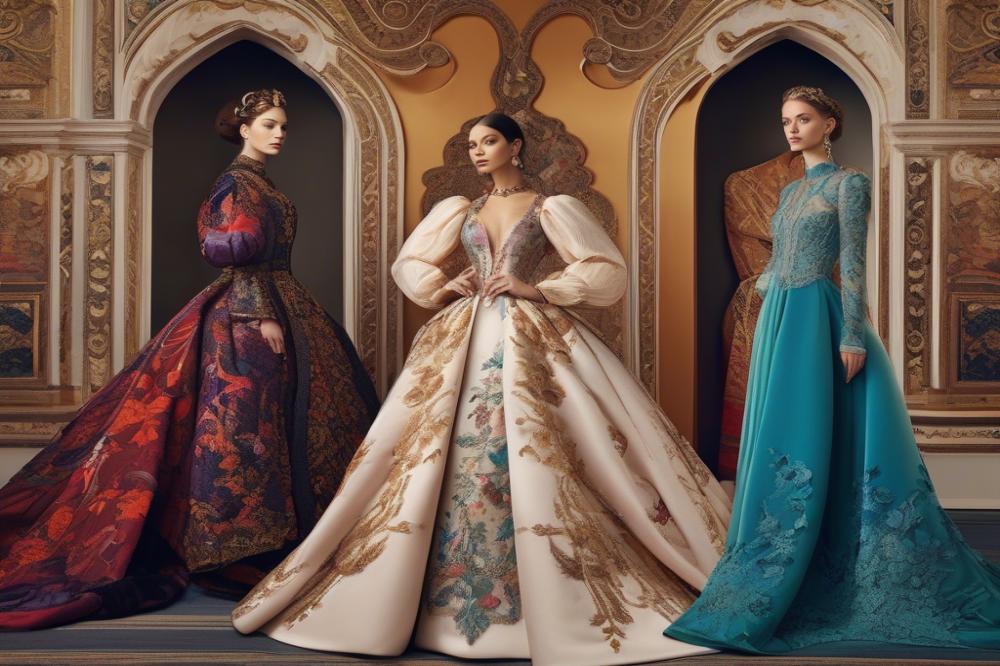
Renaissance fashion emerged as a pivotal influence in Italian fashion design. The rich textiles and intricate embroidery of the period reflected not just personal style but also social status and wealth. Craftsmen and artisans played essential roles. Their skills resulted in luxurious garments that showcased the beauty of the human form. The silhouettes of clothing became more structured and elegant, emphasizing natural beauty.
Understanding historical influence helps us appreciate the fashion evolution we see today. Many contemporary designs still draw inspiration from the aesthetic choices made centuries ago. The impact of Renaissance fashion is evident in current trends. Designers frequently reference the artistry and craftsmanship of that time. By studying these influences, we gain insight into the rich tapestry of fashion history. This knowledge informs modern design and cultivates a deeper connection to our past.
Renaissance Fashion
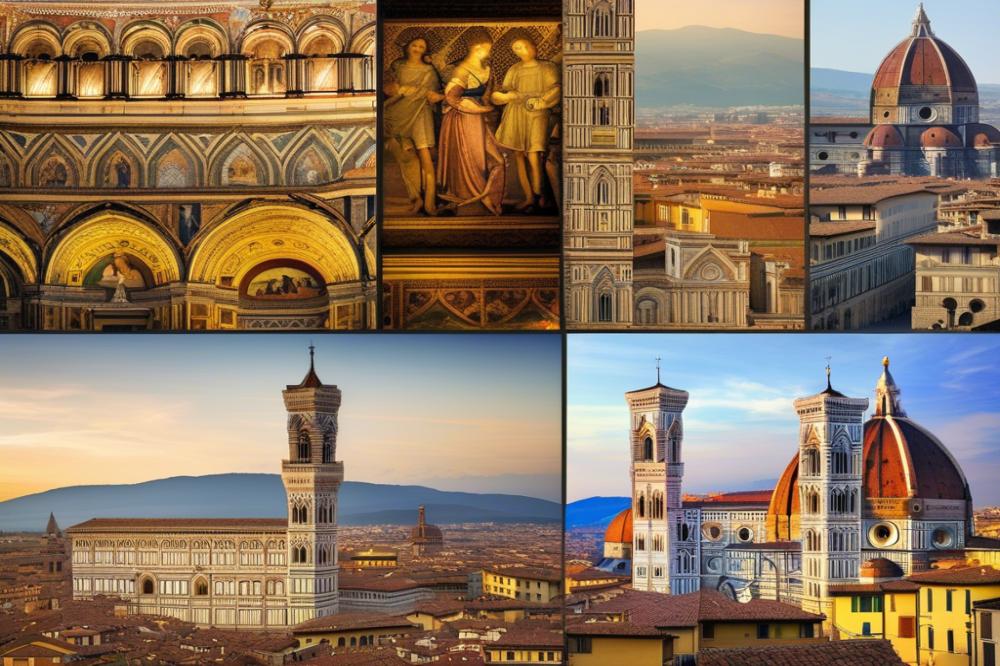
Fashion from the period of the Renaissance marked a dramatic shift in style and culture. This era, spanning from the 14th to the 17th century, witnessed a revival of artistry and design aesthetics. Clothing during this time was not just about utility; it was a powerful statement of wealth and status.
Key characteristics of attire in this age included striking silhouettes. Garments often featured fitted bodices that accentuated the waist and flowing skirts that created an elegant profile. Fabrics played a crucial role as well, with luxurious textiles like velvet, silk, and brocade being the norm. The choice of fabric was as important as the cut. Rich colors and patterns reflected one’s social position.
Lavish luxury defined clothing choices in Renaissance society. Nobility adorned themselves in the finest materials, often adorned with gold and gems. Even commoners had their own version of luxury, using less expensive materials while still aiming for style. The concept of luxury extended beyond mere clothing; it represented personal identity and societal roles.
The impact of embroidery and intricate craftsmanship cannot be overlooked. Skilled artisans dedicated countless hours to embellish garments with detailed designs. This artistry transformed simple fabrics into extraordinary pieces of wearable art. Patterns often told stories or represented cultural values, echoing the historical influence of the time.
Aesthetic choices in the Renaissance epitomized fashion evolution. Each new season would bring changes that reflected not only personal taste but also the broader cultural impact of the era. Overall, attire from this time serves as a testament to the creativity and ingenuity of its creators.
Revival of Classical Themes
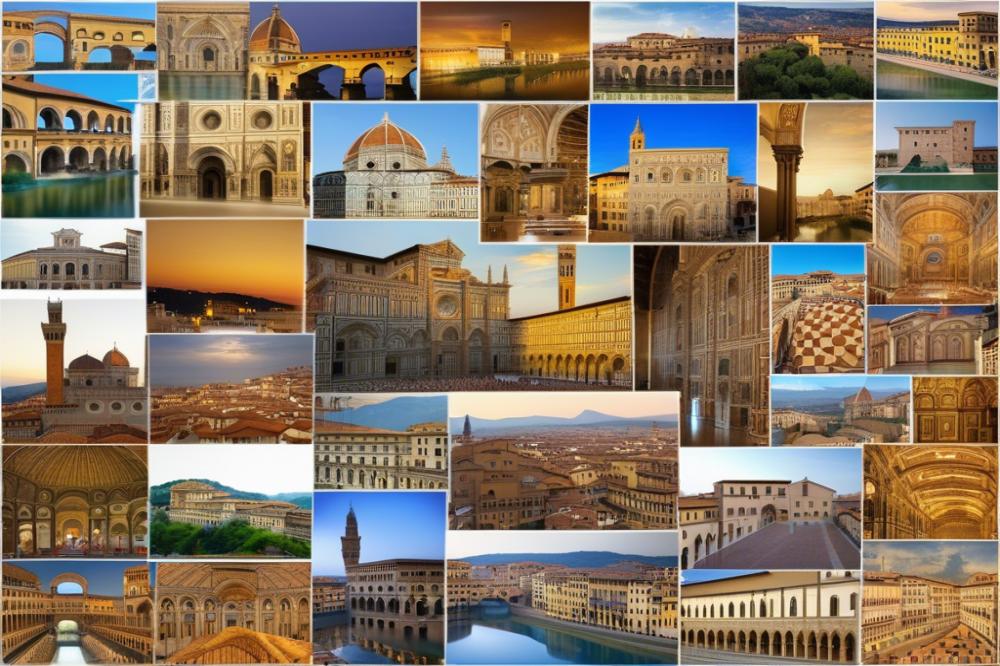
The Renaissance was a period of great change and creativity. A revival of classical Greco-Roman aesthetics played a significant role in shaping fashion during this time. Designers turned to ancient Rome and Greece for inspiration, infusing their creations with historical elements that spoke to a rich cultural past. This connection to antiquity brought a sense of luxury and sophistication to Italian fashion.
Artisanship flourished as skilled craftsmen began to explore new textiles and innovative techniques. They integrated elements like elegant drapery and structured silhouettes, reminiscent of ancient garments. Embroidery became a favorite ornamentation, allowing designers to showcase intricate designs that echoed the artistry of classical sculptures and paintings.
Such historical influence is evident in the detailed patterns and flowing lines seen in Renaissance attire. Bustles and elegant sleeves transformed everyday clothing into works of art. This focus on beauty transformed fashion into a domain of expression and identity.
Understanding the cultural impact of this movement is essential. The marriage of classical motifs with contemporary designs marked the beginning of fashion evolution in Italy. This era set the stage for future generations to build upon the strong foundation laid by their predecessors, ultimately reshaping the landscape of clothing and personal style.
In returning to these classical roots, Italian designers defined a new narrative. A blend of the past and present created an evolution that still influences modern fashion. The legacy of this revival continues to resonate today, reminding us of the sophistication and grace that defined an extraordinary period in history.
Artisanship and Craftsmanship
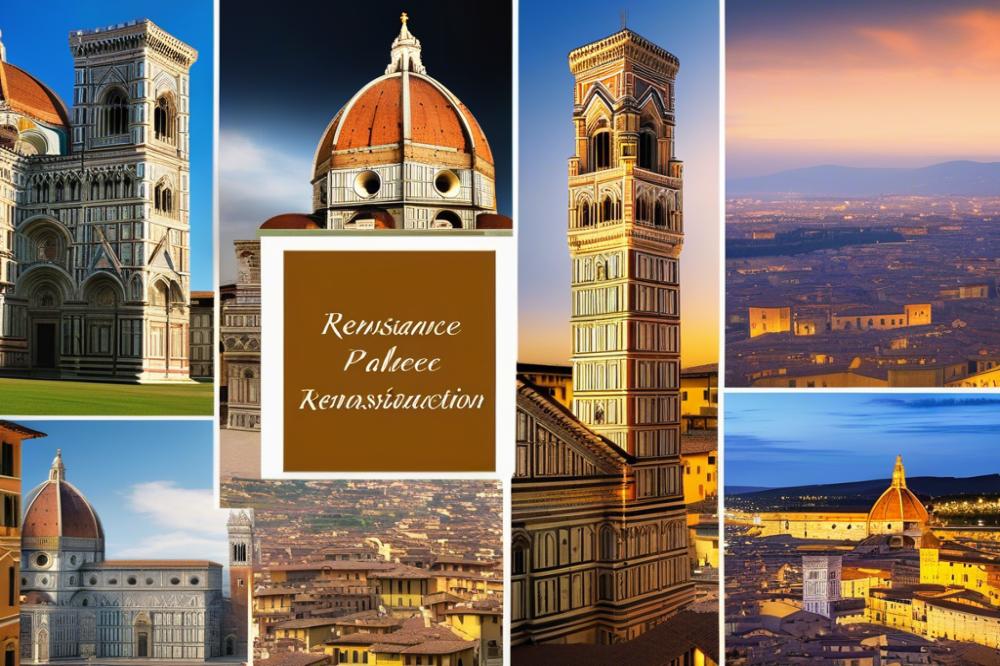
The Renaissance period marked a significant transformation in Italian fashion design. Artisans played a crucial role in this evolution. Tailors and seamstresses worked meticulously to create garments that showcased their skills and creativity. Their craftsmanship reflected not just utility but also the luxury that the wealthy sought. With a deep appreciation for design aesthetics, these craftsmen sought to create beautiful pieces that told stories of their time.
To achieve their remarkable results, various techniques and materials were utilized. Rich textiles such as silk, brocade, and velvet became popular. Skilled artisans experimented with colors and patterns, breathing life into their creations. Intricate embroidery added depth and detail, enhancing the beauty of garments. These techniques were not just trends; they were rooted in a historical influence that emphasized quality and craftsmanship.
Workshops and guilds, incredible hubs of creativity, also played a significant part in nurturing high-quality artisanship. Guilds provided training and standardized practices, thus raising the overall skill levels of their members. Collaboration within these communities led to an exchange of ideas, shaping the designs produced. The emphasis on excellence in craftsmanship allowed certain styles to gain prominence in the fashion landscape.
The influence of artisanship extended far beyond the Renaissance. As trends evolved, the legacy of these skilled craftsmen remained evident in the fashion world. Today, designers often look back, seeking inspiration from those early silhouettes and techniques. The cultural impact of the Renaissance on modern fashion demonstrates how the past continues to inform current trends. Fashion’s evolution can often be traced back to the mastery and artistry developed during this remarkable time.
Cultural Impact and Historical Influence
The Renaissance period marked an exciting time for fashion in Italy. Social and political factors played a significant role in shaping the clothing styles of the era. A growing middle class began to influence what was fashionable. Alongside this, the wealthy elite sought to showcase their status through intricate garments and accessories.
The Medici family stands out as a major force in Italian fashion. Their support for the arts and culture led to a revival of classical and contemporary styles. As patrons of talented artisans, they helped elevate design aesthetics in clothing. Wealthy families often competed in showcasing their luxury, hiring skilled tailors and using rich textiles.
Cultural exchanges were vibrant during the Renaissance. Trade routes from Asia brought new materials and ideas to Italy. Fashion elements borrowed from different cultures enriched Italian design. This blend of influences contributed to a more diverse style palette that would be foundational for future developments.
The fashion evolution during this time emphasized craftsmanship and creativity. Reviews of garments reveal a fascination with silhouette and embroidery. The attention to detail was remarkable, as artisans strived for perfection. Each piece was more than clothing; it was a work of art reflecting individuality.
Modern Interpretations and Legacy
The Renaissance period was rich in luxury and creativity, laying down principles that still resonate in today’s fashion. Modern Italian designers continually draw inspiration from the art and culture of that era. Their work exemplifies how historical influence can be revived to create stunning, contemporary collections.
Design aesthetics of the Renaissance are evident in the way silhouettes are crafted today. Think of flowing gowns with rich fabrics that mimic the opulence of centuries past. Designers like Gucci and Dolce & Gabbana incorporate ornate details that echo the skilled artisanship found in Renaissance garments. Intricate embroidery often plays a central role in their pieces. This embellishment not only adds beauty but also tells a story of cultural impact that resonates deeply with history.
Textiles have also evolved, but the spirit remains the same. Modern materials can still capture the essence of luxury. The shimmering fabrics used in today’s collections often remind us of the opulent velvets and silks from centuries ago. Fashion evolution is not just about change; it’s also about keeping rich traditions alive while pushing boundaries.
Several designers embrace the Renaissance ethos in their work. For instance, Valentino often references classical Italian art in his clothing lines. His designs reflect an understanding of historical themes while appealing to a modern audience. This connection to the past gives pieces a more profound significance.
The lasting legacy of the Renaissance in fashion demonstrates that inspiration can transcend time. By appreciating and adapting elements from this historic period, designers create pieces that feel fresh yet familiar. As contemporary fashion continues to develop, it’s exciting to see how these influences will shape the future.
Final Reflections on the Renaissance Influence in Fashion
The Renaissance period brought forth key elements that continue to shape Italian fashion design today. Bold colors, intricate patterns, and luxurious textiles arose during this time, reflecting societal changes and artistic innovations. This era marked a transition toward creativity and individualism in clothing. Elegant silhouettes became a hallmark of the fashion trends born from the Renaissance. These elements not only influenced clothing but also established a foundation for what luxury means in the modern world.
Historical context plays a vital role in understanding today’s fashion landscape. Grasping the Renaissance’s significance can lead to deeper insights about contemporary styles. Designers often draw inspiration from history, allowing past aesthetics to inform current creations. This connection is essential for anyone wanting to appreciate the evolution of fashion. The interplay between history and modernity creates a rich tapestry in the fashion industry.
In closing, the influence of the Renaissance remains significant in the fashion industry. Elements like the revival of classic forms and the appreciation for craftsmanship are relevant today, just as they were centuries ago. The themes of elegance and creativity captured in this influential period resonate with today’s designers and consumers alike. Fashion is more than mere clothing; it represents a blend of history and innovation. Recognizing the impact of the Renaissance allows us to celebrate the art of fashion in all its forms.

