

Introduction
cat ownership in Italy has deep roots that stretch back through the centuries. From ancient Rome to modern times, domestic cats have held a special place in the hearts of Italians. They serve not only as pets but also as symbols of companionship in a country known for its rich culture and history.
The importance of animal companionship in Italian culture is evident in art, literature, and daily life. Cats have been featured in famous works, capturing their charm and elegance. Moreover, during the Renaissance, they were often seen around palaces and homes, reflecting the social status of their owners. Their graceful demeanor and playful personalities make them perfect additions to family life.
This article aims to explore the fascinating evolution of feline care and ownership in Italy. By understanding how attitudes and practices surrounding pet ownership have changed, readers will gain insight into the Italian lifestyle regarding these beloved animals. It is essential to appreciate the nuances of this culture and the ongoing bond between humans and their feline friends.
Ancient Rome and Early Cat Companionship

The history of cats in ancient Rome reveals much about their role in society. Felines were highly valued members of households. Romans recognized their utility as excellent pest controllers. Grain storage was crucial for the economy, and cats helped keep rodents at bay. This practical aspect made them popular on farms and in urban settings.
Cats were not just workers; they also became beloved pets. Many households welcomed these animals into their lives. People enjoyed their company, and interactions with them brought joy and comfort. This companionship was a notable aspect of the Italian lifestyle during that time. Families nurtured their cats, and they often roamed freely.
Beyond their function and affection, cats held significant cultural meaning. In Roman households, these creatures symbolized protection and fertility. They appeared in artworks and stories. Domestic cats were celebrated in various forms, echoing the intertwining of human and animal companionship. Literature from this era reflects an appreciation for these pets.
The respect for cats carried on through the ages and led to their enduring presence in Italian culture. Evidence of feline care emerged as people learned more about their needs. As society transitioned to the Renaissance, the relationship between humans and their pets deepened. Cats became not only important for practical reasons but also a part of the artistic imagination.
The Middle Ages and the Shifting Perception of Cats

During the Middle Ages, the perception of cats in Italy experienced notable changes. Superstitions surrounding these animals often led to a great deal of fear and misunderstanding. Many people believed cats had ties to witches and dark magic. This association created an environment where domestic cats were viewed with suspicion, especially by the church, which played a significant role in shaping societal attitudes.
In medieval Italian households, cats served practical purposes. They controlled the population of rats and mice that plagued homes and stores. This utility was essential in a time when food storage was critical to survival. Cats helped to protect grains and other food supplies, making them valuable working animals. Despite their usefulness, their relationship with humans was strained due to the prevailing superstitions.
As society transitioned into the Renaissance, attitudes toward these animals began to shift more dramatically. The culture of Italy in this era embraced various aspects of life, including the companionship of animals. Cats gradually moved from being seen solely as workers to being valued as pets. People started to appreciate their playful nature and calm demeanor.
Feline care became more common as people recognized the emotional benefits of having cats around. Strengthened bonds between humans and their furry friends emerged, illustrating a deeper understanding of animal companionship. Cats were no longer just seen as protectors of food supplies; they became cherished members of households.
This period marked a pivotal change in how cats fit into the Italian lifestyle. The evolution of cats from working animals to valued modern pets shows a significant transformation in cultural beliefs. In modern times, cats are often revered for their personality and character, a far cry from their medieval past. With this progression, the relationship between humans and cats deepened, highlighting the value of companionship across the centuries.
The Renaissance: A Flourishing Period for Feline Companionship
The Renaissance marked a vibrant era for various forms of expression. Art and literature bloomed, with cats often finding their way into both. Artists like Leonardo da Vinci depicted these animals in their work, illustrating their grace and beauty. Writers, too, began to include domestic cats in their stories. This change highlighted their increasing importance in people’s lives.
Shifting attitudes towards pets were evident during this time. In ancient Rome, felines were often seen as mere hunters of rodents. However, by the Renaissance, people began to recognize their charm and personality. Cats transformed from simple animals into cherished companions. Households grew more welcoming to cats, signaling a broader cultural shift.
The rise of cats in affluent households spoke to changing values in Italian lifestyle. Wealthy families embraced these animals as vital members of the home. Feline care became an essential part of daily life, with special attention given to their well-being. No longer just working animals, domestic cats were now loved for their companionship. This shift revealed a deeper connection between humans and their pets.
As society progressed, the perception of feline companionship creatively reflected the values of the time. Cats began to symbolize comfort and elegance. The unique role they played underscored a blend of art, culture, and everyday living. These changes laid the groundwork for the modern pets we adore today, shaping Italy’s cultural relationship with cats.
Modern Pets and Contemporary cat ownership in Italy

Current trends in cat ownership
Cat ownership in Italy has become increasingly popular in recent years. Many families consider domestic cats to be essential members of their households. This acceptance stems from ancient Rome, where cats were valued for their pest control abilities. Today, pets are often viewed as companions who offer emotional support. Various breeds and mixed cats can be found in homes across the country. Adoption rates have also risen, with more individuals choosing to rescue rather than purchase. Social media has influenced trends, with countless accounts dedicated to showcasing feline antics. People now share their lives with cats in ways that reflect a deeper bond.
Impact of urbanization on feline care
Urbanization has significantly altered how people care for their animals. In bustling cities like Milan and Rome, pet owners face unique challenges. Limited living space often requires thoughtfulness about a cat’s environment. Vertical spaces, like shelves and cat trees, help create stimulating areas for play. Cats also benefit from more indoor activities to keep them entertained. Moreover, urban dwellers emphasize the importance of regular veterinary check-ups. The convenience of mobile pet services has made this care accessible. Yet, rising living costs can strain budgets, making it crucial to prioritize spending on pets.
The role of cats in the Italian lifestyle today
Cats have woven themselves into the very fabric of Italian culture. They are often seen lounging in cafes or visiting local markets. This behavior reflects an integration into daily life that is cherished by many. Animal companionship is not just about having a pet; it embodies a lifestyle choice. Cats bring joy and emotional connection, reminding their owners of the value of simple moments. Notably, attitudes toward these animals have grown more positive since the Renaissance. While once primarily useful for hunting, today they are beloved companions. Italians find comfort and amusement in their quirks and personalities. The rising popularity of cat cafes shows how these pets now play a role in social interactions.
Caring for Cats: Historical Practices and Modern Trends
Evolution of Feline Care Practices
In centuries past, care for domestic cats in Italy was quite different from today. During ancient Rome, these pets were valued for their abilities to catch rodents. Many households welcomed them for their practical skills rather than for companionship. Over time, this perspective shifted. By the Renaissance, art and literature began to celebrate cats, showing a deeper appreciation for their presence in Italian culture.
Cat owners started to recognize them as beloved members of the family. Homes began to adapt to meet the needs of these animals. Instead of simply providing food, owners started offering spaces for play and rest. This change marked the beginning of more affectionate relationships between humans and their feline companions.
Comparison of Historical Care to Present-Day Approaches
Today’s approach to feline care shows a significant evolution. Modern pets enjoy a variety of specialized foods that promote health. Ancient diets often consisted of scraps or whatever was available. Many Italians now invest in high-quality nutrition. They understand the importance of tailored diets for different cat breeds and ages.
Moreover, grooming practices have transformed considerably. Before, minimal grooming was common; now, pet owners frequently take their cats to professional groomers. The idea of regular baths and nail trimming is becoming more standard. Consequently, maintaining the physical appearance and health of cats is now a priority.
Importance of Veterinary Care and Responsible Ownership Today
Veterinary care plays a vital role in modern cat ownership. Routine check-ups are essential for early detection of health issues. Vaccinations and preventive treatments help keep these beloved pets safe from diseases. Historically, many cats suffered without proper medical attention.
Responsible ownership also involves understanding behavior. Today’s cat lovers try to create enriching environments that cater to their pets’ instincts. This dedication to animal companionship fosters happier, healthier cats. An Italian lifestyle that embraces these modern practices reflects a profound respect for cats, transforming them into cherished family members rather than just practical pets.
As we look at the remarkable changes through time, it becomes clear that caring for our cats has come a long way. From ancient Rome to today, the relationship between humans and these magnificent creatures continues to grow richer and more meaningful.
Cats in Italian Culture: Literature, Art, and Folklore
Explorations into Italian literature show that cats weave through many stories. Ancient texts from Rome describe these creatures as mysterious and graceful. Authors have long sought to capture their charm and independence. Modern writers continue this tradition, celebrating the bond between humans and their feline companions. Cats symbolize a unique relationship with nature and the home.
Representation of Cats in Art Throughout the Centuries
Artistic depictions of cats reveal their significance in Italian culture over the years. In the Renaissance, artists found inspiration in the beauty of these domestic animals. Famous paintings often feature cats lounging near people, symbolizing tranquility and comfort. Many artists used cats to convey deeper meanings, sometimes relating to mystery or the unknown. They frequently appear in works that explore themes of love, playfulness, and sometimes even mischief.
Folklore and Superstitions Surrounding Cats
Folklore surrounding cats in Italy is rich and varied. Superstitions about these animals have deep roots, sometimes portraying them as omens. For instance, a black cat crossing one’s path was often seen as an ill sign in the past. However, many also view them as symbols of good luck and protection. Communities held unique beliefs, creating a complex relationship between cats and local traditions.
Each region of Italy developed its own tales and myths involving feline figures. Stories of wise cats or magical beings encourage both respect and affection for these pets. Such folktales reflect the Italian lifestyle, showcasing the blend of reverence and playful spirit surrounding cats. They serve as reminders of how deeply woven cats are into the fabric of history and everyday life.
Final Thoughts on Cats in Italy
Over the centuries, the relationship Italians have developed with their feline companions has changed significantly. From ancient times, when cats were revered for their abilities to control pests, to the cozy homes of today, these pets have become beloved family members. The history of cat ownership in Italy reveals a deep bond that has only grown stronger as society has evolved.
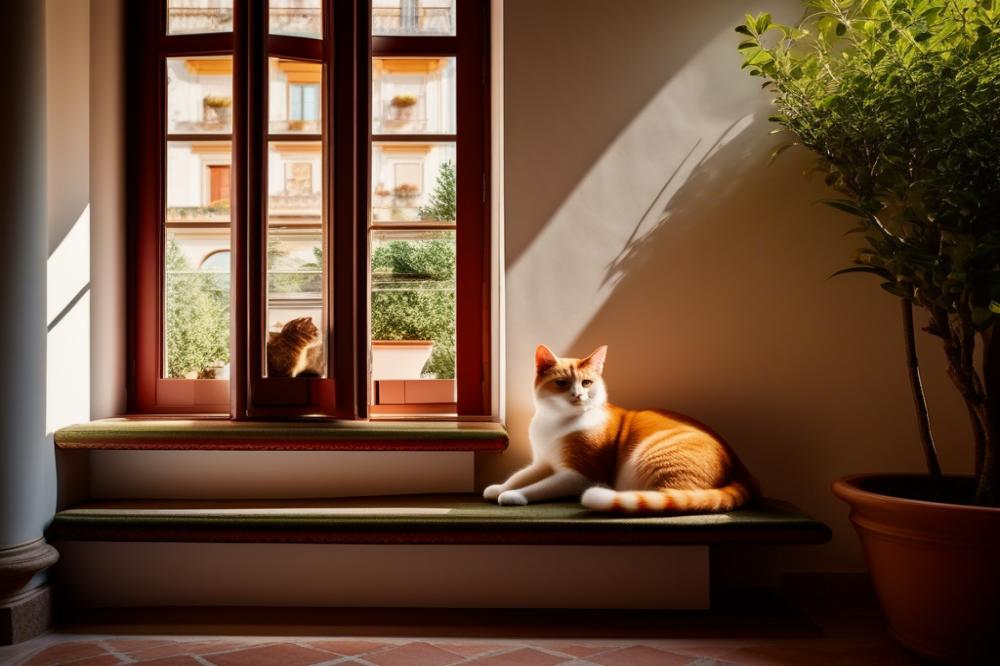
Italians share a unique connection with their cats. Often seen lounging in sunlit spots or playfully engaging with their humans, they add a special touch to daily life. The streets of Italian cities often feature cats roaming freely, reflecting an ongoing relationship that values freedom and companionship. This phenomenon highlights how cats fit seamlessly into both urban and rural lives.
Cats hold an enduring significance in Italian culture and society. They are often featured in art, literature, and folklore, symbolizing mystery and grace. The presence of cats in homes signifies warmth and comfort. Both young and old form bonds with these creatures that go beyond mere ownership. It is a partnership rooted in mutual respect and affection.
In closing, the evolution of how Italians view and care for their feline friends illustrates an important aspect of their culture. As these wonderful animals continue to adapt to the modern world, so too does the love that Italians have for them. The future promises further growth in this rich history, as cats remain an integral part of life in Italy.

