
Introduction
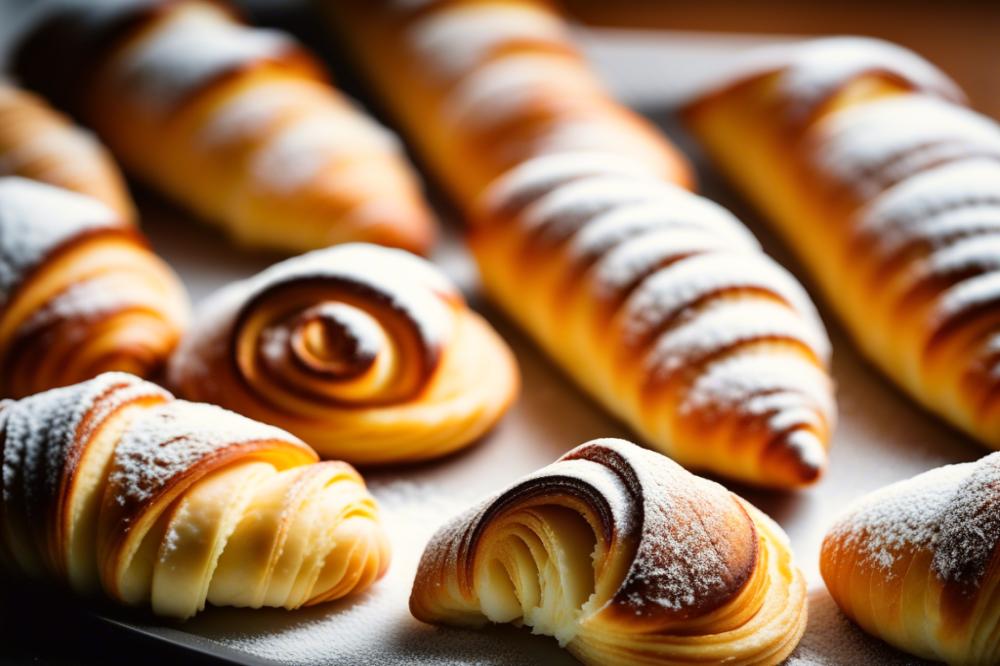
For many, sfogliatelle represents more than just a treat; it embodies a rich tradition in Italian cuisine. This delightful pastry hails from Naples, captivating sweet lovers around the globe. Often enjoyed during festivals or as a special dessert, its popularity transcends borders.
Mastering the recipe for this layered delight offers both a challenge and a reward. Homemade versions can bring a taste of Italy right to your kitchen. Learning to create this pastry opens the door to significant culinary skills, particularly in dough preparation and filling techniques.
Readers will discover the secrets behind crafting the perfect sfogliatelle. This article will delve into creating flaky layers, working with ricotta and pastry cream, and more. Get ready to embark on a delicious journey into the art of baking this iconic Italian pastry.
The History of Sfogliatelle
Origins of Sfogliatelle in Neapolitan baking
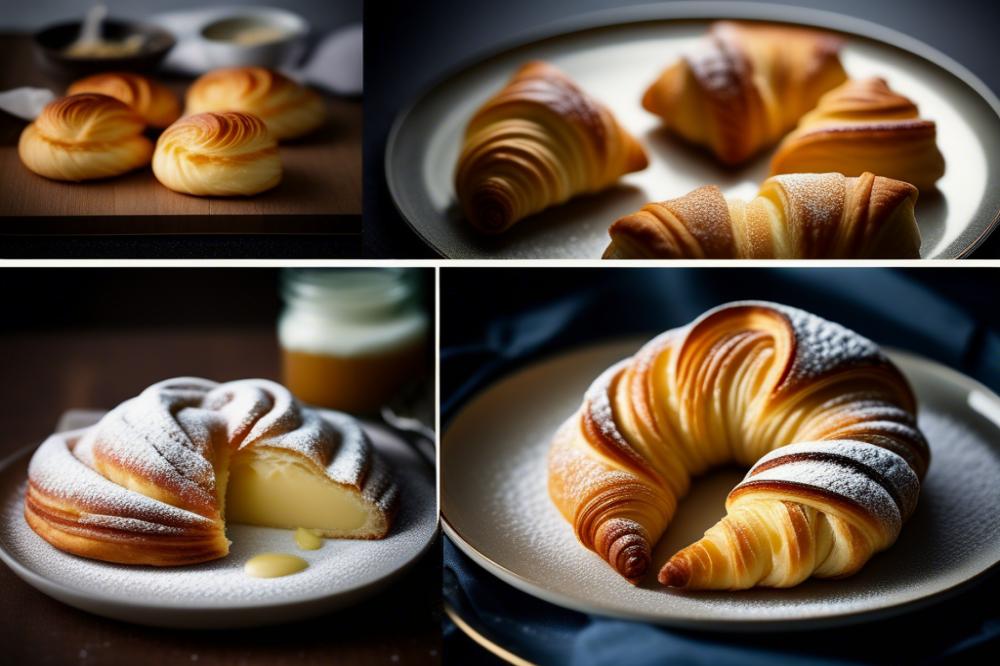
Neapolitan baking has a rich tradition. The sfogliatelle originated in Naples, Italy, around the 18th century. Bakers combined various techniques to create something special. This pastry was not just food; it became a symbol of the region’s culinary talent. At first, the recipe relied on simple ingredients. Dough was crafted with care, building multiple layers. Each layer added to its flaky texture. Over time, this pastry evolved, holding a special place in the hearts of many.
Evolution of the Pastry Through Time
As years passed, the basic recipe transformed. New ingredients appeared, enhancing flavors. Ricotta came into play, offering a creamy contrast to the crisp dough. Some bakers began to use pastry cream for added richness. Different versions emerged as families passed down their methods. In some areas, people even added fruits or nuts. Each generation refined the recipe, making it their own. The art of baking sfogliatelle became a cherished tradition.
Cultural Significance and Variations Across Italy
This dessert has significant cultural importance. It reflects the history and diversity of Italian cuisine. In Naples, sebadas are popular, while in Sicily, you might find a similar treat called “cannoncini.” These variations showcase local ingredients and tastes. Families often make sfogliatelle at home during special occasions. The flaky pastry brings people together, from celebrations to quiet meals. In different regions, the filling varies, adapting to local preferences. This adds to the uniqueness of the pastry. Ultimately, the sfogliatelle stands as a testament to Italy’s rich baking heritage.
Understanding the Dough

To create the perfect base for your Italian dessert, key ingredients are essential. Flour, water, salt, and a touch of fat, such as butter or shortening, form the backbone of the dough. Some recipes might even call for a splash of vinegar to enhance the texture. The choice of flour matters, too. All-purpose flour works well, but using a higher protein content flour can yield better results.
The process of making layered dough is what sets sfogliatelle apart from other pastries. Start by mixing your dry ingredients together before incorporating the wet ones. Knead the dough until it becomes smooth and elastic. Once ready, let it rest to relax the gluten, which is critical for achieving those flaky layers. After resting, roll out the dough thinly, keeping it as even as possible, the thinner, the better.
Next comes the art of layering. Take a small amount of fat and spread it on the rolled-out dough. Fold the dough multiple times to create layers, much like making a puff pastry. Each fold adds another layer, contributing to the final texture. It’s this careful treatment that leads to that alluring flakiness once baked.
Tips for Achieving the Perfect Texture and Flakiness
A few practical tips can make all the difference. First, maintain a cool environment while working. Heat can melt your fat, which will detract from the desired flakiness. Use a cold surface for rolling and keep your ingredients chilled.
Another important aspect is the resting time. Allow the dough to chill in the refrigerator before rolling it out. This helps solidify the fat and ensures that the layers remain distinct during baking. When it’s time for baking, preheat your oven thoroughly. A hot oven guarantees a quick rise and a crisp outer shell. The ricotta filling, often combined with pastry cream, should also be prepared ahead of time.
Pay attention to baking times and temperatures. If your pastry turns golden too quickly, the inside may remain doughy. A consistent, even temperature will help achieve that inviting golden brown color while ensuring the rich filling becomes warm and creamy.
Preparing the Filling

Traditional Filling Options
Classic fillings for this Italian pastry include ricotta and pastry cream. Ricotta is the star here, often combined with sugar and spices. A touch of cinnamon can elevate the flavor profile. Some recipes even feature a hint of orange or lemon zest. In contrast, pastry cream offers a rich and smooth alternative. This creamy filling typically uses milk, sugar, and eggs to create a delightful custard. Many bakers choose a combination of both, resulting in a decadent filling that captures the essence of Neapolitan dessert traditions.
Recipes and Techniques
To create a rich filling, start with the ricotta. Drain the cheese to remove excess moisture. Blend it with powdered sugar until it’s smooth. Next, add vanilla extract and spices. For pastry cream, heat milk in a saucepan. Whisk together sugar, cornstarch, and eggs in a bowl. Pour the warm milk into the egg mixture slowly, stirring constantly. Return it all to the saucepan and cook until thickened. This technique is crucial for achieving the right consistency. Whether using one filling or both, patience is key. Allow each component to cool before using it.
Importance of Quality Ingredients
Choosing high-quality ingredients sets the foundation for authentic Italian cuisine. Fresh ricotta makes a substantial difference in flavor and texture. If possible, seek out homemade options from local markets. Similarly, use fresh eggs when making pastry cream. This attention to detail enhances the taste of the dessert. Remember, mediocre ingredients yield mediocre results. The best bakers understand that quality is paramount. Crafting delicious layers depends on the filling’s richness. Ultimately, the final dessert must showcase these exceptional flavors.
Assembling and Baking Sfogliatelle
Step-by-Step Guide on Assembling the Pastry
To start, prepare your homemade dough. Begin by shaping it into a long rectangle on a clean surface. Roll it out as thin as possible. Next, let’s focus on the filling. Combining ricotta and sugar will create a sweet and creamy base. Spread this filling evenly over the rolled-out dough.
Next, it’s time to make those iconic layers. Roll the dough tightly into a log shape. Once rolled, slice it into smaller pieces. Each piece should resemble a small circle. Use your fingers to flatten each piece slightly. This will create a perfect pocket for the filling.
After that, fold over the edges to form a classic shell. Make sure to seal them well to prevent any cream from leaking during baking. Always keep an eye on the assembly process. It’s crucial for achieving that distinct Neapolitan appearance.
Techniques for Achieving Distinct Layers in the Baked Pastry
Creating layers is the heart of this recipe. When rolling out the dough, it should be incredibly thin. The thinner, the better. Another tip is to apply a light coat of melted butter between each layer. This will help keep the layers separate while baking.
To achieve the flaky texture, avoid pressing down too much when forming the pastries. Instead, focus on gentle handling. Also, using a pastry brush for the butter ensures an even distribution. Finally, allowing the dough to rest for a bit will enhance its elasticity.
Baking Tips: Temperature, Timing, and Recognizing Doneness
Getting the right temperature is essential. Preheat your oven to 400°F (200°C). This high heat allows the pastries to puff up beautifully. Bake them for about 20 to 25 minutes. Always keep an eye on them. The ideal time varies based on the oven’s characteristics.
Knowing when the sfogliatelle are done can be tricky. Look for a golden-brown color. This indicates that the outside is crisp and the inside is perfectly baked. If they appear too pale, additional time may be necessary.
Monitoring the baking process will lead to success. A watched pastry rarely burns! Overall, patience is key. Allow the pastries to cool slightly before serving. Enjoy this delightful creation, a true gem of Italian cuisine.
Serving and Enjoying Sfogliatelle
Presentation Ideas for Serving Sfogliatelle as a Dessert
Plating the pastry properly can enhance its appeal. Consider dusting it lightly with powdered sugar. This simple act adds a touch of elegance. A small dollop of homemade pastry cream on the side creates a beautiful contrast. Using fresh berries can bring color and freshness to the plate. Choose vibrant fruits like strawberries or raspberries. Their tartness complements the sweetness of the filling.
Another option is to serve sfogliatelle in individual pastry boxes. These charming containers make it easy for guests to enjoy. Wrapping each dessert in parchment paper can also add a rustic feel. This method invites everyone to dive right in. Arrange them in a basket for a communal touch at gatherings.
Pairing Suggestions with Coffee or Dessert Wines
Coffee pairs exceptionally well with this delightful treat. A shot of espresso enhances the flavors of the ricotta filling. Alternatively, serve it with a cappuccino for a comforting experience. For those looking to explore, dessert wines like Vin Santo complement the sweetness beautifully. The smoothness of these wines balances the pastry’s richness wonderfully.
After a meal, a glass of dessert wine can elevate the dining experience. It invites a moment of indulgence. For a unique twist, try pairing with a flavored coffee. A touch of hazelnut or vanilla can create a delightful synergy.
Variations and Modern Takes on Traditional Recipes
While the classic Neapolitan sfogliatelle is beloved, variations abound. Chefs sometimes opt for different fillings. Try using almond paste for a nutty twist. Citrus zest can bring a fresh flavor that surprises the palate. Modern bakers also experiment with chocolate filling, appealing to devoted fans of dessert.
Gluten-free options are being crafted as well. Alternative flours can mimic the unique texture this pastry is known for. Whether using traditional dough or inventive substitutes, the aim remains the same—to create layers that are both flaky and delightful.
Some are even making them larger, turning them into decadent breakfast items. Adding layers of fruit to the filling can enhance both texture and flavor. With endless possibilities, these adaptations respect the roots of Italian cuisine while inviting new tastes and experiences.
Wrapping Up the Secrets of Sfogliatelle
Creating perfect sfogliatelle requires attention to detail. First, mastering the dough is essential. The layers must be thin yet resilient. Proper chilling helps achieve that crisp texture. Additionally, the filling must be rich and flavorful. Using quality ricotta makes a noticeable difference.
Now that you know these secrets, why not try your hand at this delightful pastry? Making them at home can be a rewarding experience. Share the joys of baking with family and friends. They will appreciate your effort and enjoy the delicious results.
Italian baking offers a glimpse into a rich cultural heritage. Each recipe has a story, often handed down through generations. Embracing these traditions enriches your kitchen and nurtures your creativity. So roll up your sleeves, and get started!

