
Introduction
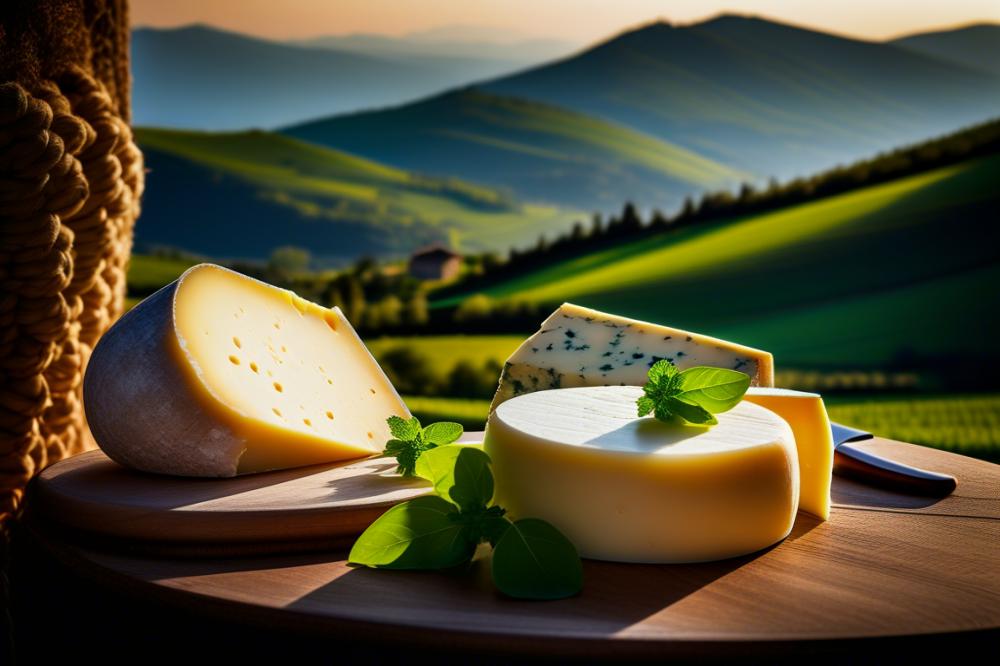
Italy is home to a variety of rare cheeses, each with its own story to tell. These cheeses hold a significant place in the culture and culinary landscape. Among these, one cheese stands out: Pecorino di Filiano. This handcrafted delight exemplifies the best of Italian dairy processing traditions.
This cheese is made from high-quality sheep milk, providing a rich flavor profile that reflects the natural landscape of its origin. Its heritage is deeply rooted in the Apennines, making each wheel a testament to traditional craftsmanship. Such artisanal practices maintain the distinct character of the cheese, setting it apart from mass-produced alternatives.
Pecorino di Filiano holds the prestigious PDO (Protected Designation of Origin) status. This recognition not only honors its unique qualities but also protects the methods used to create it. The aging process contributes to its distinct taste, allowing flavors to develop fully. There’s a lot to explore within this intriguing cheese.
Each bite offers a taste of history, showcasing the dedication of the artisans who have perfected its creation over generations. The Apennines inspire both flavor and technique, enriching the cheese’s profile. In this article, we will delve deeper into what makes Pecorino di Filiano a remarkable example of Italian cheese craftsmanship.
The History and Heritage of Pecorino di Filiano
The history of cheese making in the region stretches back many generations. Nestled in the hills of Italy, the Apennines provide a perfect environment for sheep farming. This churning tradition was born from the land’s rich pastoral culture. Today, the art of creating Pecorino di Filiano is not just a craft; it’s a vital part of local identity.
Sheep milk plays a crucial role in this artisanal endeavor. It is the primary ingredient in the production of this flavorful cheese. Farmers dedicate themselves to raising sheep that thrive in the rugged terrain. Their commitment to quality affects every stage of dairy processing. Many families rely on this practice for their livelihoods. It connects them to their roots and keeps traditions alive.
Traditional methods are essential to the uniqueness of Pecorino di Filiano. These techniques have been passed down through generations. Skilled artisans still use time-honored practices for aging cheese. The process includes careful monitoring of temperature and humidity. Each step reflects years of experience and dedication. Locals often discuss the importance of these methods in their daily lives.
More than just cheese, this product symbolizes heritage and community. The designation of Protected Designation of Origin (PDO) further emphasizes its significance. People in the region are proud of this recognition. They understand it preserves not only the quality but also the history behind their food. Visitors and locals alike celebrate this cheese. They appreciate the flavors and stories that come with every bite.
In the heart of Italy, the craftsmanship of Pecorino di Filiano embodies much more than dairy. It tells a story of resilience, community, and respect for nature. Sheep farming is not just an agricultural pursuit; it’s a testament to the spirit of the people. Through these artisanal practices, the essence of the land remains alive.
Artisanal Production Process
Creating Pecorino di Filiano is a meticulous art that showcases the rich traditions of Italy’s Apennine region. This cheese stems from a deep-rooted heritage of dairy processing that has been perfected over generations. The foundation of this product lies in high-quality sheep milk. It possesses a natural sweetness and complexity that makes it ideal for cheesemaking.
The production begins with the collection of fresh sheep milk. Producers must handle this milk with care to keep its rich flavors intact. Soon after collection, the milk is heated to a specific temperature. At this stage, adding rennet is crucial as it initiates the curdling process. The rennet helps separate the milk into curds and whey, which is the first step toward making cheese.
Once the curds have formed, they are cut into smaller pieces. This cutting process allows the whey to drain away more easily. Following this, the curds are gently stirred and heated again. This second heating helps achieve the desired texture, which is essential for the final product.
After stirring and heating, curds are shaped into molds. Each mold is filled carefully, ensuring that the cheese maintains its structure. The shaping not only defines the cheese’s look but also influences its texture. Once molded, the cheese needs to be pressed to eliminate any remaining whey, further solidifying its form.
Brining is the next step in this artisanal journey. The shaped cheese is submerged in a saltwater solution, which enhances its flavor and assists in preservation. This brining process also aids in forming a protective rind. Many cheesemakers consider this step crucial to developing the character of the cheese.
Aging follows brining. During this time, the cheese undergoes a transformation. It develops richer flavors and a distinct aroma, characteristics that surprise many who taste it for the first time. Aging can happen in various conditions, including natural caves, which contribute to its unique qualities.
This craftsmanship reflects the dedication and artistry of the cheesemakers. Each step from curdling to aging holds importance. By following traditional methods, these artisans honor the heritage of cheese production in Italy. Their work creates a taste experience that embodies the essence of the region.
Aging Techniques and Flavor Development
Aging is a crucial step in crafting Pecorino di Filiano. This traditional cheese from Italy undergoes a careful process that transforms its fresh taste into something complex and rich. The aging process involves storing the cheese in a controlled environment, allowing flavors to develop profoundly over time.
First, let’s consider the impact of different aging times. Young cheese, aged for about three months, has a mild flavor and a smooth, creamy texture. As it matures, the taste intensifies. Cheese aged for six months starts to show sharper flavors and a firmer consistency. Some artisan producers even age their batches for a year or more, revealing a robust character with crumbly textures.
The sensory characteristics of aged cheese are fascinating. You might notice a nutty aroma, which deepens with time. As the cheese evolves, flavors of grass and herbs surface, reflecting the sheep’s diet from the lush pastures of the Apennines. Each bite reveals a wonderful harmony of tastes and aromas.
This cheese is not just a dairy product; it carries thousands of years of heritage. With its Protected Designation of Origin (PDO) status, every wheel represents a commitment to artisanal methods. Farmers follow specific practices to maintain quality and authenticity.
Texture also plays a vital role. The longer Pecorino di Filiano is aged, the drier it becomes. A cheese that has aged for a year can have a hard, slightly crumbly texture, perfect for grating over pasta dishes. In contrast, younger varieties melt beautifully, ideal for fondues or on charcuterie boards. Each style offers something special for cheese lovers.
Overall, the aging techniques of this classic sheep milk cheese significantly influence its appeal. The balance of flavors, from mild to robust, offers options for various culinary adventures. Appreciating the craftsmanship involved in this process enhances every tasting experience.
Culinary Uses and Pairing Suggestions
Pecorino di Filiano is a cheese that shines in various dishes. Its rich flavors come from the meticulous processing of sheep milk. This artisanal delight is perfect for grating over pasta. A sprinkle of this cheese adds a delightful depth to the classic Pasta alla Gricia or any traditional carbonara.
Placing Pecorino di Filiano on a charcuterie board elevates any gathering. Pair it with cured meats like prosciutto or salami for a delightful taste experience. Fresh fruits, such as figs or pears, balance its saltiness wonderfully.
When considering drinks, a crisp white wine is ideal. Try pairing it with a Vermentino or a young Pinot Grigio for a refreshing contrast. Alternatively, a robust red like Chianti complements the cheese’s bold taste, enhancing the overall flavor.
This cheese holds a special place in traditional Italian cuisine. The aging process adds complexity, allowing flavors to develop fully. It is not just an ingredient; it embodies the heritage of the Apennines. Many families pass down recipes featuring this cheese through generations, celebrating its role in daily life and festive occasions.
Serving Pecorino di Filiano in small chunks with olive oil can create a simple yet satisfying appetizer. Breadsticks or rustic bread can soak up the oil, making every bite delicious. With its PDO certification, you can trust the quality that comes from Italy.
In summary, this cheese is versatile and should not be missed in various culinary arrangements. Whether used in cooking, served fresh, or shared with friends, it brings a piece of Italian culture to your table. Explore its flavors and enjoy this treasured dairy product that has stood the test of time.
Preservation of traditional craftsmanship
Artisanal cheesemaking faces many challenges today. Industrial methods dominate the market, pushing aside those who create cheese by hand. Mass production prioritizes quantity over quality. This approach can harm the delicate flavors found in traditional dairy products. The art of making cheese from sheep milk in the Apennines is at risk of being lost. Many cheesemakers strive to keep their methods alive, but the pressures are immense.
Efforts are underway to maintain the traditional processes used in crafting Pecorino di Filiano. Local producers work tirelessly, often finding ways to innovate while sticking to time-tested practices. For example, they focus on natural aging processes. Using traditional techniques not only preserves their heritage but also provides a special taste. It’s an ongoing battle against more commercial approaches, yet their dedication shines through.
Support for local cheesemakers is crucial. The PDO certification plays a vital role in protecting these artisanal products. By backing these producers, consumers help safeguard the traditional craftsmanship passed down through generations. Buying locally made cheese keeps unique flavors alive while sustaining small businesses. This is more than just a purchase; it’s a commitment to preserving culture and quality.
Many people appreciate the taste of carefully crafted cheese. When they choose products with PDO certification, they are selecting authenticity. It promotes a connection to Italy’s rich heritage. Every bite provides an experience that reflects the dedication of its makers. Local cheese is worth supporting, and the community’s involvement makes a difference.
In summary, preserving traditional craftsmanship in cheesemaking is a challenge yet essential. It requires collective effort from consumers and producers alike. The significance of sustaining artisanal methods cannot be overstated. By valuing these practices, we can continue to experience the delights of handcrafted dairy products.
Preserving the Craft of Pecorino di Filiano
The significance of this remarkable cheese cannot be overstated. As one of Italy’s rare culinary treasures, it represents a lineage of craftsmanship that stretches across generations. The methods used in its production are steeped in tradition and rich in history.
Maintaining traditional techniques is crucial for the future. Each wheel tells a story, reflecting the care and dedication of the artisans who bring it to life. When we choose to appreciate such craftsmanship, we support local communities and their enduring legacies.
Exploring this cheese opens a door to a cultural experience few others can match. Tasting its distinct flavors transports you to the rolling hills of Filiano. By savoring its unique qualities, we also honor the hard work of those who have kept this craft alive.
Encouragement to seek out Pecorino di Filiano should resonate with every cheese enthusiast. Let us not forget the importance of these creations. Each bite is a celebration of Italy’s rich culinary fabric, and by sharing this knowledge, we help pave the way for future generations to enjoy and appreciate these rare delights.

