
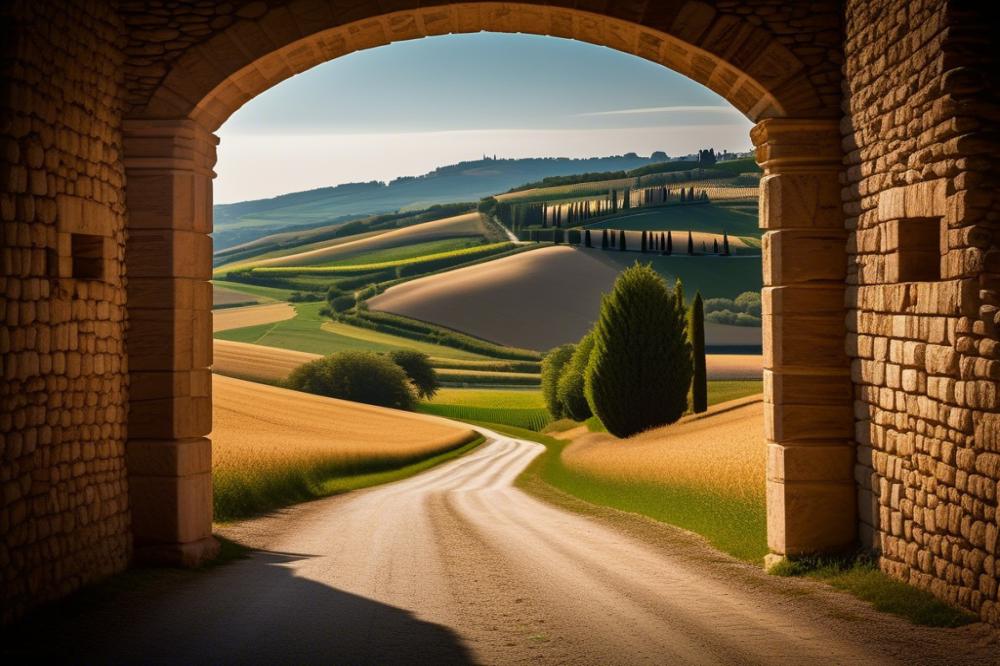
The Via Francigena walking route
The Via Francigena stands as an important pilgrimage route steeped in history. This journey traces its origins back to the medieval era when countless pilgrims ventured from Canterbury to Rome. Today, it attracts adventurers, hikers, and those seeking cultural enrichment.
Travel along this historic path offers a unique glimpse into two beautiful countries: Italy and Switzerland. Each step reveals picturesque landscapes, charming villages, and engaging local traditions. hiking here allows one to experience nature while connecting with centuries of culture.
Historical sites dot the landscape. Castles, churches, and ancient towns appear like gems along the trail. These landmarks tell stories of the past, offering insight into the lives of those who walked before. As you explore, the feeling of being part of something larger than oneself can be exhilarating.
Connecting various regions and cultures, this walking route facilitates a deeper understanding of the heritage that shapes Italy and Switzerland. Gentle slopes and rugged terrain create a mix that challenges and delights hikers. Each segment provides an adventure that encourages reflection and appreciation of the journey.
The Historical Background of the Via Francigena

The origins of this walking route date back to the Middle Ages. It served as a vital link for pilgrims traveling from Canterbury, England, to the Papal city of Rome in Italy. This journey was not merely a form of travel; it represented a spiritual adventure. Pilgrims sought forgiveness, healing, and a deeper connection to their faith. Along the way, they traversed diverse landscapes, from the steep hills of Switzerland to the rolling vineyards of Tuscany.
Visited by countless travelers, the path is steeped in rich history. Key figures associated with it include Sigeric, the Archbishop of Canterbury. He documented his journey in the late 10th century. His notes outlined the stages of the pilgrimage, highlighting various stops and important historical sites. His writings have guided many who followed in his footsteps. Furthermore, his account sheds light on the traditions and culture of that era.
Over the centuries, the pilgrimage has evolved. It adapted to the changing needs of travelers. Initially popular among those seeking religious fulfillment, it later attracted adventurers and tourists. The significance of the route continues to grow even today. Many hikers now walk its paths to immerse themselves in nature and culture. This modern twist breathes new life into the ancient trail, making it an appealing destination for contemporary wanderers.
The Via Francigena connects people not only to their faith but also to a shared human experience. Rich landscapes and historical landmarks line the route, offering much for those who travel it. Walking trails crisscross through charming villages and majestic mountain ranges. Pilgrims and hikers alike find solace on this journey, discovering both history and personal reflection.
The Route and Its Landscapes

The Via Francigena walking trail stretches from Canterbury in England all the way to Rome, Italy. Pilgrims and adventurers alike have walked this route for centuries. Starting in the quaint town of Canterbury, hikers set off through the English countryside. This first stretch showcases lush greenery and rolling hills. As travelers leave England, they find themselves crossing over into France.
In France, the trail takes you through lively towns and ancient villages. The charm of the historical sites along the way is captivating. One can explore the stunning Cathedral of Reims, a significant landmark in pilgrimage history. The landscape here shifts as travelers encounter vineyards and fields of sunflowers. With each step, the journey unfolds a new scene, creating a profound connection between nature and culture.
Hiking through Switzerland brings an entirely different experience. Majestic mountains tower above, while crystal-clear lakes shimmer below. This part of the route offers breathtaking views and fresh alpine air. Travelers are often in awe of the scenery. Historic paths wind through charming Swiss villages, where the culture is rich and the local food is delightful.
As the adventure continues south, Italy reveals its own beauty. The landscapes of Tuscany are painted with golden wheat fields, olive groves, and vineyards. Walking trails lead to hilltop towns where time seems to stand still. Stopping in places like San Gimignano or Siena, hikers experience a blend of art, history, and culinary delights. The cultural landmarks here are both inspiring and humbling.
The trail doesn’t just offer spectacular views; nature’s beauty can be found in every step. Wildflowers and the calls of birds accompany the journey, making it a sensory delight. Each region visited tells its own story through its scenery and history. Travelers witness a blend of diverse landscapes, enriching their hiking experience. With varied terrains, the Via Francigena becomes a pathway connecting nature with rich cultural heritage.
Cultural Experiences Along the Via Francigena

Walking the Via Francigena is more than just a hike across stunning landscapes; it’s a journey into the heart of Italy and Switzerland’s rich culture. As pilgrims and hikers travel along this historic route, they encounter vibrant local traditions and festivals. For instance, many towns celebrate fairs that date back centuries, offering a glimpse into their unique heritage. Food lovers can indulge in regional cuisines that tell the story of each area, with dishes influenced by local ingredients and centuries of tradition.
Local communities along the route are warm and welcoming. Travelers often enjoy heartfelt interactions with residents. They may find themselves invited to share a meal or participate in celebrations. Simple exchanges can lead to lasting memories, showcasing the hospitality that permeates the journey. Stopping for a chat can lead to insight into the lives of those who call these areas home. Authentic experiences emerge from these connections.
Historical Sites to Visit
The Via Francigena is dotted with remarkable cultural sites. Churches stand as historical landmarks, featuring beautiful architecture and artworks. Many offer guided tours, allowing visitors to appreciate their significance. Additionally, ancient towns reveal stories of the past through their preserved buildings and cobblestone streets. Each stop on this walking trail narrates tales of pilgrims who once traversed these same paths.
Some memorable stops include the majestic cathedrals in towns like Siena and numerous castles that echo tales of knights. These structures invite exploration and reflect the artistic achievements of various periods. Scenic landscapes enhance the experience, merging nature with history. This blend captivates those seeking adventure along their travels.
Finally, fresh air fills the lungs as one walks through picturesque countryside. Nature here is alive, showcasing Italy’s diverse flora and fauna. Such observations deepen the understanding of the region’s culture and lifestyle. Overall, every aspect of the Via Francigena enriches the journey, making it a profound travel experience filled with discovery.
Practical Information for Hikers
Planning a pilgrimage or hiking adventure along the Via Francigena requires careful consideration. First, determine the duration of your journey. Different sections of the trail vary in length and difficulty. The route spans Italy and Switzerland, weaving through stunning landscapes and historical sites. Each region has its own unique charm, contributing to the pilgrimage experience.
Essential Tips for Planning
Research the trail ahead of time. Maps and guides are widely available. They can help you navigate various walking trails. Familiarize yourself with the local culture and customs. Knowing a few key phrases in Italian or Swiss German can enhance interactions with locals. Lastly, check weather conditions. This route passes through different climates, particularly in the mountains.
Recommended Gear and Preparations
Pack light but wisely. Quality hiking boots are essential for comfort. A sturdy backpack can carry all necessary gear without being too heavy. Include a water bottle to stay hydrated. Snacks, such as energy bars, can keep your energy levels up during long walks. A first-aid kit is also important. Accidents can happen, even on well-trodden paths.
Accommodation Options and Logistical Considerations
Finding a place to stay is crucial. Options range from hotels and hostels to campsites. Some towns along the trail have guesthouses specifically for pilgrims. Research beforehand, as accommodations may fill up quickly during peak travel seasons. Public transportation can help with logistics. Trains and buses connect many of the smaller towns. Use them to reach starting points or nearby cities for rest days. Planning your travel route can make the journey smoother.
Safety and Environmental Considerations
Hiker Safety Tips and Best Practices
Hiking the Via Francigena can be a rewarding adventure. Staying safe on the trails is crucial. Always inform someone about your travel plans. Carry a map or download a hiking app to stay oriented. Weather conditions can change rapidly, especially in mountain areas. Dress in layers and pack rain gear. Be mindful of your physical limits. Take breaks when needed and keep hydrated. Wildlife is often encountered, so make noise if you’re in a quiet area. This helps avoid surprise meetings with animals.
Importance of Preserving Nature and Cultural Heritage
The walking trails in Italy and Switzerland showcase stunning landscapes and rich history. Each step along the paths reveals historical sites that speak to centuries of culture. Pilgrims have walked these routes for ages, leaving a legacy that deserves respect. Litter detracts from the beauty of nature and history. Protecting ecosystems ensures that future generations can experience the same wonder. Noticing wildflowers and ancient trees enhances the hike. Respecting these elements is essential to preserving the journey’s spirit.
Guidelines for Responsible Tourism and Environmental Stewardship
Traveling responsibly is key to enjoying hiking while caring for our planet. Follow local guidelines when visiting areas of interest. Stick to established paths to minimize the impact on surrounding flora. Dispose of waste properly to keep the environment clean. Bringing reusable containers helps in reducing plastic use. Always remember to leave no trace behind. Engaging with local communities enriches the experience. Supporting small businesses encourages sustainable tourism. Cultural heritage is fragile; treat it with the care it deserves.
Final Reflections on a Historic Journey
The Via Francigena holds a special place for both adventurers and those interested in culture. Pilgrims have walked its paths for centuries, seeking spiritual renewal and personal discovery. This trail connects people to their history and leads one through breathtaking landscapes and charming towns. Each mile is rich with stories, inviting travelers to dive into the past.
Exploring this pathway is not just about the physical act of walking. It’s an opportunity to engage with local traditions, taste regional cuisines, and meet fellow hikers along the way. Whether one is drawn to the natural scenery, the historical sites, or the chance for self-reflection, this experience offers something for everyone. Walking the route encourages deeper connections to each of these elements.
As you contemplate a journey along this storied route, think of the countless footsteps that have come before. Envision the shared experiences of those who have embarked on a pilgrimage that spans different cultures and eras. This adventure is about more than reaching a destination; it’s about the journey itself. Embrace curiosity and wander off the beaten path to discover hidden gems that await you.
The legacy of the Via Francigena is profound. It is a bridge between the past and the present, connecting people across borders. Italy and its surrounding regions have preserved this trail for future generations. Walking it not only honors that history but also reinforces the enduring nature of human exploration. In closing, consider making this pilgrimage a part of your journey. You might just find a piece of yourself along the way.

