

Exploring Italian Fencing: A Lesser-Known Sport with a Rich Heritage
Italian Fencing, often overshadowed by more mainstream sports, is a captivating discipline that combines history, skill, and artistry. Characterized by its various forms, this sport encompasses everything from competitive fencing to historical fencing. The lighter nuances of sword fighting and the precision involved in fencing techniques make it an engaging pursuit for many.
In the context of Italian sports, fencing holds a special place. It embodies tradition and reflects the country’s dedication to physical excellence and combat mastery. Dueling, once a common way to settle disputes, showcases the roots of this martial art, where honor and skill were paramount. The essence of Italian Martial Arts can be seen in the rigorous training and discipline that athletes endure.
A deep dive into the fencing history reveals a lineage rich in cultural heritage. Italian schools of fencing have contributed significantly to the evolution of the sport. The principles and methods developed centuries ago continue to influence modern competitive fencing. Participants not only hone their abilities but also connect with a narrative that spans generations. Through its intricate movements and deep-rooted traditions, Italian fencing serves as a reminder of the importance of culture and art in sports.
Historical Context of Italian Fencing
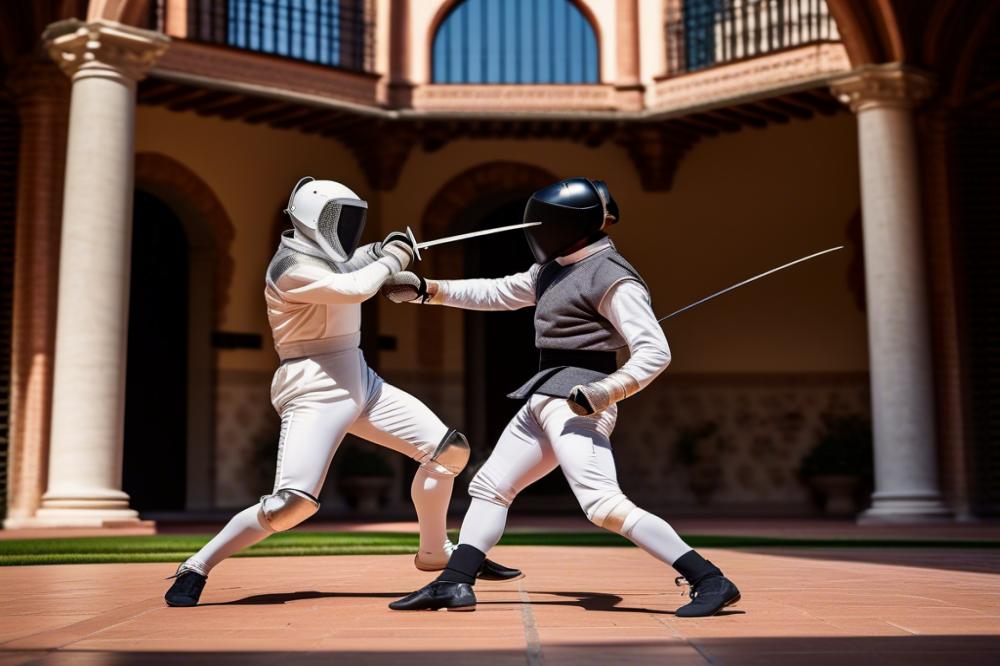
Italy boasts a long history of sword fighting that dates back to ancient times. This practice began as a means of combat and self-defense. Over the years, these early forms took shape, reflecting the needs of both warriors and their societies. The passion for dueling became prominent during the Renaissance, when honor was defended with blades. Skilled masters taught techniques that emphasized agility and precision.
As society evolved, so did the nature of fencing. The transition from lethal duels to sport fencing marked a significant shift. With the decline of dueling, interest grew in organized competition. This change allowed for the formalization of techniques and rules. Italian schools of fencing emerged as hubs of knowledge and skill, captivating students with their teachings.
Influence from various Italian Martial Arts contributed to the enrichment of fencing techniques. Techniques emphasized footwork, timing, and strategy. Each region in Italy had its own unique approach, leading to a diverse cultural heritage. historical fencing practices were shaped by these regional differences. The melding of arts created a vibrant tapestry of styles and methods.
Some figures played pivotal roles in the development of fencing throughout history. Fiore dei Liberi, a notable master from the 15th century, wrote one of the earliest known fencing manuals. His work laid the foundation for modern techniques. Later, the teachings of masters like Salvatore Sanzo contributed to the evolution of competitive fencing. The impact of these personalities cannot be overstated.
Fencing history is rich with traditions and advancements. Today, it draws practitioners who appreciate the depth of its past. In Italy, its unique blend of art and sport continues to thrive. Exploring these roots provides insight into a discipline that combines skill, strategy, and history.
The Techniques of Italian Fencing
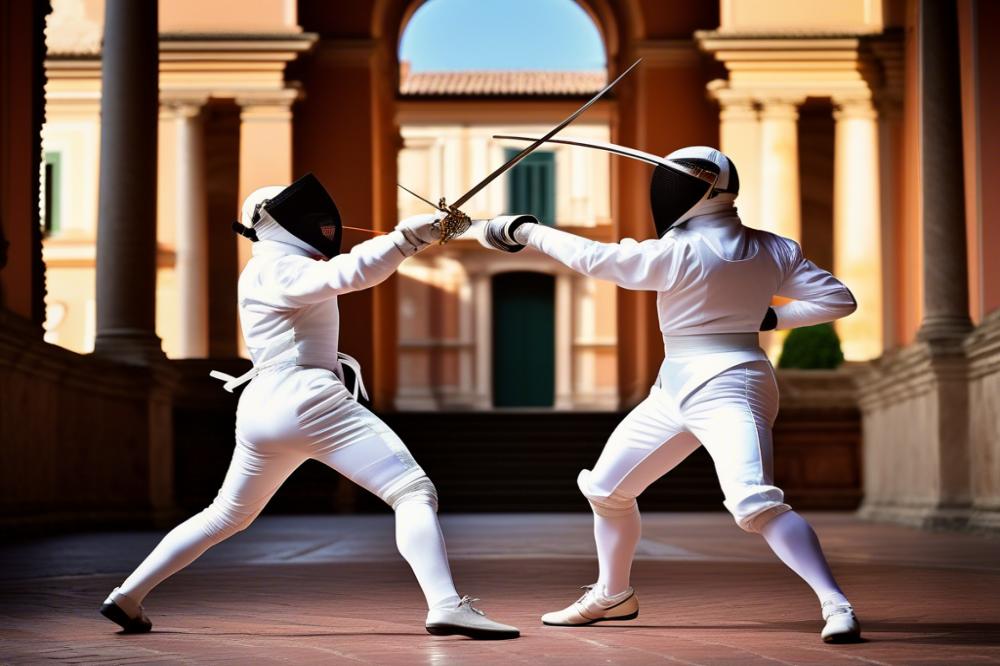
Italian fencing features a variety of techniques that reflect its deep cultural heritage. Sword fighting has evolved over centuries, embracing both practical skills and artistry. Fencing techniques found in Italy often include specific movements, stances, and strikes that differ from those used in other fencing styles. Historically, these methods were developed for dueling, self-defense, and training warriors. As a result, they possess a distinct flavor influenced by Italian martial arts traditions.
Historical vs. Modern Sport Fencing
Comparing historical fencing and modern sport fencing reveals significant differences. Historical practices emphasize authentic techniques used in real combat scenarios. Participants often train with a focus on defense and strategy. In contrast, contemporary sport fencing prioritizes competition rules, speed, and point scoring. This shift has led to variations in the approaches to footwork, blade work, and body mechanics. Modern competitors practice precise movements and quick reactions.
The Importance of Footwork and Body Mechanics
Footwork plays a crucial role in all fencing styles, including those from Italy. Each step and lunge can influence balance and control. Practitioners learn to maneuver efficiently, adapting to their opponent’s movements. Similarly, body mechanics affect how strikes are delivered. Proper alignment and posture can enhance the effectiveness of attacks. Understanding these elements is essential for anyone interested in mastering the craft.
Weapons Used in Italian Fencing
Different weapons accompany the various styles of Italian fencing. The longsword, rapier, and saber are all significant in this tradition. Each weapon requires its own techniques and strategies. The longsword, for instance, allows for powerful slashes and thrusts, while the rapier focuses on precision and agility. Practitioners may choose a weapon based on their personal style or the specific school of fencing they follow. Competitions can showcase the skill involved in wielding these diverse blades.
Italian Schools of Fencing
Italy boasts several notable schools of fencing, each contributing to the rich tapestry of sword fighting and historical fencing. The major traditions include the Italian school of the rapier, known for its emphasis on balance and precision. Schools in the north, such as the Bolognese tradition, focus on techniques that incorporate multiple weapons. Meanwhile, southern styles, like those based in Sicily, emphasize fluidity and adaptability within their fencing methods.
Competitive Fencing Styles
Fencers trained in these diverse Italian schools often exhibit distinct competitive styles. Some practitioners favor aggressive tactics, relying on swift attacks to unbalance their opponents. Others prioritize defensive techniques, allowing for counterattacks that catch foes off guard. The training received at these institutions instills a sense of tactical awareness, enabling fencers to read their opponent’s moves deftly. Various fencing techniques enhance skills, providing students with tools for both sport fencing and historical dueling scenarios.
Regional Variations
Regional influences play a significant role in shaping fencing techniques and practices throughout Italy. Northern styles frequently integrate elements from local martial arts, enriching their approach to combat. In contrast, southern schools may pull from the region’s warmer climate, leading to more dynamic movement patterns. Each area boasts its customs and philosophies, all resonating with Italy’s cultural heritage. This diversity offers something for every type of fencer, whether they lean towards technique-heavy styles or prefer a more free-form approach.
Contemporary Relevance
Today, the traditional schools continue to thrive, attracting new generations of practitioners. Modern interest in historical fencing has grown, spurred by a desire for deeper connection with fencing history and Italian martial arts. Many contemporary athletes draw inspiration from their predecessors, adapting age-old techniques for the present. In numerous competitions worldwide, the styles of these schools are showcased, becoming more than mere artifacts of the past. They represent a living discipline, with roots that extend into various aspects of modern sport fencing.
Cultural Heritage and Legacy in Italian Fencing
Italian fencing is deeply intertwined with the nation’s rich cultural tapestry. From the Renaissance period, sword fighting became a symbol of nobility and honor. Many historical fencing techniques highlight this period, illustrating how the art of dueling shaped social status. Key figures of this time, such as Giacomo di Grassi and Francesco Alfieri, contributed foundational knowledge that remains influential.
The methods used in Italian martial arts greatly differ from other global practices. Techniques honed here lay the groundwork for modern sport fencing. Observing an Italian duel reveals a unique blend of strategy and artistry. Understanding these movements offers insights into the nation’s values on discipline and grace. Furthermore, the emphasis on respect within these traditions resonates in many popular cultures, influencing global fencing practices.
Preserving this cultural heritage depends largely on education and passion within local communities. Schools dedicated to this historical craft teach more than just physical skills; they convey a sense of history and identity. Organizations hosting workshops strive to keep these traditions alive, often inviting experts to share their knowledge. Such initiatives encourage a deeper appreciation of fencing history and its relevance today.
Events and competitions play a crucial role in maintaining this legacy. Tournaments showcase the elegance of various fencing techniques, drawing enthusiasts from around the world. Spectators witness breathtaking displays that echo centuries of tradition. Many competitive fencers pay homage to Italian schools of fencing by incorporating classic moves into their routines. These occasions foster a sense of unity among practitioners, reinforcing their commitment to uphold the sport.
Final Thoughts
Italian fencing stands as a symbol of both cultural richness and historical significance. Rooted deeply in Italy’s past, this discipline has evolved and adapted over centuries. As an art form, it encapsulates not just the skills of sword fighting but also the values of honor, discipline, and respect. Today, its modern interpretations connect the ancient practices of historical fencing with contemporary sport, making it relevant to enthusiasts of all ages.
Interest in this often-overlooked activity is growing. Many people find it thrilling to learn the intricate movements and techniques. Participating in classes can serve as a gateway to not only acquiring a new skill but also connecting with Italy’s vibrant heritage. Imagine stepping into a training hall, the scent of polished wood in the air, ready to immerse yourself in the age-old traditions of a sport that has captivated generations.
This unique blend of athleticism and culture makes Italian fencing more than just a competition. It celebrates Italy’s artistic past while challenging participants to engage physically and mentally. Anyone seeking a new adventure should consider picking up a sword. They will encounter a welcoming community that values history and camaraderie.
In summary, diving into this discipline offers much more than physical benefits. Engaging in the practice helps preserve a rich cultural heritage while providing an exhilarating experience. Whether through training or competition, there’s an opportunity for everyone to discover what makes this sport so special.

