
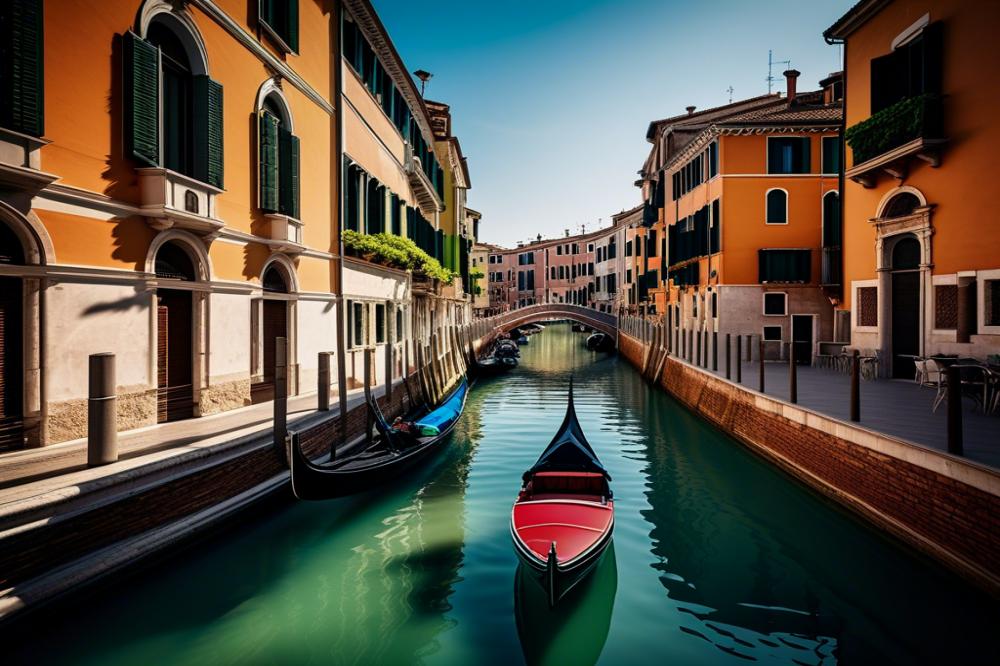
Overview of safety-and-clean-air”>Veneto as a Region in Italy
safety-and-clean-air”>Veneto is a vibrant region located in northeastern Italy, known for its rich cultural heritage and stunning landscapes. Additionally, it boasts some of the country’s most famous cities, including Venice, Verona, and Padua. The region’s diverse attractions draw millions of tourists each year. Its historic sites, beautiful vineyards, and stunning lakes create a unique blend that captivates visitors from around the globe.
Safety in cities plays a crucial role in the overall experience for residents and travelers alike. Clean environments encourage exploration and add to the enjoyment of daily life. Tourists often choose destinations based on perceived safety and cleanliness. When cities maintain high standards, they attract visitors seeking comfort and peace of mind.
Public services and Governance in Veneto work together to support community well-being. Local policies aimed at maintaining environmental quality and urban cleanliness lead to better living conditions. Infrastructure investments contribute to efficient transportation and services, making life easier for everyone. Ultimately, these efforts enhance the region’s livability and promote a positive lifestyle for both locals and tourists.
Veneto: A Well-Governed Region

Analysis of Regional Policies Promoting Safety
Safety is a top priority in this region. Local institutions have developed several policies aimed at reducing crime rates. For instance, increased police presence in public spaces serves to deter potential wrongdoing. Through community programs, residents can take part in neighborhood watch initiatives. These efforts foster a culture of trust and vigilance among citizens. Moreover, public awareness campaigns educate people on safety measures. Residents often participate in workshops that teach emergency preparedness and response. Such activities build a sense of security and solidarity in neighborhoods.
Role of Local Government in Civic Engagement
Local government plays a significant part in fostering civic engagement. By hosting town halls and public forums, officials encourage citizen participation. Residents can voice their needs, ideas, and concerns directly to their leaders. In addition, initiatives aimed at youth education help young people connect with local Governance. Schools often partner with municipal offices for programs that raise awareness about community responsibilities. Engagement activities also include volunteer opportunities that enhance social bonds among citizens. The government’s proactive approach helps knit a fabric of cooperation and involvement across towns.
Public Services Supporting clean cities and Community Well-Being
Public services are vital for maintaining clean cities and ensuring community well-being. Waste management systems have been enhanced to improve environmental quality. Recycling programs encourage residents to reduce, reuse, and recycle. Street cleaning initiatives operate regularly, keeping public areas tidy. Parks are maintained to provide green spaces for leisure and relaxation. Additionally, local governments have invested in modern infrastructure, such as bike lanes and pedestrian pathways. These developments promote a healthier lifestyle while also reducing traffic congestion. Clean cities create a positive atmosphere, attracting tourism and enhancing the quality of life for all.
Safety in Veneto

This region is known for its low crime rates compared to other parts of Italy. Statistics reveal that the incidence of violent crimes is particularly low, making it a safe destination for both residents and visitors. The overall safety contributes to the region’s appeal for tourism and enhances local well-being.
Local communities actively participate in safety initiatives. Neighborhood watch programs have gained popularity, allowing citizens to engage directly in monitoring and reporting suspicious activities. Schools also play a crucial role. Educational campaigns promote awareness about safety and crime prevention among students and their families.
Collaboration between law enforcement and the community is a hallmark of public services here. Police departments work closely with residents to foster trust and open communication. Regular meetings and forums are held, giving citizens a platform to voice their concerns and share ideas for improving safety.
In recent years, regional policies have focused on enhancing urban safety through improved infrastructure. Well-lit streets and maintained parks are priorities that lead to higher environmental quality. Efforts in these areas not only aid in crime reduction but also improve livability for all.
Community engagement helps build a safer environment. Local festivals often include activities that promote neighborly interactions. These gatherings create stronger bonds among residents, which in turn increases vigilance and mutual support.
Overall, the approach to safety in this area reflects a dedication to the well-being of its inhabitants. A commitment to maintaining clean cities goes hand-in-hand with initiatives aimed at ensuring public safety. This integrated strategy serves as a model for other regions seeking to cultivate safe and vibrant communities.
Clean Cities of Veneto
Overview of waste management and recycling programs
Cities in this region have made impressive strides in waste management. Strong regional policies guide efforts to keep public spaces clean. Residents participate actively in recycling programs that promote sustainability. Many communities have access to separate bins for organic waste, plastics, and paper. Education about proper disposal has increased awareness of environmental issues. This proactive approach reduces landfill waste significantly.
Programs for composting also contribute to environmental health. Aside from that, the local government regularly campaigns to encourage recycling. Residents appreciate the convenience of drop-off points scattered across urban areas. Effective waste collection systems help keep streets spotless, creating a more inviting atmosphere. Overall, these measures promote safety and enhance the livability of cities.
Environmental quality efforts and green spaces
Efforts to improve environmental quality are evident throughout urban areas. Cities boast expansive parks and green spaces that foster well-being. These natural areas offer residents and visitors a breath of fresh air amidst urban life. Community involvement plays a crucial role in maintaining gardens and recreational fields. Enthusiastic volunteers help plant trees and restore natural habitats.
Infrastructure improvements also support greener practices. Bike paths and public transport expansions encourage alternative methods for commuting. These choices reduce traffic congestion and lower pollution levels. Enhancing green areas not only aids biodiversity but also elevates the quality of life. A cleaner environment creates a sense of pride among residents and attracts tourism.
Impact on tourism and attracting visitors
Tourism thrives in cities committed to cleanliness and safety. Travelers often seek environments that are enjoyable and free from pollution. Well-maintained streets and vibrant parks enhance the experience for visitors. Many come for historic sites and stunning architecture, but they stay for the inviting atmosphere. Clean and safe cities encourage longer visits and attract repeat travelers.
Local communities benefit economically from an uptick in tourism. Increased foot traffic supports businesses and promotes cultural exchange. Furthermore, a well-governed region demonstrates how civic responsibility can lead to growth. Overall, visitors leave with fond memories and a desire to return, captivated by the blend of nature and culture. Unequivocally, clean cities contribute significantly to the region’s tourism appeal.
Infrastructure Development
Infrastructure investments play a crucial role in the well-being of a region. In this area, ongoing projects and improvements are evident everywhere. Roads, public transportation, and utilities consistently receive attention from local authorities. These enhancements contribute significantly to the safety and cleanliness of urban areas.
Transportation systems have undergone major upgrades. The push for better public services includes expanding bus routes and improving railway connections. Such developments offer residents and visitors easy access to key destinations. Cleaner and safer means of travel encourage more people to use public transport, reducing reliance on cars. This shift in transport patterns improves air quality and promotes environmental quality.
Urban spaces benefit from well-planned developments. Well-designed neighborhoods foster a strong sense of community. As parks and recreational areas are integrated into city plans, livability increases. Mixed-use developments create lively environments with shops, homes, and public areas close together. This design allows for easier access to daily needs, enhancing residents’ quality of life.
Tourism has also seen the advantages of these investments. With improved infrastructure, attractions become more accessible. Visitors are drawn to safe and clean cities, ultimately boosting the local economy. Regional policies aimed at enhancing infrastructure not only benefit residents but also tourists. Well-maintained streets and attractive public spaces create a welcoming atmosphere for all.
Overall, the careful planning of infrastructure serves multiple purposes. It promotes safety while ensuring that each community remains vibrant. New developments bolster the local economy and increase tourism. Residents enjoy a better standard of living, which is a priority for city planners. Investments in infrastructure are not just about roads and bridges; they shape the future of the entire region.
Tourism and Its Influence on Regional Well-Being
Attraction of Tourists to Well-Governed Areas
Tourism thrives in well-governed regions. Clean cities draw visitors who appreciate nice surroundings and safety. Visitors prefer destinations where public services function efficiently. When a place is orderly, it becomes more appealing. Travelers often share their experiences, promoting these locations to a wider audience. As more people come, local economies grow.
The Relationship Between Tourism, Safety, and Clean Cities
Safety plays a major role in attracting tourists. People who feel secure are more likely to explore new areas. Crime rates in clean cities tend to be lower, boosting their appeal. Many tourists seek destinations that offer both safety and cleanliness. These elements positively influence their decisions on where to go. Well-maintained infrastructure also encourages visitors to stay longer.
Economic Benefits Contributing to Environmental Sustainability
Tourism brings considerable economic gains. These funds can support environmental sustainability projects. Communities benefit when local businesses thrive from tourist spending. Investment in green initiatives becomes possible through these economic benefits. Regional policies actively promote livability while preserving natural resources. As a result, a healthy environment attracts even more tourists, creating a positive cycle.
Community Engagement and Education
Citizens play a vital role in maintaining the safety and cleanliness of their surroundings. Active involvement fosters a sense of ownership among residents. When people participate in local initiatives, they contribute to the overall well-being of their neighborhoods. Various programs are organized to encourage community members to take pride in their environment.
Educational programs are essential in promoting environmental awareness. Schools and local organizations often collaborate to teach students about sustainability and conservation. Workshops and events raise important discussions about waste management, recycling, and reducing pollution. Such initiatives help the younger generation understand the significance of maintaining clean cities.
Building a strong community identity is crucial for regional policies aimed at enhancing livability. Together, residents can create a culture of care, where everyone looks out for each other’s safety. Engagement in local activities not only strengthens bonds among neighbors but also attracts tourism. Visitors appreciate clean streets and well-maintained parks, enhancing their experience in these vibrant areas.
Infrastructure plays a significant part in community engagement. Well-designed public spaces invite citizens to gather and participate in events. This participation can lead to improvements in public services and facilities. Engaged citizens can voice their opinions on what’s needed for enhancing their daily lives.
Moreover, a focus on environmental quality resonates with residents who value a fresh and clean atmosphere. Programs aiming to teach best practices contribute to a lifestyle that prioritizes health and safety. In turn, these efforts lead to the development of regulations and guidelines that support sustainable living. Community members are empowered to take action that benefits everyone.
Involvement doesn’t stop at local events and educational workshops. Online platforms allow for ongoing discussions and the sharing of ideas. Social media can connect people eager to promote a cleaner, safer environment. Opportunities for collaboration arise where citizens can bring forth new solutions and initiatives that benefit all.
Final Thoughts on Governance and Community Well-Being
The region stands as a shining example of how effective governance can cultivate safety and create clean cities. Leaders in this area prioritize the needs of their communities. Policies enacted here not only promote a high quality of life but also encourage citizen participation.
Harmonizing regulations with residents’ expectations lays a solid foundation for trust. When communities feel supported by their leaders, the result is often a stronger sense of unity. Moreover, cleanliness is not just about aesthetics; it directly affects public health and happiness.
Other regions can learn from this model. By adopting similar governance strategies, they can enhance their livability. Local governments should focus on engaging citizens in policy-making to meet their genuine needs. With a commitment to community first, many areas could improve safety and overall standards of living.
Restoring and maintaining urban spaces should be a priority everywhere. Residents deserve to feel secure in their environments. Ultimately, positive change is achievable when ambitions are aligned with community values. Emphasizing responsibility and cooperation, leaders can create spaces where people thrive.

