

Villa Gardens of the Elite: The Role of wealthy Romans in Shaping Garden Trends
In ancient Rome, gardens held an exceptional place in society. They served as reflections of wealth, culture, and status. The elite lifestyle was closely linked to the grandeur of their villa gardens. These green spaces were not merely patches of land; they were elaborate landscapes showcasing exquisite architecture and innovative garden design. wealthy Romans took great pride in horticulture, often commissioning sophisticated layouts and rare plants that set trends throughout the empire.
luxury was not just a feature of their homes but extended outdoors. villa gardens became sanctuaries of opulence, designed for relaxation and entertainment. Decorated with intricate sculptures, fountains, and ornate pathways, these gardens conveyed power and influence. Individuals of high status sought to establish their taste and refinement through the beauty of their landscaping. Each element contributed to an atmosphere of grandeur, influencing those who aspired to similar lifestyles.
The connection between garden trends and the elite’s influence was significant. Innovations in design emerged as wealthy Romans pushed the boundaries of traditional gardening. They explored new styles, integrating various materials and artistic features. Through these changes, societal values found expression. Gardens became a canvas for the personal identity of their owners, a way to demonstrate their cultural influence while shaping the tastes of the broader community.
As the empire grew, so did the importance of these outdoor spaces. Other classes began to imitate the garden designs of the elite. This imitation helped to spread unique gardening trends, enriching the landscape of ancient Rome. Thus, the villa gardens of wealthy Romans not only underscored their status but also became vital markers of a society in constant evolution. Today, the legacy of those elite spaces continues to inspire modern landscaping techniques and garden aesthetics.
The Evolution of Roman gardens
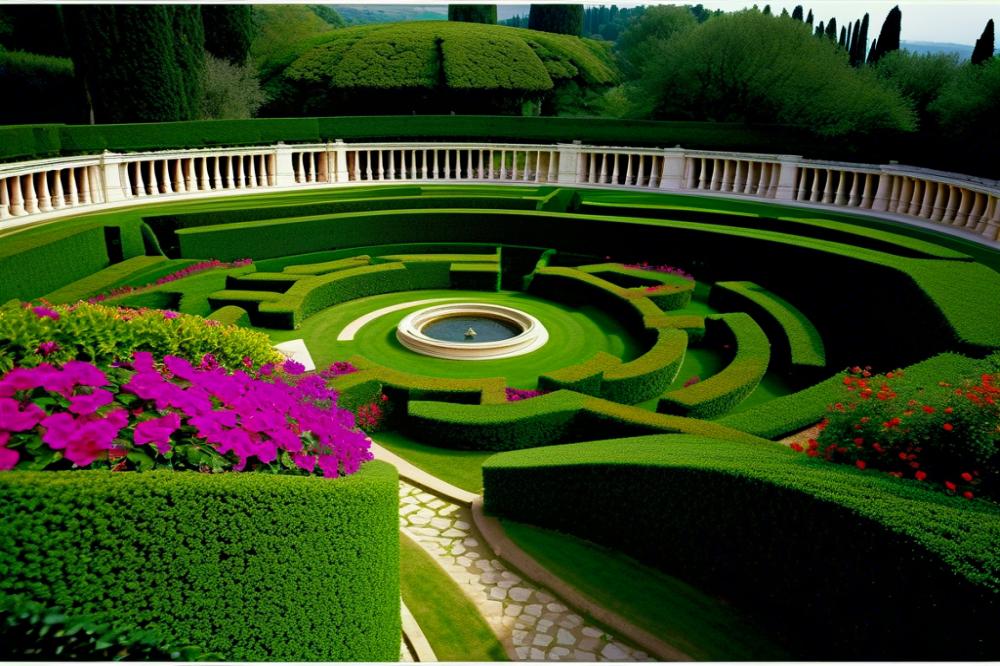
The origins of garden design can be traced back to ancient Rome, where wealthy residents sought ways to display their affluence. Initially, gardens were simple and practical. They often served as places for growing food and herbs. As the elite began to embrace beauty, the purpose of these spaces evolved.
Hellenistic gardens greatly influenced Roman horticulture. These gardens emphasized symmetry, geometric shapes, and the incorporation of pathways. Wealthy Romans admired the opulent features of Hellenistic designs. They integrated these elements, creating villa gardens that showcased their luxurious lifestyles. Beautiful sculptures and ornate fountains became popular additions to enhance these outdoor retreats.
Key characteristics of villa gardens included elaborate decorations and careful planning. Architects worked in harmony with nature and the surrounding environment. Spaces were designed to flow seamlessly from indoor to outdoor areas. The use of columns and terraces provided structure, while lush greenery softened the starkness of architecture. This blend made villa gardens an extension of the home, elevating both design and lifestyle.
Landscaping techniques advanced significantly over time. Romans began using advanced irrigation methods to maintain their gardens. They also experimented with different plants, adding variety and color. Garden design reflected personal expression and cultural influence. Each villa garden became a unique reflection of the owner’s tastes and status. It was a trend solidly rooted in the elite lifestyle of ancient Rome.
The interplay between architecture and nature shaped the identity of these spaces. Residents often gathered in these gardens for leisure and socializing. The atmosphere fostered a sense of community while highlighting individual wealth. Ultimately, the evolution of garden design in ancient Rome showcased not just the beauty of nature, but the innovative spirit of its prosperous citizens.
The Role of Wealthy Romans in Shaping Garden Trends
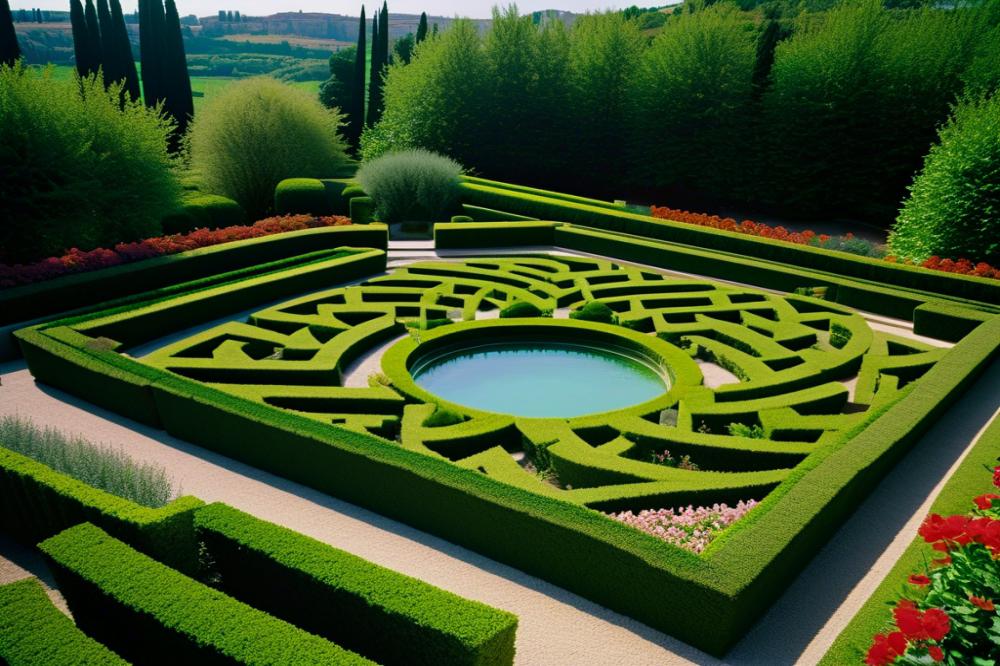
Affluent Romans played a significant part in the evolution of villa gardens. These spaces showcased their wealth and refined tastes. Often sprawling and elaborately designed, incorporating various elements of horticulture was common. The lavish gardens became a symbol of an elite lifestyle, blending luxury with artful landscaping.
Architecture influenced garden design immensely. Structures such as columns, fountains, and shaded walkways complemented the plant arrangements. Gardens transformed into places of relaxation and social gatherings. Typically, the rich patronized these projects, employing skilled workers and imported exotic plants from across the empire. The sheer scale of many villa gardens highlighted their owners’ affluence.
Wealth dictated more than just size. It inspired creativity in layout and plant selection. For instance, the famous villa of the Emperor Hadrian included intricate water features and sprawling lawns. His ideas pushed boundaries and inspired others. Gardening trends became a canvas for expressing status and cultural influence.
Notable figures were pivotal in developing trends that shaped ancient Rome. The gardens of Lucullus were celebrated for their variety and grandeur. His influence extended beyond his lifetime, as others mimicked his style. The pursuit of beauty in nature became intertwined with notions of privilege and power.
The impact of wealthy patrons is evident even today. Modern gardening owes a debt to the innovations and aesthetics developed in those early elite spaces. What began as a display of opulence evolved into a lasting cultural legacy, shaping how we interact with nature and design our landscapes. The interplay of architecture and horticulture persisted through the ages, leaving a deep imprint on gardening practices worldwide.
Cultural Influence and Symbolism in Roman gardens
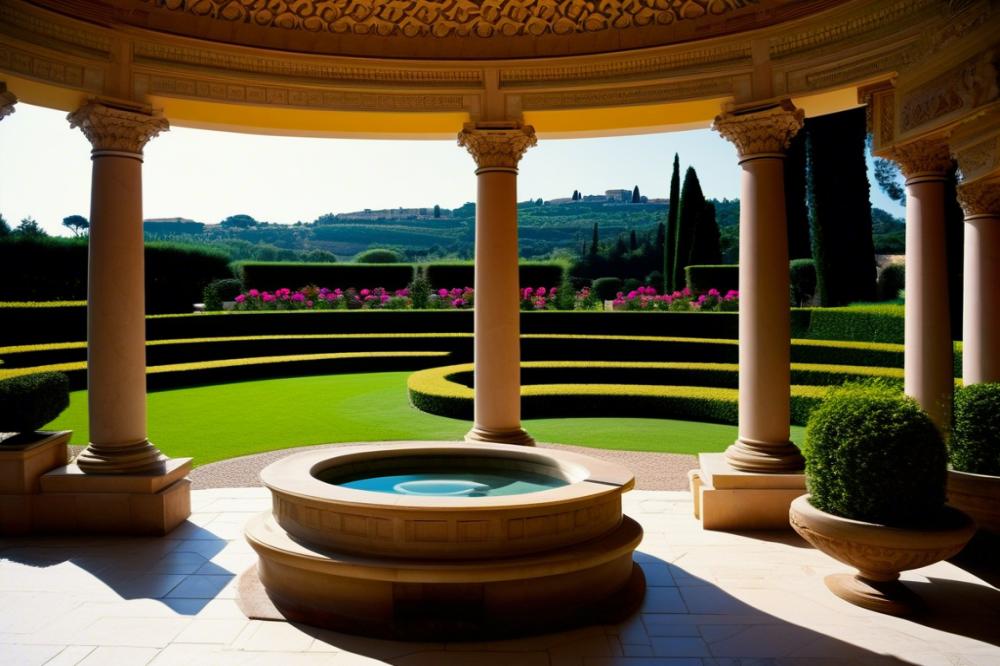
In ancient Rome, villa gardens served as a canvas for the wealthy to display their power and taste. These spaces were not just about beauty; they were filled with meaning and cultural influence. Landscaping choices often reflected status, with particular plants and designs conveying messages about wealth and connection to nature. For the elite, a well-designed garden was both a retreat and a symbol of their lifestyle.
Horticulture played a significant role in garden design. The selection of flowers, trees, and decorative elements was intentional. Statues and fountains enhanced the aesthetics while also delivering messages about one’s social standing. Nature presented in this way brought a sense of tranquility amidst the bustling Roman life.
Gatherings in villa gardens were common among the elite. These events showcased prosperity and served as venues for social interactions. Entertaining guests amid lush greenery created an atmosphere of luxury. Thus, gardens became spaces where relationships were built and status displayed. They were a backdrop for discussions about politics, philosophy, or art, reinforcing the garden’s role in cultural dynamics.
The symbolism involved in garden design often pointed to themes of harmony and balance. This reflected a broader societal belief that nature and civilization should coexist. Romans believed that their gardens could emulate paradise, merging architecture and horticulture to form serene landscapes. The manipulation of space and elements represented mastery over nature, a hallmark of the elite lifestyle.
As gardening trends evolved, different motifs emerged. The representation of mythological figures and nature gods brought stories to life among the greenery. These designs were more than decorative; they carried deeper meanings and showcased the owner’s education and taste. By selecting certain motifs, elite Romans communicated their values and aspirations directly through their gardens.
Overall, villa gardens were a fusion of beauty, intellect, and social importance. Through careful landscaping and architectural features, wealthy Romans shaped the perception of gardens in their culture. This rich tapestry of symbolism and cultural influence demonstrates how gardens transcended mere decoration. They became vital spaces in the fabric of Roman society.
Gardening Trends and Horticultural Practices
Villa gardens from ancient Rome reveal much about the lifestyles of the wealthy elite. These spaces served not just as places for relaxation but also as expressions of luxury and status. Homeowners displayed personal tastes through carefully selected plants and landscaping techniques. Popular choices included ornamental trees, colorful flowers, and fragrant herbs. Species such as laurel, myrtle, and roses were common, chosen for both beauty and usefulness.
Garden design in these properties often included elements that reflected architectural style. Pathways were lined with vines, while shaded areas hosted seating for social gatherings. The use of terraces allowed for a stunning view of flourishing plants. Pool areas filled with water lilies added a touch of tranquility. These designs transformed outdoor spaces into serene retreats.
Climate and geography significantly influenced these gardening trends. Different regions in the Roman Empire had unique environmental conditions. Subtropical climates allowed for an array of plants that thrived in warm temperatures. Meanwhile, cooler areas required adaptations to plant selection and care. Understanding their surroundings was crucial for successful horticulture.
In addition to aesthetics, the exchange of horticultural knowledge played a vital role. Wealthy Romans often traveled, bringing back new plant species and ideas. This cultural influence led to innovative gardening practices. Farmers and estate owners shared techniques, enhancing both the quality and diversity of gardens. Information on irrigation methods, soil improvement, and pest control was exchanged among elite circles.
Landscaping became a sophisticated art form, encompassing design philosophies from various regions. Romans incorporated elements from Greek gardens, such as symmetry and division into spaces. This blending of styles created diverse environments, making each garden a unique experience. The attention to detail reflected a commitment to beauty and innovation.
These villa gardens were much more than simple patches of green. They symbolized the elite lifestyle and reflected the aspirations of those who owned them. The cultivation of gardens became an integral part of social standing. Thus, the importance of these spaces in ancient Rome cannot be understated.
The Lasting Legacy of Roman Gardens
The influence of villa gardens can be seen throughout modern gardening trends and landscaping practices. These spaces were not just luxurious; they reflected the elite lifestyle of ancient Rome. Each garden was a carefully crafted environment that showcased the wealth and power of its owners. Roman garden design emphasized beauty and utility, setting a high standard for aesthetic appeal in horticulture.
In contemporary culture, the preservation of these historical gardens plays a vital role. Many villa gardens from ancient Rome have been restored, allowing people today to experience their grandeur. Tourists flock to these sites, experiencing firsthand the beauty that inspired generations of gardeners and landscape architects. Their cultural influence transcends time, shaping our understanding of garden spaces.
Modern landscaping often draws from ancient techniques, blending functionality with artistic design. Elements such as symmetry, pathways, and water features were staples in Roman gardens and continue to be popular today. These classic aspects of garden layout reveal a deep appreciation for nature’s elegance. Gardeners frequently adopt principles from ancient horticulture, creating spaces that are both tranquil and visually striking.
It’s interesting to note how the love for greenery began with the elite in ancient Rome and remains relevant. Their gardens served as outdoor retreats and meeting places for discussions, much like how people use gardens today. This legacy is a testament to the enduring appeal of thoughtfully designed garden spaces.
The way we approach gardening often reflects lessons learned from the past. Influences from Roman villa gardens encourage us to integrate nature into our daily lives. The appreciation for these ancient landscapes continues to inspire modern design, as we strive to create environments that offer peace and beauty. Understanding this history allows us to appreciate our own gardening trends even more.
Final Thoughts on Elite Influence in Garden Design
The luxury villa gardens of ancient Rome played a significant role in shaping horticultural trends. Wealthy families showcased their status through elaborate outdoor spaces. These gardens were not just for decoration; they were also spaces for social gatherings and leisure. Richly designed, they often featured intricate statues, ponds, and a variety of plants. This aesthetic was unique to the elite, who aimed to express their wealth and taste.
As time went on, the influences of these early garden designs spread beyond Rome. Architects and landscapers across Europe drew inspiration from the elegance of these garden spaces. This led to new trends in landscaping that still echo today. Modern gardens often reflect the balance and beauty seen in those ancient villa gardens. They remind us of the past while adapting to contemporary tastes.
Such practices of the elite have left a remarkable imprint on how we view gardening. Principles of symmetry, structure, and the inclusion of artistic elements can all be traced back to that era. Those early designs set a standard that many aspire to recreate. Their commitment to beauty and function inspires all who create outdoor environments.
In reflecting on this history, one must recognize the enduring legacy of these luxurious outdoor spaces. The villa gardens of ancient Rome were not merely about showing off wealth; they represented a cultural movement that prioritized beauty in nature. So, when we cultivate our own spaces today, we can appreciate the timeless influence of those elite Romans. Their visions continue to enrich our understanding of garden design.

