
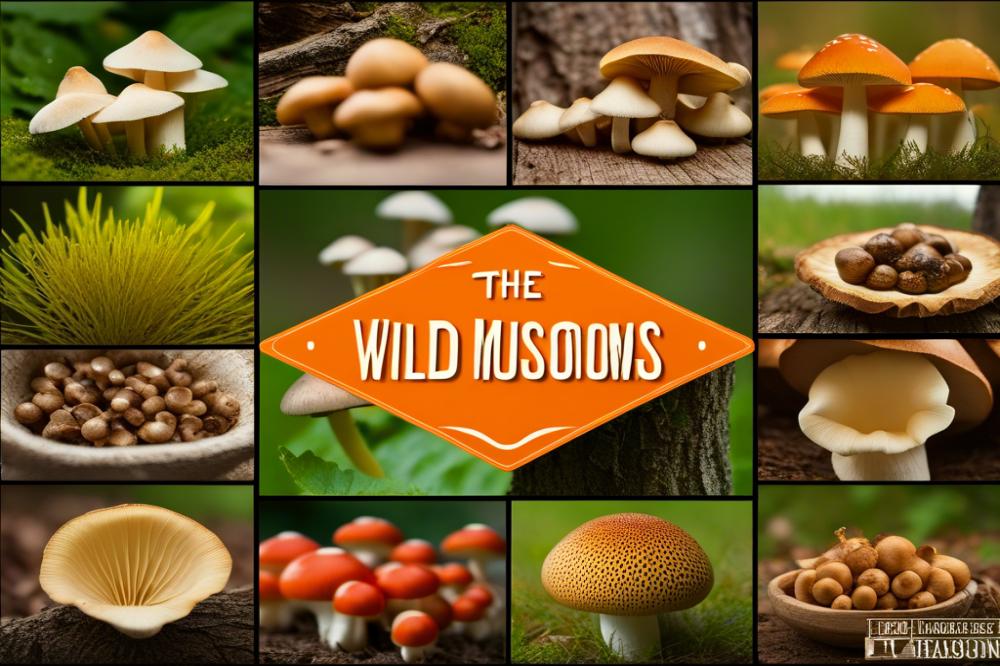
wild mushrooms of Italy: A Forager’s Guide
Overview of wild mushrooms in Italy
Italy’s enchanting landscapes provide a perfect habitat for various edible mushrooms. From the rolling hills of Tuscany to the lush forests of Umbria, these seasonal mushrooms flourish in rich soil. Each region boasts its own assortment of fungi, making mushroom hunting a thrilling adventure. Identifying these wild fungi can be challenging, as many look alike. Enthusiasts often learn through experience, attending local foraging events and workshops focused on mushroom identification. This vibrant aspect of nature adds to Italy’s natural beauty.
Importance of foraging in Italian culture
Foraging has deep roots within Italian traditions. Families have passed down knowledge of mushroom gathering through generations. Engaging in this practice encourages connections with nature and the environment. Additionally, some communities celebrate the harvest with festivals that highlight their bounty. These events not only honor local produce but also foster a sense of belonging among residents. Foraging embodies a unique lifestyle that values sustainability and respect for nature’s gifts.
The role of wild mushrooms in Italian cuisine
In Italian cuisine, wild mushrooms play a significant role. Chefs and home cooks alike use them to enhance dishes. These ingredients find their way into risottos, pasta, and sauces, creating rich flavors. Mushroom recipes can vary widely, drawing from regional specialties. The appeal lies in their ability to transform a simple meal into an extraordinary one. Furthermore, the excitement of sourcing fresh ingredients only adds to the charm of cooking. As Italians embrace these treasures, they celebrate both the land and their culinary heritage.
Wild Mushrooms
Diversity of Wild Mushrooms in Italy
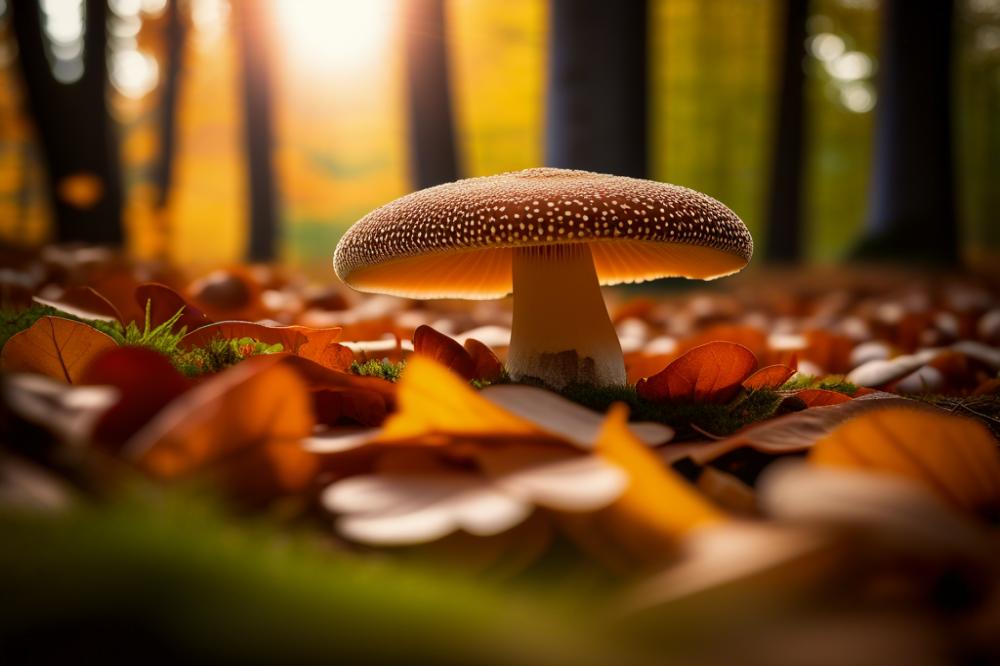
Italy boasts a rich variety of mushrooms. Across its diverse landscapes, different species flourish. From the Alps in the north to the Mediterranean coasts in the south, foragers can discover an array of edible mushrooms. Each region offers distinct types of wild fungi, making mushroom hunting an exciting adventure. This diversity is partly due to the country’s varied climate and geography. Characteristics such as soil, temperature, and moisture all play roles in mushroom growth.
Common Species Found in Various Regions
Several familiar names come up when discussing mushrooms in Italy. Porcini mushrooms are favored for their flavor and are often used in pasta dishes. In the Apennine Mountains, chanterelles and morels can be found in abundance. Tuscany is famous for the prized tartufo, or truffle. Each species has specific habitats and conditions that favor its development. Accurate mushroom identification is crucial to avoid poisonous varieties.
Different Habitats for Mushroom Growth
Mushrooms thrive in various habitats across Italy. Forests, meadows, and even urban parks can host these wild treasures. Decaying wood and leaf litter create ideal conditions for many species. In some cases, mushrooms grow in grassy fields or near water sources. This versatility allows foragers to explore different environments. Whether wandering through a dense woodland or a sunny hillside, the chance of spotting edible mushrooms remains high.
Seasonal Availability of Mushrooms
Mushroom hunting relies heavily on seasonal changes. Spring typically brings morels and other early bloomers. As summer unfolds, popular varieties like porcini appear. Autumn is often the peak season for mushroom enthusiasts, offering a grand array of choices. Each season presents unique opportunities for those interested in foraging. Knowing the best times to search helps maximize success and enjoyment. Various mushroom recipes can highlight these seasonal finds, showcasing the best of Italian cuisine.
Mushroom Identification
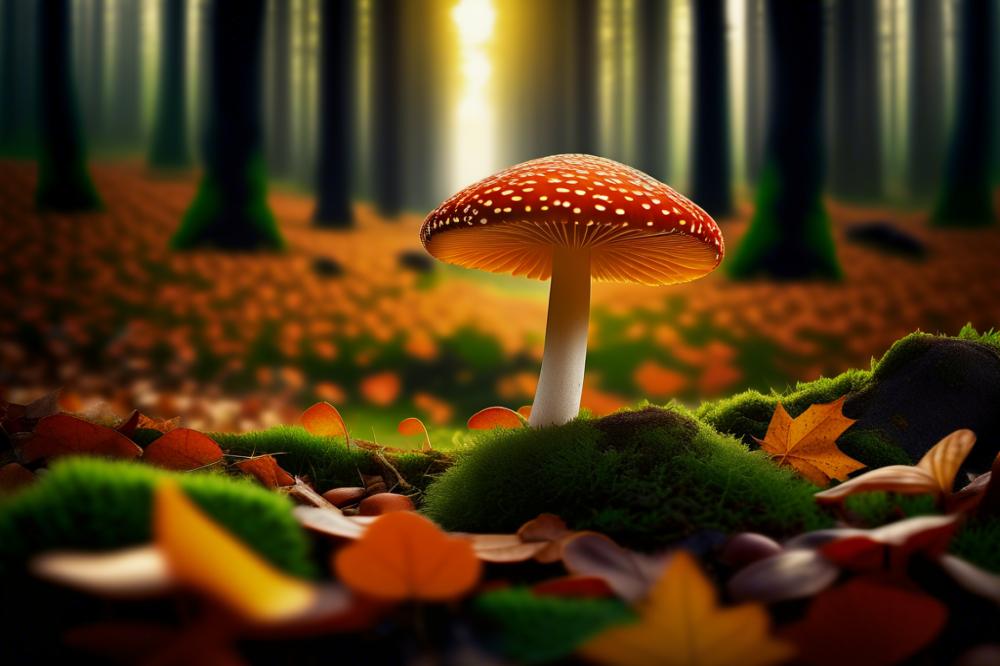
Recognizing edible mushrooms requires an understanding of their key characteristics. Each type has specific traits such as color, size, and shape. Look closely at the cap’s texture and the gills underneath. Some mushrooms have a smooth surface, while others are scaly. Additionally, pay attention to the stem’s look and feel. Is it sturdy or fragile? Does it have any distinctive markings? These details can make a significant difference.
Be cautious, though. Many mushrooms may appear safe but are actually poisonous. Common toxic varieties include the Amanita phalloides, also known as the death cap, which can be deadly. Another one to watch out for is the destroying angel, which has a striking white appearance. Identifying these harmful species is essential for anyone interested in mushroom hunting. Familiarize yourself with their features to avoid accidental ingestion.
Resources for Beginners in Mycology
Foraging can be an exciting hobby, but it comes with responsibilities. A solid foundation in mycology is vital. Books that detail mushroom characteristics are excellent tools. Field guides specifically for Italian regions often offer localized information, which can be immensely helpful. Additionally, joining local foraging clubs can provide invaluable hands-on experience.
Use of Guides and Apps for Accurate Identification
Modern technology offers various apps designed for mushroom identification. Many of these applications allow users to take a picture and receive instant feedback on the species they’ve found. While these tools are beneficial, they should not replace the expertise developed through practice and study. Combining traditional guides with digital tools can enhance your mushroom experience. Seasonal mushrooms can vary greatly, so it’s crucial to use multiple resources for the best results.
Recognizing wild fungi can open up new avenues for Italian cuisine. Collecting and cooking mushrooms can lead to flavorful dishes. Always prioritize safety and accurate identification when foraging. The thrill of finding edible mushrooms adds excitement to any outdoor adventure.
Mushroom Hunting
Best practices for mushroom hunting
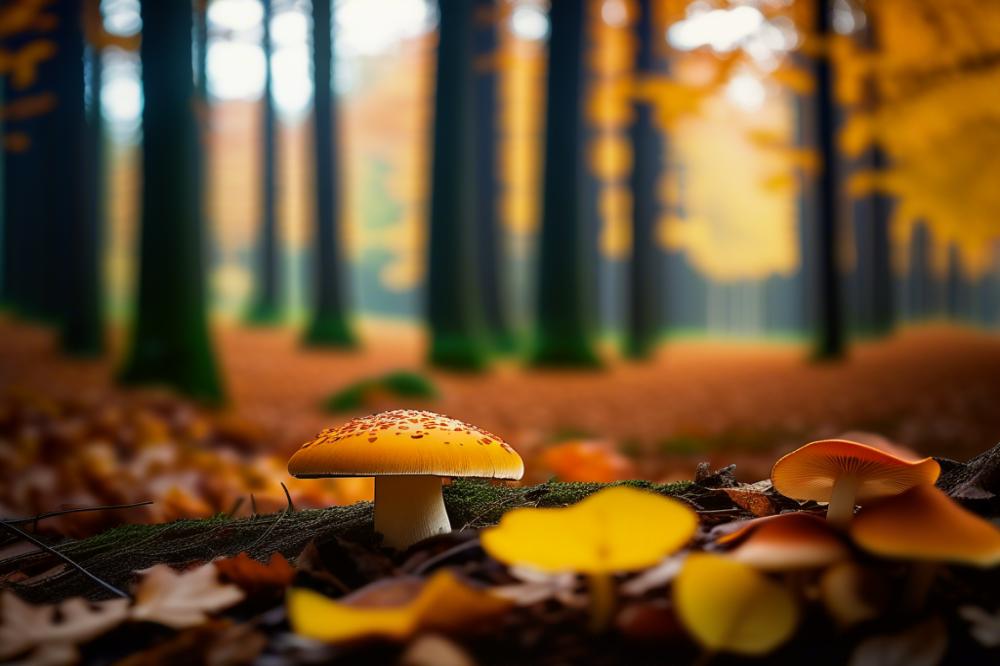
When mushroom hunting, preparation is key. Always carry a reliable guidebook for mushroom identification. This resource will help you recognize different species, especially edible mushrooms. Dress appropriately for the terrain and weather. Comfortable shoes make a difference. It helps to bring a basket or mesh bag to collect your finds. Avoid plastic bags; they can trap moisture, leading to spoilage. Respect nature by only taking what you need. Never over-harvest; leave some mushrooms to grow for future foragers.
Legal considerations and regulations
Each region in Italy has specific rules regarding mushroom hunting. Regulations may vary depending on the area and season. Many regions require permits for foraging. It’s vital to check local laws before your trip. Understand the guidelines about which fungi you can collect. Some areas have limitations on quantities. Ignoring these rules can lead to fines. Always follow ethical foraging practices. Protect the environment and local mushroom habitats.
Popular hunting regions in Italy
Italy offers a diversity of mushroom hunting regions. The Apennines are famous for their seasonal mushrooms. Many enthusiasts flock to the hills in Tuscany. These areas are known for porcini and truffles. The forests of Umbria also attract foragers. They often yield a variety of wild fungi. The northern regions, like Trentino-Alto Adige, boast rich biodiversity. Many mushroom hunters explore these alpine areas. Consider regional festivals celebrating local foraging and cuisine. Such events often provide valuable insights.
Connecting with local foraging communities
Engaging with local foraging communities can enhance your experience. Many towns host mushroom foraging groups. These groups often provide guided hunts and educational workshops on mycology. Forums and social media are also excellent places to seek advice. Reaching out to experienced foragers can reveal hidden gems. They can teach you specific tips about safely identifying and cooking mushrooms. Local festivals might offer opportunities to meet others who share your interest. Sharing recipes for delicious dishes brings people together. It can also help you learn more about Italian cuisine.
Foraging Tips
Tips for safe and responsible foraging
Before venturing into the woods, familiarize yourself with mushroom identification. Knowing which fungi are safe to eat is crucial. Joining local foraging groups or taking a mycology class can help build your skills. It’s important to respect nature and avoid over-harvesting. Taking only what you need ensures that ecosystems remain healthy. Always trust your gut; if you’re uncertain about a mushroom, leave it be.
How to sustainably harvest wild fungi
Sustainable practices make a difference in foraging. When harvesting, use a knife to cut the mushroom at the base. This method minimizes damage to the surrounding mycelium. Leave some mushrooms behind to allow future growth. Also, avoid picking mushrooms from polluted areas. This helps maintain the area’s natural balance and biodiversity.
Essential tools for mushroom hunters
Equipping yourself with the right tools enhances your foraging experience. A basket or mesh bag is perfect for collecting edible mushrooms. Carrying a small knife is also recommended for proper harvesting. A field guide on Italian mushrooms can assist in correct identification. A brush to remove dirt is handy since clean mushrooms taste better in recipes. Some foragers prefer a small notebook to jot down findings and notes for future trips.
Best times and conditions for foraging
Seasonal mushrooms thrive in different conditions. Late summer to early fall is typically the best time for mushroom hunting in Italy. Rainy periods followed by sunny days encourage growth. Look for them in moist, shaded areas like forests or under trees. Temperature and humidity significantly affect mushroom development. Early mornings are ideal since mushrooms are easier to spot then. Pay attention to local climate patterns to find the best spots and times for foraging.
Culinary Uses
Mushrooms play a significant role in Italian cuisine. Their earthy flavors add depth to many dishes. Cooked, they can transform a simple meal into something extraordinary. Recipes often include sautéed mushrooms, providing a rich component for pasta or risotto.
Mushroom Recipes Featuring Italian Cuisine
Classic dishes highlight the beauty of edible mushrooms. Think of creamy risotto with porcini, a staple in Northern Italy. The grains soak up the flavors, creating a warm, comforting dish. In Southern regions, wild fungi might be tossed with spaghetti, often accompanied by garlic, herbs, and olive oil. Each recipe embraces the local terroir, making use of seasonal mushrooms to showcase what nature has to offer.
Traditional Dishes That Incorporate Wild Mushrooms
Many families in Italy pass down recipes that utilize mushroom hunting yields. A traditional polenta topped with sautéed mushrooms is a favorite in many households. Foraging tips can help gather only the best and most edible mushrooms. Specialty dishes vary by region, such as mushroom-filled ravioli in Emilia-Romagna. Each bite tells a story of heritage and connection to the land.
Preserving Wild Mushrooms for Future Use
Preserving mushrooms extends their culinary possibilities. Drying mushrooms for storage is popular; it intensifies their flavors. Jars of pickled mushrooms can also bring a taste of the forest to winter meals. Fellow foragers often share techniques learned from previous generations to make the most of their harvest.
Pairing Wild Mushrooms with Regional Wines
When dining on mushroom dishes, pairing with the right wine enhances the experience. Bold, full-bodied reds often complement the richness of sautéed varieties well. In contrast, whites work beautifully with lighter pasta dishes infused with wild fungi. Each glass of wine can elevate the meal, making each gathering special.
Final Thoughts on Foraging in Italy
Italy’s rich landscape is home to an extraordinary variety of mushrooms. These fungi play a vital role in Italian cuisine, adding depth and flavor to countless traditional dishes. For the forager, each excursion into the woods can lead to new discoveries. The thrill of mushroom identification adds an element of adventure to the process. Connecting with nature while searching for these treasures can bring a sense of peace.
Exploring foraging as a hobby can be incredibly rewarding. It encourages people to step outside and appreciate the beauty that surrounds them. With proper knowledge, harvesting mushrooms becomes both a fun pastime and a way to enjoy the great outdoors. Joining community groups or workshops can also enhance your skills while providing insights from experienced foragers.
A deep connection exists between nature and Italy’s culinary heritage. Many recipes highlight seasonal ingredients that showcase local flavors. Wild fungi are often featured in regional dishes, from risottos to sauces. This bond reminds us of the importance of respecting and preserving our natural resources. By embracing foraging, individuals not only build a relationship with the land but also contribute to a sustainable lifestyle.

