

Introduction
Italy’s Italy-s-isolated-mountain-villages”>coastal dunes represent vital ecosystems that serve multiple roles in the environment. These sandy formations act as natural barriers against strong winds and waves, protecting the land from erosion. They also function as important habitats for various forms of life. biodiversity within these areas is crucial. A rich variety of species contributes to the overall health and balance of ecosystems.
Native plants thrive in this landscape, adapting to harsh conditions such as salty air and shifting sands. These plants provide food and shelter for numerous animals. In turn, the presence of animal habitats on these dunes supports the broader ecological network. Each species plays a role in maintaining this delicate balance.
Environmental challenges threaten the integrity of coastal areas. Pollution and development can disrupt the natural processes that sustain local flora and fauna. Effective coastal management strategies are therefore essential. They promote conservation and help safeguard these unique habitats for future generations. Understanding adaptations in this ecosystem also highlights the resilience of life in the face of adversity. Observing how species adjust to their surroundings can inspire conservation efforts. By studying Italy’s coastal dunes, we gain valuable insights into nature’s complexity and interconnectedness.
Coastal Dunes: A Unique Ecosystem

Coastal dunes form an intriguing ecosystem along Italy’s shoreline. These formations consist mostly of sand, shaped by the action of wind and waves. A mixture of soil, marine debris, and vegetation contributes to their structure. Grasses and hardy plants thrive in this environment, showcasing remarkable adaptation. Plants like sea oats and beach grasses stabilize the sand, forming a protective layer that supports various life forms. In this way, they create a distinct habitat that benefits both flora and fauna.
These landforms play a vital role in the larger Italian ecosystem. They harbor a wealth of biodiversity, fostering unique species that may not survive elsewhere. Many native plants flourish on the shifting sands, developing methods to withstand extreme conditions such as salty air and shifting soil. This variety supports many animal habitats, attracting insects, birds, and small mammals. The dunes act as a sanctuary for species that seek refuge from urban development and habitat destruction.
Sand dunes also contribute significantly to protecting coastal areas from erosion. As strong winds and waves strike the shore, these formations act as a barrier. They absorb energy, preventing damage to inland structures and ecosystems. Effective coastal management relies on preserving these natural defenses. Conservation efforts often focus on maintaining the health of these areas, ensuring they continue to provide environmental protection. Without such measures, the challenges of climate change could threaten both these dunes and the life they support.
Flora of Italy’s Coastal Dunes

Italy’s coastal dunes host a rich variety of native plants that thrive in sandy and saline environments. Species such as sea oats and beach grass are common. Their roots spread wide, binding the soil together and helping to prevent erosion. Salt marshes, often found nearby, also contain unique plant life.
Adaptations are crucial for these plants. Many have developed waxy leaves to reduce water loss. Some can tolerate salty conditions, absorbing necessary nutrients while filtering out excess salt. Others have deep root systems that anchor them firmly in the shifting sands. These traits allow them to survive in harsh conditions and provide stability to their environment.
Diverse plant life plays a vital role in maintaining the ecological balance of the dune ecosystem. Healthy vegetation supports animal habitats, providing food and shelter for various species. In addition, plants help to filter water and stabilize the dunes. This, in turn, supports other life forms and promotes overall biodiversity. The survival of these fragile ecosystems relies on proper coastal management and conservation efforts.
Environmental challenges threaten this delicate balance. Pollution, climate change, and urban development can disrupt these systems. Protecting native plants is essential for the future of Italy’s coastal landscapes. They not only enhance the beauty of our beaches but also act as crucial components in the fight against erosion and habitat loss. Each species contributes to the health of the ecosystem, creating a network of life that is both intricate and essential.
Fauna of Italy’s Coastal Dunes

Animal habitats within Italy’s sand dunes are rich and diverse. These areas support a variety of species, including invertebrates, birds, and mammals. Various niches exist here, providing shelter and food for countless organisms. The dry sand, salty air, and occasional pools of water create a challenging environment for wildlife. Yet, these dunes serve as vital habitats that foster significant biodiversity.
Invertebrates play an essential role in this ecosystem. Many have developed specific adaptations to survive in harsh conditions. For example, certain beetles burrow into the sand during the heat of the day to maintain moisture. Other species, like sandhoppers, have salt-excreting glands that help them thrive in salty environments. These small creatures contribute to nutrient cycling and soil aeration, making them crucial for ecosystem health.
Birds and Mammals
Birds also find refuge in these unique habitats. Shorebirds, such as the little tern, nest in the sandy areas, relying on camouflage to protect their eggs from predators. Their migratory patterns often lead them to these dunes during specific seasons. This constant movement helps maintain genetic diversity among populations.
Mammals, such as rabbits and foxes, inhabit the fringes of these habitats. Adaptations in these animals allow them to handle temperature extremes and find food in this sparse environment. Their roles as both predators and prey contribute to the balance of the dune ecosystem. Furthermore, they help control invertebrate populations, showcasing the interconnectedness of species within these natural areas.
Importance of Biodiversity
The importance of species diversity cannot be overstated. A rich variety of flora and fauna contributes to ecosystem resilience. Healthy dune systems are better equipped to withstand environmental challenges, such as climate change and habitat loss. This biodiversity supports food webs and maintains ecological balance. Conservation efforts aimed at protecting these areas can positively impact the entire community of organisms.
It is crucial to manage these habitats wisely. Coastal management practices can help mitigate human impact. Creating protected areas can safeguard native plants and the animals that depend on them. Engaging local communities in conservation initiatives fosters a shared sense of responsibility. Long-term success relies on a collective effort to protect these essential ecosystems.
Environmental Challenges Facing Coastal Dunes
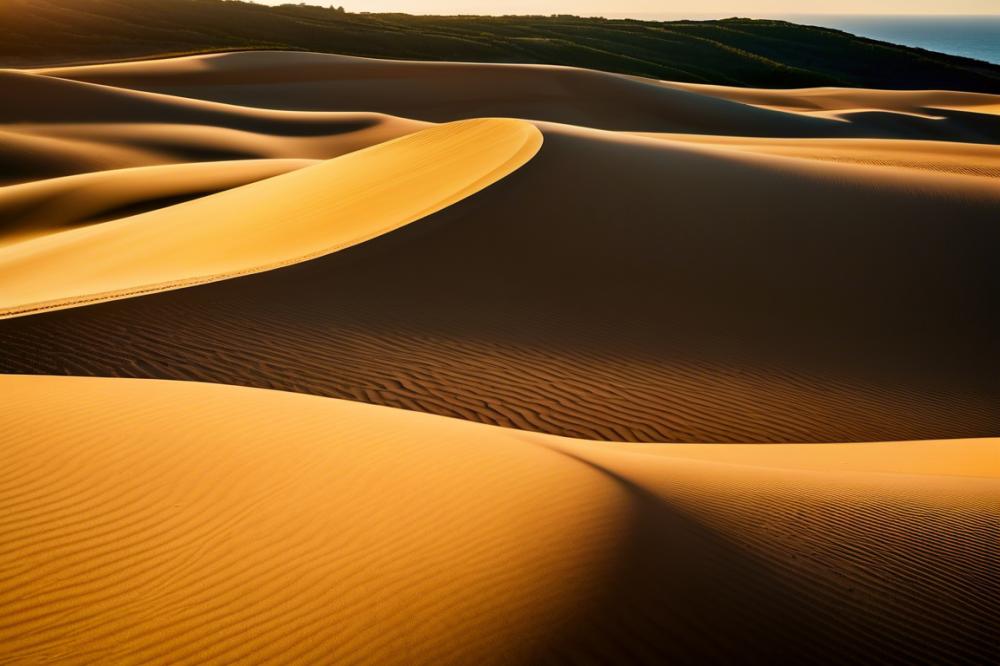
Coastal dunes, vital for biodiversity, face numerous environmental challenges. Climate change has emerged as a significant threat. Rising sea levels can lead to erosion and loss of these precious habitats. Furthermore, human activities such as urban development and tourism put immense pressure on these fragile ecosystems. Disruption from construction can destroy the natural landscape, leaving little room for native plants and animals to thrive.
Pollution is another major problem. Chemicals, plastics, and waste negatively impact soil and water quality. As a result, the health of entire ecosystems suffers. Local plants and animal habitats often become compromised. Invasive species also pose a critical threat. These non-native organisms can outcompete indigenous flora and fauna, leading to a decline in biodiversity.
On the other hand, conservation efforts play a crucial role in protecting sand dunes. By fostering awareness of these issues, communities can actively participate in preserving their environments. Coastal management strategies can help restore damaged areas. Initiatives may include planting native vegetation and controlling invasive species. These actions promote adaptation among existing wildlife and improve their chances of survival.
Protecting these natural areas not only benefits wildlife but also enhances the beauty of Italy’s coastline. Engaging local stakeholders in the preservation process is essential. It encourages a shared responsibility toward the well-being of these ecosystems. If we prioritize conservation, we can create a sustainable future for the unique biodiversity that thrives in coastal environments.
Conservation and Coastal Management Strategies
Current Conservation Programs Aimed at Protecting Italy’s Coastal Dunes
Italy is home to numerous conservation programs that focus on protecting its coastal ecosystems. These initiatives target areas with vulnerable sand dunes and promote the restoration of native plants. By emphasizing the importance of biodiversity, they help maintain balance within these delicate habitats. Partnerships with environmental agencies and government bodies support these efforts. Monitoring programs evaluate the health of flora and fauna in these regions. Data collected aids in assessing the impacts of environmental changes.
Role of Local Communities and Organizations in Restoration Efforts
Local communities play a vital role in the conservation of sand dunes. Many residents are actively involved in restoration projects, often motivated by a deep connection to the land. Environmental organizations often collaborate with these communities to conduct educational workshops. These sessions aim to inform participants about the importance of protecting local wildlife and habitats. Volunteers often engage in activities such as planting native species and removing invasive plants. Their efforts have led to improved conditions for various animal habitats. Winning the support of locals helps foster a sense of stewardship over the environment.
Strategies for Sustainable Coastal Management to Balance Development and Conservation
Balancing development and conservation is crucial for Italy’s coastal areas. Implementing sustainable coastal management strategies can help achieve this goal. Developers and planners must consider the implications of new projects on local ecosystems. Zoning regulations can limit construction in sensitive areas. Promoting ecotourism provides economic alternatives that preserve natural resources. Maintaining the integrity of the ecosystem should be a priority for all stakeholders. Regular assessments of environmental challenges guide decision-makers in their planning processes. Long-term strategies must support both the economy and the environment to truly succeed.
Preserving the Beauty and Health of Coastal Ecosystems
Italy’s coastal dunes play a vital role in the country’s natural landscape. These fragile ecosystems are home to a variety of plants and animals that have adapted to survive in harsh conditions. The rich biodiversity found in these areas contributes immensely to overall ecosystem health. Each species, from hardy grasses to vibrant flowers, plays a part in maintaining balance within the environment.
Attention must be directed towards conservation initiatives. Protecting these unique habitats is crucial for the future of Italy’s wildlife. Communities and individuals can contribute by participating in cleanup efforts along beaches or supporting local conservation organizations. Awareness programs also play an important part in educating the public about the significance of these areas.
Preserving Italy’s coastal dunes is essential for sustaining their natural beauty. A healthy coastal environment benefits not just wildlife, but humans as well. Each effort, no matter how small, adds up to create a larger impact. By working together, we can secure the future of these ecosystems for generations to come. It’s time to embrace our responsibility towards nature.

