

Exploring the Essence of Italy’s Historical Gardens
Italy boasts a rich tradition of gardens that merge art, nature, and history. These spaces are not just beautiful landscapes; they are living museums filled with stories from the past. Each garden tells a tale of landscape architecture, reflecting various styles through the ages. Visitors embrace a chance to connect with both culture and the environment. Such gardens often showcase intricate designs that invite exploration and discovery.
Delving into the wildlife that inhabits these gardens presents an opportunity for everyone to appreciate biodiversity. Many species of flora and fauna thrive in these historic spaces. Observing wildlife like butterflies, birds, and even small mammals adds excitement to any visit. Birdwatching can reveal hidden treasures among the trees and shrubs. There’s a calming joy in sitting quietly to notice these creatures going about their lives.
Sustainability has become a focal point for garden design in recent years. Eco-tourism encourages visitors to respect and protect these natural habitats. By understanding how human impact affects the environment, we can foster nature conservation. Exploring these gardens helps underscore the importance of preserving unique ecosystems. They serve as green lungs, promoting healthier urban environments while supporting wildlife.
As you walk along winding paths and admire diverse plant species, consider the interconnectedness of life within these gardens. Through careful planning and sustainable practices, modern gardeners strive to enhance existing beauty while encouraging a flourishing habitat. Each visit provides not only a sensory experience but also a deeper appreciation for nature’s balance. In this way, Italy’s historical gardens offer a haven for both historians and nature lovers alike.
The Essence of Italian gardens

Italian gardens are remarkable for their intricate designs and structured layouts. Most of these historical gardens reflect a deep connection to nature and culture. Typically, you will find geometric shapes, carefully trimmed hedges, and well-placed fountains. Statues and other artistic elements often adorn these spaces, merging art with nature.
Integrating flora and fauna is a key part of the garden design. Diverse plant species create rich biodiversity throughout the landscape. You may encounter vibrant flowers, tall trees, and aromatic herbs thriving in these settings. Many gardens also provide habitats for various wild animals. Birds, in particular, are drawn to these manicured spaces, making it a great spot for birdwatching enthusiasts.
Landscape architecture plays a vital role in how these gardens function as ecosystems. Designers consider the needs of both plants and animals when crafting these environments. Sustainable practices are often employed, ensuring that the garden can thrive without harming local wildlife. Nature conservation is a priority, allowing these spaces to serve as peaceful retreats for visitors and a home for many creatures.
Historical gardens tell stories of the past while promoting eco-tourism. They invite people to explore and appreciate the beauty of nature. On a leisurely stroll, individuals may notice small insects buzzing about or hear the rustling of leaves as animals move through the underbrush. Engaging with such an environment enriches a visitor’s experience, revealing the interconnectedness of all living things.
Biodiversity in Historical Gardens
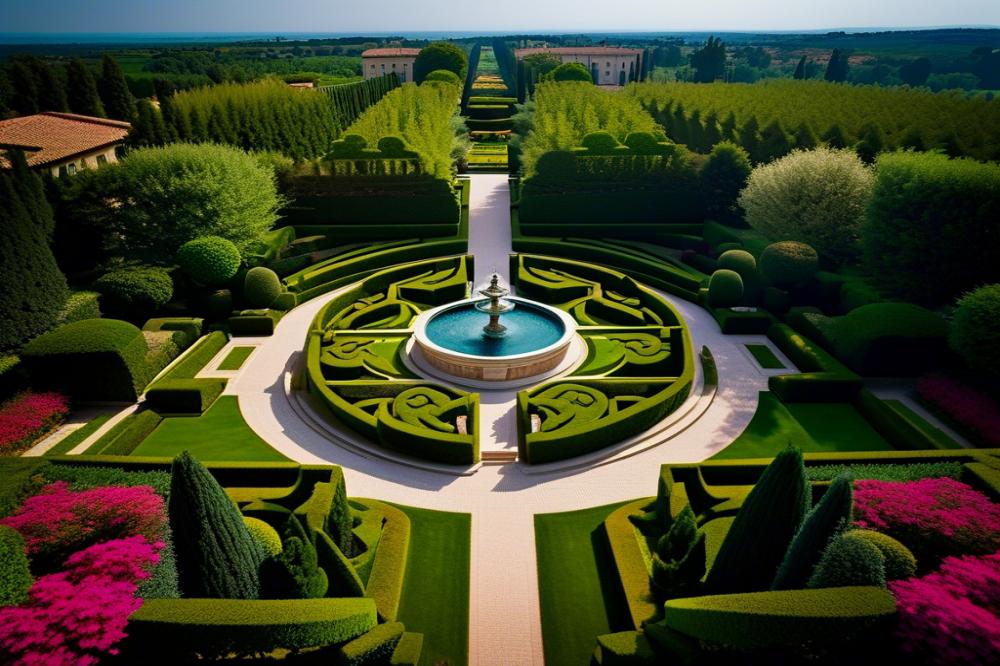
Italy’s historical gardens are not just places of beauty; they are thriving ecosystems. Rich biodiversity flourishes in these green spaces. Various types of flora can be found, creating a tapestry of life that captivates the senses. Native plants often dominate, alongside ornamental species that enhance the gardens’ charm. Think of fragrant lavender, vibrant geraniums, and majestic cypress trees. These plants play a crucial role in supporting the local wildlife.
Fauna also finds a home in these gardens. Birds flit among the branches, enchanting visitors with their songs. Common species include robins, sparrows, and even the striking European bee-eater. Birdwatching becomes an inviting activity, especially for those keen on observing their behaviors. Insects, too, thrive in the diverse environments. Butterflies and bees contribute to pollination, helping flowers to reproduce.
Mammals can sometimes be spotted, despite their elusive nature. Squirrels and hedgehogs wander through the underbrush, seeking food and shelter. Reptiles add another layer to the ecosystem. Lizards bask on warm stones while snakes slither discreetly in the grass. Each species plays a part in maintaining ecological balance within these historical gardens.
Understanding biodiversity is vital for nature conservation. Protection of these habitats ensures future generations can enjoy the same wonders. Eco-tourism encourages visitors to appreciate these spaces responsibly. Many gardens implement sustainable practices in their design. Using native species minimizes water usage and promotes resilience against pests. Landscape architecture becomes a tool for preserving and enhancing this rich biodiversity.
Historical gardens offer not only beauty but also a chance to explore intricate ecosystems. People visiting these gardens leave with a deeper appreciation for nature. As they stroll along paths lined with blooms, they are reminded of the delicate interconnections within the environment. Engaging with both flora and fauna fosters a greater understanding of sustainability. Each visit becomes an opportunity to connect with the natural world.
Birdwatching Opportunities
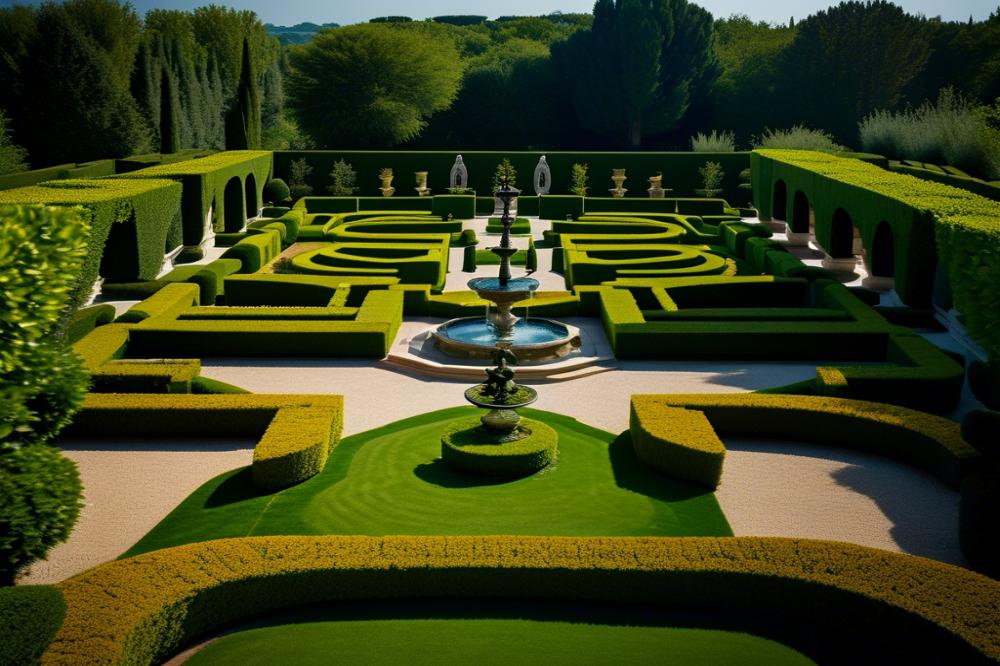
Birdwatching in the lush gardens of Italy offers a glimpse into the rich biodiversity that thrives alongside the ancient structures. Historical gardens serve as vibrant habitats for various species of birds. These serene environments, filled with diverse flora and fauna, attract both amateur and seasoned birdwatchers alike.
Among the common species spotted in these tranquil spaces are the blue tit, great spotted woodpecker, and common blackbird. Each bird presents its own unique colors and sounds, adding to the garden’s charm. Migratory birds often visit during seasonal transitions, creating dynamic birdwatching experiences throughout the year.
Finding the best locations for birdwatching can greatly enhance one’s experience. Popular spots include the famed Boboli Gardens in Florence, where winding paths lead to picturesque views. Villa Doria Pamphili in Rome offers a sprawling landscape, perfect for spotting various winged visitors. Timing is also critical; early mornings and late afternoons typically yield the highest activity levels among birds.
For those eager to embark on their birdwatching journey, keep these tips in mind. Patience is key when waiting for birds to appear. A quiet approach will often lead to more successful sightings. Binoculars are essential for close-up views of fluttering wings. Consider carrying a field guide to help identify different species. Joining eco-tourism initiatives can connect birdwatchers with local experts who share insights on sustainable practices and nature conservation.
Understanding garden design can enhance your birdwatching experience. Elements such as water features and native plants provide ideal conditions for birds to thrive. Each garden, created with thoughtful landscape architecture, tells a story, and discovering its avian inhabitants adds another layer of enjoyment.
Eco-Tourism and Nature Conservation

Eco-tourism plays an important role in Italy’s historical gardens. By promoting awareness, these gardens can attract visitors who care about the environment. This type of tourism enables people to experience the stunning biodiversity in these lush landscapes. Each garden showcases a variety of flora and fauna, supporting rich ecosystems. Visitors often come to enjoy butterfly watching, birdwatching, or simply to admire the unique plants.
Sustainable practices are being implemented in many of these sites. Garden designers are focusing on native plants that require less water and are more resilient. They aim to reduce the impact of human activity on these natural habitats. This thoughtful landscape architecture enhances beauty while protecting local wildlife. Maintaining healthy ecosystems is vital for future generations.
Many gardens now offer educational programs that highlight nature conservation. These programs help visitors understand the importance of preserving natural habitats. By learning about eco-design principles, tourists can see how their actions affect the environment. This awareness leads to responsible travel choices.
In addition to education, conservation efforts often have practical applications. Some historical gardens have established guidelines to minimize waste and promote recycling. Volunteers can assist in planting, which provides a direct way to engage with nature. A connection forms between the visitors and these living spaces, creating a deeper appreciation for biodiversity.
The fusion of eco-tourism with historical garden experiences not only benefits conservation but also enhances visitor enjoyment. Each stroll through these gardens becomes a chance to learn and reflect. Tourists leave with more than just memories; they take with them a commitment to protect such places. A harmonious balance between tourism and nature is essential for the integrity of these gardens.
Garden Design and Sustainable Practices
Garden design often plays a critical role in promoting sustainable practices. Historical gardens can show us how to integrate ecological balance. Many of these spaces were created with an understanding of the local environment. They serve not only as beautiful landscapes but also as habitats for various species of flora and fauna.
For instance, Villa D’Este in Tivoli is a renowned example. This garden incorporates water features that aid in irrigation while also attracting diverse wildlife. Birds find refuge here, making it a popular spot for birdwatching enthusiasts. Likewise, the gardens of the Boboli in Florence use native plants, which are better suited for their surroundings. This choice supports local ecosystems and promotes biodiversity.
Landscape architecture can infuse sustainability into every aspect. Using permaculture principles, gardeners design areas that mimic natural ecosystems. This approach helps maintain soil health and reduces the need for chemical fertilizers. It also encourages species diversity, making gardens lively and vibrant places.
Many historical gardens have been adapted for eco-tourism as well. Visitors come not only to admire their beauty but also to learn about nature conservation efforts. Engaging with the local history and ecology enhances the appreciation of these spaces. Such interactions promote awareness of sustainable practices that can be employed in other areas of life.
Additionally, these gardens often host educational programs. Schools and nature organizations frequently collaborate to teach the importance of maintaining ecological balance. Through workshops, people can learn how to create their own sustainable gardens. It becomes a community effort to protect local flora and fauna.
Incorporating sustainable practices in garden design yields significant benefits. These strategies can help curb the negative impact of urban development. As cities expand, historical gardens remind us of nature’s essential role. Overall, they unite the beauty of design with important ecological functions, showing that aesthetics and sustainability can coexist harmoniously.
Preserving Italy’s Historical Gardens
Reflecting on the beauty found in Italy’s historical gardens reveals their significance beyond mere aesthetics. These spaces serve as vital ecosystems that support a rich biodiversity. Wildlife from butterflies to birds relies on these gardens for survival. The intricate balance within these environments is delicate, and it is our responsibility to help maintain it.
Visitors to these gardens have an important role. Appreciating the flowers, trees, and creatures encourages a deeper connection with nature. Every step taken within these historic grounds fosters a sense of respect and understanding for the environment. Enjoying these gardens should also come with mindfulness. Engaging with these areas means leaving no trace and observing creatures from a distance.
Exploring the gardens supports the culture and heritage that intertwines with their natural beauty. Many organizations work diligently to protect these treasures, and every bit of support counts. Whether visiting a historic site, volunteering, or simply spreading awareness, every action matters. By standing together, we can aid conservation efforts aimed at preserving these unique ecosystems.
Ultimately, these gardens are more than just destinations. They are sanctuaries that invite all to experience the wonders of flora and fauna. Let’s commit to cherishing these landscapes, ensuring they thrive for generations to come. Appreciate and engage responsibly. Together, we can make a difference in the remarkable legacy of Italy’s historical gardens.

