

The Role of Italy-s-dolomites”>Olive Trees in Italy’s Ecosystem and Culture
Italy is home to a rich landscape shaped by time and tradition. Among its most iconic symbols are Olive Trees. These ancient plants not only represent agricultural heritage but also play a crucial part in the country’s Ecosystem. They create habitats for various species, thus fostering biodiversity.
In agriculture, olive cultivation is essential. This sector supports countless families and local economies. The production of olive oil is particularly significant, as it is a staple in Italian cuisine. Additionally, it connects farmers with their ancestors, preserving age-old techniques in the process.
Italian Culture is steeped in tradition, and olive trees are at the heart of many customs. Festivals celebrate the harvest and the unique flavors of olive oil, creating a sense of community. Food, family, and olive oil go hand in hand, enhancing everyday meals and special occasions alike.
Furthermore, these trees are integral to the Mediterranean identity. They thrive in regions where the sun shines brightly, offering shade and beauty to the landscape. Through sustainable practices, Italians are working to protect this valuable resource for future generations. The harmony between agriculture and nature is evident here, underscoring the role of olive trees in maintaining a balance within the ecosystem.
Ecological Significance of Olive Trees
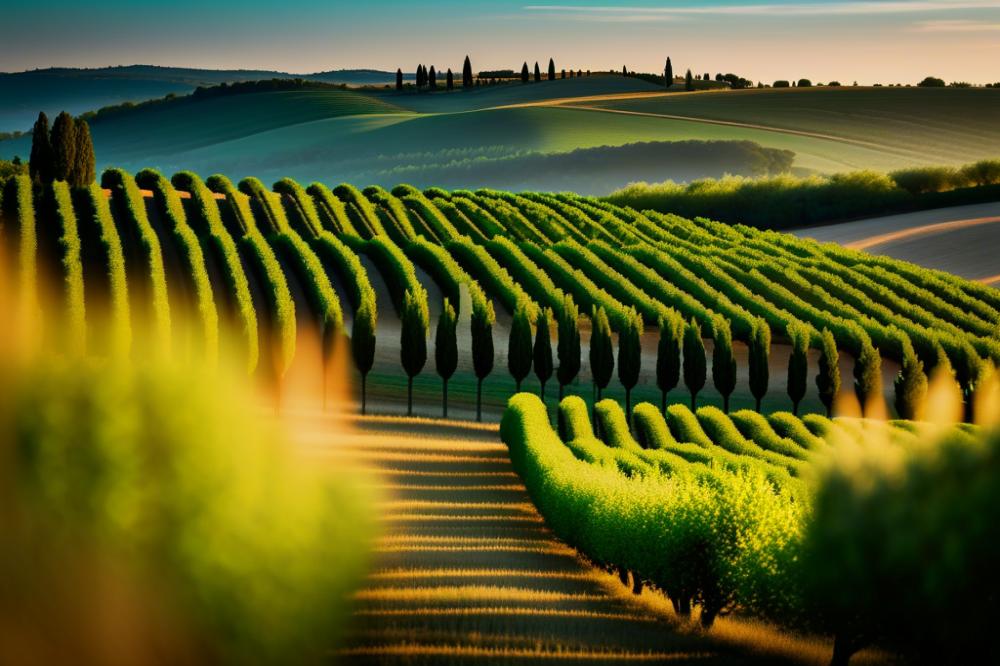
Italy is known for its stunning landscapes. Olive trees play a vital role in enhancing biodiversity. Their presence supports many plant and animal species. Various flowers bloom under their canopy, creating a rich undergrowth.
Birds find shelter in the branches, while small mammals utilize the ground cover. Insects, such as bees, thrive amid the blossoms. This variety contributes to a balanced ecosystem.
A significant function of these trees is landscape stabilization. Root systems hold soil in place, preventing erosion. This is especially important in hilly regions, where landslides can be a problem. Sustainable practices in agriculture help maintain healthy soils.
Traditionally, the cultivation of these trees reflects Italy’s cultural heritage. Farmers pass down knowledge of growing olives through generations. Understanding these techniques is essential for preserving both the environment and local customs. Olive oil serves as a symbol of this rich tradition.
In summary, the contributions of olive trees stretch beyond mere agriculture. They provide habitat, improve biodiversity, and uphold the beauty of the Mediterranean landscape. Each tree tells a story of resilience and interconnectedness in nature.
Cultural Heritage and Traditions

Historical significance in Italian culture
Throughout Italy’s long history, olive trees have held a special place in the hearts of its people. These trees are not just a staple of Mediterranean agriculture; they symbolize a connection to the land and its rich history. Documentation reveals that olive cultivation dates back thousands of years, intertwining with Roman civilization. From ancient rituals to modern practices, these trees have played a crucial role. They remind Italians of their ancestors and the knowledge passed down through generations.
Symbols of peace and prosperity
In many cultures, olive branches are synonymous with peace. This symbolism is especially prominent in Italy, where the tree represents hope and prosperity. Italians often use olive oil to bless homes and share during festive occasions. It’s not uncommon to see families gathering around tables adorned with dishes featuring this golden liquid. This includes classics such as bruschetta drizzled with oil. During times of prosperity, the olive tree stands tall, representing abundance and fertility. Its presence brings comfort in moments of hardship as well.
Olive tree rituals and festivals
Traditional festivals celebrating the olive harvest are deeply rooted in local customs. Each autumn, regions like Tuscany and Puglia host vibrant events honoring this age-old practice. Local communities come together to participate in activities like olive picking, tastings, and cooking demonstrations. Such festivals often showcase the best of local agriculture while emphasizing sustainable practices. In these celebrations, visitors can enjoy folk music, dance, and traditional foods that highlight the significance of the olive within the Mediterranean landscape. The atmosphere is filled with laughter and joy, reinforcing the deep connection between Italians and their heritage.
Olive Oil Production
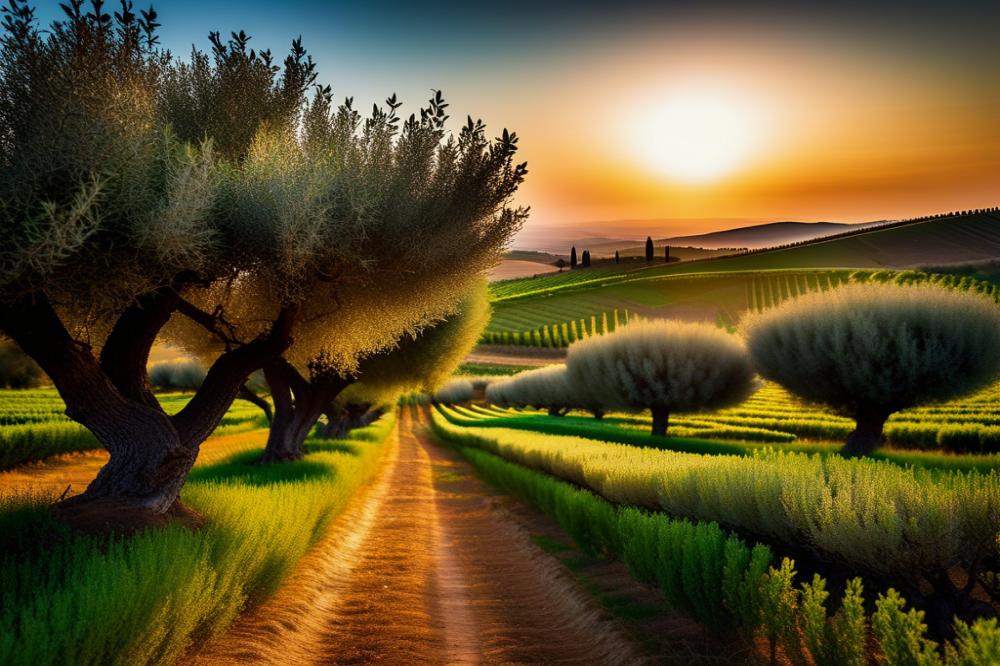
Process of Olive Oil Extraction
Extracting olive oil is a careful method that combines tradition and modern techniques. First, olives are harvested from the trees, usually between late autumn and early winter. The fruit is then cleaned and crushed. After crushing, a paste is formed. This paste is stirred to help release the oil from the fruit. Next, the mixture undergoes pressing or centrifugation. This step separates the liquid oil from the solid parts. Finally, the oil is filtered and stored, ready for bottling.
Economic Impact on Local Communities
In Italy, olive oil production plays a significant role in local economies. Many small farms rely on this industry for their livelihoods. It provides jobs in the fields and processing plants. With over 300 varieties of olives grown, the diversity contributes to attracting tourists. Places like Tuscany, Puglia, and Calabria are famous for their oil and heritage, strengthening community bonds. Local markets and festivals celebrate this tradition, offering a chance for artisans to showcase their products.
Quality and Varieties of Italian Olive Oil
Italian olive oil is known for its high quality and various flavors. The Mediterranean climate and rich soil create ideal conditions for growing olives. Extra virgin olive oil is the highest grade available, made from pure and cold-pressed olives. Different regions produce distinct tastes due to various processing methods and types of olives. Popular varieties include Frantoio, Leccino, and Coratina, each contributing a unique touch to the oil. Consumers appreciate the range of flavors, from fruity to peppery. Sustainable practices are becoming more common among producers, helping protect biodiversity and the landscape.
Sustainable Practices in Olive Farming

Organic Farming Methods
Organic farming has become increasingly popular in Italy. Farmers often use natural compost instead of chemical fertilizers. This method helps improve soil health while producing high-quality olive oil. Many grow their crops without pesticides, relying on ecological methods to combat pests. Such practices reflect a deep respect for the land and the rich agricultural heritage of the region. As a result, more consumers are seeking organic options, favoring products that benefit both the environment and their health.
Conservation of Land and Resources
Conserving land and resources is vital in the Mediterranean landscape. Farmers use techniques that preserve water and reduce erosion. Crop rotation and cover crops are common strategies that enhance soil fertility. Additionally, practices like drip irrigation help manage water usage efficiently. These approaches not only protect the natural environment but also maintain the productivity of the land for future generations.
Promotion of Biodiversity through Sustainable Techniques
Promoting biodiversity can significantly enhance agricultural sustainability. Planting various crops alongside olive trees creates a balanced ecosystem. This diversity can attract beneficial insects, which control pests naturally. Moreover, traditional farming methods often include planting native species, which support local wildlife. Such practices strengthen the connection between agriculture and nature, reflecting Italy’s unique culture and vibrant ecosystems. The commitment to sustainability also boosts local economies, ensuring that communities thrive alongside their agricultural practices.
The Role of Olive Trees in Italian Agriculture
Traditional Cultivation Methods
Italy has a rich history of olive tree farming that stretches back thousands of years. Many farmers continue to use traditional techniques passed down through generations. Hand-picking olives is a common practice, emphasizing quality over quantity. This method not only protects the fruit but also fosters a deep connection to the land. Terracing and intercropping with other plants help maintain soil health. These sustainable practices promote biodiversity, enhancing both agricultural output and ecosystem health.
Impact on Rural Development
Olive farming plays a vital role in rural communities across Italy. Families often rely on this crop for their livelihoods. The industry supports numerous jobs, from farming to processing and distribution. In regions like Tuscany and Puglia, olive oil production is central to local culture. Festivals celebrating the harvest bring communities together, showcasing traditions and promoting tourism. This connection to the landscape fosters pride among locals and helps preserve their cultural heritage.
Challenges Facing Olive Farming Today
Despite its importance, olive farming faces numerous challenges. Climate change is impacting yields, with droughts and extreme weather becoming more common. Pests and diseases threaten the health of trees, disrupting production cycles. Farmers are also competing with industrial agriculture, which can lead to lower prices. Maintaining traditional practices is increasingly difficult in this modern climate. However, many Italian farmers are adopting innovative strategies to combat these issues. By integrating sustainable practices, they hope to protect their heritage and support the environment while continuing to produce quality olive oil.
Final Thoughts on the Olive Tree’s Role in Italy
Olive trees play a vital role within Italy’s ecosystem and its rich cultural tapestry. These trees are not just sources of delicious oil; they symbolize endurance and a deep connection to the land. Through centuries, they have been woven into the fabric of daily life, art, and traditions. Their cultivation has shaped entire landscapes, creating beautiful patterns that define rural areas. The presence of these trees supports biodiversity, providing habitat for various species and protecting soil from erosion.
Looking ahead, one cannot ignore the challenges that threaten this iconic tree. Climate change, pests, and shifting agricultural practices are concerns that must be addressed. We need to reflect on how modern pressures could impact both the landscape and the cultural practices associated with olive cultivation. A commitment to integrating sustainable farming methods is essential. Farmers, researchers, and communities must come together to develop strategies that protect these trees. This cooperation is crucial for ensuring that future generations can enjoy the benefits they provide.
Everyone can play a part in this mission. Supporting local producers, choosing sustainable products, and raising awareness about the importance of preserving such resources are all ways individuals can make a difference. Community initiatives can also help foster a shared appreciation for the cultural heritage linked to these trees. By valuing and protecting the olive groves, we can safeguard not only a cherished aspect of Italy’s rural landscape but also the way of life that has thrived alongside them for centuries.

