
Overview
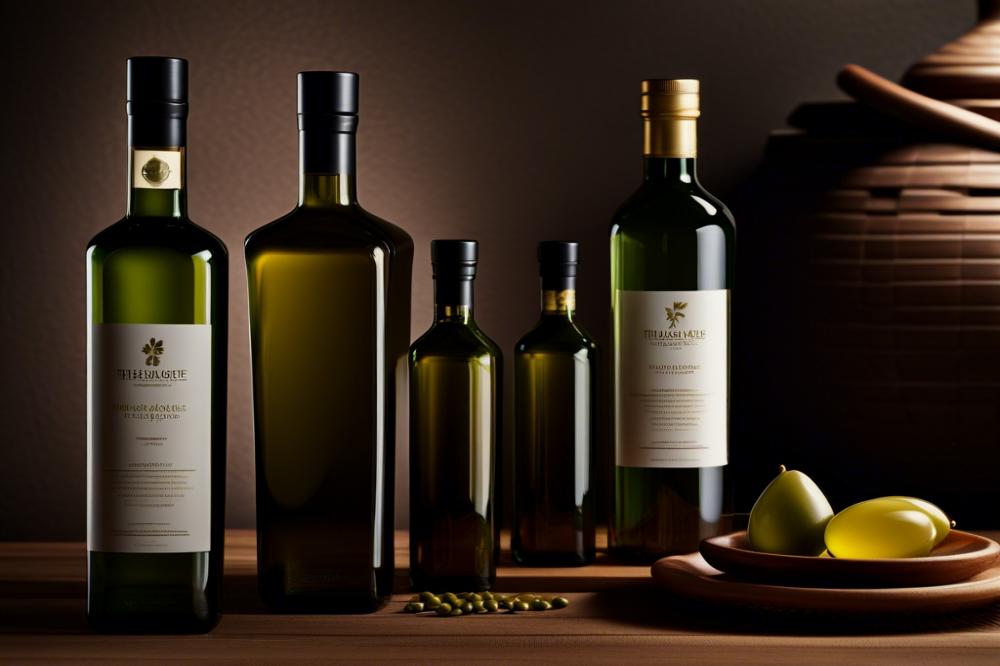
Italian olive oil is renowned around the globe for its rich flavor and diverse varieties. It stands out not just for its taste, but also for its intricate production methods that reflect the unique traditions of various regions in Italy. The best extra virgin olive oils showcase a remarkable harmony between aroma and flavor profile, inviting both chefs and home cooks to enhance their dishes.
Quality and authenticity in olive oil selection are crucial. Consumers increasingly seek products that meet high standards. Misleading labels can confuse even the most seasoned oil enthusiasts. Understanding quality grades is essential. Higher-grade oils usually ensure a fresher taste, more health benefits, and greater culinary versatility.
What sets top-tier olive oils apart? tasting notes provide insight into the flavor journeys that each bottle may offer. Each region in Italy, from Tuscany to Puglia, contributes distinct characteristics influenced by climate and harvest methods. Discovering the nuances of different olive oil varieties can elevate any dish, whether it’s a simple salad or a hearty pasta. Additionally, the health benefits associated with high-quality oils make them not just a culinary delight but also a smart choice for wellbeing.
Understanding Italian olive oil
extra virgin olive oil is the highest quality and most flavorful grade of oil. It comes from the first cold pressing of olives. To qualify as extra virgin, oil must meet specific criteria. Free acidity must be less than 0.8%. This means the quality of the fruit and the production methods used are critical.
Italy has rigorous oil grades and quality standards. There are several categories, including virgin, refined, and extra virgin. The latter is the gold standard. Consumers can trust extra virgin to offer the best aroma and flavor profile. Knowing these distinctions helps shoppers make informed choices.
Production methods play a vital role in the character of olive oil. Different techniques yield various tasting notes. Many producers use cold pressing, which preserves the oil’s flavor and health benefits. Some may employ traditional stone mills, allowing for delicate extraction that enhances the oil’s complexity. Others might use modern machinery, ensuring efficiency and maximum yield.
Key Italian Regions Famous for Olive Oil
Italy is home to several regions known for their exceptional olive oil varieties. Tuscany is renowned for its rich and robust oils, often with hints of pepper. Puglia, the heel of the country, produces large quantities of oil with a fruity flavor. Liguria’s oils are gentler, often carrying a delicate aroma and an almost sweet taste. Each region brings something special to the table.
In addition, a region’s climate and soil contribute to the oil’s distinct characteristics. Producers often blend different olives to create unique flavor profiles. Over the years, families have dedicated generations to perfecting their techniques and preserving their traditions. Exploring these regions opens a world of diverse oils just waiting to be tasted.
The Distinctive Features of Italian Olive Oils
Varieties of Olives Used in Production
Producers cultivate a wide range of olive varieties throughout Italy. Each type of olive offers distinct characteristics that influence the final product. For instance, the Frantoio olive is known for its rich, fruity flavor. On the other hand, the Leccino variety adds a milder, more delicate taste profile. Some regions even grow specific olives, such as the Coratina in Puglia, prized for its robust and peppery notes. Understanding these varieties can enhance your experience when selecting an oil.
Flavor Profiles and Aroma Characteristics
Aroma plays a key role in defining the quality of olive oil. When you first open a bottle, you might notice hints of grass, herbs, or even artichokes. These scents are just the beginning. Flavor profiles can range from fruity and sweet to pungent and bitter. High-quality oils often present a balance between these contrasting flavors. For many enthusiasts, the aroma and taste can transport them to the sun-soaked groves of Italy.
Common Tasting Notes Found in Different Oils
Tasting notes vary widely among different oils. Some popular characteristics include hints of almond, tomato leaf, and even green apple. These flavors often indicate an oil’s complexity. The best extra virgin oils frequently exhibit a harmonious blend of these elements. Notably, you’ll find lighter oils may have softer notes, while stronger ones punch through with bold flavors.
Unique Traits of Oils From Different Regions
Italy is famous for its diverse regions, each producing oils with special traits. For example, Tuscan oils are known for their grassy flavors and slight bitterness. In contrast, oils from Liguria present a smoother, less intense flavor profile. Sicilia boasts oils with sweet undertones and fruity notes, offering something for every palate. By exploring these regional differences, you can discover the distinctive qualities that appeal most to your taste preferences.
Health Benefits of Italian Olive Oil
Olive oils, especially those labeled as extra virgin, offer numerous health benefits. They are rich in key nutritional components such as monounsaturated fats, antioxidants, and vitamins. These elements contribute to overall wellness in powerful ways. Heart health is particularly enhanced through a diet rich in this oil. Scientific research consistently highlights a lower risk of heart disease correlated with high olive oil consumption.
In comparison to other types of oils, Italian varieties stand out. Other oils may lack the same levels of healthy fats and antioxidants. For instance, canola or corn oil does not provide the same protective compounds that an extra virgin option does. This makes a significant difference when selecting an oil for cooking or dressing salads. Making wise choices in oils can positively impact one’s health.
Nutritional Components
Consider the flavor profile of various olive oil varieties. Aromas range from fruity to peppery, which indicates the freshness and quality. Many experts advise looking for oils that have been pressed recently. The more robust the flavor notes, often the higher the health benefits. Additionally, certain production methods, like cold pressing, help retain valuable nutrients.
Impact on Heart Health
Heart health gains more attention with diets high in this oil. The presence of oleic acid, a prominent fat in Italian olive oil, can help reduce bad cholesterol levels. This supports healthy arteries and promotes better circulation. Furthermore, the antioxidants present can lower inflammation in the body. Such benefits can lead to a reduced risk of serious ailments.
Choosing the Right Olive Oil
When choosing olive oil, consider the oil grades and quality standards. Premium extra virgin options usually come from specific Italian regions known for their rich agricultural history. Look for certifications that guarantee quality and authenticity. Tasting different oils allows for exploring varied flavor notes. The richness of an oil can vary widely, so sampling can help discover preferences.
How to Choose the Best Italian Olive Oil
Finding high-quality olive oil can be a delightful adventure. First, remember that extra virgin oil is your best bet. This oil must pass strict quality standards, including low acidity and excellent flavor. Check for seals from organizations that certify quality, such as DOC or DOP. These labels indicate that the oil comes from specific Italian regions and meets certain production methods.
Tips for Identifying High-Quality Olive Oil
A great way to start is by examining the bottle. Dark glass or tin containers protect the oil from light. Look for a harvest date; fresher oil has better flavor and greater health benefits. Aroma adds to the oil’s overall appeal. A high-quality olive oil should have a fresh, grassy smell. If you detect strong, unpleasant scents, that oil may not be up to par.
Reading Labels and Understanding Packaging
Not all labels provide the same information. Focus on those that mention the specific variety of olives used. Some popular oil varieties include Arbequina and Coratina. Each offers a distinct flavor profile. Understanding this can enhance your tasting experience. Ingredients should simply list olives without any added chemicals.
Recommendations for Tasting and Pairing
Become familiar with tasting notes. When sampling, take a small sip and let it coat your tongue. Note the bitterness or fruitiness. A good olive oil will often leave a peppery sensation in the throat. Pair it with fresh bread or salads to appreciate its flavor. Think about matching oils with types of food. Fruity oils go well with fish, while robust oils pair nicely with grilled meats.
Importance of Sourcing and Authenticity
Where the oil comes from matters significantly. Many premium oils originate from specific Italian regions like Tuscany or Sicily. These places produce unique oils shaped by the local climate and soil. Seek out producers who emphasize small-batch production. Using traditional methods often leads to higher quality. Always question the source; ensure it’s labeled authentically. An understanding of these factors can elevate your culinary experiences.
Final Thoughts on Choosing Quality Italian Olive Oil
Selecting a high-quality Italian olive oil can enhance your meals in remarkable ways. The depth of flavor it brings to dishes is truly impressive. From salads to pasta, this ingredient elevates the culinary experience. An exceptional olive oil matters not just for taste, but for health as well. Rich in antioxidants, extra virgin varieties offer numerous benefits, making them a wise choice for those mindful of their well-being.
Exploration is key when it comes to discovering the best options. Each region in Italy produces oils with distinct characteristics. Trying different brands allows you to appreciate their diverse tasting notes. It’s fascinating how a simple drizzle can transform a dish into something extraordinary. Don’t hesitate to experiment and find what suits your palate. In doing so, you’ll likely stumble upon a favorite that surprises you.
Moreover, olive oil plays a vital role in Mediterranean cuisine. It is a staple for countless recipes and serves as a base for dressings and marinades. A good quality product can make a simple meal feel gourmet. Remember, the experience of cooking and eating is deeply connected to the ingredients you use. Make a conscious effort to choose wisely; your taste buds, and your body, will thank you.
Ultimately, venturing into the world of Italian olive oil can be a delightful journey. Quality matters, and understanding what sets these oils apart enriches the experience. Take time to learn, taste, and enjoy the array of flavors available. You might just discover a new culinary essential.

