
Introduction
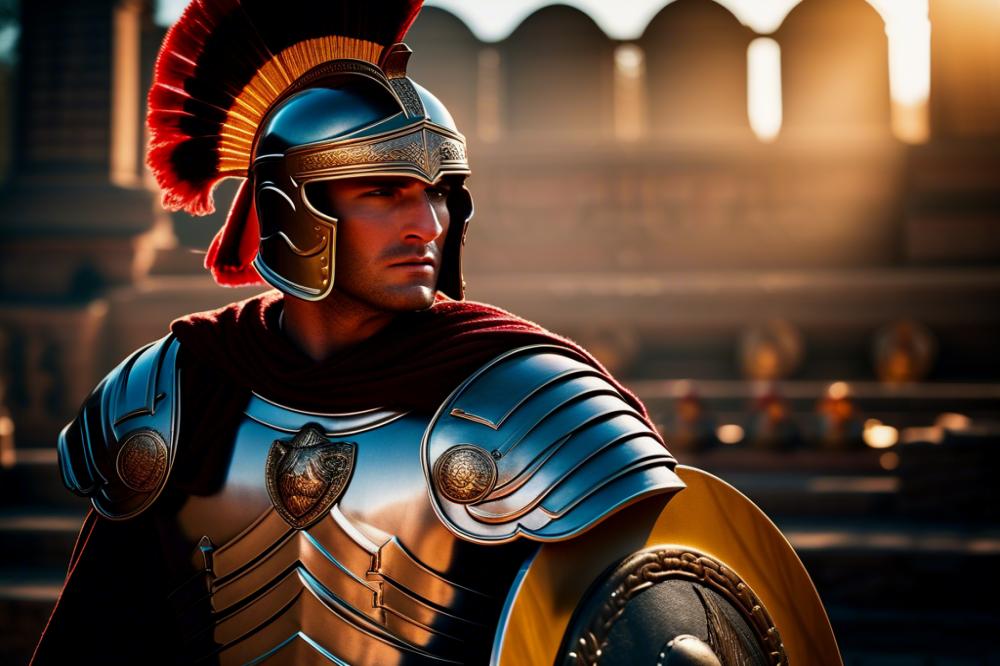
Understanding the might of the Roman Empire requires a closer look at its soldiers. These warriors, known as legionnaires, played a pivotal role in shaping the military landscape of their time. Highly disciplined, they employed advanced military tactics that set them apart from other armies. protection against enemy forces was a priority, and soldiers were well equipped for battle.
Among the arsenal of historical military equipment, weapons and armor stood out. A legionnaire’s equipment was not just functional; it was also a symbol of Roman power. The distinctive shields, particularly the large convex scutum, were crucial elements that contributed to their defense strategies. Centurions, leading these troops, relied heavily on these designs to protect their men while facing fierce adversaries.
Roman warfare was marked by its innovative approach to combat. Soldiers adapted their strategies based on the needs of each battle. Shields provided comprehensive defense against projectiles and close-quarters attacks. Their design evolved over time, reflecting the advancing understanding of both attack and defense. Effective shield designs allowed soldiers to stand strong as a unit, enhancing their overall tactical capabilities.
Armored and ready, the legionnaires advanced into battle with confidence. The importance of their equipment cannot be overstated. Every piece, especially their shields, worked together to provide unparalleled protection while allowing for effective counterattacks. As we explore the role of shields, we will uncover the intricate methods by which Roman soldiers defended themselves and contributed to the empire’s legacy.
The Role of Shields in Roman Warfare
Shields were critical in the protection of soldiers. These pieces of equipment served both as barriers against attacks and instruments for offensive maneuvers. Roman warfare relied heavily on formation and strategy. A strong shield could mean the difference between life and death on the battlefield.
Among the most famous shields was the scutum. This large, curved shield was designed for covering the entire body. It provided ample defense against arrows and heavy strikes. Legionnaires would form tight units, using their scutums to create a protective wall during combat. Such formations showcased how shields weren’t just personal shields but vital components of collective defense strategies.
Every Centurion understood the importance of maintaining military tactics. Soldiers used their shields to push against opponents and create openings for their comrades. This cohesive approach amplified their effectiveness. When legions advanced, they did so as a unit, relying on the sturdiness of their shields.
Armor protected from blows, but the shield completed the defensive ensemble. With it, soldiers could deflect attacks, allowing them to retaliate. In tight formations, shields overlapped, enhancing protection even further. Historical military equipment from other cultures lacked such innovative designs. This gave Roman soldiers a distinctive advantage.
Furthermore, a shield was not merely a tool for defense. It could bolster the morale of the troops. The sight of a unified front, with shining scutums gleaming in the sunlight, struck fear into their adversaries. This psychological element played a crucial role in battles.
In conclusion, shields were essential in the life of a soldier. They provided the defensive capabilities necessary for survival. The dedication to understanding and utilizing this equipment demonstrates the sophistication of Roman warfare. From individual defense to shaping tactics, shields were indispensable in the art of battle.
shield designs: The Scutum and Beyond
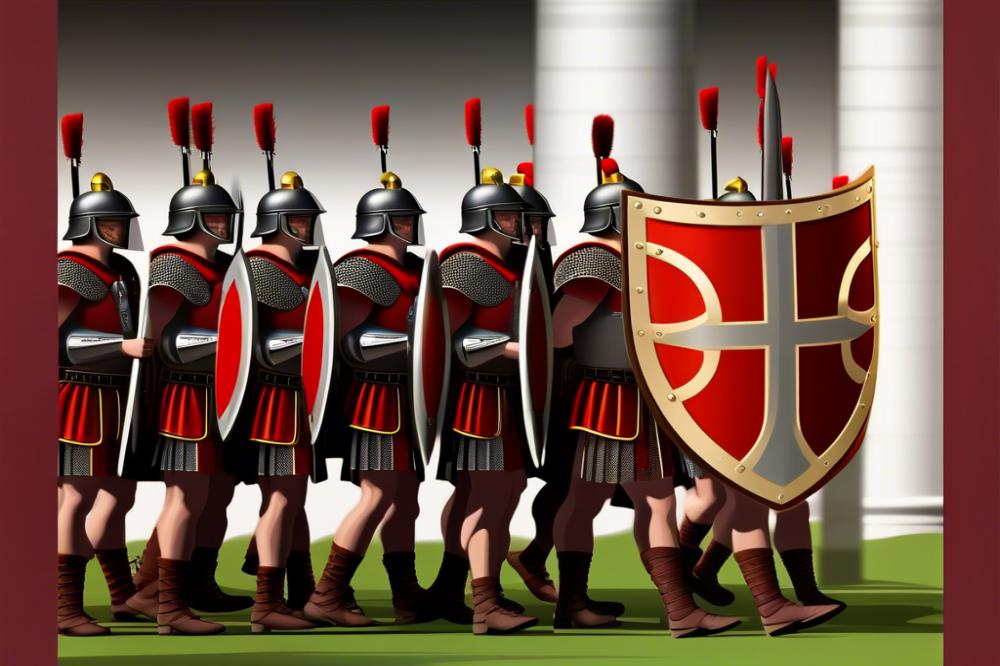
The scutum is perhaps the most recognized shield from ancient Rome. This large, curved shield provided excellent protection for its users. Made from layers of wood, metal, and leather, it was designed for both defense and offense. Its size allowed legionnaires to form a tight shield wall, essential for Roman warfare.
Comparing the scutum to other shields, differences become clear. The parma was much smaller and used by light infantry. This circular shield was lightweight, allowing for greater mobility. While it offered less coverage, it suited quick military tactics. Soldiers using the parma focused more on agility than sheer defense strategies.
Another variation, the oval shield, provided a balance between size and weight. Some units, particularly cavalry, preferred this for its maneuverability. It served as a versatile option in different combat situations. The layout of the Roman army often dictated shield choice, as various formations required diverse gear.
The materials used in shields varied widely based on availability and purpose. While the scutum often had iron or bronze boss in the center for added strength, simpler shields relied primarily on wood. Leather coverings helped deflect arrows and provide additional durability. In contrast, some shield makers incorporated animal hides for enhanced flexibility.
Centurions often carried the scutum, as it demonstrated their rank and provided substantial protection. The distinctive design not only shielded against blows but was also an effective offensive weapon. If a soldier needed to push an opponent, the rounded shape contributed significantly. Advanced shields created opportunities for strategic advantages during battles.
Throughout history, the evolution of shield designs reflects changes in military tactics. As warfare advanced, so too did materials and construction methods. New developments changed how armies fought on the battlefield. The continued adaptation ensured that Roman soldiers had the best historical military equipment available for their needs.
In essence, shield designs played a crucial role in the success of the Roman military. Each option served specific functions, highlighting the importance of strategy in combat. From the protective scutum to the agile parma, every design contributed to the legionnaires’ prowess.
Defense Strategies Utilized by Roman Soldiers
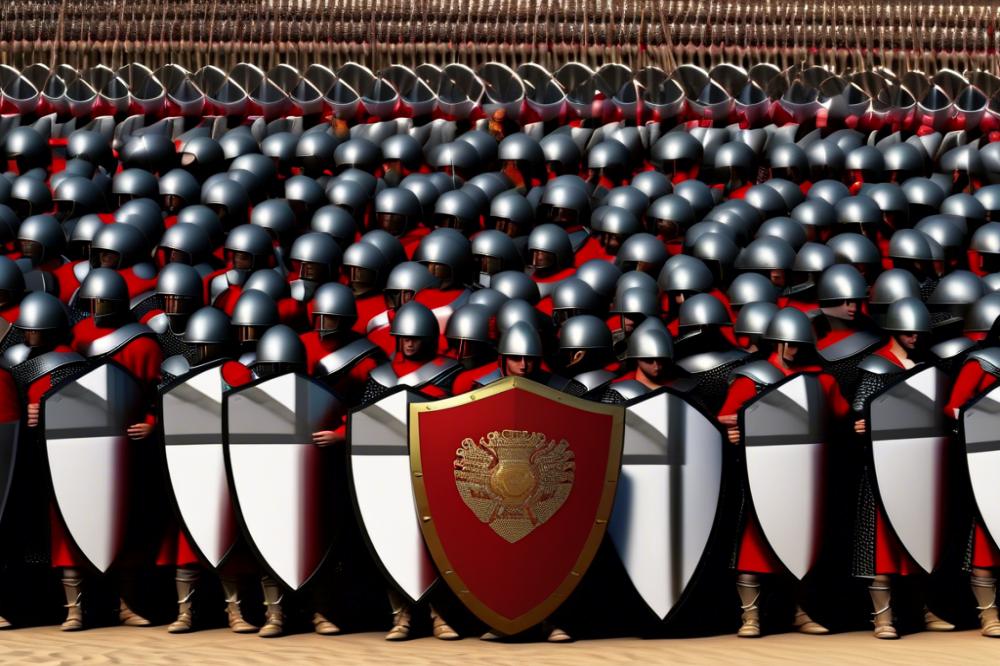
Roman soldiers relied heavily on a range of tactics that incorporated their shields into their defense strategies. The scutum, their large rectangular shield, played a crucial role in providing protection. Designed to cover a significant portion of the body, this military equipment shield allowed soldiers to form effective defensive positions. With it, they could deflect arrows, spears, and other projectiles.
One of the most famous formations was the testudo, or tortoise formation. In this setup, legionnaires stood close together and raised their shields above and around them. This created a formidable barrier against attacks, especially during sieges or when approaching fortified positions. The overlapping shields created a protective shell, making it difficult for enemies to penetrate their ranks.
Through careful coordination, the Centurion led these formations, ensuring every soldier knew their role. Efficiency in movement was vital. When under threat, legionnaires adapted quickly, shifting into the testudo when necessary. Maintaining this formation required practice and discipline, hallmarks of Roman military culture.
Roman warfare demanded versatility. Soldiers had to respond to various threats, whether from enemy archers or cavalry. The integration of shields into offensive strategies was equally important. While protecting themselves, soldiers would advance on their foes, creating pressure. The use of shields was not merely defensive; it allowed for a strong offensive presence as well.
Combat situations varied across regions and opponents. Each environment presented unique challenges. Adaptability in formations like the testudo showcased the effectiveness of their defense strategies. Such techniques were more than just reactions; they were deliberate parts of the overarching military tactics employed by the Romans.
Overall, the combination of armor and strategic shield use greatly enhanced protection for legionnaires. Historical military equipment, like the scutum, exemplifies how thoughtful design could influence battlefield outcomes. The legacy of Roman protective tactics continues to fascinate historians and enthusiasts alike.
Armor and Shields: A Combined Defense
The combination of armor and shields was crucial for protection in Roman warfare. Soldiers relied on both to enhance their defense strategies. The scutum, a large rectangular shield, became a symbol of Roman military tactics. This shield offered significant coverage, allowing legionnaires to shield themselves from arrows and other projectiles. While the scutum was large, it was not cumbersome. Roman soldiers could maneuver effectively even while holding it.
A well-fitted breastplate formed the core of individual armor, protecting vital organs. The Centurion, who commanded a group of soldiers, often wore additional armor for better defense. This extra protection enabled them to lead their troops more confidently into battle. Layering armor with shields provided a multi-faceted approach to safety. Combining the two allowed soldiers to adapt to different combat scenarios.
During engagements, soldiers frequently used their shields to deflect blows from enemy weapons. This was especially important in formations like the testudo, where soldiers would align their shields to create an almost impenetrable wall. Such techniques illustrated the tactical minds behind Roman military operations. Having robust armor complemented their shields, creating a synergy that maximized survivability.
Each piece of historical military equipment was crafted with purpose. The materials used in armor were chosen not only for weight but also for protection. Romans understood that flexibility in combat was essential. Consequently, soldiers could engage in close-quarters fighting without sacrificing too much mobility.
Balancing defense and offense was necessary for survival on the battlefield. As soldiers surrounded themselves with shields and armor, their confidence surged. Enemies often struggled to penetrate this formidable combination, making ancient Roman troops particularly challenging opponents. Even when overwhelmed, the design of their armor enabled them to protect vital areas and regroup. This tactical advantage proved indispensable in the heat of battle.
Other forms of armor complemented the shield’s defensive role. Helmets not only protected the head but also equipped soldiers with additional visibility. Visibility allowed them to see threats while staying safe. All of these factors combined helped Roman forces defend themselves and maintain order during chaotic confrontations. The result was an unparalleled military prowess that echoed through history.
The Centurion: Leadership and Shield Proficiency
The role of the Centurion in Roman warfare was pivotal. Centurions were not just commanders; they were also skilled practitioners of military tactics. Their expertise in using shields like the scutum allowed them to effectively direct their troops during battle. A Centurion understood that each legionnaire needed to feel secure behind their armor. This sense of protection fostered bravery and commitment among the soldiers.
During intense combat, maintaining troop cohesion was vital. Centurions instinctively adjusted formations based on the evolving battlefield. With a keen eye, they spotted weaknesses in both their ranks and the enemy. Implementing effective defense strategies required real-time decisions and unwavering confidence. In the face of danger, their presence reassured soldiers, motivating them to perform at their best. Having a leader who excelled at using shields made a significant difference in the outcome of conflicts.
Shields played a crucial role in the strategies they executed. The scutum was not merely a piece of equipment but a lifeline in warfare. It provided protection and allowed for coordinated movements, especially during phalanx formations. Centurions encouraged the legionnaires to employ their shields in unison, creating a wall of defense that was hard to break. This type of unity emphasized the importance of teamwork in the heat of battle.
Effective communication was another key aspect of a Centurion’s leadership. They shouted commands that echoed through the chaos, guiding their troops. Clarity in such moments was essential. Without it, disorder could easily disrupt even the best-planned tactics. A skilled Centurion knew how to convey strategy quickly, fostering resilience among their ranks. The balance between authority and camaraderie set Centurions apart as effective leaders.
Understanding the characteristics of historical military equipment was also vital for a Centurion. Each piece, from the scutum to the various formations employed, formed the backbone of their combat style. A Centurion’s ability to adapt tactics while on the move demonstrated their dynamic leadership. It was this blend of knowledge and experience that shaped the effectiveness of a legion in any battle.
Historical Military Equipment and Legacy
The evolution of shields and military equipment during Roman history showcases a fascinating journey. Early Roman soldiers relied on smaller, round shields. These early designs provided some protection but were not very effective in battle. Over time, the shield known as the scutum became popular. This large, rectangular shield offered superior defense during combat. It allowed legionnaires to form tight formations, which enhanced their defense strategies. The unique curved shape of the scutum also helped deflect blows and projectiles.
Roman warfare was heavily dependent on effective military tactics. The use of shields was pivotal in the famous testudo formation. Soldiers would align their shields to create a protective barrier, with those in front shielding against arrows and attacks. This formation demonstrated how important teamwork and equipment were in battle. Centurions played a vital role in directing their troops and ensuring effective use of equipment.
As time progressed, so did the armor worn by soldiers. Early armor was simple, made of leather or linen, but gradually evolved into the more sophisticated lorica segmentata. This segmented armor offered better protection and flexibility on the battlefield. The combination of advanced shields and armor allowed Roman soldiers to dominate battles for centuries. Their approach to protection set a precedent for future military practices.
The influence of Roman military equipment can still be seen today. Many modern armed forces study these ancient tactics. Shields may not be as common in contemporary warfare, but the principles behind their use endure. Today’s soldiers use technology and other equipment that mirrors the ideas behind Roman designs. Military formations and defensive strategies have evolved, but the core concepts remain relevant.
Historical military equipment illustrates the innovation and adaptability of ancient Rome. The legacy of their shields, armor, and tactics continues to inspire military leaders. Innovation did not stop with the fall of the Empire; rather, it laid the groundwork for future militaries worldwide. The importance of effective defense is still a key element in military training and strategy today.
Final Thoughts on Roman Shields and Their Impact
Shields played a crucial role in the defense and effectiveness of Roman soldiers. These protective tools not only shielded them from enemy attacks but also became symbols of their military identity. A well-designed shield could make the difference between life and death in battle. Each shield was crafted to meet the specific needs of soldiers in various situations, demonstrating the emphasis placed on protection during warfare.
While examining the strategies employed by Roman forces, it’s clear that their equipment was just as important as their training. The unique designs of the shields allowed for various military tactics, including formations that maximized their defensive capabilities. Techniques like the testudo, where soldiers would align their shields to form a protective barrier, showcased the innovative thinking behind Roman warfare. Such strategies helped to expand their territory and maintain control over vast regions.
Furthermore, the visual appeal of the shields, adorned with vivid colors and impressive emblems, contributed to the morale of the troops. Soldiers fought not only for their lives but also for the honor represented by their shields. Such elements played a vital role in the success of the Roman Empire, underscoring how significant these objects were in both practical and symbolic terms. In examining the past, one realizes that the blend of efficient military tactics and reliable equipment paved the way for Rome’s enduring legacy.

