
Introduction
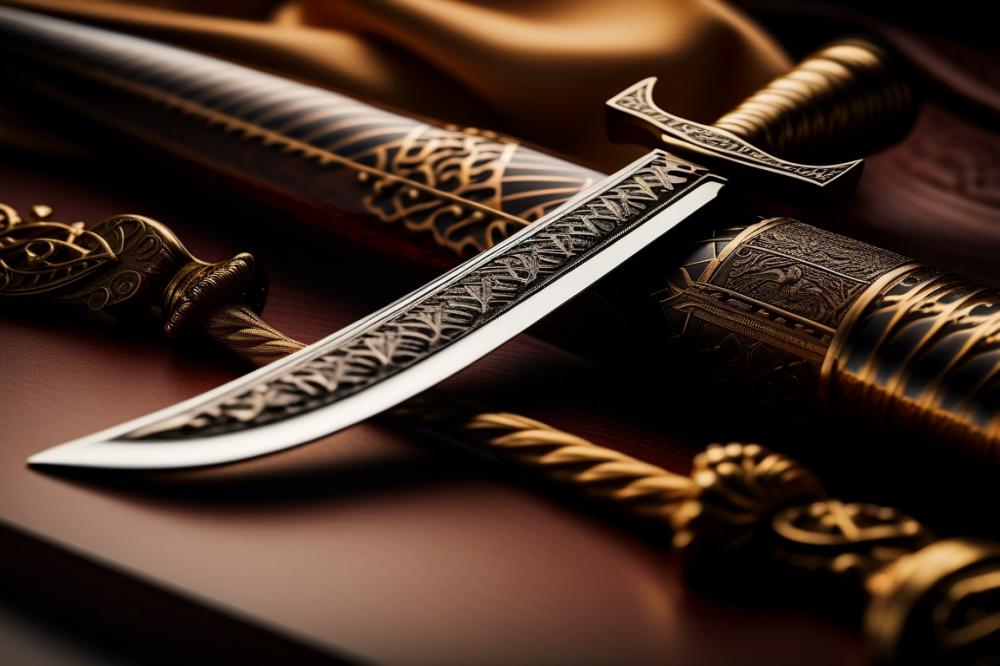
Roman soldiers lived in a world where effective weaponry was vital for survival on the battlefield. Each soldier required tools that not only caused damage but also provided a means for personal defense. From the iconic gladius to various Roman Daggers, these weapons played crucial roles in military history. In the tumultuous days of ancient Rome, battles could turn deadly in the blink of an eye. Adaptability in combat scenarios was key for the success of these warriors.
The Pugio, a distinctive dagger design, emerged as an essential part of a soldier’s arsenal. Unlike larger weapons, this dagger excelled in close-quarters combat. In confined spaces, where room to maneuver was limited, soldiers found this weapon particularly useful. Gladiators also benefited from its versatility, using it in matches that demanded agility and precision. As a historical artifact, the Pugio represents the ingenuity behind Roman weapon development.
Throughout military campaigns, the need for reliable armament never waned. Soldiers often relied on the dagger for both offensive and defensive measures. This dual purpose ensured that even in the heat of battle, they had access to a weapon that could protect them from threats up close. Without a doubt, the Pugio and its counterparts significantly shaped how combat unfolded across ancient Rome.
The Pugio: Design and Characteristics
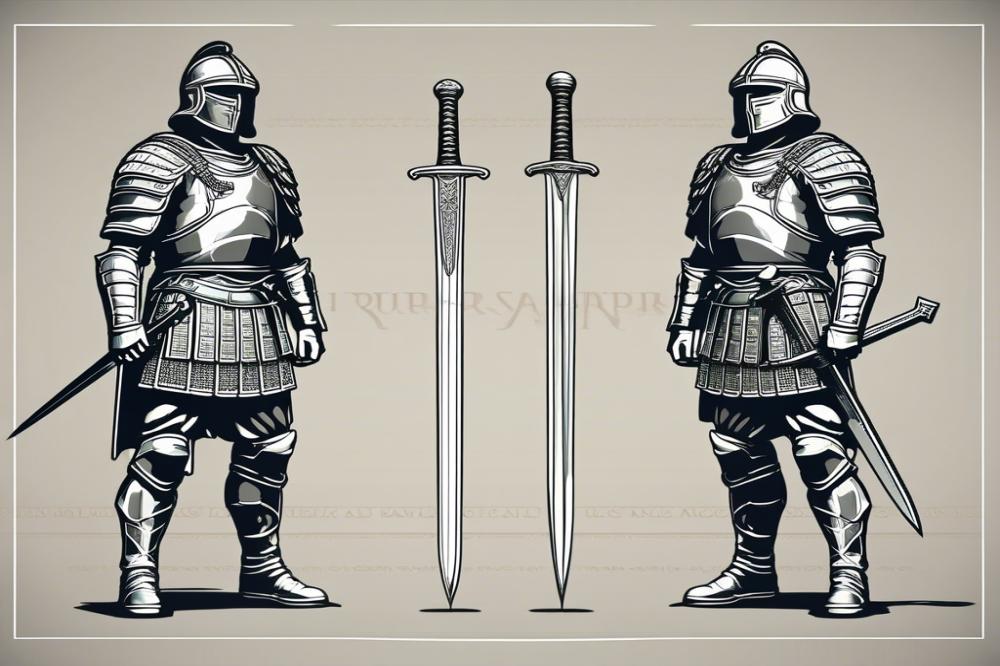
This dagger, known for its distinct look, was a vital tool in combat. Typically measuring between 25 to 40 centimeters in length, its blade featured a broad design, tapering to a sharp point. The hilt often had a shaped handle, providing a firm grip. Crafted for close-quarters combat, it allowed gladiators and soldiers to strike swiftly and effectively.
Materials played a key role in the construction of this military accessory. Blades were primarily forged from iron or steel, providing strength and durability. The hilt could be made from wood, bone, or even brass, often adorned with intricate designs. This blend of functionality and ornamentation made the weapon both practical and visually appealing, serving its purpose in battles and as a statement piece.
Over the years, the design evolved significantly, adapting to changes in warfare. Early versions favored simplicity, reflecting the needs of soldiers in ancient Rome. As military tactics shifted, so did the dagger’s characteristics. More elaborate forms emerged during the Imperial period. These showcased greater artistry, merging design with the practicalities of weaponry.
Notably, variants existed in different regions of the empire. Each region influenced the material and style based on available resources and local craftsmanship. Through time, the pugio remained a critical part of Roman weapons. It served not just as a tool for personal defense, but as an emblem of status within the ranks of fighters.
Examining historical artifacts helps us understand more about this fascinating dagger. Archaeological finds reveal much about its use and significance in military history. The pugio occupied a significant place not only in battles but also in daily life. Its importance can’t be underestimated when studying the combat practices of ancient Rome.
The Role of the Pugio in Close-Quarters Combat
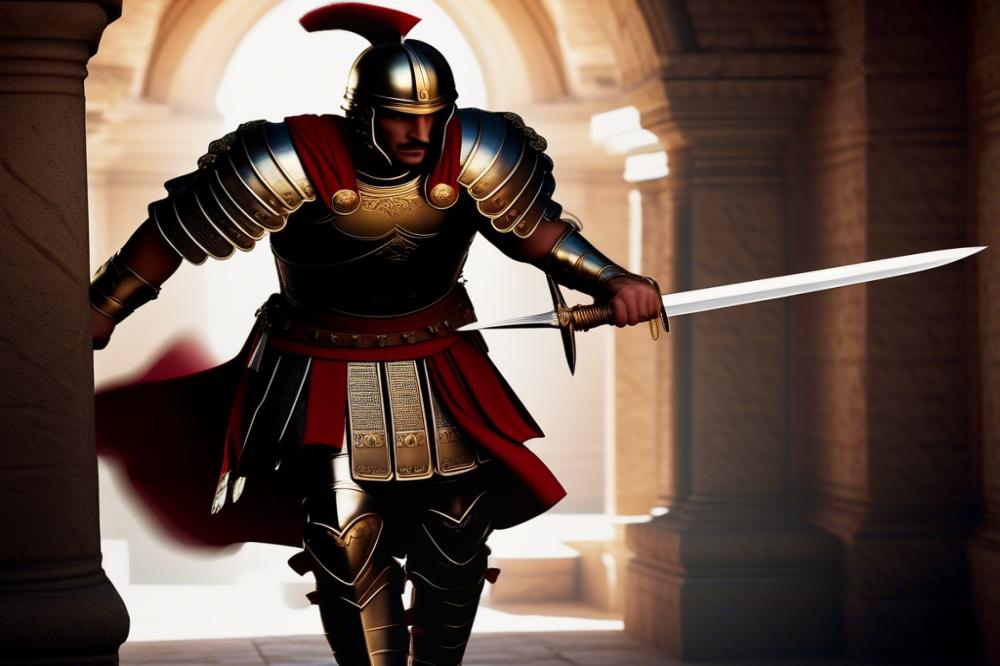
The pugio played a significant role in hand-to-hand fighting scenarios of ancient Rome. This dagger was not just another weapon; it was essential for soldiers and gladiators in tight situations. Its short blade made it ideal for ambush tactics, where space was limited. When battles became fierce and personal, the pugio emerged as a favored tool for personal defense.
Compared to other Roman weapons, the pugio offered distinct advantages. Weapons like the gladius were effective for slashing and thrusting but could be unwieldy in cramped conditions. The dagger design of the pugio allowed for quick, lethal strikes in close quarters. Soldiers appreciated how easily it could be drawn and used, especially when larger swords might get in the way.
Urban warfare posed unique challenges that the pugio could address effectively. In the chaotic streets of Roman cities, combat could erupt unexpectedly. With its compact structure, this dagger became a lifeline for those caught in sudden confrontations. Ambush tactics thrived on such surprise elements, showcasing the effectiveness of this combat tool.
Military history reveals how essential the pugio was for Roman forces. Many soldiers carried it as a secondary weapon, ready to defend themselves at a moment’s notice. Historical artifacts confirm its prevalence among troops stationed on the front lines. Gladiators also wielded this weapon during matches, highlighting its role in brutal entertainment.
The effectiveness of the pugio cannot be overstated. It offered Romans a reliable means of protection when faced with threats. Close-quarters combat often left little room for error. Precision was vital, and the pugio delivered just that. While larger weapons had their place, this dagger maintained its status as a practical instrument in various fighting scenarios.
The Pugio and Military Structure
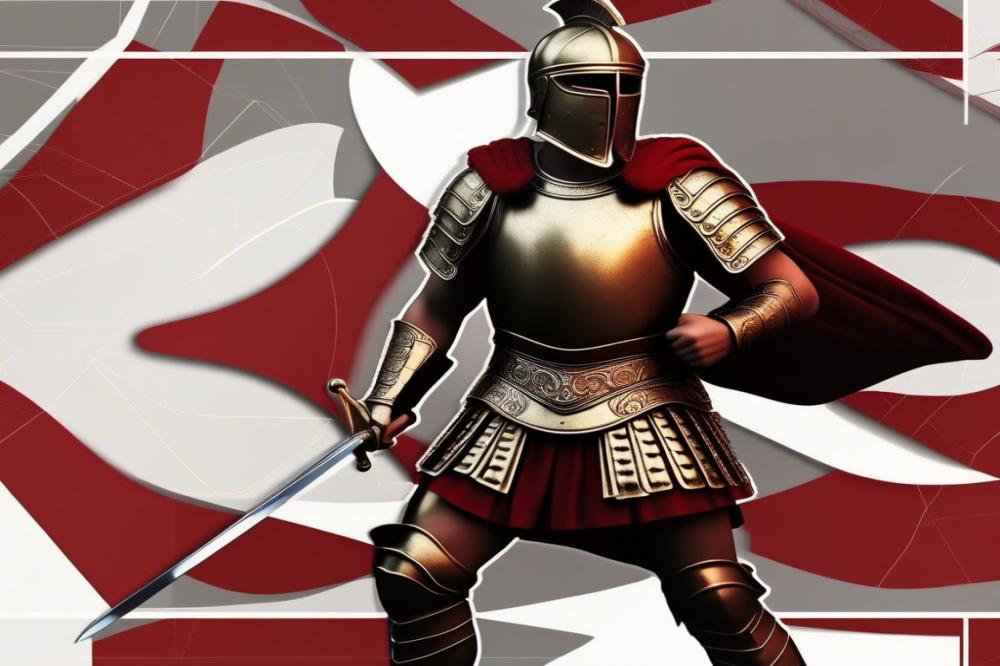
The Pugio had a distinct role within the military hierarchy of ancient Rome. This dagger was not only a tool for killing but also a symbol of status. Legionnaires carried it alongside their primary weapons, making it a standard part of Roman gear. It complemented the gladius, the main sword used in combat. For soldiers, this dagger served as both an offensive weapon and a means of personal defense.
Different ranks utilized the Pugio in varied ways. Centurions often carried it prominently, reflecting their authority. Regular soldiers, such as legionaries, kept it for practicality during close-quarters combat. Gladiators also wielded similar daggers, using them for both combat and dramatic effect in arenas. These fighters showed the dagger’s versatility, transforming a simple weapon into a tool for entertainment and survival.
The accessibility of this weapon was crucial in battles. Soldiers needed to draw their daggers quickly when the fight turned chaotic. Engaging in close combat required a tool that could be handled with speed and efficiency. The dagger design allowed for swift movements, which was essential in the heat of action. Thus, the carry of the Pugio was not just about possession but also about readiness in critical moments.
Historical artifacts reveal much about this weapon. Archaeological finds show various styles and purposes of the Pugio. These discoveries help historians understand its function and significance in military history. Roman weapons like this dagger were not merely extensions of a soldier’s arm. They represented the culture, training, and mindset of those who wielded them.
The Pugio in Personal Defense and Daily Life
The pugio served not only as a combat weapon for gladiators and soldiers but also as an essential tool for personal defense outside the battlefield. In the streets of ancient Rome, citizens sometimes faced danger from thieves or rival factions. Carrying this dagger provided a sense of security. Individuals could rely on it in times of need, especially in close-quarters combat situations.
Beyond its practical uses, the pugio was a symbol of social status. Wealthy Romans often adorned their weaponry with intricate designs. Such decorations indicated the owner’s place in society. A beautifully crafted dagger could signify power, wealth, or even connection to military history. In this way, dagger design became a means of identity among the elite.
Various Roman artifacts related to this dagger type provide insights into daily life and culture. Sheaths for the pugio were sometimes as elaborate as the daggers themselves. They were made from materials like leather or metal and often featured decorative elements. These artifacts tell us much about Roman craftsmanship and aesthetic values.
The presence of these weapons in everyday life suggests that Rome was a place where personal defense was important. With a dagger at hand, citizens felt better prepared for any sudden threats. Historical artifacts help us understand how the pugio was not merely a weapon but a part of Roman identity and culture. Each item found sheds light on a society that valued both function and artistry in their weapons.
Historical Context and Legacy of the Pugio
The pugio holds a significant place in the larger narrative of military history. Used primarily as a sidearm by Roman soldiers, this dagger was effective for close-quarters combat. It complemented other Roman weapons, providing versatility during battles and skirmishes. Gladiators might have also wielded similar blades, enhancing their performance in the arena. The pugio serves not only as a weapon but as a symbol of status among soldiers.
Noteworthy is the pugio’s influence on later dagger designs. Its structure and practicality inspired various forms of weaponry throughout the ages. Different cultures adopted elements from the Roman blade, molding their own versions to fit specific combat needs. Modern tactical knives still reflect the functional design principles established by early daggers. The straightforward yet effective nature of this weapon mirrors how personal defense technology evolves over time.
Exploring the impact of the pugio reveals much about Roman culture. The craftsmanship behind these historical artifacts indicates a society that prioritized both form and function. Romans valued skill in combat, and the presence of these daggers demonstrates their approach to warfare. Understanding these details enriches our view of ancient Rome, illustrating the complex relationship between military prowess and societal values. The pugio was more than just a tool; it was a reflection of the era’s martial ethos.
Final Thoughts on the Pugio in Roman Warfare
Recapping the importance of the Pugio in ancient Roman warfare highlights its dual role as both a practical weapon and a symbol of status. Roman soldiers relied on this dagger not just for close encounters but also as part of their overall combat strategy. This weapon was often carried alongside larger armaments, illustrating its integral position in a soldier’s arsenal.
What makes this dagger fascinating is more than just its functionality; it also serves as a cultural artifact. Those who wielded it were not only fighting for their lives. They were part of a complex social structure where items such as the Pugio signified rank and identity. Crafted with intricate designs, it represented the craftsmanship and artistic sensibilities of the time, marrying form with utility.
The legacy of Roman daggers continues today, echoing through history. They remind us of a time when skill in weaponry was paramount to one’s survival. Even in modern culture, we find echoes of these ancient tools in movies and literature, capturing our imagination and curiosity. Their story, intertwined with that of Rome itself, persists as a compelling part of our shared past.

