
Introduction
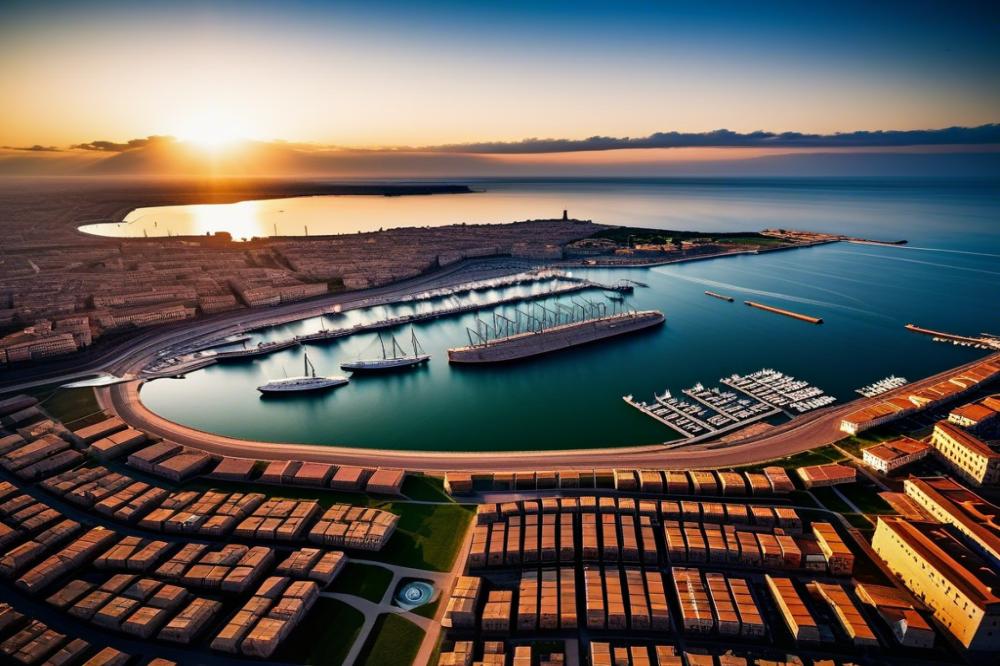
The Roman Empire was once a powerful force on the seas. Naval strength played a crucial role in maintaining its vast territories. This maritime capability provided access to distant lands, fostering connections that were vital for trade. Ports served as lifelines for commerce and military supply lines throughout the empire. These harbor facilities facilitated the movement of goods and troops, shaping the very fabric of Roman society.
Trade routes linked regions, and ports acted as gateways for merchants. They enabled the exchange of resources, such as grain, wine, and metals. Additionally, ports ensured the swift mobilization of soldiers, helping to respond to threats effectively. The seamless coordination provided by these coastal hubs was key to the empire’s success.
Understanding the importance of these maritime locations is crucial. They were not merely places for ships to dock. In many ways, ports were the beating heart of the Roman economy and military. From the bustling markets to the strategic planning of military campaigns, the significance of these sites cannot be understated.
This exploration of Roman ports will delve into their impact on trade and supply lines. By examining their roles, we can appreciate how they contributed to the empire’s endurance and legacy.
For those eager to learn more about this topic, the vast connections and operations extended beyond mere logistics. A closer look at #anchor_text_1# will reveal fascinating insights into their long-lasting influence. Readers can also discover the intricate relationship between military might and economic exchange through the lens provided by #anchor_text_2#.
Roman Ports: Key Locations and Features
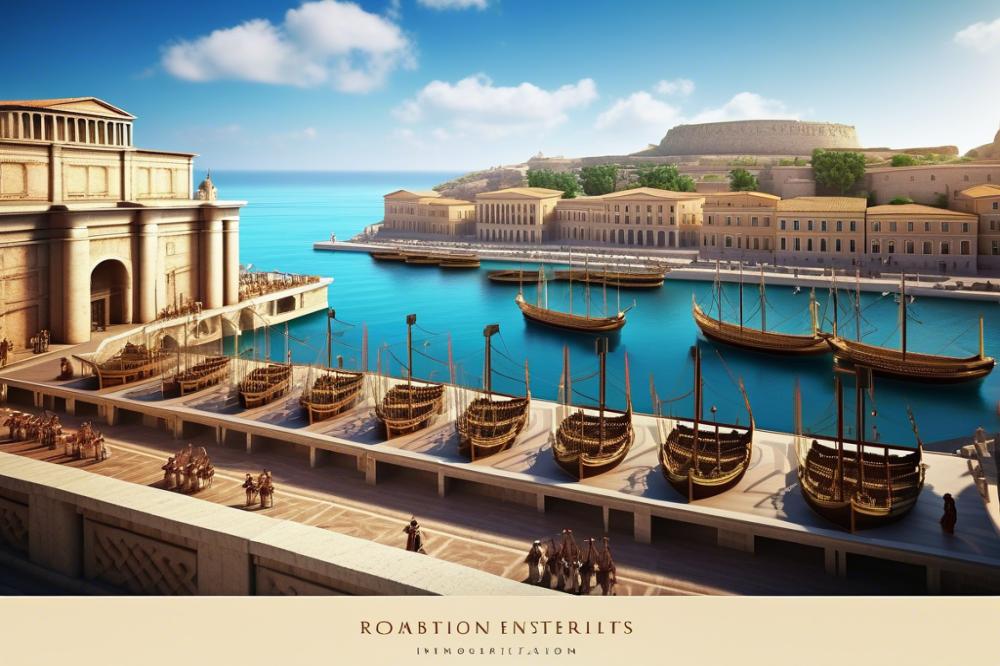
The Roman Empire relied heavily on its major ports for trade and military logistics. Some of the most important ports included Ostia, Alexandria, and Carthage. Each of these locations played a crucial role in connecting various parts of the empire to one another. They served as hubs for exchanging goods and facilitating military movements.
Strategic geographical locations enhanced the effectiveness of these ports. Ostia, located at the mouth of the Tiber River, provided easy access to Rome. Alexandria, further east, became a major center for commerce in the Mediterranean due to its proximity to trade routes. Carthage, situated in North Africa, enjoyed a position that allowed it to control key maritime paths.
Infrastructure at these ports was built to maximize efficiency. Docks were designed to accommodate large vessels, making loading and unloading of goods smoother. Warehouse facilities stored various supplies, ensuring readiness for both merchants and military units. Quays were often lined with goods as trade flourished, leading to bustling marketplaces.
Servicing the Roman Navy as well as merchant fleets, these ports were fortified, emphasizing their military significance. Engineers crafted well-planned designs, allowing ships to dock safely. Port facilities were equipped to handle a variety of cargo, from grains to precious metals.
The architecture reflected the capabilities of this great civilization. Large warehouses housed bulk items, while smaller structures catered to the needs of individual traders. Quays welcomed both merchants and soldiers, making the trade routes accessible to all. This intricate network created a backbone for regional economies.
The influence of these key locations cannot be overstated. Ports like Ostia and Alexandria were not just points on a map but vibrant hubs that prompted growth and development. Their success was crucial for the empire’s prosperity and its ability to project power across the Mediterranean.
Trade Networks and Economic Significance
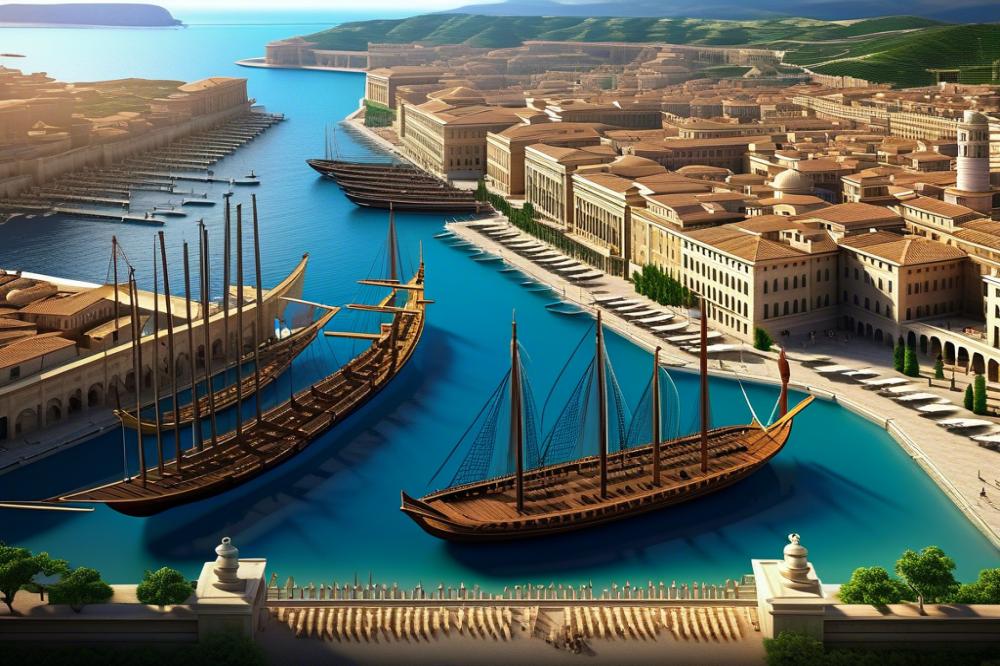
The ports of ancient Rome played a vital role in Mediterranean trade. They functioned as bustling hubs where goods flowed in and out, connecting different regions. Ships arrived from far and wide, delivering essential supplies and luxury items alike. The Mediterranean, with its many coasts and islands, became a central artery for commerce.
Various commodities were exchanged at these busy docks. Grain was a staple, crucial for feeding the growing population of Rome. Wine, a favorite among many, also found its way into the markets. Olive oil, revered for its uses in cooking and lighting, was another key product. Luxury items, including silks and spices, highlighted the wealth and diversity of trade.
Trade networks significantly impacted both local and imperial economies. Towns near the ports flourished with the influx of goods and people. Local businesses thrived from the demand for services and products. Rome itself benefited immensely, as these trade routes filled its coffers with taxes and profits from commerce.
Connections formed through these ports fostered not just economic growth but also cultural exchanges. Merchants and travelers brought ideas, customs, and traditions from various parts of the empire. This created a rich tapestry of cultural interaction, encouraging a sense of unity amid diversity.
In times of peace, ports facilitated thriving trade, while during conflicts, they served as lifelines for military supplies. Shipping routes were essential for transporting troops and resources. Maintaining control over these harbors became a strategic priority for the Roman military.
Overall, Roman ports were indispensable for trade and played a crucial role in the empire’s prosperity. They shaped economies, influenced cultures, and supported the military. The complex network of maritime trade left a lasting legacy on the world.
Military Supply Lines and Naval Strategy
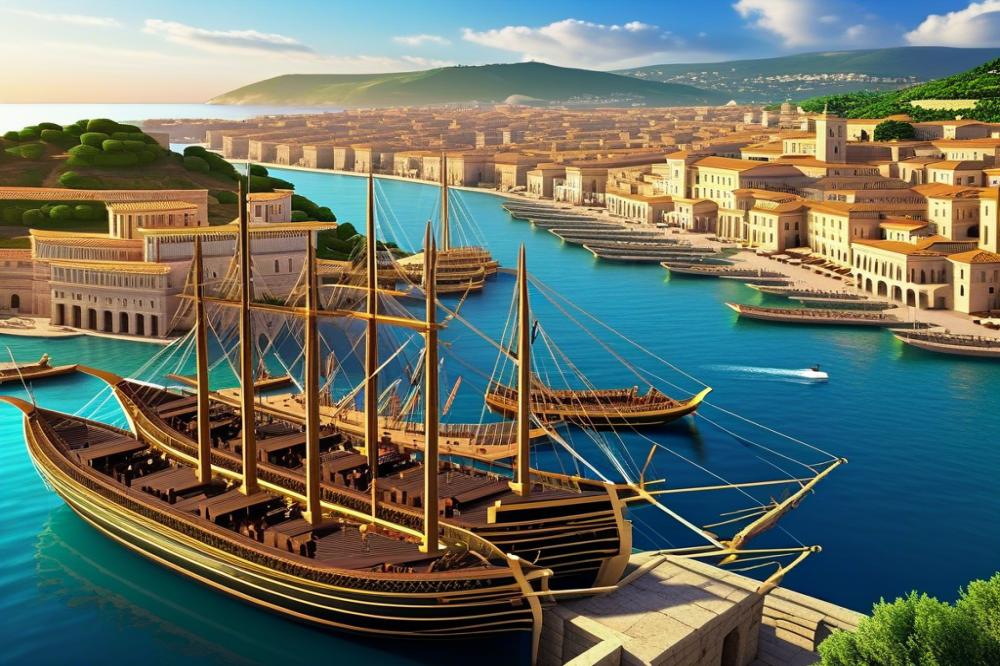
Roman ports served as crucial military logistical hubs. They were not just simple docks; these locations facilitated the movement of troops, equipment, and supplies. Without them, managing large-scale military operations would have been nearly impossible. The effectiveness of any campaign depended heavily on the ability to draw resources swiftly from various points along the Mediterranean.
Naval warfare relied significantly on these coastal gateways. Control of ports often meant the ability to launch surprise attacks or to reinforce friendly forces quickly. For instance, the port of Carthage proved vital during the Punic Wars. It was a central point for Roman fleets to gather, strategize, and refit ships after engagements.
Importance of Ports in Naval Warfare
In many instances, ports acted as launching points for significant naval battles. They allowed for rapid deployment of ships where and when needed. The Battle of Actium is one such example. Octavian’s fleet utilized the port at Actium to secure a decisive victory against Mark Antony’s forces in 31 BC. Control over this port allowed for better supply lines and a secured area to regroup after confrontations.
Moreover, ports provided vital protection for vessels. Anchorages offered sanctuary to fleets, safeguarding them from hostile attacks while repairs were conducted. This safety enabled longer marine campaigns in hostile waters.
Case Studies of Significant Military Campaigns Supported by Ports
One of the most notable military campaigns supported by Roman ports occurred during the invasion of Britain in AD 43. The port at Boulogne served as the main staging area from which troops and supplies were dispatched. This strategic point allowed for rapid deployment, significantly impacting the success of the invasion.
Another clear example is the siege of Alesia in 52 BC. The Roman army, led by Julius Caesar, relied on the supply network provided by nearby ports. Their ability to maintain a steady influx of food and reinforcements was crucial to outmaneuvering and ultimately defeating the Gallic forces.
These examples underscore how vital ports were to military operations. They not only supported transportation but also served as command centers for controlling military movements. In numerous campaigns, access to well-situated ports could be the difference between victory and defeat.
Cultural and Administrative Roles of Ports
Ports as Centers of Cultural Exchange
Ports acted as bustling hubs where different cultures met. Traders arrived from far-off lands, bringing goods and ideas. This interaction allowed for a rich blend of traditions. Art, language, and customs often intertwined in these vibrant locales. Festivals celebrating diverse heritages became common. Additionally, religions spread through this movement of people. New beliefs entered societies and influenced local practices. The exchanges in ports did not only involve trading items but also sharing life perspectives.
Administration and Governance of Port Cities
Management of port cities was crucial for Roman control. Officials made decisions that affected local economies and populations. They imposed taxes, set regulations, and maintained law and order. Port authorities often worked with local leaders to streamline operations. This cooperation contributed to a stable environment for trading activities. Moreover, infrastructure improvements occurred regularly to support growing demands. Roads and markets expanded, reflecting the needs of people who relied on maritime trade.
Impact on Romanization and Local Communities
The presence of a port influenced the spread of Roman culture. As ships docked, the Latin language flourished. Merchants often introduced Roman customs to local residents. In time, some communities adopted Roman lifestyles, changing their practices. For many, these alterations were a way to thrive economically. However, not everyone welcomed these transformations. Some locals resisted, fearing loss of their identity. Tensions sometimes arose, but overall interaction often led to integration. In these vibrant port cities, the legacy of #RomanPorts# reshaped local cultures profoundly.
Challenges and Decline of Roman Ports
Natural Disasters and Their Effects on Ports
Natural disasters wreaked havoc on many Roman ports. Earthquakes could ripple through coastal areas, damaging infrastructure hastily built along the shoreline. Harsh storms often flooded docks, rendering them useless for trade. When tidal waves struck, they could wash away boats and cargo in seconds. These events left communities reeling and disrupted supply systems. Repairs often took a long time, which affected local economies deeply. Ports reliant on consistent trade faced significant setbacks during such calamities.
Economic Decline and Shifts in Trade Routes
The economy saw significant changes over time. New trade routes began to emerge, often bypassing established ports. Sailors found alternate paths that provided faster or cheaper options for transportation. As these routes gained popularity, older ports fell into disrepair. They struggled to attract ships and goods, leading to a financial downturn. Economic shifts changed consumption patterns and reduced demand for various products. It became increasingly difficult for ports to sustain themselves without steady trade inflows.
Factors Leading to the Decline of Certain Ports
A combination of local factors contributed to the decline of numerous key ports. Some faced increased competition from neighboring towns that offered better navigational access. Others struggled with local governance issues, which slowed decision-making. The rise of piracy made shipping routes dangerous, discouraging merchants from docking. Furthermore, some ports suffered from environmental degradation, which made them less appealing for trade. Even changes in military strategies diminished the importance of certain locations, leaving them abandoned. As these ports faded from prominence, their historical significance diminished, overshadowing their once-vital roles in trade and military logistics.
Final Thoughts on Roman Ports
Roman ports played a crucial role in the growth of trade and the logistics of military supply lines. These hubs of activity connected distant regions and facilitated the exchange of goods, ideas, and cultures. Vessels traveling along the Mediterranean sent products ranging from olive oil to precious metals to various parts of the empire. This trade network was not only vibrant but also essential to the Roman economy.
Military needs also shaped the importance of these ports. They served as vital locations for replenishing supplies and transporting troops. In times of war, swiftness and efficiency were paramount. Ports allowed for quick deployment of legions and resources, which made them strategic locations for maintaining control over vast territories.
The maritime infrastructure established by the Romans has left a lasting legacy. Many of the ports they built laid the groundwork for modern maritime trade routes. Their engineering techniques continue to influence construction and design. Many coastal cities today still reflect the organizational prowess of Roman planning, illustrating the enduring impact of their innovations.
Reflecting on this, the role of Roman ports significantly contributed to the empire’s prosperity. They helped integrate far-flung areas and bolstered commerce. This interconnectedness facilitated the spread of Roman culture and governance, helping to solidify the empire’s power. #anchor_text_3# highlights the widespread influence of these routes on trade, while #anchor_text_4# emphasizes the strategic military advantages they provided. Thus, the Roman approach to port development remains a model for understanding the dynamics of trade and military logistics in any civilization.

