
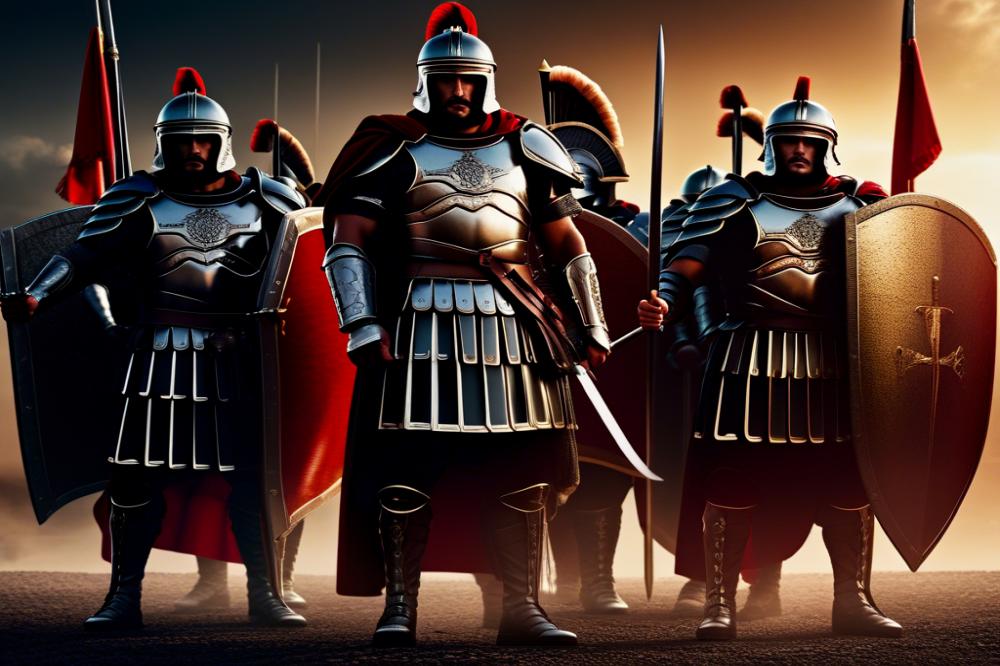
Military Dress and Armor of Roman Legionaries in Battle
The Roman military was a cornerstone of the empire that spread throughout Europe and beyond. Its structure and strategies allowed it to conquer vast territories. Soldiers in this formidable force played a crucial role in their successes. Notably, the legionaries were the backbone of the army. Their training, discipline, and unwavering commitment to duty distinguished them on the battlefield. Understanding Roman military practices offers insights into this ancient civilization.
Military dress and armor were not just ornamental; they served vital functions during combat. Protection was necessary, but so was mobility. Each piece of armor and every part of a soldier’s outfit had a purpose, from shielding the body to inspiring fear in enemies. The right armor could mean the difference between life and death. In battle, appearance mattered. A well-dressed soldier projected strength and readiness. Observing these elements can deepen our understanding of tactics and daily life for Roman legionaries.
Exploring the #main_keyword# provides a window into the effectiveness of Roman forces. The choices made in dress and armor reflect practical needs and cultural values. Various components of the armor, like the gladius and the shield, played pivotal roles in how battles unfolded. The design of each piece illustrates a blend of functionality and symbolism. For historians, this subject is rich with information and significance.
In this article, we will dive deeper into the essentials of Roman legionary uniforms and their combat gear. Each section will examine specific aspects of the attire. We will also look at how these elements contributed to the legions’ legendary reputation. By unpacking various pieces, readers will gain a better appreciation for the soldiers of ancient Rome. Who wouldn’t want to know more about warriors whose stories still resonate today? So, let’s uncover the fascinating world of #anchor_text_1# and examine how these items shaped warfare.
Additionally, understanding Roman military gear can shed light on ancient strategies and tactics. This exploration reveals the ingenuity behind what made Roman soldiers so effective in battle. As we delve deeper into this topic, keep in mind the significance of #anchor_text_2# in understanding the overall effectiveness of the Roman military machine. The legacy of the Roman legionaries still impacts military history today.
Historical Context of Roman Legionaries
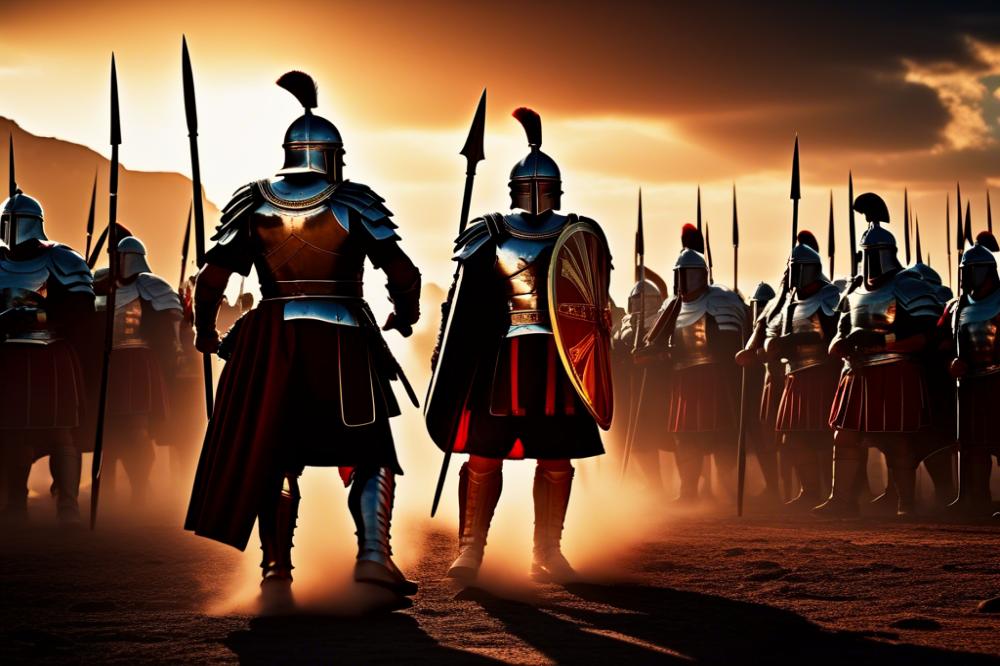
Origin and Evolution of the Roman Legion
The Roman legion started as a small group of soldiers. Early on, this military unit was quite different from what it would later become. Initially, legions consisted of citizens called to defend their land. As Rome expanded, the need for a more organized fighting force grew. By the late Republic, a legion typically included around 4,800 men. This change marked the shift from citizen-soldiers to professional troops, known as legionaries.
Their training and discipline improved significantly over time. By the time of Emperor Augustus, the legion had solidified into a formidable and standardized structure. Changes in tactics happened alongside these evolutions. This made the legion capable of adapting to various battle situations. Such advances gave the Romans a major advantage over rival forces.
Structure and Organization of Legions
A Roman legion was made up of different parts, or “cohorts.” Each cohort had about 480 soldiers. This division allowed for flexible tactics on the battlefield. In addition to infantry, legions also included support roles like engineers and medics. Commanders, known as legates, led the units. Their decisions would greatly influence the outcome of engagements.
Each soldier had specific duties. Legionaries worked as a team but also needed individual skills. Communication was crucial, as they executed orders rapidly. Training emphasized discipline and unity. Such organization transformed legions into one of the most effective fighting forces of their time.
Role of Legionaries in the Roman Military System
Legionaries were the backbone of the Roman military. They engaged in various campaigns, from territorial expansion to defense. Soldiers’ skills were honed through rigorous training and real-world experience. This made them proficient in various weapons and tactics. Their role was not limited to combat. Many were also involved in construction and logistics.
Throughout history, legionaries faced numerous challenges. Difficult terrains and harsh environments tested their endurance. Despite these obstacles, they contributed to Rome’s strength and stability. Legions became known for their discipline and loyalty. Each soldier took pride in serving their empire. This commitment transformed Rome into a dominant power across vast regions.
Components of Legionary Dress
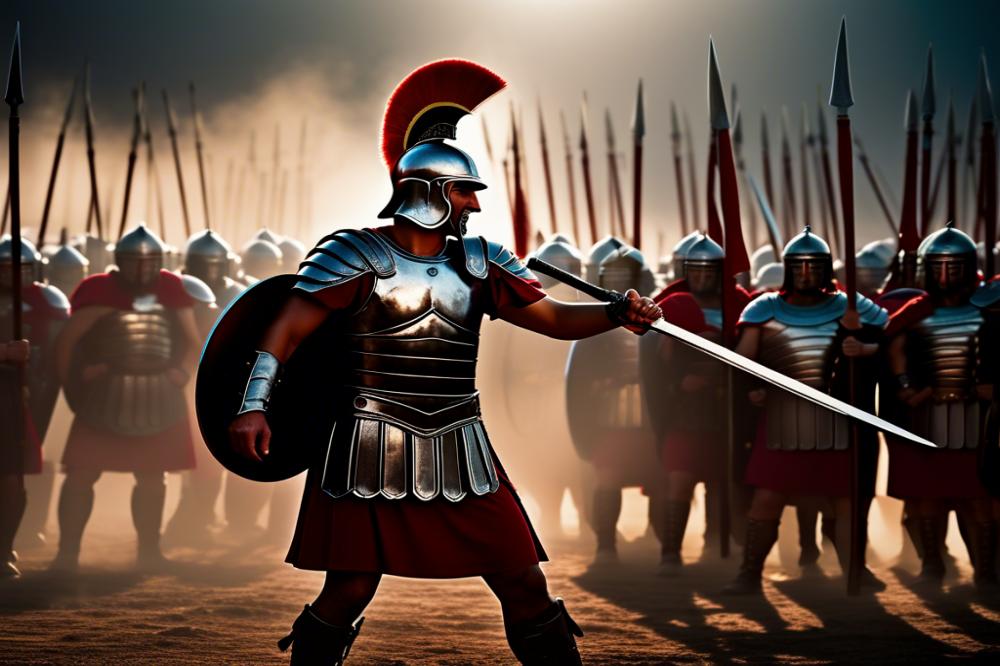
Standard Tunic and Its Variations
The most recognizable piece of a Roman legionary’s outfit was the tunic. Typically, this garment was made of wool and fell to the knees. Legionaries wore it in various styles; for instance, some had sleeves while others were short-sleeved. The color often depended on rank. Officers might wear garments dyed in red or other striking shades. This tunic served a practical purpose, as it allowed freedom of movement. Soldiers also sometimes wore a longer tunic, especially in colder weather, to provide additional warmth.
Footwear Suited for Battle
Sandals were the basic footwear. Known as caligae, these shoes offered comfort and durability. Made from thick leather, they featured raised studs to provide traction. This design was crucial for navigating uneven terrain. Some variations included extra ankle support for long marches. Adequate footwear helped prevent injuries and ensured soldiers could keep up with their units. In contrast, during harsh winters, legionaries sometimes donned sturdier boots. This adaptation was essential for maintaining mobility in challenging conditions.
Use of Cloaks and Protective Wear
Cloaks, known as sagum, played a significant role in a soldier’s dress. These were typically made of wool and varied in color. During battles, legionaries used them for extra protection against the elements. On colder days, a cloak provided warmth. Protective gear was also vital. While armor like the lorica segmentata is often highlighted, smaller items also played significant roles. A soldier might wear a simple leather jerkin for added defense. The combination of these elements created a balanced outfit. Legions faced many outside conditions, and readiness was essential.
Armor and Protective Gear
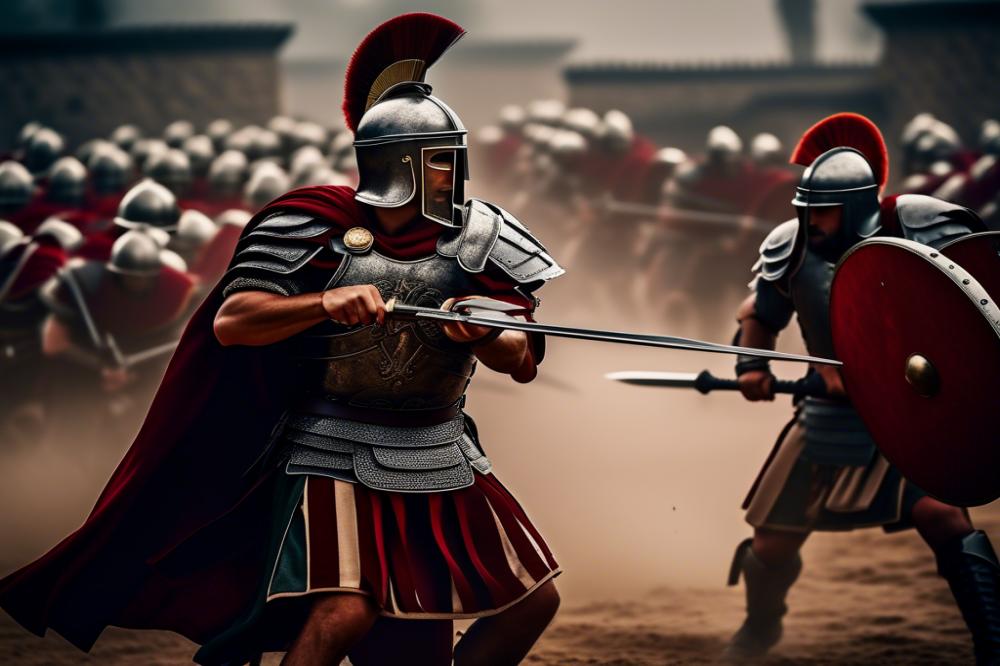
Types of Armor
Many Roman legionaries wore different types of armor to protect themselves in battle. Lorica segmentata was a popular choice. This type featured overlapping metal strips that offered both flexibility and robust defense. Another commonly used armor was the lorica hamata. It consisted of chainmail and provided good protection while allowing movement. The lorica squamata was also utilized by some soldiers. This armor was made of small metal plates and offered a different style of defense. Each type had its advantages, depending on the situation at hand.
Helmets
Helmets were essential for Roman soldiers. They had unique designs that varied based on rank and role. Made from metal, many helmets featured cheek guards and a crest for decoration. The crests often indicated the soldier’s unit or rank. Materials played a significant role in helmet construction. Some were made from bronze or iron. These materials provided substantial protection against enemy blows. The design not only served a practical purpose but also held symbolic significance for the legionaries.
Shields
The structure of Roman shields was crucial in battle. Most soldiers carried a rectangular shield known as a scutum. This shield was large and curved, which gave protection to the soldier’s body. The strategic use of shields in formation was a hallmark of Roman military tactics. Some legionaries also carried round shields, especially those in auxiliary forces. Their lightweight design allowed for maneuverability. The types of shields varied in size and shape, influencing their tactical deployment. Being able to form a testudo, or tortoise formation, showcased the ingenuity of Roman tactics. Together, the armory equipped soldiers to face various combat situations head-on.
Weaponry of Roman Legionaries
The backbone of a Roman legionary’s arsenal was the gladius, a short sword known for its effectiveness in close combat. This weapon measured about 20 to 24 inches in length, making it ideal for thrusting. Its design allowed a soldier to wield it with speed and precision. Another essential tool in their inventory was the pilum, a heavy javelin. Legionaries used the pilum to engage the enemy before closing in for direct combat. This javelin was not just a projectile; its unique construction ensured that it would bend upon impact, preventing foes from throwing it back.
Additional Weapons and Tools for Combat
In addition to the primary weapons, legionaries carried several other tools that served specific purposes on the battlefield. A secondary weapon was the pugio, a small dagger that could be used for close encounters or as a last resort. Legionaries also held shields, known as scuta, which provided crucial protection against enemy strikes. Some soldiers used a range of siege tools, including ladders and artillery, to breach enemy fortifications. These items highlighted the versatility of the Roman military and their strategic minds.
Evolution of Weaponry Over Time
The weaponry of the Roman legionaries saw significant evolution as battles and tactics changed. Early in Roman history, soldiers relied on simpler weapons, often using long spears and small shields. However, as Rome expanded, so did their approach to warfare. The introduction of the gladius and pilum marked a shift toward more effective close combat. Changes in armor and tactics often influenced the design of these weapons. By the late Republic, weaponry became more sophisticated. Innovations like the heavier gladiatori sword and longer-range artillery transformed the battlefield landscape.
Through centuries of conflict, the armament of legionaries adapted to meet new challenges. Advances in metallurgy and engineering contributed to stronger blades and more resilient shields. The Roman military’s commitment to improvement ensured they remained a dominant force across their vast empire.
Tactical Considerations and Battlefield Functionality
Uniformity in military dress and armor played a crucial role for Roman legionaries. Soldiers dressed similarly fostered discipline and unity. When a cohort marched into battle, shared attire created a powerful image. This visual impact could intimidate opposing forces. In the chaos of combat, the soldiers blended seamlessly. Shared colors and designs made it difficult for enemies to target individuals.
Armor wasn’t just for protection; it enhanced overall combat effectiveness. The iconic lorica segmentata, made of metal strips, was a well-designed suit. It shielded vital organs while allowing good movement. Alongside this, the scutum, a large rectangular shield, provided significant defensive benefits. When used in formations, it created a formidable wall of protection. Soldiers could push forward, striking as a unit while remaining safe behind their gear.
Battlefield conditions often varied greatly. Adapting clothing and armor accordingly was essential for survival. In cold weather, warmth became important. Legionaries sometimes wore cloaks over their armor. During hot seasons, lighter fabrics allowed them to stay agile. Flexibility in armor design meant including lighter options for rapid movements. This adaptability often determined the outcome of skirmishes. Strategic choices regarding gear allowed for preparations against unexpected enemies.
Cultural and Social Significance of Military Dress
Symbolism of Armor and Dress Among Legionaries
Military attire in the Roman legions held profound meaning. The armor was more than just protection. It symbolized strength, bravery, and unity. Each piece had a purpose. The gladius, or sword, represented readiness for combat. The scutum, a large shield, symbolized defense and teamwork. When soldiers donned their armor, they transformed into something greater than themselves. They became representatives of Rome.
Impact on Morale and Identity Within the Ranks
Dressing as a soldier fostered a strong sense of belonging. Legionaries in uniform felt connected to their comrades. They shared a collective identity, bound by mutual goals. This bond boosted morale during battles. Confidence grew when the men saw each other in full armor. They were not just fighting for Rome; they were fighting for each other. The distinct outfits also instilled fear in their enemies. A legionary in armor was a sight to behold, striking awe and terror. This psychological element was crucial even before battles began.
Representations in Art and Roman Society
Roman society celebrated military attire through various art forms. Mosaics, sculptures, and paintings often depicted legionaries in their full regalia. Such artworks highlighted the valor and discipline of soldiers. They showcased the grandeur of the Roman military. These images reinforced social values and ideals. Citizens admired bravery and honor as displayed by their heroes. Thus, the armor’s representation extended beyond the battlefield. It became a reflection of Roman pride and identity. Legionaries were seen not just as soldiers but as embodiments of Rome’s strength and glory.
Final Thoughts
Military dress and armor played a crucial role in the effectiveness of Roman legionaries during battles. The design of their gear not only offered protection but also served as a powerful symbol of Roman power and discipline. Each element of their attire, from the lorica segmentata to the gladius, had a specific purpose, showcasing the advanced strategies that defined their military success.
An impact of Roman military attire extends far beyond the ancient world. Future armies across Europe and beyond borrowed elements from the Roman soldiers. Features like the standardized helmets and body armor can be traced through history, influencing how soldiers were equipped for warfare. This reflection on how their outfits shaped military conventions shows that lessons from the past remain relevant today.
In scholarly circles, the legacy of Roman legionaries continues to stimulate interest and conversation. Historical studies frequently dive into the significance of their military dress, exploring its implications for leadership and combat effectiveness. Armies around the globe take cues from these ancient practices, which illustrates how understanding history can provide insights into modern military strategies.
Ultimately, the Roman legionaries left behind a mark that resonates through time. Their armor and attire symbolize the blend of practicality and artistry that defined Roman military success. As we study these aspects, we can appreciate not just the craftsmanship of their gear, but also the broader narratives of power and identity that shaped entire civilizations. For these reasons and more, the examination of #anchor_text_3# remains an essential part of understanding our world today. Likewise, reflecting upon #anchor_text_4# reveals the lasting connections we have with our history.

