
Freight Shipping in the Roman Empire: Logistics of the Ancient Mediterranean Trade
Freight shipping played a pivotal role in the Roman Empire, acting as the lifeblood for its vast economy. Trade routes sprawled across the Mediterranean, connecting distant lands and cultures. Goods were exchanged freely, fueling not just commerce, but also the spread of ideas, traditions, and technologies. Ancient Romans relied heavily on maritime transport due to its efficiency and reach.
Logistics in ancient Mediterranean trade was of utmost importance. Organizing the transport of goods required precise timing and coordination. Merchants needed to navigate weather patterns, tides, and seasonal changes. A single delay could mean the difference between profit and loss. Thus, understanding the patterns of the sea was critical for every trader.
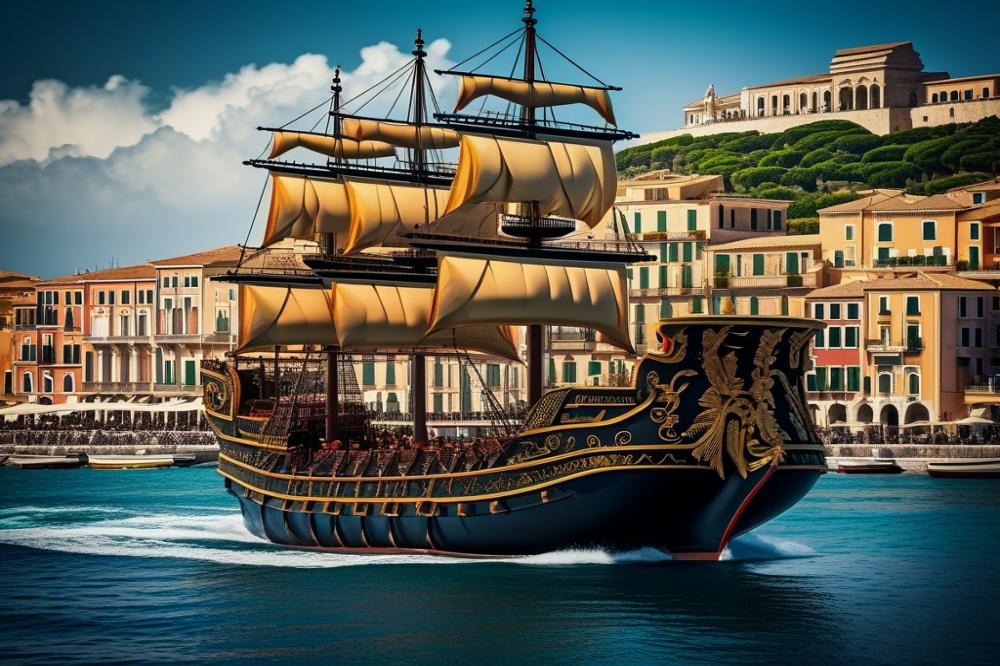
Ships played an essential role in securing stability within the economy. These vessels varied in size and purpose, from small cargo boats to large, impressive triremes. The navy not only protected trade routes but also showcased Roman might. Shipping routes facilitated the movement of essential supplies, like grain and olive oil, vital for daily life in the empire.
Trade fairs in port cities became bustling centers of activity. Here, goods from across the empire were showcased and sold. The exchange of products such as wine, metalwork, and textiles supported local artisans and bolstered economies throughout the region. Without efficient logistics and a reliable navy, this thriving trade network would have faltered.
The significance of freight shipping extends beyond mere trade. It fostered cultural exchange and unity among diverse populations. From Alexandria to Rome, the movement of goods helped weave a rich tapestry of interconnected societies. As we delve deeper into this intricate system, we examine its impact on the Roman world and beyond. For those looking to explore the dynamics of this topic, topics like #anchor_text_1# and #anchor_text_2# provide fascinating insights.
Overview of Roman Maritime Trade
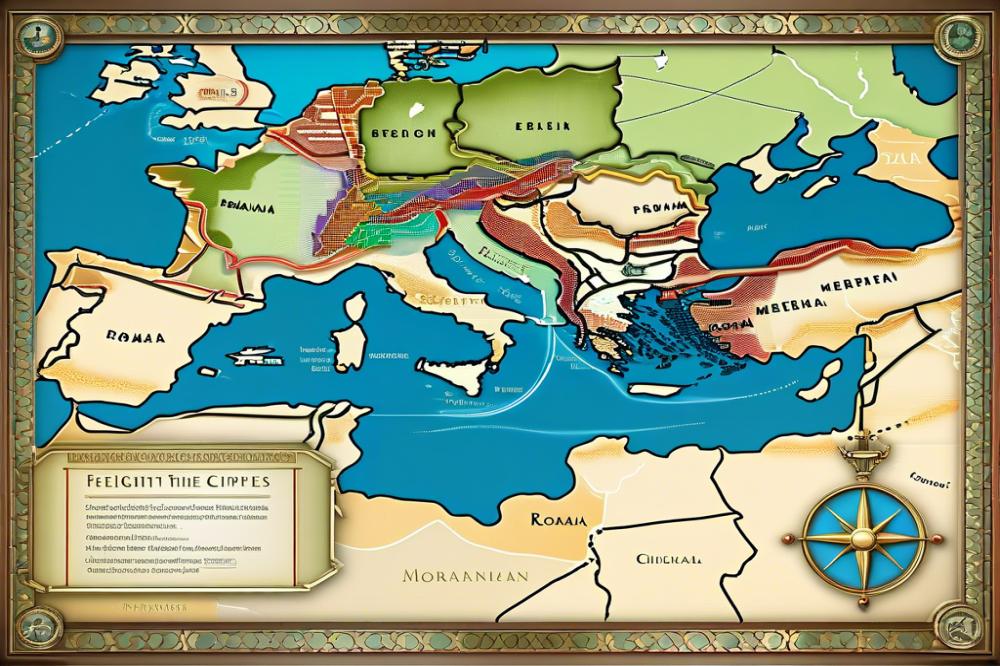
The Mediterranean Sea served as a vital highway for trade during the Roman Empire. Stretching from the Atlantic Ocean to the shores of Asia, it connected various cultures and economies. This geographical setting allowed for a robust exchange of goods, ideas, and people.
Geographical Context of the Mediterranean Sea
Among the most significant bodies of water in the ancient world, the Mediterranean was surrounded by many civilizations. Its scenic coastline included parts of Europe, North Africa, and the Middle East. This landscape played a crucial role in shaping trade patterns, as navigable waters provided direct access to bustling markets.
Key Trade Routes Utilized by Roman Merchants
Roman merchants frequently travelled established trade routes. These pathways led merchants from ports in Italy to harbors in Egypt and beyond. The sea routes often provided quicker transportation than overland journeys, facilitating the exchange of goods across vast distances. Major routes linked cities such as Rome, Carthage, Alexandria, and Antioch. Trade winds and currents also influenced the travel times and safety of ships.
Types of Goods Transported Across the Mediterranean
A broad range of commodities filled the holds of Roman vessels. Items like olive oil, wine, and grain were staples of Mediterranean trade. Luxuries, including silk from the East and spices from distant lands, attracted the wealthy elite. Additionally, raw materials such as timber and metals were crucial for Roman construction and industry. The diverse selection mirrored the vast cultures and economies engaged in commerce.
Role of Ports and Harbors in Trade Operations
Ports and harbors functioned as essential hubs for maritime activities. Within these areas, goods were loaded and unloaded, and merchants conducted business. Some ports, like Ostia and Puteoli, became bustling centers of trade and interaction. Skilled dockworkers and traders operated in organized bazaars, ensuring smooth transactions. The infrastructure around these ports, including warehouses and markets, supported the growing trade network.
The Naval Infrastructure of the Roman Empire
Structure and organization of the Roman navy
The Roman navy was crucial for maintaining order and facilitating trade across the Mediterranean. It was not a single, unified force but a network of fleets. Each fleet operated under local commanders, often responding directly to the needs of the regions they served. This decentralized approach allowed for quick responses to piracy and logistical challenges. The leadership was often drawn from experienced naval officers who understood the complexities of sea trade routes. Local ports became vital hubs for naval operations, connecting the vast reaches of the empire.
Types of ships used for freight shipping
Different types of vessels were utilized for transporting goods. Cargo ships, known as *naves onerariae*, were specifically designed for freight. These ships featured broad hulls, allowing them to carry large loads. Smaller vessels, called *liburnae*, were fast and used for both trade and military purposes. Each type of ship had its strengths, which were chosen based on the route and type of goods. Design varied from region to region, reflecting local skills and available materials.
Technological advancements in shipbuilding
Innovations played a vital role in shipbuilding during Roman times. The use of mortise and tenon joints improved the strength of hulls, enabling them to withstand rough seas. Also, the introduction of the keel provided stability and navigational accuracy. Sail designs evolved to harness wind better, making voyages faster and more efficient. Understanding of navigational techniques increased, which allowed ships to explore new routes safely. All these advancements made it possible to transport goods more effectively.
Recruitment and management of sailors
Finding skilled sailors was essential for the Roman navy. Recruitment often involved locals from coastal areas, as they were familiar with the sea. Training was rigorous, focusing on sailing, navigation, and the operation of various ship types. The management of these sailors required strong leadership. Those in charge worked hard to maintain discipline and morale. Factors like pay and living conditions were considered important. Sailors played a fundamental role in the empire’s trade network, proving their worth time and again on long journeys across the ancient Mediterranean.
Logistics and Supply Chain Management
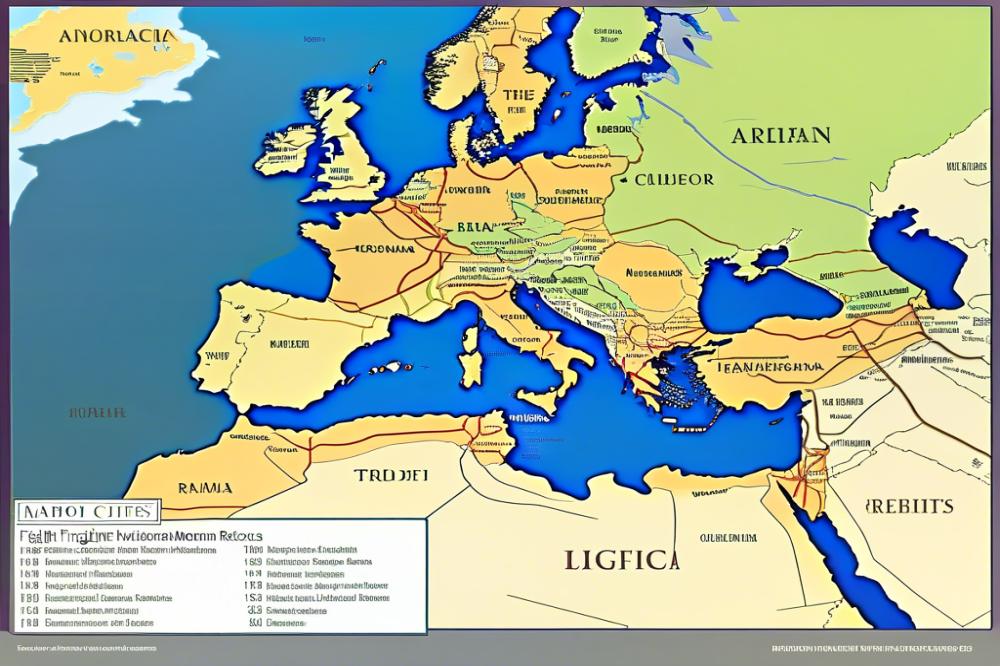
Planning and organizing shipping ventures in the Roman Empire was a complex task. Merchants had to consider various factors before embarking on their journeys. This included the type of goods being transported and the necessary crew. Additionally, they looked at the time of year, as storms could wreak havoc on their plans. Relying on skilled captains was vital for success. They understood the Mediterranean Sea and its many challenges.
Challenges faced in transporting goods
Transporting goods was not without difficulties. Pirates often patrolled the busy routes, seeking easy targets. This created a constant atmosphere of risk, and traders needed to protect their cargo effectively. Weather conditions posed another major problem. Storms could delay shipments for days, causing financial losses. Furthermore, the logistics of disembarking cargo in busy ports added to the stress of maritime trade. Often, waiting for favorable conditions was part of the game.
Methods of navigation and route planning
Navigation during this time relied heavily on celestial bodies. Sailors used stars to guide their paths, especially at night. Charting these courses required skill and deep knowledge. Maps available at that time were rudimentary, but experienced sailors could read the sea. Coastal navigation was safer and more popular than venturing into open waters. Staying close to the shoreline offered both safety and a wealth of port cities for resupply.
Storage and inventory systems in ports
Each port had its own way of managing goods. Merchants utilized warehouses to keep their cargo safe. Grapes, olive oil, and pottery had to be stored properly to avoid spoilage or damage. Inventory systems also varied by location. Some ports had simple lists, while others recorded detailed accounts. Ensuring that items were easily accessible was important for quick distribution. Ships needed to be loaded efficiently to maintain tight schedules.
The Role of Government and Regulation
Maritime trade in the Roman Empire did not occur in a vacuum. The government played a significant role in overseeing these activities. This oversight was vital for the stability and growth of the economy. The imperial authority managed shipping routes and ensured that trade thrived across the Mediterranean.
Imperial Oversight of Maritime Trade
Tightly controlled by the state, shipping operations were subject to various regulations. The Romans recognized the importance of commerce for their empire’s prosperity. Thus, they established a comprehensive system to secure trade routes. Officials were tasked with monitoring vessels and managing ports to facilitate smooth operations.
Taxes and Tariffs on Shipping Activities
Trade was not without its costs. Taxes were imposed on goods transported across the seas. Tariffs varied based on the type of cargo and the originating port. Merchants had to account for these expenses in their pricing strategies. The flow of revenue from these taxes helped to fund public projects and support the military.
Legal Framework Governing Shipping and Trade
Legal codes defined the rights and responsibilities of shipowners and traders. Contracts outlined the terms of shipping agreements, ensuring accountability. Disputes could arise, and Roman courts addressed these issues to maintain order. Merchants had a structured system that helped navigate challenges in commerce.
Influence of the Navy on Trade Security
The Roman navy played a crucial role in the protection of shipping lanes. By safeguarding against piracy, they ensured safer passage for merchant vessels. Naval patrols kept watch over busy trade routes, allowing merchants to travel with confidence. This military support was essential for the expansion of trade networks throughout the region.
Cultural and Economic Impacts of Trade
How Trade Influenced Roman Society and Culture
Trade significantly shaped Roman society. Citizens interacted with diverse cultures due to maritime routes. Imported goods brought new customs and ideas. Everyday life became richer as different practices mingled. For instance, luxury items like silk and spices were highly prized. The popularity of these exotic materials changed social dynamics. Those who could afford them gained status. Festivals celebrating foreign gods introduced new religious practices. Food from various regions also transformed Roman cuisine. This blending of traditions fostered a sense of community and shared experiences.
The Economic Benefits Derived from Trade
The economic advantages of trade were immense. Rome’s economy thrived through the exchange of goods. Local resources were complemented by foreign imports. Farmers sent wheat and olive oil to faraway markets. In return, they received products hard to find in Italy. This exchange sustained not just cities but the entire empire. Additionally, jobs flourished in port towns. Merchants, sailors, and craftsmen all benefited. Trade networks created a flow of wealth that strengthened the empire.
Cross-Cultural Exchanges Through Maritime Commerce
Maritime commerce acted as a bridge between cultures. It facilitated the exchange of not just products but ideas. Philosophies and artistic concepts traveled alongside traded goods. Thinkers and artists were influenced by foreign cultures. This led to new styles and innovations in various fields. Language also evolved as people interacted more. Shared expressions and terms enriched Roman life. Such exchanges help us understand the power of trade in spreading knowledge.
Legacy of Roman Maritime Trade on Later Civilizations
The influence of Roman maritime trade can be seen later in history. Many future civilizations looked to this model for inspiration. Cities that thrived on trade took cues from Rome’s port activities. Advanced navigation and shipbuilding techniques emerged from this legacy. Maritime routes established by the Romans laid the groundwork for future explorers. Even modern shipping methods trace their roots to ancient practices. The connections forged by trade shaped not just regions, but entire cultures over time.
Final Thoughts on Roman Freight Shipping
In summarizing the key elements of freight shipping in the Roman Empire, one can appreciate its complexity and efficiency. The Romans developed a sophisticated logistics system for maritime trade across the Mediterranean. Significant advancements in shipbuilding and navigation made transportation more effective. They harnessed natural winds and currents, which reduced travel time. Furthermore, the establishment of safe ports and trade routes facilitated the exchange of goods.
The lasting significance of Roman logistics cannot be understated. Their practices laid foundational principles for modern maritime trade. Efficient supply chains emerged from Roman innovations, influencing how goods are transported today. By examining their methods, contemporary shippers can learn valuable lessons about optimizing trade networks. Roman engineers managed to balance speed and safety, which remains crucial in today’s logistic strategies.
Reflecting on ancient trade systems highlights their importance in shaping economic history. Understanding these systems allows us to see how cultures interacted and flourished. #anchor_text_3# provides insight into the complexity of trade relationships. #anchor_text_4# helps to reveal the interconnectedness between societies in the ancient world. While times have changed, the essence of trade continues to evolve from those early practices. By studying Rome’s maritime logistics, we gain a clearer perspective on our global trade practices today.

