
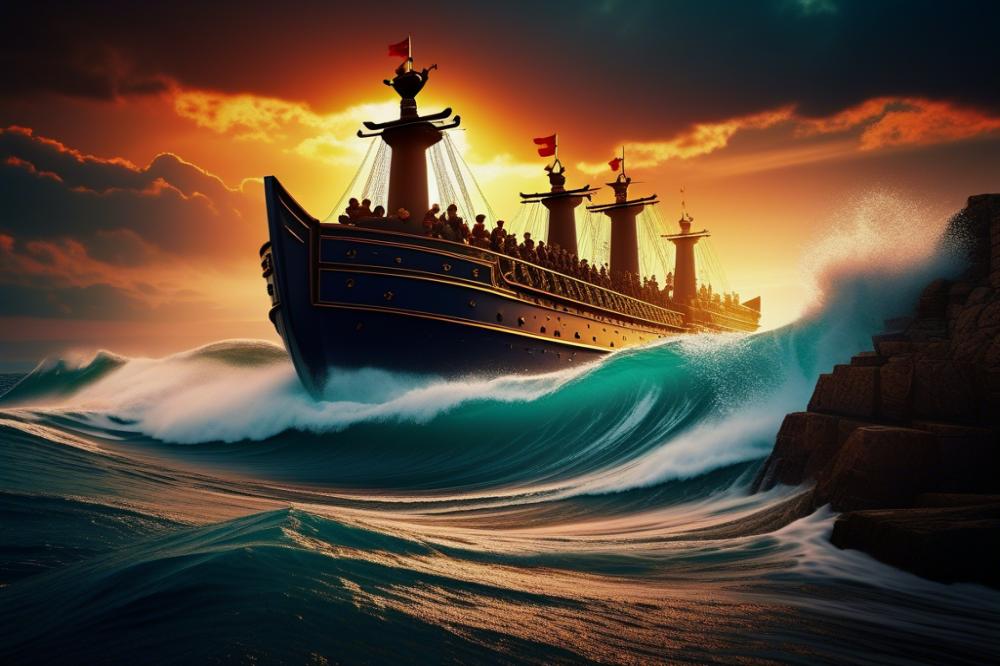
Types of Warships in the Roman Navy: From Triremes to Quinqueremes
The Roman navy, often overshadowed by the might of its army, played a pivotal role in the empire’s expansion and maintenance of power. Navigating the Mediterranean for trade, exploration, and military operations, these vessels symbolized Roman ingenuity at sea. Warships became vital for securing trade routes and protecting coastal cities. A robust navy was significant in establishing Roman dominance over neighboring territories and rival states.
Understanding the different types of Roman warships is essential for grasping the naval strategies of the time. Each ship was designed for specific tactical advantages. The trireme, for example, boasted speed and agility, while the quinquereme offered greater firepower and troop capacity. These distinctions were not just about size; they reflected the evolving needs of an empire engaged in constant conflict.
The timeline of Roman naval power showcases remarkable development. Initially, Rome possessed a limited naval capacity. However, as threats from Carthage and piracy grew, the republic invested heavily in its navy. By the late Roman period, they had built a formidable fleet capable of executing complex missions across the Mediterranean Sea. This evolution highlights how a shifting geopolitical landscape influenced military innovation and strategy.
Studying the types of warships helps us understand the maritime priorities of the empire. It also sheds light on the relationships between military technology and empire-building. Each vessel type serves as a window into the broader aspects of Roman life and warfare. This exploration tracks a legacy that has impacted naval military strategy for centuries.
For those eager to learn more about the specifics, diving deeper into the characteristics and uses of each ship type is a fantastic starting point. From the fast-moving triremes to the heavier quinqueremes, every class tells a story of adaptation and ambition. Recognizing this diversity adds richness to our understanding of Roman naval history.
In the end, investigating these maritime wonders opens up a fascinating chapter of the Roman legacy and its lasting influence on naval tactics globally. For an in-depth look at the intricacies of Roman naval designs, one can refer to further resources. To appreciate the impact of these warships on ancient warfare, check out additional reading.
Types of Warships in the Roman Navy
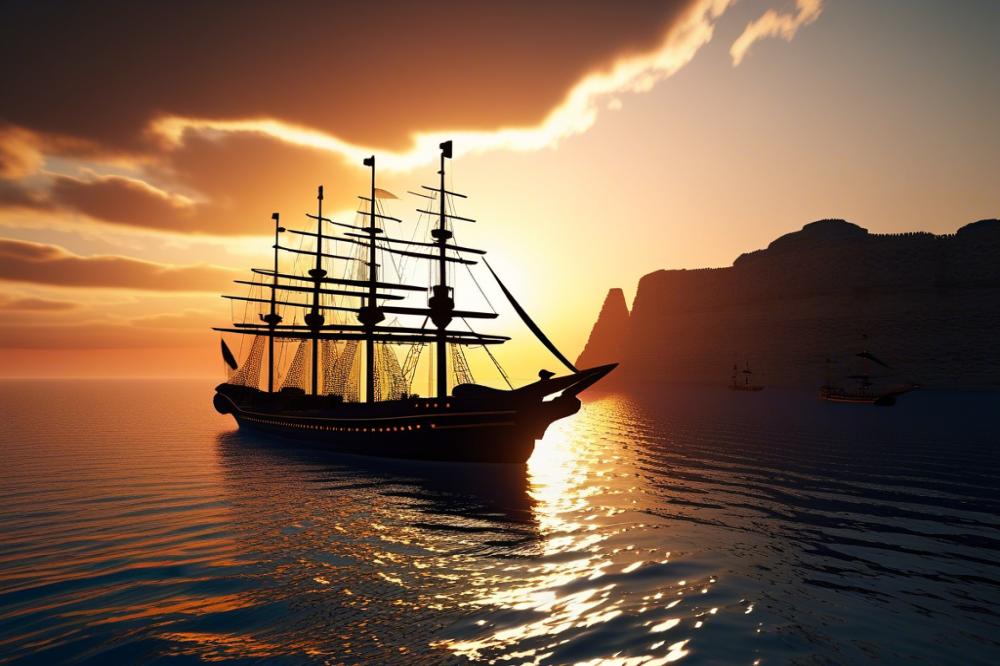
Warships in the context of the Roman navy refer to the various classes of combat vessels used during the expansive periods of Roman history. These ships were primarily designed for warfare, transportation, and maintaining naval dominance. The Romans built different types of vessels to adapt to changing military needs and to face various adversaries across the Mediterranean Sea.
Naval warfare played a crucial role in the growth of the Roman Empire. As the empire expanded, control over maritime routes became essential. The ability to transport troops and supplies swiftly gave Rome a strategic advantage. Victories at sea often paved the way for further land conquests. This linkage between naval power and territorial expansion shaped the empire’s destiny.
Triremes were prominent among Roman warships. Known for their speed and agility, these vessels had three rows of oars and could navigate swiftly through coastal waters. Their design allowed them to engage enemy ships effectively, making them essential during naval battles.
In addition to triremes, quinqueremes emerged as formidable assets in the Roman fleet. Larger than triremes, quinqueremes boasted five rows of oars, enhancing their power and capacity. These ships could carry more troops and supplies, often acting as floating bases during maritime operations. Their design reflected the Romans’ evolving understanding of naval engineering.
Warfare at sea required more than just strong ships. Tactics and strategy were equally important. The Romans developed sophisticated methods for engaging in naval battles. Ramming, boarding, and using archers from the decks were common tactics. Efficient tactics helped the Romans solidify their power in the Mediterranean.
Overall, the variety of warships in the Roman navy was integral to supporting military campaigns. Each type served a specific purpose, whether it was swift reconnaissance or large-scale troop movements. Understanding these vessels helps illuminate the complexities of Rome’s naval history and its contributions to the empire’s remarkable expansion.
Triremes

Triremes were ancient warships that played a crucial role in naval warfare. These vessels are characterized by their three rows of oars on each side. They were long and slender, designed for speed and agility. With their sleek hulls, triremes could easily outmaneuver larger ships. The oarsmen powered the ship, allowing for impressive bursts of speed during battles. Often made of wood, these ships had a ram at the front, used to damage enemy vessels.
In naval battles, triremes were highly effective. They excelled in tactics that involved quick strikes and rapid escapes. The ability to glide swiftly across the water meant that they could attack and retreat before the enemy could respond. This agility was vital in the chaotic atmosphere of ancient sea combat. Crews trained rigorously to ensure synchronization among oarsmen, allowing for quick changes in direction and speed. Positioning was everything, and skilled commanders utilized their ships to seize the advantage during engagements.
Historically, the Roman navy relied on triremes for numerous campaigns. During the Punic Wars, these ships dominated the Mediterranean. The Romans adopted the trireme design from earlier cultures, enhancing it with their own innovations. One notable use was during the Battle of Mylae in 241 BC, where Roman triremes clashed with Carthaginian forces. The speed and maneuverability of these vessels proved decisive. Roman commanders honed their strategies around the strengths of triremes, showcasing their importance in naval supremacy.
Furthermore, enhancements in shipbuilding techniques made triremes even more efficient. The Romans constantly sought to improve these vessels, ensuring they maintained their edge over competitors. Innovative tactics and disciplined crews turned triremes into symbols of Roman naval power. Their legacy continues to influence naval architecture even in modern times.
Biremes
Characteristics of Biremes
Biremes were ancient warships that featured two distinct rows of oars on each side. These vessels often exceeded the size of triremes, allowing for a larger crew. The design benefited from their streamlined hulls, which improved speed and maneuverability. Built primarily for naval combat, biremes carried various weaponry, including rams at the prow. Their dual-level arrangement of oars made them relatively complicated to operate, but this complexity often translated to increased power.
Discussion of their Usage and Effectiveness
Naval commanders appreciated biremes for their versatility in combat situations. Throughout their time in service, these ships were employed in numerous naval battles. Although they were slower than triremes, biremes possessed greater stability in rough waters. This characteristic allowed them to engage effectively in prolonged skirmishes. Moreover, the added rowers provided enhanced thrust, which was crucial during charging maneuvers. Despite their benefits, biremes eventually faced competition from more advanced ships.
Comparison Between Biremes and Triremes
Biremes differed from triremes primarily in their row arrangement. Triremes utilized three tiers of oars, which granted superior speed compared to the two tiers of a bireme. The increase in oars on triremes allowed for quick maneuvers and evasive actions. However, biremes offered greater endurance, making them valuable in specific scenarios. Crew size also varied; biremes typically required more rowers. While triremes dominated initial naval battles, biremes held their own in certain contexts, showcasing their adaptability.
Quinqueremes
Quinqueremes were a remarkable advancement in naval engineering during the Roman Empire. These ships featured five rows of oars on each side. This design allowed for both speed and power. Up to 300 personnel could be housed on a single vessel. The length typically reached around 37 meters. Such specifications made quinqueremes formidable opponents on the water.
Advantages of Quinqueremes in Combat
One significant advantage of the quinquereme was its versatility. These ships could engage in both ramming and boarding tactics. With a reinforced hull, they were tougher than earlier models. The additional oars provided enhanced maneuverability. Crews could quickly change direction or speed, catching enemies off guard. Moreover, the sheer number of oarsmen increased the ship’s pushing power. This meant that quinqueremes could make devastating charges during battles.
Key Battles Involving Quinqueremes
Several iconic battles showcased the effectiveness of quinqueremes. The Battle of Mylae in 241 BC marked a major turning point in the First Punic War. Roman forces used their quinqueremes to outmaneuver and overtake Carthaginian ships. Another significant clash took place at the Battle of Ecnomus in 256 BC. Here, the Romans established naval dominance with their superior tactics and ship designs. These victories bolstered Rome’s maritime reputation and secured its trade routes.
In addition, quinqueremes played crucial roles in defending against piracy in the Mediterranean. Their speed and combat capabilities secured Roman interests across coastal regions. As a result, the quinquereme became synonymous with Roman naval power.
Transition from Triremes to Quinqueremes
Factors Leading to the Evolution of Warships
The shift from triremes to quinqueremes arose from various factors. Ancient naval battles demanded more power and speed. Competitors like Carthage posed serious threats. Rome needed stronger vessels to maintain dominance at sea. As conflicts escalated, the need for enhanced warships became urgent. Adapting to rival tactics pushed innovation in naval design.
Technological Advancements and Design Changes
Changes in shipbuilding techniques played a crucial role. Quinqueremes featured an increased number of oars per side, allowing for greater maneuverability. A longer hull provided additional stability, making them harder to sink. The introduction of reinforced hulls improved durability. Innovations also included advanced sails that caught more wind. These modifications made it possible to engage in longer missions. Sailors benefitted from improved oar arrangements, resulting in faster rowing. Overall, the design evolution was significant in creating a more formidable vessel.
Impact on Naval Tactics and Strategy
New ship designs altered the tactics used during naval engagements. Commanders could now employ aggressive hit-and-run strategies. A quinquereme’s structure allowed for ramming enemy ships with deadly force. This approach emphasized speed and power, changing traditional fighting methods. Naval engagements became more dynamic, with ships flanking each other. Strategy focused on using superior technology to outmaneuver opponents. The focus on larger vessels complemented Rome’s military goals effectively. Thus, the transition marked a pivotal point in Roman naval history.
Other Types of Roman Warships
In addition to the well-known triremes and quinqueremes, the Roman navy had several lesser-known ship types. These vessels played vital roles in various naval operations. One such type was the liburnian, a smaller ship favored for its speed and agility. Liburnians often served as scouting vessels, keeping an eye on enemy movements. Another less common type was the hexareme, which had six rows of oars. This ship was used primarily by the elite, demonstrating both power and prestige on the water.
Auxiliary vessels had significant importance in naval operations as well. These ships provided crucial support to the main fighting vessels. Supply ships ensured that the fleet remained well-stocked with food, water, and ammunition during long campaigns. Hospital ships existed to care for wounded sailors, highlighting the humane side of warfare. Moreover, troop transports brought soldiers to various fronts, proving essential for land engagements.
Merchant ships also played a discreet yet crucial role in naval warfare. While they weren’t designed specifically for combat, these vessels could be repurposed when necessary. They carried vital supplies that the military needed to sustain long campaigns. The Romans understood that control of the Mediterranean relied not just on warships, but on effective logistics as well. Often, merchant ships were the first line of defense against potential blockades or enemy incursions.
With such a diverse array of vessels, the Roman navy exhibited versatility. This adaptability allowed them to respond to different scenarios in warfare. Each type of ship contributed uniquely to the overall strategy and effectiveness of the naval forces. The combination of combat ships and support vessels proved crucial for maintaining Roman dominance on the seas.
Final Reflections on Roman Naval Power
The diverse types of warships in the Roman navy played crucial roles in expanding and protecting the empire. Triremes, with their three rows of oars, represented innovation in naval warfare. Meanwhile, quinqueremes boasted even more firepower, showcasing Rome’s desire to dominate the Mediterranean waters. Each vessel, whether large or small, had its specific purpose that contributed to Rome’s military efficiency.
The legacy of Roman naval power continues to resonate throughout maritime history. Their advancements in shipbuilding and tactics laid the groundwork for future naval forces. Understanding these formidable vessels allows us to appreciate the sophistication of ancient warfare and its lasting impact on how nations conduct military operations at sea today.
Further exploration into ancient naval warfare could illuminate many unanswered questions. There is much to uncover about the strategies employed by the Romans and how they adapted to challenges. Resources abound for those seeking deeper knowledge. Engaging with this topic can lead to greater appreciation for military history and its influence on modern navies.
In summary, the evolution of #anchor_text_3# in antiquity tells a vital story. The Roman navy, with its various ship types, reflects a dynamic period that reshaped the Mediterranean. As we look forward, it is essential to delve into these aspects of naval history and recognize their relevance. #anchor_text_4# awaits for anyone eager to learn more about this fascinating subject.

