

Introduction
The Roman Navy played a crucial role in the expansion and maintenance of the Empire. It was more than just a group of ships; it was an essential armada that facilitated trade, protected sea routes, and asserted Roman power over the Mediterranean. Understanding the size and structure of Roman naval fleets provides insight into the strength and reach of Rome. This knowledge illuminates how they ensured dominance in both military and economic spheres.
Historians often highlight the strategic importance of the navy during significant conflicts and peaceful times alike. While the Roman army received much attention, naval forces were equally vital for securing territory and resources. The Roman naval fleet was marked by diversity in ship types and capabilities, reflecting a response to varied needs and challenges. Different vessels served different purposes, from commerce to warfare, each designed to adapt to specific situations.
Gathering data on the dimensions and numbers of these fleets remains significant for several reasons. For one, it helps illustrate how the Empire maintained its vast territories. Additionally, it reveals the logistical advancements of the Romans. The fleets were not merely instruments of war but also facilitated cultural exchange and economic growth.
The investigation of naval history also connects to broader themes within the Roman Empire, such as trade routes and naval battles. Insights into the ships’ capacities—how many soldiers or tons of goods they could carry—add depth to our understanding of Roman maritime endeavors. This exploration encompasses various types of vessels, from merchant ships to military galleys.
Using the term #main_keyword#, we aim to dissect these naval formations and their respective roles. Details about fleet sizes and the arrangement of ships provide a clearer picture of how the Romans exerted their influence. For scholars and enthusiasts alike, this investigation is invaluable.
As we delve deeper into naval operations, one must consider additional factors like technological advancements and crew training. These elements contributed to the effectiveness of the Romans at sea. Ultimately, examining the Roman Navy underscores its importance as a power generator for the Empire. To learn more about specific aspects of Roman naval operations, check out #anchor_text_1#. Further information can be found at #anchor_text_2#.
Historical Context of Roman Naval Power
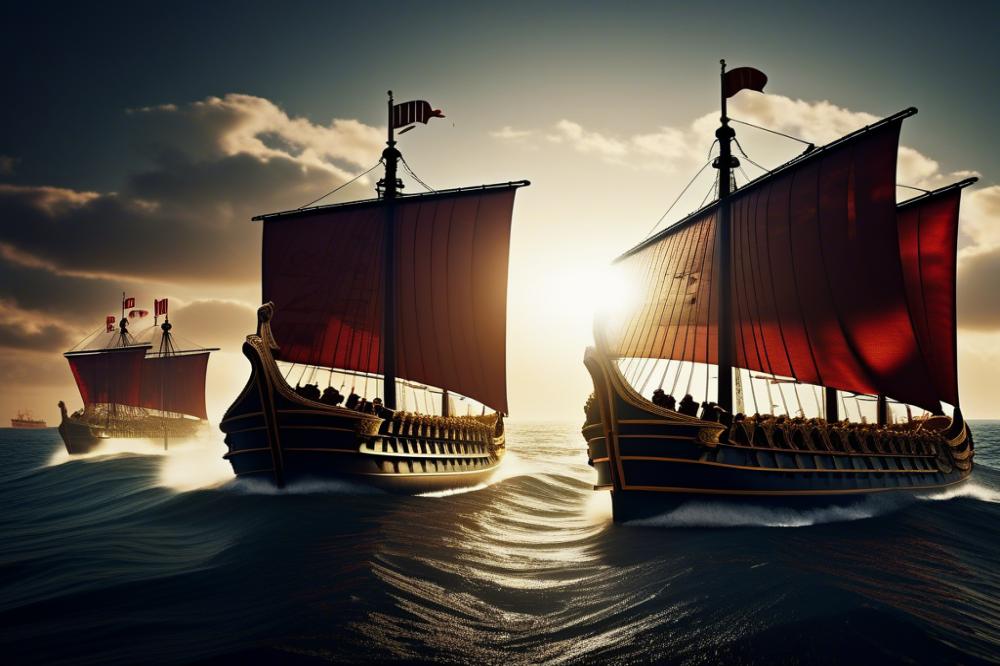
The rise of naval power in ancient Rome was essential to its expansion. Initially, during the early days of the Republic, the Romans relied on land forces. However, as they confronted maritime threats, a shift began. They found themselves facing rivals like Carthage, known for its strong navy. This confrontation led to the First Punic War, a crucial event that marked the beginning of serious naval development.
Roman shipbuilders learned quickly. They adapted techniques and designs from their enemies. The capture of a Carthaginian trireme allowed the Romans to replicate their technology. This adaptation was vital. It transformed Rome into a formidable naval force. As a result, the Roman fleet grew larger and more powerful. Significant battles, such as the Battle of Mylae in 260 BCE, showcased their new capabilities. This victory not only boosted morale but cemented Rome’s status as a naval power.
Throughout the Imperial period, the navy played an essential role beyond just military engagements. Trade routes expanded, linking distant provinces to the Italian peninsula. Naval forces protected these trade routes, ensuring the flow of goods such as grain and wine. The economy thrived as merchants felt secure. The constant movement of ships facilitated communication across the Empire. This connectivity allowed for the rapid spread of information, essential for maintaining control over vast territories.
Military campaigns relied heavily on the navy. During the campaigns against enemies like Pompey and later Augustus, the fleet was crucial. It allowed the movement of troops and supplies across the Mediterranean. Without naval power, many of these campaigns would have faced significant challenges. The Romans even established a form of maritime law to govern sea trade and piracy. This system helped safeguard their interests on the water.
As the Empire expanded, the need for a well-structured navy became apparent. Roman ships varied in size and type. They included lighter vessels for quick maneuvers and larger ones for heavy combat. The mix ensured that the navy could respond effectively to different situations. By the time of the Empire, the fleet had undergone several changes. Its structure reflected the complex political and military landscape of the time.
Key events continued to shape the Roman naval scene. Battles during the civil wars highlighted the importance of naval power in securing dominance. The navy not only served military needs but also engaged in diplomacy. Coastal cities often depended on Rome for protection against piracy and foreign aggressors. Thus, the navy became a symbol of Roman strength and stability.
In summary, the historical context of Roman naval forces reveals a progressive journey from reliance on land to embracing the sea. It transformed trade, communication, and military capabilities, shaping the future of the Empire.
Structure of Roman Naval Fleets
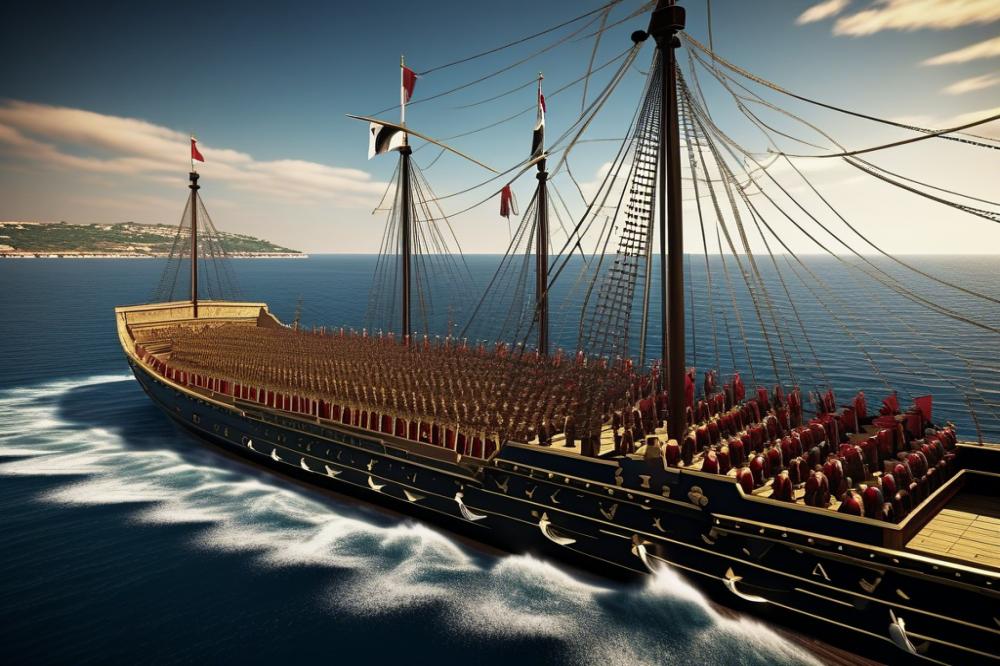
The Roman Navy had a specific organization and hierarchy. It was not just a random collection of ships. Commanders led various fleets, known as *classis*, which operated under the authority of the Roman state. This structure allowed for efficient command in times of war or peace. Officers were typically experienced sailors, often promoted due to valor in battle or political connections.
Types of Ships Used
Several different types of warships played crucial roles in naval battles. The most famous among them were the triremes. These ships had three rows of oars on each side and could move swiftly. Many sailors rowed these vessels, providing both speed and power. Another ship type, the quinquireme, was even larger. It had five rows of oars, allowing for an increased force in the water. The size and design of such ships contributed to their effectiveness during significant naval confrontations.
In addition to these, the Romans designed various other vessels for different purposes. Smaller ships called *liburnae* served as fast patrol boats. These vessels were often used for scouting and raiding, as they could navigate shallow waters easily. Support ships, such as supply vessels, provided essential logistics during campaigns. With these diverse types of crafts, the Roman Navy adapted to the needs of warfare efficiently.
Overview of Auxiliary Fleets
Auxiliary fleets were another important aspect of Roman naval operations. These forces often consisted of ships provided by allied kingdoms or newly conquered territories. Their primary role was to support the main fleet in various capacities. Sometimes, they specialized in specific tasks like transporting troops or supplies. Such support was vital during long campaigns, where logistics could be challenging.
Moreover, auxiliary ships frequently engaged in coastal defense. They protected harbors and ensured that trade routes remained safe from enemy attacks. This defense system bolstered Rome’s influence over the Mediterranean Sea. The combination of main and auxiliary fleets established a robust maritime presence.
The organization of the Roman Navy played a vital role in its success. With a structured command, various types of ships, and Auxiliary operations, the Roman military ensured its dominance on the waters. This seamless coordination among fleets established a formidable naval power that many adversaries would find hard to challenge.
Size of Roman Naval Fleets
Understanding the size of Roman naval fleets sheds light on the empire’s dominance and influence over the Mediterranean. Estimates of the number of ships vary significantly across different eras. During the height of the Punic Wars, the Roman fleet reached impressive figures. Some sources claim they had over 600 ships at one time, highlighting a remarkable commitment to naval warfare.
Other periods witnessed smaller fleets. For instance, during times of peace, the navy often decreased in number. Austerity sometimes dictated that fewer vessels were maintained. This reduction did not diminish the importance of naval power. Rather, it reflected the shifting priorities of the Roman state. Maintaining a robust fleet was critical during major military campaigns.
Examining various naval campaigns reveals much about fleet sizes. The First Punic War saw Rome’s naval force undergo rapid expansion. Yet, across decades of relative peace, many ships were decommissioned. Different strategies influenced these changes in numbers. Sometimes it was cost-effective to disband ships when there were no imminent threats.
The impact of naval size on Rome’s economic strength cannot be understated. A larger fleet facilitated trade across vast distances. With more vessels, Rome could protect merchant ships from piracy. This security allowed commerce to flourish. As a result, the wealth of the empire increased dramatically.
Furthermore, a substantial naval presence projected power. Nearby city-states respected a fleet they feared. Several times, the threat of Roman ships changed local politics. Influence extended well beyond military might; trade routes became safer and more profitable. Such dynamics reinforced why Rome invested heavily in naval resources.
In summary, the size and structure of naval fleets varied throughout Roman history. These changes revealed insights into the empire’s military and economic strategies. The commitment to maintaining strong naval forces reflected both ambition and necessity in a complex world.
Dimensions and Specifications of Roman Warships
The design of Roman warships was a critical aspect of naval power. Ships varied greatly in size and purpose. The typical vessel was streamlined for speed and maneuverability. Most warships could measure between 30 and 60 feet in length. Some larger galleys stretched beyond 100 feet, designed for commanding presence on the water. Width typically ranged from 10 to 20 feet, allowing these ships to glide through the Mediterranean.
Shipbuilding techniques advanced notably during the Roman era. Builders often used a technique called “shell-first” construction. This involved creating the hull before adding internal structures. Such methods provided greater strength and efficiency. Besides traditional oak, materials included lighter woods, allowing for faster crafts. Innovations in roping and sail design resulted in improved performance. Some vessels used up to four sails to harness the wind better.
Different functions dictated ship sizes and features. Warships known as triremes were agile. With three rows of oars, they excelled at speed. These ships also carried a ram at the bow for combat. They typically featured about 170 rowers, making them powerful on the sea. Other ships, like the liburnian, were sleeker and smaller. This design was favored for quick strikes and reconnaissance.
The distinction between naval types was clear. Larger vessels often served as flagships during major conflicts. These ships could accommodate a crew of several hundred men. Smaller craft, like the navis oneraria, focused on transport. They carried cargo, troops, and supplies swiftly across waters. This versatility played a vital role in logistical support during campaigns.
Even within the same class, dimensions could vary significantly. Some smaller galleys had less than 15 oars, emphasizing stealth over size. Armored decks were another aspect of design that offered protection. They helped defend against enemy projectiles. Variations in hull shape also influenced speed and stability. Certain vessels had a pronounced keel, which allowed for better navigation in rough seas.
Naval Logistics and Support
Logistics were a crucial aspect of Roman naval fleets. These fleets depended heavily on well-equipped ports. Without proper harbors, their operations would have faced serious challenges. Locations along the Mediterranean allowed for easier supply routes, making it vital for fleet success.
Supplies included food, fresh water, and tools for maintenance. Ships had to be stocked regularly with rations for sailors. Proper management of resources kept crews healthy and ready. The more organized they were, the better they could function in naval duties.
Transportation played a key role in the workings of the Roman Navy. Not only did ships carry soldiers, but they also moved goods between distant lands. This ability made trade more efficient and faster. In times of war, fleets swiftly transported troops to critical battle zones.
Maintenance of vessels was also important. Ships required constant care to stay seaworthy. Repairs happened in port, where carpenters and blacksmiths remained busy. Skilled workers ensured that naval forces were ready for ongoing campaigns.
Supporting merchant vessels was part of the Navy’s responsibilities too. By protecting trade routes, the fleet helped secure valuable imports and exports. This connection bolstered the economy and provided resources for further naval endeavors.
Collaboration among different port cities helped sustain the fleet’s needs. Officials worked together to manage supplies effectively. Such teamwork streamlined processes and aided in rapid deployment during urgent situations.
Additionally, naval logistics involved strategic planning. Leaders had to think several steps ahead for everything to run smoothly. Pre-planning ensured that all naval missions were carefully orchestrated and executed with precision.
In the grand scheme of things, logistics made the Roman Navy a formidable force. Ships did not operate in isolation; they were part of a broader network. Each piece of the puzzle was essential for the overall success of maritime operations.
Role of the Roman Navy in Trade and Commerce
The Roman Navy played a vital role in the empire’s trade and commerce. Its fleets operated along crucial trade routes, connecting various regions. These naval forces were essential for the movement of goods like grain, wine, and metals. Protecting merchant vessels became one of the navy’s primary missions.
Merchant ships often faced threats from piracy. Pirates disrupted trade by attacking vessels carrying valuable cargo. Thus, the navy worked hard to guard the sea lanes, ensuring safer passage for traders. This protection helped maintain steady commerce across the Mediterranean and beyond.
The link between military and commercial maritime activities was clear. Military operations often reinforced trade interests. For example, when a region became a target for pirates, naval forces moved in to establish control. This action reassured traders that their investments were safe.
Moreover, the navy sometimes facilitated trade itself. Naval ships would transport goods during military campaigns. This practice expanded economic opportunities, directly benefiting merchants. Relationships developed between military leaders and traders, further intertwining their fates.
Trade flourished in regions with a strong naval presence. Cities like Ostia thrived as essential ports, thanks to the navy’s protective actions. The naval fleet acted as a deterrent to potential threats, allowing commerce to thrive. Without these efforts, the empire’s economy could have faced serious challenges.
Military engagement wasn’t the only concern of the naval forces. They also managed logistical operations, such as supplying remote outposts. Doing so ensured that even distant territories remained integrated into the trade network. This aspect highlighted the multifaceted nature of the navy’s role in commerce.
In summary, the impact of the naval fleets on the economic landscape was profound. With their presence on the water, they shaped the flow of goods and wealth throughout the empire. Safeguarding merchant interests from threats reinforced the connections between military might and economic progress.
Final Thoughts on Roman Naval Power
The size and structure of Roman naval fleets reveal much about their military capabilities. Evidence shows that these vessels played crucial roles in protecting trade routes and engaging in maritime conflicts. The Romans built a robust navy, which included various types of ships, from large war galleys to smaller support vessels. This diversity in size allowed them to adapt to different challenges at sea.
Overall, Roman naval power was not just about numbers; it was about organization and strategy. Their fleets were structured to maximize efficiency in both defense and attack. Reports indicate that during the height of their power, the Romans maintained hundreds of ships to patrol the Mediterranean. This extensive presence is a testament to their influence over maritime domains.
Such naval dominance fostered trade and communication across vast distances. Furthermore, it solidified Rome’s status as a leading power in the ancient world. Many aspects of their naval strategy and ship design have influenced future generations. Even today, the principles of naval warfare and logistics can trace roots back to Roman practices.
Reflecting on this legacy allows us to appreciate the importance of understanding naval capabilities throughout history. The Romans set standards that would guide future empires. Lessons learned from their naval endeavors continue to resonate in modern military strategies. As we examine their achievements, we gain insights into the power dynamics of their time.
In exploring this subject, one cannot overlook how these maritime skills shaped not just an empire, but the course of history. Studying #anchor_text_3# and its implications is crucial for a deeper grasp of ancient civilizations. The story of Roman fleets shows that maritime strength was vital for dominance. This understanding enriches our perspective on historical and contemporary naval operations, highlighting the remarkable influence naval power has wielded across eras. #anchor_text_4# has forever changed the way we view power on the water.

