
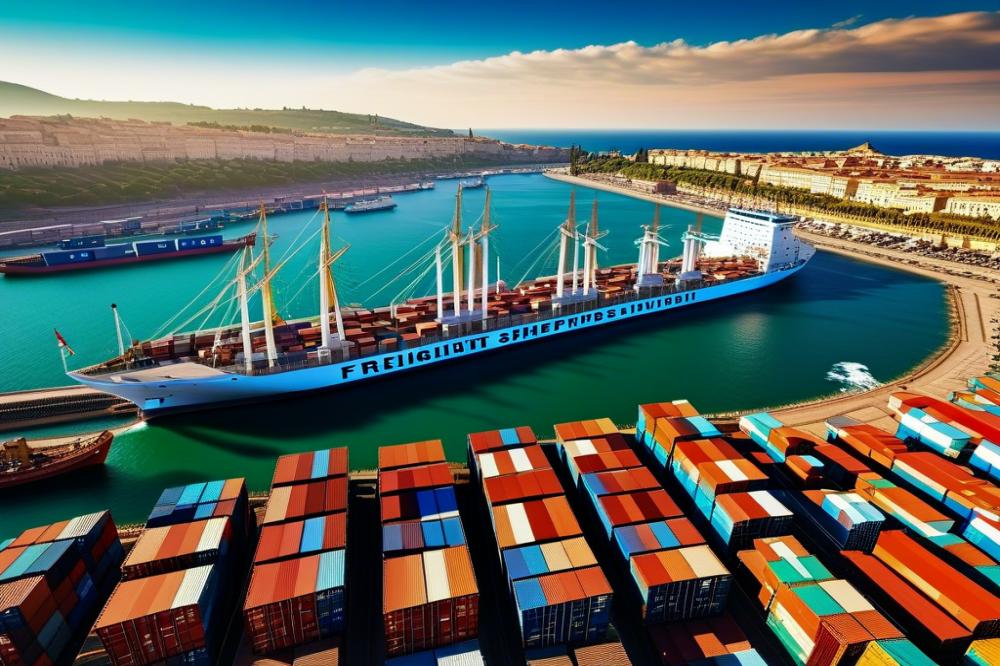
Freight Shipping in the Roman Empire
Freight shipping played a crucial role in the Roman Empire. The vast Mediterranean Sea served as a major highway for trade. It facilitated the exchange of goods across different regions, significantly impacting the economy. maritime trade became the backbone of economic prosperity. Goods flowed from various parts of the empire, fostering interconnectedness among distant regions.
Shipping routes were vital for transporting cargo. Natural harbors and ancient ports provided essential stopovers for merchants and vessels. These locations were busy hubs of activity where goods were loaded, unloaded, and distributed. Roman vessels, built for durability and capacity, allowed for efficient transportation of a wide range of commodities. With the development of intricate trade networks, the flow of products became remarkably organized.
As a result, the Roman economy thrived. The availability of diverse goods from different territories enhanced local markets. Society experienced benefits from the influx of spices, textiles, grains, and other valuable items. This cultural exchange enriched Roman life, creating a sense of unity within the empire. Moreover, shipping connected provinces to the heart of Rome, highlighting the importance of maritime commerce in everyday life.
Overall, freight logistics in the Roman Empire exemplified sophistication in ancient transportation methods. The success of trade depended heavily on the ability to manage and move goods efficiently. Each voyage carried not just cargo, but the stories and cultures of the lands involved. The impact of Ancient Mediterranean Trade still resonates today.
Roman Empire Shipping
Definition and Scope of Roman Empire Shipping
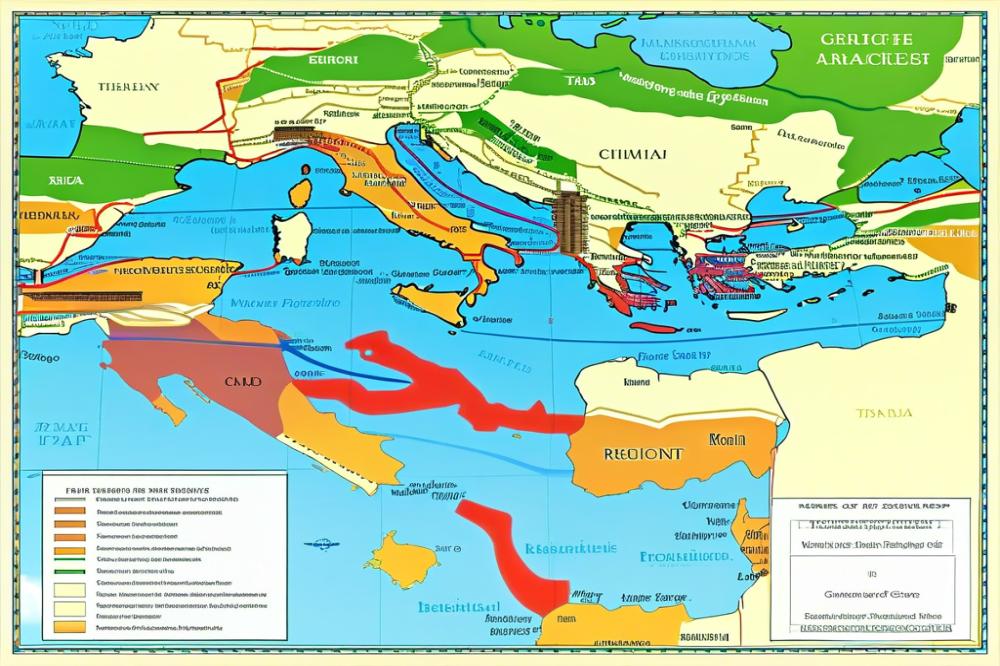
Shipping in the Roman Empire was a vital part of the economy. It encompassed all maritime activity, including cargo transport across the Mediterranean Sea. The Romans developed advanced methods for moving goods. Their extensive network connected various regions. Both agriculture and crafted items were commonly traded.
Overview of freight logistics in Ancient Rome
Freight logistics played a crucial role in ensuring that supplies reached their destinations. Ancient ports served as hubs for commerce and trade. Goods were loaded and unloaded, often in bustling marketplaces. Roman vessels, such as merchant ships, were designed to carry large amounts of cargo. The organization of this system involved detailed planning. Transport times depended on weather and distance but were usually efficient. Merchants navigated using well-known routes, maximizing their cargo delivery.
Significance of Shipping Routes for Trade Networks
Shipping routes significantly influenced Mediterranean commerce. They created connections between different cultures and economies. Well-mapped pathways allowed easier access to markets. Trade networks flourished because traders could exchange unique goods. Cities like Alexandria and Carthage became famous for their bustling activities. Each route allowed for the distribution of produce, wine, and textiles. Moreover, these connections helped in the spread of ideas and technology. As maritime trade grew, so did the prosperity of the Roman economy. Immediate access to various resources was key to maintaining a strong empire. The importance of these routes cannot be overstated. They were the veins through which the lifeblood of trade flowed.
Maritime Trade and Economic Impact
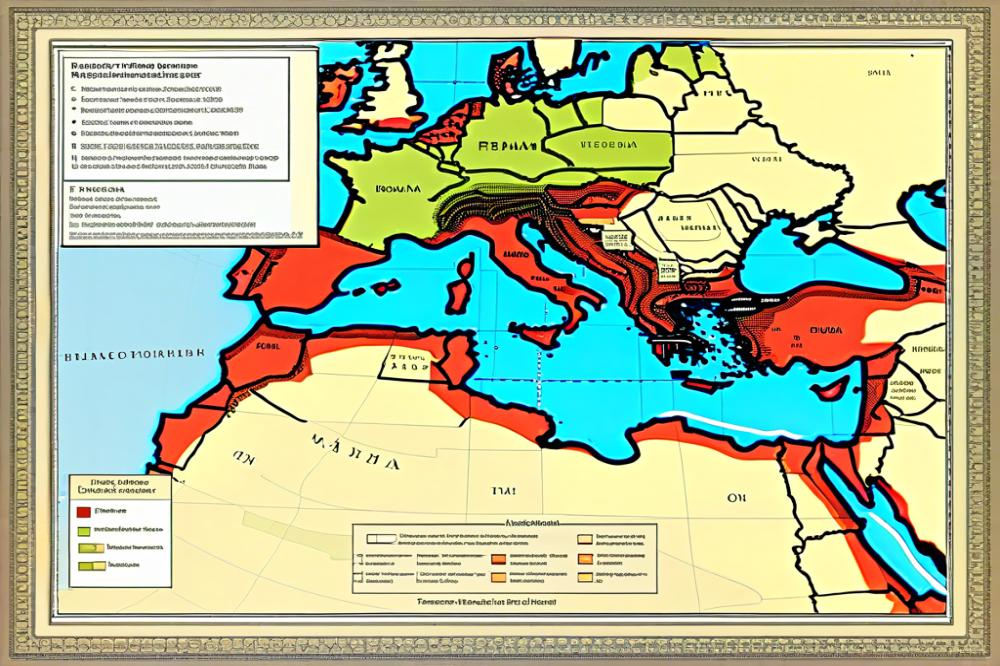
Maritime trade played a crucial role in the expansion of the Roman economy. Shipping routes crisscrossed the Mediterranean, linking distant regions. Trade networks emerged, allowing for the exchange of goods and ideas. These connections supported urban development and enriched local markets. For many, access to exotic products became a part of daily life.
Impact of Maritime Trade on the Roman Economy
As shipping flourished, the economy transformed significantly. Wealth flowed into cities like Rome, thanks to a constant influx of goods. Increased availability of supplies sustained large populations. Economic powerhouses formed around key ports, enabling trade flourishment. Merchants became influential figures in society, driving demand for various items.
Key Goods Traded Across the Mediterranean
Many goods crossed the waters of the Mediterranean. Grain from Egypt fed the vast cities of the empire. Wine from regions like Gaul was cherished and widely consumed. Olive oil served as a staple in households, used for cooking and lighting. Luxury items, such as silk and spices from Asia, captivated wealthy citizens.
Role of Cargo Transport in Facilitating Commerce
Cargo transport became essential to the success of commercial activities. Roman vessels were designed for speed and capacity, allowing for efficient movement of goods. Ancient ports bustled with activity as ships docked to unload and load goods. Distributing items across the empire required careful planning and organization. Freight logistics played a vital role in maintaining flow within the trade networks.
Shipping Routes and Ancient Ports
The Mediterranean Sea served as a vital corridor for freight logistics in the Roman Empire. Major shipping routes connected bustling cities and remote towns alike. Merchants transported goods across the water, linking regions such as Italy, North Africa, and the eastern provinces. Knowing these routes helped traders optimize their journeys and maximize profits.
Ancient ports acted as essential trade hubs within this complex maritime trade system. Cities like Ostia, Alexandria, and Corinth offered safe havens for vessels and bustling marketplaces for goods. These ports facilitated the flow of various products, from olive oil to wine, and even precious metals. They played a crucial role in urban economies, allowing local artisans and farmers to sell their products and access foreign items.
The distribution of goods depended greatly on the efficiency of shipping networks. Roman vessels, designed for both speed and capacity, helped ensure smooth cargo transport. Port cities served as processing centers where goods could be stored, exchanged, or reloaded. In such environments, trade thrived, and the Roman economy blossomed.
Analyzing port operations reveals their significant impact on ancient commerce. Each port developed specific specialties based on geographic advantages. For example, certain locations became famous for grains, while others focused on textiles. This specialization helped streamline goods distribution across the empire.
Additionally, effective management of these locations was crucial. Authorities ensured that ports were equipped with necessary facilities such as warehouses and docks. The availability of skilled labor also enhanced operational capabilities, promoting efficiency in trade practices.
All these factors combined to create a dynamic marketplace that supported Mediterranean commerce. Trade networks expanded as merchants found new opportunities in these thriving ports. Ultimately, the success of freight shipping in the Roman Empire relied heavily on these intricate routes and well-developed port systems.
Roman Vessels and Their Capabilities
Various types of Roman vessels played vital roles in freight shipping across the Mediterranean. Ships were designed to meet specific needs. For instance, merchant vessels were commonly used for transporting goods. Alongside this, military ships sometimes aided in the distribution of cargo.
One prominent design was the liburna. This swift vessel was essential for quick military and trade missions. Another crucial type was the cymba, known for its cargo-carrying capacity. These vessels navigated the busy shipping routes connecting different regions.
Significant advancements emerged in shipbuilding techniques during this period. Wooden planking and a clinker-built design improved strength and buoyancy. Iron nails replaced traditional methods, enhancing durability. Such innovations enabled ships to carry heavier loads over longer distances.
When comparing vessel designs, their purposes stood out. Grain transports required large hulls to accommodate the weight. In contrast, smaller ships suited trade with delicate products like wine. These differences ensured effective goods distribution across ancient ports.
Maritime trade thrived thanks to these capable vessels. The Roman economy heavily relied on robust trade networks. Each ship contributed not only to cargo transport but also to the cultural exchange across the region. The designs and capabilities of Roman vessels shaped the dynamics of Mediterranean commerce, influencing various trade practices for generations.
Logistics and Management of Maritime Trade
The organization of freight logistics in the Roman Empire was complex. Many factors contributed to effective maritime trade. Shipping routes crisscrossed the Mediterranean, forming a network vital to the Roman economy. Various ports dotted the coastline, serving as hubs for the distribution of goods. Key players in this system were merchants, shipowners, and port officials. Each group had specific roles that helped streamline cargo transport.
Organizational Structures and Practices in Freight Logistics
Shipping companies often operated in partnerships. They shared the risk and profits of transporting goods. Records of transactions aided in accountability. Small contracts were written for each mission, detailing cargo and costs. Special attention went to the types of vessels used. Roman vessels were designed for durability. They were built to handle the diverse conditions of the Mediterranean. Crews needed training to navigate, load, and unload ships efficiently.
Key Challenges in Managing Shipping Logistics in the Ancient World
Navigating busy ports presented challenges. Ancient ports often experienced congestion. Ships needed to wait for favorable winds, which delayed missions. Weather patterns could rapidly change, impacting sailing schedules. Another concern was piracy. Thieves targeted merchant vessels, aiming for valuable cargo. Trade networks had to adapt quickly to both environmental and human threats. Goods distribution depended on reliable transport routes to avoid loss or damage.
Case Studies of Successful Trade Missions and Their Logistics
One fascinating example of success is the trade of grain from Egypt. Grain ships made regular trips to Rome, ensuring the city had enough food for its population. The journey involved detailed planning to safeguard the cargo and reduce delays. Documentation for each shipment included quantities and destination specifics. Another notable case is the trade of wine from Gaul. Roman merchants created strong relationships with local producers. They improved the transportation of delicate barrels, thus thriving in Mediterranean commerce.
Final Thoughts
Summary of the significance of freight shipping in the Roman Empire
Freight shipping played a crucial role in the Roman Empire. It linked different regions, allowing for the exchange of goods and ideas. High demand for various products, such as wine, olive oil, and grain, required a robust shipping network. This network helped unify the empire economically and culturally. Without efficient freight logistics, the empire may not have achieved the same level of influence.
Impact of Roman shipping on the development of Mediterranean commerce
The shipping practices of the Romans transformed Mediterranean commerce. Trade routes were established and maintained with precision, fostering relationships between distant lands. Additionally, advancements in ship design and navigation techniques increased the volume of goods transported. Such improvements led to a flourishing market where merchants could thrive. The Mediterranean became an interconnected hub of activity, significantly boosting local economies and trade relations.
Enduring legacy of Roman shipping practices on modern logistics
Today, the impact of Roman shipping is evident in contemporary logistics. Many modern shipping methods draw inspiration from ancient practices. Aspects like organized shipping routes and standardized cargo sizes can trace their roots back to that era. Moreover, maritime trade remains a vital component of global commerce. The principles established by the Romans continue to influence how goods move across oceans and seas. Understanding this historical foundation helps us appreciate the complexities of today’s freight logistics.

